Neuroinflammation: What It Means and How It Is Linked to Neurological Disease

Neuroinflammation is an immune response in the central nervous system involving brain and spinal cord tissues. Short-term inflammation can help protect the nervous system, but chronic inflammation may damage nerve cells and their connections.
Key Takeaways
- Neuroinflammation is an immune response in the central nervous system involving brain and spinal cord tissues.
- Short-term inflammation can help protect the nervous system, but chronic inflammation may damage nerve cells and their connections.
- Neuroinflammation is linked to conditions such as multiple sclerosis, infections, autoimmune disorders, stroke, and some neurodegenerative diseases.
- Symptoms vary widely and may include headaches, confusion, weakness, sensory changes, memory problems, or seizures depending on the cause and area affected.
- Diagnosis usually combines history, neurological examination, imaging, blood tests, and sometimes cerebrospinal fluid analysis.
- Treatment focuses on the underlying cause and may include anti-inflammatory, immunotherapy, anti-infective, or supportive neurological care.
Neuroinflammation refers to inflammation within the brain or spinal cord. It is part of the body's defense system, but when it is prolonged or misdirected, it may contribute to symptoms and play a role in several neurological diseases.
Overview
Neuroinflammation means inflammation that occurs in the central nervous system, which includes the brain and spinal cord. Inflammation is a normal biological response that helps the body react to infection, injury, or other threats. Inside the nervous system, this response involves immune signaling molecules and specialized cells that work to protect delicate brain tissue.
In many situations, neuroinflammation is helpful and temporary. For example, it may support healing after an infection or injury. Problems can arise when the inflammatory response becomes excessive, lasts too long, or targets the body’s own tissues. In these cases, inflammation may interfere with normal communication between nerve cells and may contribute to neurological symptoms.
Neuroinflammation is not a single disease. It is a process that can occur in a wide range of conditions, including autoimmune disorders, infections, trauma, stroke, and some degenerative brain diseases. Because of this, understanding neuroinflammation often helps doctors better understand why symptoms develop and how best to treat them.
How neuroinflammation affects the brain and spinal cord
The nervous system has its own immune activity. Cells such as microglia and astrocytes help monitor the brain environment and respond to danger signals. When activated, they release chemical messengers that can recruit other immune cells, change blood vessel function, and influence how neurons work.
A balanced inflammatory response may remove damaged tissue and support recovery. However, if the response is intense or prolonged, it can disrupt the protective blood-brain barrier, alter myelin that insulates nerves, and affect synapses, the connections through which nerve cells communicate. This may lead to symptoms involving movement, sensation, memory, mood, speech, or awareness.
Neuroinflammation may be localized to one region of the nervous system or more widespread. Its effects depend on where it happens, how severe it is, and what caused it. For this reason, two people with neuroinflammation may have very different symptoms and treatment needs.
Symptoms and possible signs
There is no single symptom pattern that confirms neuroinflammation. Signs depend on the underlying disorder and the area of the brain or spinal cord involved. Some people develop sudden neurological symptoms, while others notice gradual changes over time.
Possible symptoms can include headache, fever, confusion, trouble concentrating, memory changes, weakness, numbness, vision changes, balance problems, neck stiffness, or seizures. Some people may experience speech difficulty, mood or behavior changes, or unusual sleepiness. In spinal cord involvement, symptoms may include limb weakness, sensory loss, or bladder and bowel problems.
Symptoms that need urgent medical assessment include sudden weakness, loss of consciousness, a new seizure, high fever with confusion, severe headache, or rapidly worsening neurological changes. These symptoms do not always mean neuroinflammation, but they can signal a serious brain or spinal cord problem that should be evaluated quickly.
- Headache or pressure in the head
- Confusion or altered mental state
- Weakness, numbness, or poor coordination
- Memory and concentration problems
- Vision or speech changes
- Seizures or unusual movements
Causes and risk factors
Neuroinflammation can develop for many reasons. Infections are one important cause, including viral, bacterial, fungal, or other infections that directly affect the nervous system or trigger an immune response. Autoimmune diseases can also lead the immune system to attack tissues in the brain or spinal cord. A common example is multiple sclerosis, in which inflammation damages myelin.
Other possible causes include traumatic brain injury, stroke, exposure to certain toxins, and paraneoplastic syndromes associated with cancer. In some patients, inflammation follows a broader systemic illness, while in others the main problem is centered within the nervous system itself. Doctors may also evaluate for inflammatory disorders such as encephalitis, myelitis, vasculitis, or demyelinating disease.
Researchers are also studying the role of chronic, low-grade inflammation in conditions such as Alzheimer’s disease, Parkinson’s disease, and some forms of epilepsy or depression. This does not mean inflammation is the only cause of these disorders, but it may be one piece of a complex disease process. Risk factors vary by cause and may include a personal or family history of autoimmunity, recent infection, immune suppression, cancer, vascular disease, or previous neurological injury.
How doctors diagnose neuroinflammation
Diagnosis begins with a careful medical history and neurological examination. Doctors ask about the timing of symptoms, recent infections, autoimmune conditions, cancer history, medications, toxic exposures, and any episodes of head injury. The physical examination helps identify which parts of the nervous system may be affected.
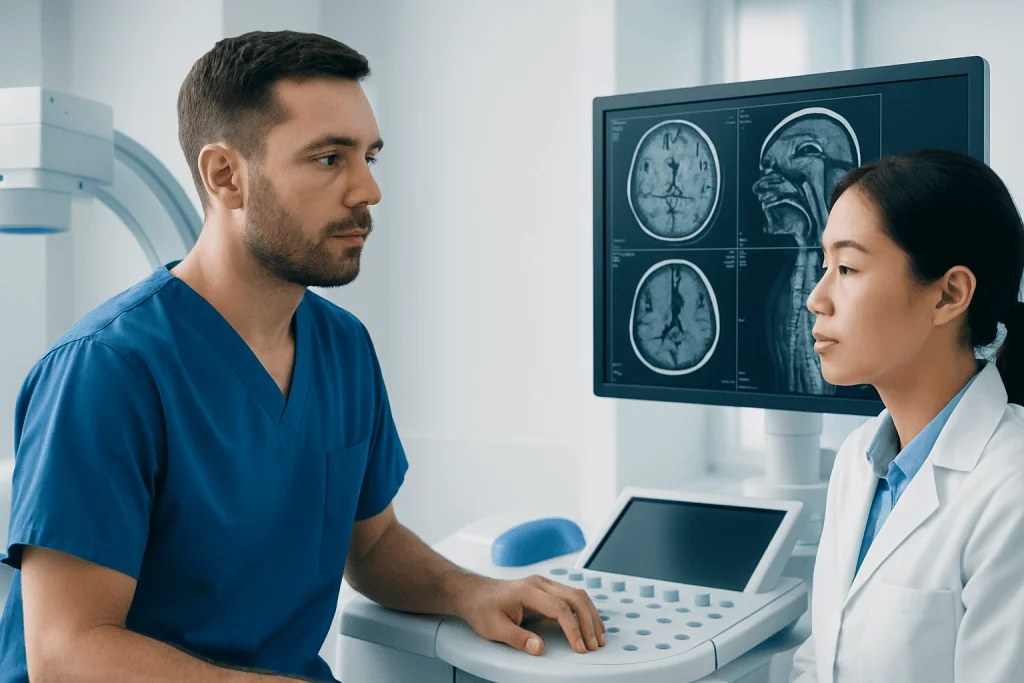
Testing usually depends on the suspected cause. Brain or spinal imaging, often with MRI, can show inflammation, demyelination, swelling, or structural changes. Blood tests may look for signs of infection, immune activity, vitamin deficiencies, metabolic problems, or antibodies linked to autoimmune neurological disease. In some cases, tests of cerebrospinal fluid obtained through lumbar puncture can provide important clues.
Additional investigations may include electroencephalography for seizures or altered awareness, nerve testing, or screening for underlying cancer or systemic autoimmune disease. Because symptoms can overlap with stroke, infection, tumors, and metabolic disorders, diagnosis may take a stepwise approach. In specialized centers, patients may be assessed by neurologists, infectious disease specialists, neuroradiologists, and immunology experts working together.
Treatment options
Treatment for neuroinflammation is guided by the cause, severity, and the body areas involved. If an infection is responsible, doctors may use antiviral, antibacterial, antifungal, or other anti-infective medicines. If the inflammation is autoimmune or immune-mediated, treatment may include corticosteroids, plasma exchange, intravenous immunoglobulin, or other immune-targeted therapies. The goal is to control inflammation while protecting normal brain and spinal cord function.
Supportive care is also important. This may include treatment for seizures, pain, fever, sleep disturbance, or mood changes, along with rehabilitation for weakness, speech problems, balance issues, or cognitive symptoms. In some situations, hospital monitoring is needed, especially if there are concerns about consciousness, breathing, severe infection, or rapidly changing neurological status.
When structural complications or a related neurological condition are present, advanced evaluation may be needed using MRI scanning and other neurodiagnostic tools. Some patients may need longer-term care plans involving neurological rehabilitation to support recovery and function. If symptoms are associated with inflammatory or immune-mediated nerve damage, specialists may also evaluate for related disorders such as encephalitis or other central nervous system inflammatory conditions. For international patients, Acibadem International’s multidisciplinary specialists in JCI-accredited hospitals diagnose and treat complex neuroimmunological conditions as part of coordinated neurological care.
Prevention, self-care, and living with neuroinflammation
Not all causes of neuroinflammation can be prevented, but some general measures may reduce risk or support recovery. Staying up to date with recommended vaccinations, managing chronic medical conditions, protecting the head from injury, and seeking prompt treatment for infections are practical steps. People with autoimmune disease should follow their care plan and attend regular follow-up visits.
Self-care does not replace medical treatment, but it can support overall brain health. Rest, hydration, balanced nutrition, physical activity suited to ability, and good sleep habits may help recovery. Cognitive changes, fatigue, or mood symptoms can be frustrating, so a structured daily routine and family support may be useful.
Anyone recovering from a neurological illness should avoid stopping prescribed medicines without medical advice. New symptoms should be reported early, especially if there is increasing weakness, confusion, fever, or seizures. Rehabilitation, counseling, occupational therapy, and follow-up neurology care can all play a valuable role in adapting to symptoms and improving quality of life.
When to see a doctor
A person should seek medical advice if there are persistent neurological symptoms such as unexplained headaches, weakness, numbness, memory changes, balance problems, or episodes of confusion. These symptoms have many possible causes, and a doctor can help determine whether inflammation is part of the picture.
Urgent care is especially important for sudden or severe symptoms. Emergency evaluation is needed for new seizures, sudden weakness on one side, severe confusion, fainting, high fever with neck stiffness, a severe new headache, or rapidly worsening vision or speech problems. Prompt diagnosis may help prevent complications and guide appropriate treatment more quickly.
People who already have an autoimmune or neurological disorder should contact their doctor if they notice a clear change from their usual baseline. Early review can help distinguish a flare, infection, medication effect, or another neurological event and can make treatment decisions more timely and safer.
Frequently asked questions
Is neuroinflammation the same as encephalitis?
No. Neuroinflammation is a broad term for inflammation in the brain or spinal cord, while encephalitis usually means inflammation of the brain itself, often due to infection or an autoimmune process. Encephalitis is one possible cause or form of neuroinflammation, but not all neuroinflammation is encephalitis.
Can neuroinflammation be temporary?
Yes. In some cases, neuroinflammation is short-lived and part of the body's normal response to infection or injury. It becomes more concerning when it is severe, recurrent, or chronic and begins to interfere with nervous system function.
Does neuroinflammation always cause permanent brain damage?
Not always. Some people recover fully, especially when the cause is found early and treated appropriately. The long-term outlook depends on the cause, how quickly treatment begins, and which parts of the nervous system are affected.
How is neuroinflammation found on tests?
Doctors usually look at the whole clinical picture rather than relying on a single test. MRI scans, blood tests, and cerebrospinal fluid studies can all provide clues, and additional tests may be used to identify infection, autoimmune activity, or related neurological conditions.
Can lifestyle changes alone treat neuroinflammation?
Lifestyle measures can support recovery and general brain health, but they are not a substitute for medical evaluation and treatment. Because neuroinflammation may be linked to serious infections, autoimmune disease, or other neurological problems, professional care is important.
What kinds of diseases are linked to neuroinflammation?
Neuroinflammation may be involved in autoimmune disorders such as multiple sclerosis, infections such as encephalitis, spinal cord inflammation, stroke-related injury, and some neurodegenerative diseases. The exact role of inflammation differs from one condition to another.
References
- World Health Organization
- National Institute of Neurological Disorders and Stroke
- National Institute on Aging
- Mayo Clinic
- Cleveland Clinic
This article is for general information only and is not a substitute for professional medical advice. Please consult a qualified doctor about your individual situation.
Joint and spine care in Turkey — expert assessment & treatment
JCI-accredited · board-certified surgeons · reply within 24h
Add us as a Preferred Source to see more of our trusted health content across Google Search, AI Overviews and Discover.