TMS and Neuromodulation: Are They the Same?
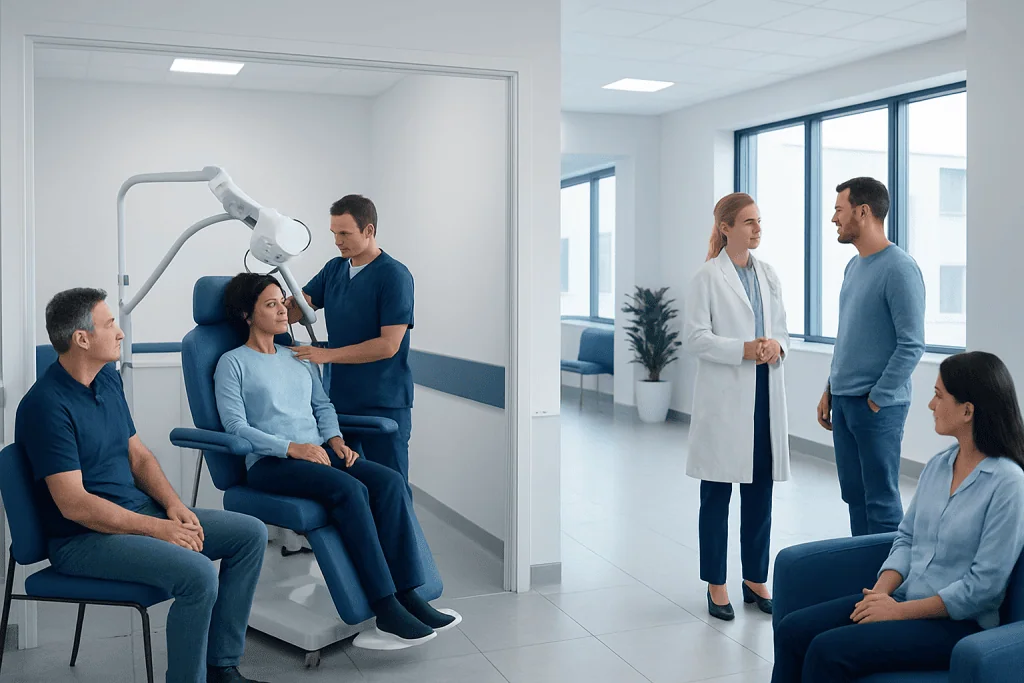
Neuromodulation is a broad term for treatments that change nerve activity using electrical, magnetic, or chemical methods. TMS, or transcranial magnetic stimulation, is one type of noninvasive neuromodulation focused on the brain.
Key Takeaways
- Neuromodulation is a broad term for treatments that change nerve activity using electrical, magnetic, or chemical methods.
- TMS, or transcranial magnetic stimulation, is one type of noninvasive neuromodulation focused on the brain.
- Not all neuromodulation therapies are used for the same condition, and they vary in how they are delivered.
- TMS is commonly used in selected mental health and neurological care pathways, especially when standard treatments have not helped enough.
- A specialist evaluation helps determine whether TMS or another neuromodulation approach is appropriate.
TMS and neuromodulation are closely related, but they are not identical terms. TMS is a specific noninvasive treatment within the broader field of neuromodulation, which includes several ways of changing nerve activity in the brain, spinal cord, or peripheral nerves.
Overview: How TMS Fits Into Neuromodulation
People often ask whether TMS and neuromodulation mean the same thing. The short answer is no. Neuromodulation is the umbrella term, while TMS is one specific technique within that larger group. In other words, all TMS is neuromodulation, but not all neuromodulation is TMS.
Neuromodulation refers to treatments that change how nerves send signals. Depending on the method, this may involve magnetic fields, electrical stimulation, or medicines delivered to act on targeted nerves. These therapies are used in different parts of the body, including the brain, spinal cord, and peripheral nerves, and they may help with conditions such as depression, chronic pain, movement disorders, epilepsy, or bladder dysfunction.
TMS stands for transcranial magnetic stimulation. It is a noninvasive procedure that uses magnetic pulses applied through the scalp to influence activity in specific brain regions. Because it does not require surgery or implanted hardware, it is different from some other neuromodulation approaches that involve devices placed inside the body.
Understanding this distinction can make treatment discussions clearer. When a doctor mentions neuromodulation, they may be referring to a whole range of therapies, including TMS, deep brain stimulation, vagus nerve stimulation, spinal cord stimulation, and other techniques chosen for a person’s symptoms and diagnosis.
What TMS Is and How It Works
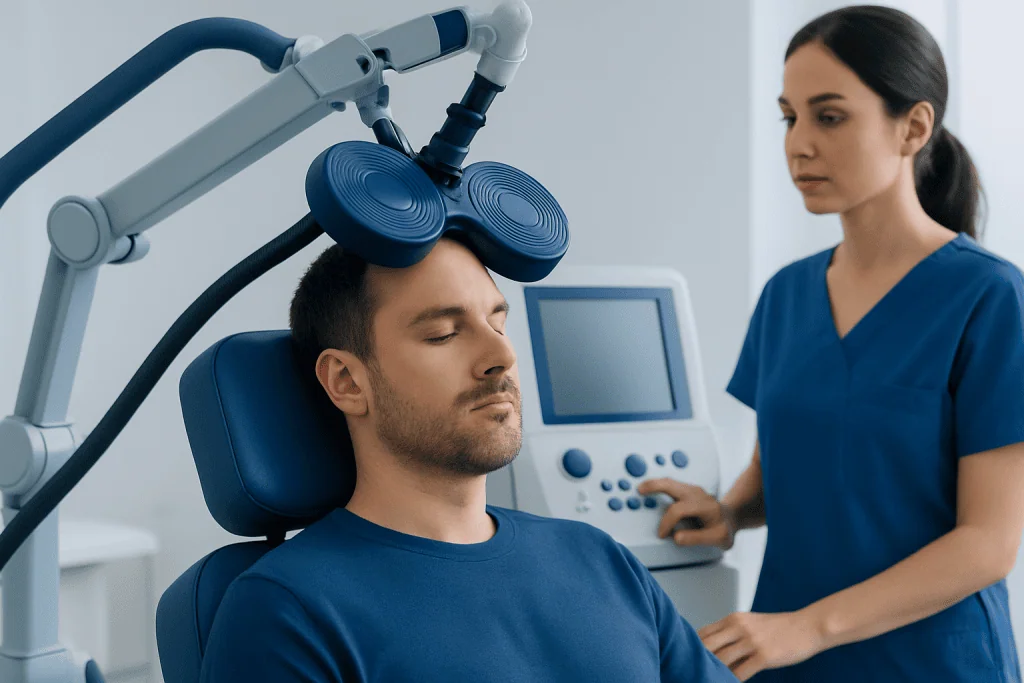
TMS uses a magnetic coil placed near the head to create brief magnetic pulses. These pulses pass through the skull and stimulate nerve cells in targeted areas of the brain. The treatment is designed to adjust brain network activity rather than to cause pain or loss of consciousness, so it is very different from surgery and also different from electroconvulsive therapy.
In clinical practice, TMS is most widely known for its use in selected patients with depression, particularly when symptoms have not improved enough with standard approaches such as medication or psychotherapy. It may also be considered in other neurological or psychiatric settings, depending on local expertise, the specific device used, and the evidence for that condition.
TMS is usually given as a series of outpatient sessions over several weeks. During treatment, the person remains awake and can usually return to normal daily activities afterward. A clinician first identifies the treatment target and sets the stimulation level based on the individual’s response and tolerance.
Because TMS is one form of noninvasive brain stimulation, it is often discussed alongside related approaches. However, its mechanism, treatment schedule, and approved uses may differ from other methods, so it is best understood as one tool within the broader neuromodulation field.
Other Types of Neuromodulation
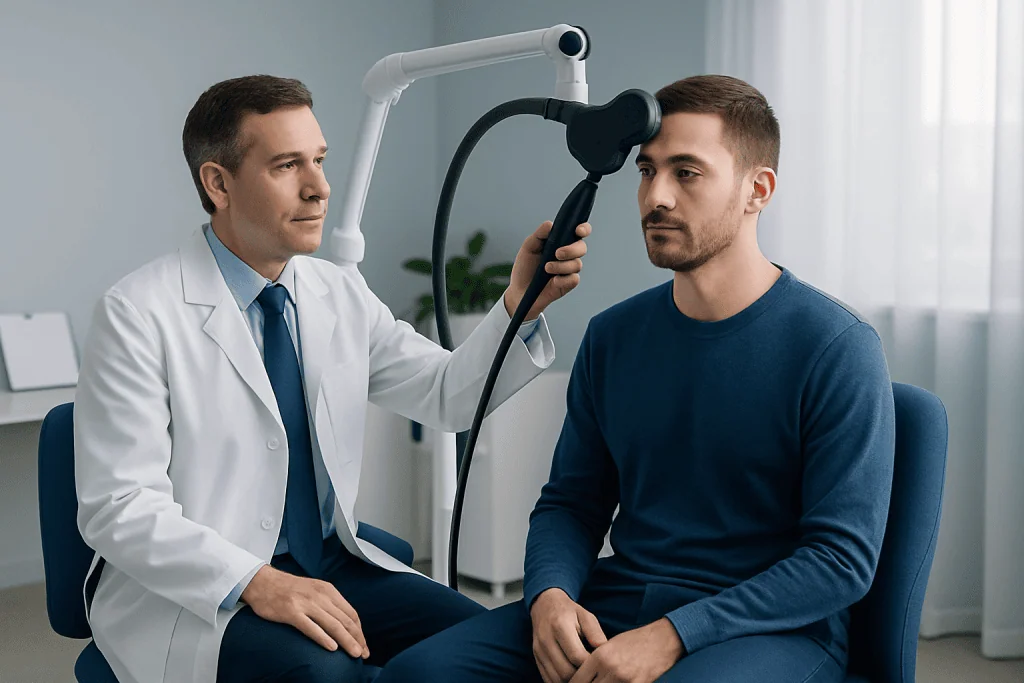
Neuromodulation includes many therapies besides TMS. Some are noninvasive, while others involve a procedure to place a device or electrodes inside the body. The choice depends on the medical condition, symptom pattern, treatment goals, and the person’s overall health.
Examples of neuromodulation include:
- Deep brain stimulation (DBS): electrodes are surgically placed in specific brain areas to help manage certain movement disorders and other selected conditions.
- Vagus nerve stimulation (VNS): a device stimulates the vagus nerve, most often for selected cases of epilepsy or depression.
- Spinal cord stimulation (SCS): electrical impulses are delivered near the spinal cord to help some types of chronic pain.
- Sacral nerve stimulation: used for selected bladder or bowel control problems.
- Transcranial direct current stimulation (tDCS): a noninvasive technique that uses low electrical currents on the scalp.
These treatments may sound similar because they all aim to influence nerve signaling, but they differ greatly in their targets, intensity, risks, and expected benefits. For example, TMS treats the brain from outside the body, whereas DBS requires neurosurgery and long-term implanted hardware.
This is why it helps to think of neuromodulation as a category rather than a single therapy. A person exploring options for depression may hear about TMS, while someone with Parkinson’s disease may be assessed for deep brain stimulation. Both are neuromodulation, but they are not interchangeable.
When TMS May Be Considered
TMS is not a first-choice treatment for every person or every condition. It is usually considered after a careful evaluation by a psychiatrist, neurologist, or another trained specialist. The doctor reviews the diagnosis, symptom severity, previous treatments, current medicines, and any factors that may affect safety.
One of the most common reasons to consider TMS is depression that has not improved enough with standard care. In some centers, TMS may also be discussed for selected people with conditions such as obsessive-compulsive disorder, migraine, smoking cessation support, or certain neurological symptoms, depending on the evidence and regulatory approvals in that country.
TMS may be appealing to some patients because it is noninvasive and does not usually require sedation or hospitalization. It can be an option for people who want to avoid surgery or who are looking for another approach after medication side effects or limited benefit. Still, suitability varies from person to person.
People with implanted metallic or electronic devices in or near the head, a history of seizures, or certain neurological conditions may need additional assessment before TMS. A specialist can explain the benefits, limitations, and alternatives, including whether another approach in the neuromodulation family may fit better.
Benefits, Limitations, and Safety
The main benefit of TMS is that it offers a targeted, noninvasive way to influence brain circuits. For appropriate patients, it may reduce symptoms and improve daily functioning without the systemic side effects that some medicines can cause. Because treatment is done while the person is awake, it can often fit into normal routines.
At the same time, TMS has limitations. It does not help everyone, improvement may take time, and a full course usually requires repeated sessions. Some people may need maintenance treatment later, while others may respond better to medication, psychotherapy, or a different neuromodulation approach.
Common side effects are usually mild and may include scalp discomfort, headache, facial muscle twitching during treatment, or temporary lightheadedness. A rare but important risk is seizure, which is why screening and proper treatment protocols matter. The treating team also reviews hearing protection and other practical safety measures.
For implanted neuromodulation therapies, the benefit-risk balance is different. Surgical options may offer important relief for carefully selected patients, but they involve procedural risks, device checks, and ongoing follow-up. This difference is another reason TMS should not be used as a synonym for all neuromodulation.
How Doctors Choose Between TMS and Other Neuromodulation Options
The best treatment depends on the condition being treated. For example, TMS may be considered in selected mood disorders, while DBS may be used for certain movement disorders such as Parkinson’s disease. Spinal cord stimulation is usually discussed in pain management rather than depression care. Each therapy targets different neural circuits and is supported by different clinical evidence.
Doctors also consider how invasive the treatment is. If a noninvasive option is appropriate, TMS may be explored before a surgical therapy. In other situations, an implanted device may be more suitable because it provides continuous stimulation over a longer period or reaches a target that external stimulation cannot affect as effectively.
Other factors include age, coexisting medical conditions, previous treatments, lifestyle, and personal preferences. Someone who can attend regular outpatient visits may find TMS practical, while another person may need a different strategy due to travel limits, symptom type, or the likelihood of benefit.
Decision-making is often multidisciplinary. A neurologist, psychiatrist, neurosurgeon, pain specialist, psychologist, or rehabilitation clinician may all be involved, depending on the diagnosis. In experienced centers, treatments such as neurology rehabilitation and medical therapy may also be combined with neuromodulation when that offers the most balanced plan.
What to Expect From Evaluation and Treatment
Before TMS begins, the care team usually confirms the diagnosis, reviews previous treatment history, and checks for factors that could affect safety or response. The person may be asked about implants, seizure history, pregnancy, hearing problems, and medicines that influence the nervous system. This helps the team decide whether TMS is appropriate and how treatment should be planned.
If TMS is recommended, the first session often includes measuring the stimulation threshold and identifying the treatment area. The person sits in a chair while the coil is positioned against the scalp. Sessions are usually brief, and many people describe the sensation as tapping on the scalp. There is typically no need for anesthesia.
Follow-up is important throughout the course of treatment. The team monitors symptom changes, comfort, side effects, and whether the treatment settings need adjustment. If there is limited improvement, the doctor may reconsider the diagnosis, review medication or therapy options, or discuss another neuromodulation pathway.
Patients seeking care internationally may benefit from centers that coordinate multiple specialties. Near the end of the care pathway, some people also need support for related conditions, such as depression, anxiety, movement symptoms, or chronic pain. Acibadem International’s multidisciplinary specialists and JCI-accredited hospitals evaluate and treat neuromodulation-related conditions for international patients when this type of care is needed.
When to Speak With a Doctor
It is sensible to speak with a doctor if symptoms such as low mood, loss of interest, chronic pain, disabling tremor, seizures, or other neurological symptoms are affecting daily life. A professional assessment can clarify the diagnosis and identify whether standard treatment, TMS, or another neuromodulation option may be appropriate.
Medical advice is especially important if symptoms are not improving, are getting worse, or are causing trouble with work, school, sleep, relationships, or safety. In mental health care, urgent support should be sought right away for suicidal thoughts, self-harm risk, or severe changes in behavior. Emergency symptoms such as sudden weakness, speech changes, or loss of consciousness also need immediate medical attention.
People should not assume that a therapy that helps one condition will help another. Because neuromodulation includes very different treatments, a personalized review is the safest way to understand choices, expected results, and possible risks.
As a simple rule, TMS is one member of the neuromodulation family. Knowing that difference can help patients ask more informed questions and work with their doctor to choose care that matches their diagnosis, goals, and overall health.
Frequently asked questions
Are TMS and neuromodulation the same thing?
No. Neuromodulation is the broad category of treatments that change nerve activity, while TMS is one specific type of neuromodulation. TMS uses magnetic pulses outside the head to influence targeted brain areas.
Is TMS invasive?
TMS is considered noninvasive because it does not require surgery, implants, or anesthesia. The treatment is delivered from outside the scalp using a magnetic coil. This makes it different from implanted neuromodulation therapies such as deep brain stimulation.
What conditions can neuromodulation treat?
Neuromodulation may be used for a wide range of conditions, depending on the method. These include selected cases of depression, chronic pain, epilepsy, movement disorders, and bladder or bowel dysfunction. The right therapy depends on the diagnosis and the clinical evidence for that condition.
Does TMS work the same way as deep brain stimulation?
No. TMS uses magnetic stimulation from outside the body, while deep brain stimulation uses surgically implanted electrodes connected to a device. Both aim to influence nerve circuits, but they differ in invasiveness, target precision, risks, and typical uses.
How do doctors decide whether TMS is appropriate?
Doctors consider the person’s diagnosis, symptom severity, treatment history, medicines, medical conditions, and safety factors such as seizure risk or certain implants. They also look at the evidence for TMS in that specific condition. A specialist discussion helps compare TMS with medication, therapy, or other neuromodulation options.
What are the common side effects of TMS?
Common side effects are usually mild and may include headache, scalp discomfort, or brief twitching of facial muscles during treatment. Many people tolerate sessions well and resume normal activities afterward. Serious side effects are uncommon, but a doctor should review individual risks before treatment.
References
- National Institute of Mental Health
- National Institute for Health and Care Excellence
- American Psychiatric Association
- International Neuromodulation Society
- Mayo Clinic
This article is for general information only and is not a substitute for professional medical advice. Please consult a qualified doctor about your individual situation.
Neuromodulation in Turkey — costs, top hospitals & a free quote
JCI-accredited · board-certified surgeons · reply within 24h
Add us as a Preferred Source to see more of our trusted health content across Google Search, AI Overviews and Discover.