Sleep Apnea or a Breathing Disorder? How Doctors Tell the Difference

Sleep apnea is a common sleep-related breathing disorder, but other conditions can also cause breathing problems, snoring, or poor sleep. Doctors distinguish these conditions by identifying when breathing changes happen, what symptoms accompany them, and whether the issue starts in the airway, lungs, brain, or chest wall.
Key Takeaways
- Sleep apnea is a common sleep-related breathing disorder, but other conditions can also cause breathing problems, snoring, or poor sleep.
- Doctors distinguish these conditions by identifying when breathing changes happen, what symptoms accompany them, and whether the issue starts in the airway, lungs, brain, or chest wall.
- A sleep study is often central to diagnosis, but some people also need lung function tests, heart evaluation, blood tests, or imaging.
- Obstructive sleep apnea and central sleep apnea have different causes and may require different treatments.
- Accurate diagnosis matters because treatment can improve sleep quality, daytime alertness, and long-term health.
Sleep apnea is one type of breathing disorder, but not every breathing problem during sleep is sleep apnea. Doctors tell the difference by looking at symptoms, medical history, physical examination, and targeted tests such as sleep studies, breathing tests, and imaging when needed.
Overview: what doctors mean by sleep apnea and breathing disorders
Sleep apnea is a condition in which breathing repeatedly stops or becomes very shallow during sleep. The two main types are obstructive sleep apnea, caused by blockage or collapse of the upper airway, and central sleep apnea, in which the brain does not consistently send the right signals to the breathing muscles. Because these pauses can happen many times in one night, they may reduce sleep quality and lower oxygen levels.
The term “breathing disorder” is broader. It can include sleep-related breathing problems such as sleep apnea, but also other conditions that affect breathing while awake, during exercise, or throughout the day and night. Examples include asthma, chronic obstructive pulmonary disease, obesity hypoventilation syndrome, certain neuromuscular conditions, structural airway problems, and some heart or neurological disorders.
This is why symptoms alone do not always give a clear answer. Loud snoring, poor sleep, morning headaches, and daytime tiredness can point to sleep apnea, but they may also overlap with other medical problems. Doctors usually make the distinction by combining a careful history with testing that shows exactly how breathing changes during sleep and whether other organs are involved.
Symptoms that may overlap — and clues that help separate them
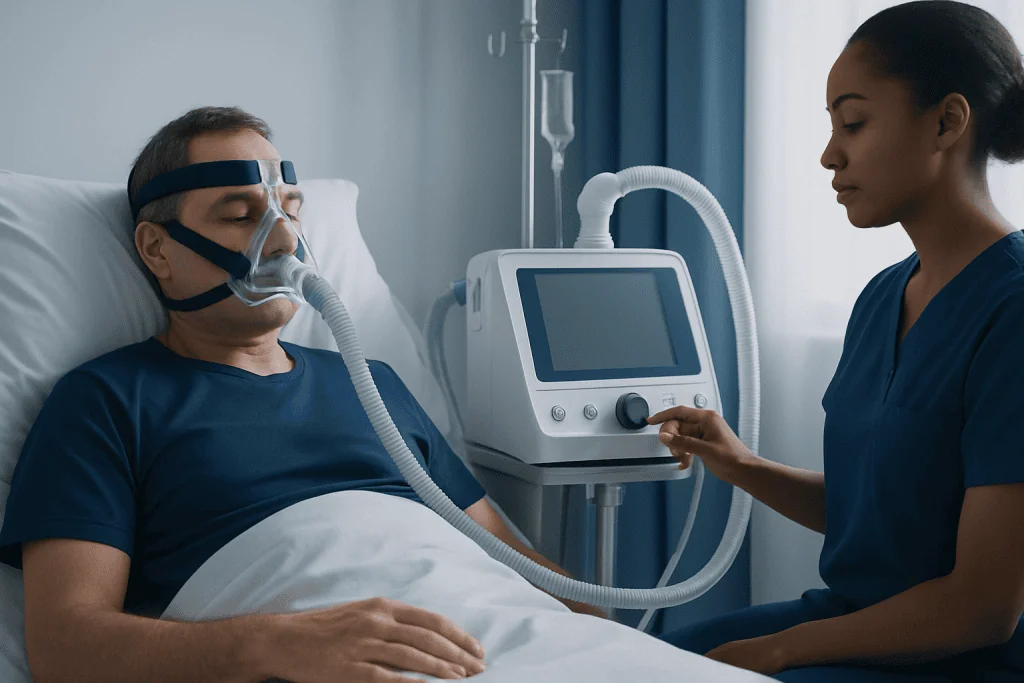
People with sleep apnea often have loud snoring, witnessed pauses in breathing, restless sleep, waking up gasping, dry mouth in the morning, headaches on waking, daytime sleepiness, trouble concentrating, and irritability. Bed partners may notice choking sounds or long quiet pauses followed by a snort or gasp. However, not everyone with sleep apnea snores, and not everyone who snores has sleep apnea.
Other breathing disorders can cause similar complaints, but there are clues that help doctors sort them out. Wheezing, chest tightness, frequent cough, or shortness of breath during the day may suggest asthma or another lung condition rather than isolated sleep apnea. Breathlessness that becomes worse when lying flat, leg swelling, or waking up suddenly very short of breath may lead doctors to also consider heart-related causes.
The timing and pattern of symptoms also matter. Obstructive sleep apnea often becomes more noticeable during sleep, especially when lying on the back. Central breathing problems may be linked to heart failure, certain medications, high altitude, or neurological disease. If symptoms occur both day and night, or if weakness, swallowing difficulty, or chronic fatigue are present, the doctor may broaden the evaluation beyond sleep apnea alone.
- Loud habitual snoring favors obstructive sleep apnea but is not diagnostic.
- Daytime wheeze or cough can point toward lung disease.
- Sudden awakenings with gasping can happen in sleep apnea, reflux, asthma, or panic episodes.
- Morning headaches may occur with sleep apnea or low overnight ventilation.
- Excessive daytime sleepiness has many possible causes, including poor sleep, medications, and other sleep disorders.
Common conditions doctors compare with sleep apnea

When doctors evaluate suspected sleep apnea, they often consider several related or look-alike conditions. Obstructive sleep apnea is usually caused by narrowing of the throat during sleep, especially in people with excess weight, enlarged tonsils, nasal blockage, or certain jaw and facial structures. Central sleep apnea is different because the airway may stay open, but breathing effort becomes irregular. In some people, both forms can occur together.
Other sleep-related breathing disorders include upper airway resistance syndrome, in which the airway narrows enough to disturb sleep without meeting full criteria for apnea, and obesity hypoventilation syndrome, in which breathing is too shallow, leading to high carbon dioxide levels. Doctors may also consider sleep apnea alongside chronic lung diseases, structural ENT problems, and neuromuscular disorders that weaken the breathing muscles.
Snoring itself is another important comparison. Simple snoring can be loud and disruptive but does not always cause the repeated oxygen drops or sleep fragmentation seen in apnea. Doctors may also look for problems such as enlarged tonsils, nasal obstruction, or deviated septum, especially if there is mouth breathing, chronic congestion, or a sense that airflow is blocked even while awake.
How doctors evaluate the cause
The first step is a detailed medical history. Doctors usually ask about snoring, witnessed breathing pauses, choking or gasping, sleep position, alcohol or sedative use, weight changes, work schedule, and family history. They also ask about daytime symptoms such as sleepiness, fatigue, concentration problems, morning headaches, mood changes, and driving safety. A review of heart, lung, neurological, and endocrine health is important because these systems can affect breathing.
The physical examination looks for signs that can narrow the diagnosis. The doctor may examine the nose, mouth, jaw, tongue, tonsils, neck size, and airway shape. Blood pressure, body weight, oxygen levels, heart and lung sounds, and signs of fluid retention may also provide useful clues. In some cases, a neurological examination helps identify weakness or nerve-related causes of breathing problems.
Validated questionnaires may be used to estimate the likelihood of obstructive sleep apnea, but they do not replace testing. If symptoms suggest an airway problem, ENT assessment may be helpful. If daytime breathlessness, wheeze, or chronic cough is prominent, pulmonary testing may be added. This step-by-step approach helps avoid treating the wrong problem or overlooking conditions that can occur together.
Tests that help tell the difference
A sleep study is often the most important test when sleep apnea is suspected. This may be done at home in selected patients or in a sleep laboratory when a more detailed evaluation is needed. A sleep study records breathing, oxygen levels, airflow, heart rate, and body position. In a full laboratory study, it can also measure brain waves, eye movements, muscle activity, and sleep stages, which helps doctors identify whether breathing disruptions are obstructive, central, or part of another sleep disorder.
Additional tests may be needed depending on the person’s symptoms and medical history. Lung function tests can look for asthma, chronic obstructive pulmonary disease, or restriction from chest wall or neuromuscular problems. Blood tests may assess thyroid problems, anemia, or signs of low ventilation such as elevated carbon dioxide in certain settings. Imaging, cardiac testing, or ENT evaluation may be recommended if there are signs of structural blockage, heart disease, or another underlying condition.
Doctors do not rely on a single sign in isolation. For example, oxygen drops during sleep can occur in sleep apnea, but they may also appear in lung disease or hypoventilation syndromes. The diagnosis depends on the overall pattern: whether airflow stops despite chest effort, whether breathing effort also pauses, how often events happen, and how these changes relate to symptoms and sleep quality.
When treatment planning requires more specialized evaluation, physicians may recommend a formal sleep study or airway-focused assessment through an ENT examination. In selected cases with daytime respiratory symptoms, a respiratory specialist may also request pulmonary function testing to clarify whether the main problem is in the lungs rather than the upper airway.
Treatment depends on the diagnosis
Because not all breathing disorders are the same, treatment is tailored to the cause. Obstructive sleep apnea is commonly treated with positive airway pressure therapy, which helps keep the airway open during sleep. Some people benefit from weight management, positional therapy, treatment of nasal blockage, oral appliances, or surgery when anatomy plays a major role. Central sleep apnea is managed differently and may involve addressing heart or neurological conditions, reviewing medications, or using specialized breathing support when appropriate.
If testing shows another disorder, the treatment plan changes. Asthma may require inhaled therapy and trigger control. Obesity hypoventilation syndrome often needs weight-focused care and ventilatory support. Structural airway problems may be addressed with ENT treatments. When enlarged tonsils, severe nasal obstruction, or other anatomic causes are identified, doctors may discuss procedures such as sleep apnea surgery if conservative measures are not enough.
It is also possible to have more than one issue at the same time. For example, a person may have obstructive sleep apnea together with chronic nasal obstruction or lung disease. That is why accurate diagnosis matters: it allows doctors to treat the whole problem rather than just one symptom, which can improve sleep, energy, and overall well-being.
Self-care, prevention, and lifestyle steps
Healthy habits can reduce symptoms and support medical treatment, although they do not replace a professional evaluation when apnea or another breathing disorder is suspected. Reaching and maintaining a healthy weight can reduce pressure on the airway in many people. Avoiding alcohol close to bedtime and being cautious with sedative medications may also help, because these can relax the airway and worsen breathing instability during sleep.
Sleep position can make a difference, especially in positional obstructive sleep apnea, which may be worse when lying on the back. Keeping the nose as clear as possible, following treatment for allergies, and managing reflux when present may improve comfort and sleep quality. Good sleep habits, including regular sleep times and enough sleep duration, can also reduce daytime tiredness that may otherwise be blamed only on apnea.
People with chronic lung, heart, or neurological conditions should follow their regular treatment plan closely, because control of the underlying disease often improves breathing at night as well. Smoking cessation is especially important for overall airway and lung health. For international patients seeking coordinated evaluation, Acibadem International’s multidisciplinary specialists in JCI-accredited hospitals diagnose and treat sleep-related breathing disorders and related airway or respiratory conditions.
When to see a doctor
A medical assessment is a good idea if a person snores loudly most nights, stops breathing during sleep, wakes up choking or gasping, or feels excessively sleepy during the day. Persistent morning headaches, poor concentration, unexplained fatigue, and sleep that never feels refreshing are also reasons to seek advice. Children should be evaluated if they snore regularly, breathe through the mouth, have restless sleep, or show daytime behavioral or attention problems.
Prompt medical attention is especially important when nighttime breathing symptoms occur along with chest pain, fainting, severe shortness of breath, bluish lips, or signs of significant low oxygen. People with heart disease, stroke history, neuromuscular disease, or use of opioid medications may need a broader evaluation because central or complex breathing disorders can be more likely in these settings.
Early diagnosis can make a meaningful difference. Identifying whether the problem is obstructive sleep apnea, central sleep apnea, hypoventilation, lung disease, or another condition helps guide safe and effective treatment. A qualified sleep specialist, pulmonologist, neurologist, ENT doctor, or multidisciplinary team can decide which tests are needed and what treatment is most appropriate.
Frequently asked questions
Is sleep apnea the same as a breathing disorder?
No. Sleep apnea is one type of breathing disorder, specifically a sleep-related breathing disorder. The broader term includes many other conditions that affect breathing, such as asthma, chronic lung disease, hypoventilation syndromes, and certain neurological or structural airway problems.
Can someone have sleep apnea without snoring?
Yes. Snoring is common in obstructive sleep apnea, but not everyone with sleep apnea snores loudly or consistently. Central sleep apnea may be less strongly associated with snoring, so doctors look at the whole symptom pattern and test results rather than snoring alone.
What test best confirms sleep apnea?
A sleep study is the main test used to confirm sleep apnea. It measures breathing, airflow, oxygen levels, and other sleep-related signals to show whether breathing pauses are happening and what type they are.
How do doctors know if the problem is in the lungs instead of the airway?
Doctors combine symptom history, physical examination, and targeted testing. Daytime wheeze, cough, or breathlessness may suggest a lung problem, and tests such as pulmonary function testing can help separate lung disease from upper airway collapse during sleep.
Can anxiety or panic feel like a breathing disorder at night?
Yes, nighttime anxiety or panic can cause sudden awakening with a sense of breathlessness or chest discomfort. Because these symptoms can overlap with reflux, asthma, or sleep apnea, a doctor may need to assess the timing, triggers, and any associated findings before making a diagnosis.
If a home sleep test is normal, does that rule out all breathing disorders?
No. A home sleep test can be useful for some people, especially when obstructive sleep apnea is strongly suspected, but it does not evaluate every possible sleep or breathing disorder. If symptoms remain unexplained, a more detailed in-lab sleep study or other respiratory tests may be needed.
References
- American Academy of Sleep Medicine
- National Heart, Lung, and Blood Institute
- American Thoracic Society
- National Institute of Neurological Disorders and Stroke
- World Health Organization
This article is for general information only and is not a substitute for professional medical advice. Please consult a qualified doctor about your individual situation.
Sleep Apnea in Turkey — costs, top hospitals & a free quote
JCI-accredited · board-certified surgeons · reply within 24h
Add us as a Preferred Source to see more of our trusted health content across Google Search, AI Overviews and Discover.

Otorhinolaryngology (ENT)
Care for ear, nose, throat and head-and-neck conditions, including hearing and balance disorders.
126 specialists in this unit