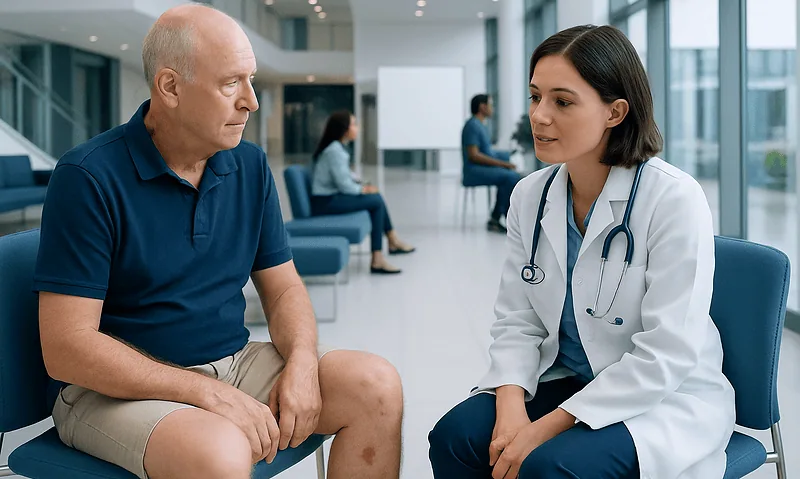
Are Neurodegenerative Diseases Always Progressive and Irreversible?

Many neurodegenerative diseases are progressive, but the rate and pattern of change can differ widely. Most true neurodegenerative conditions cannot currently be cured, yet treatment may help manage symptoms and maintain quality of life.
Key Takeaways
- Many neurodegenerative diseases are progressive, but the rate and pattern of change can differ widely.
- Most true neurodegenerative conditions cannot currently be cured, yet treatment may help manage symptoms and maintain quality of life.
- Some conditions that look like neurodegeneration may have reversible or partly treatable causes.
- Early diagnosis helps rule out mimicking disorders and supports better planning and care.
- Rehabilitation, lifestyle measures, and ongoing follow-up can play an important role alongside medical treatment.
Neurodegenerative diseases are usually long-term conditions that tend to worsen over time, but they are not all identical in how they progress. In some cases, symptoms can be slowed, stabilized for periods, or partly improved by treating related factors and providing supportive care.
Overview
Neurodegenerative diseases are disorders in which nerve cells in the brain, spinal cord, or peripheral nervous system gradually become damaged or lost. This can affect movement, memory, speech, behavior, balance, swallowing, or other important functions. Common examples include Alzheimer’s disease, Parkinson’s disease, Huntington’s disease, amyotrophic lateral sclerosis (ALS), and some forms of frontotemporal dementia.
These conditions are often described as progressive because symptoms tend to develop gradually and worsen over time. However, progression is not always simple or predictable. Some people experience slow changes over many years, while others decline more quickly. Symptoms may also fluctuate from day to day depending on sleep, stress, medications, infections, and overall health.
The word irreversible is also more nuanced than it first appears. In many established neurodegenerative diseases, the underlying loss of nerve cells cannot currently be fully reversed. Even so, that does not mean nothing can be done. Early treatment, rehabilitation, symptom management, and support for nutrition, mood, sleep, and mobility can make a meaningful difference in daily life.
Are They Always Progressive and Irreversible?
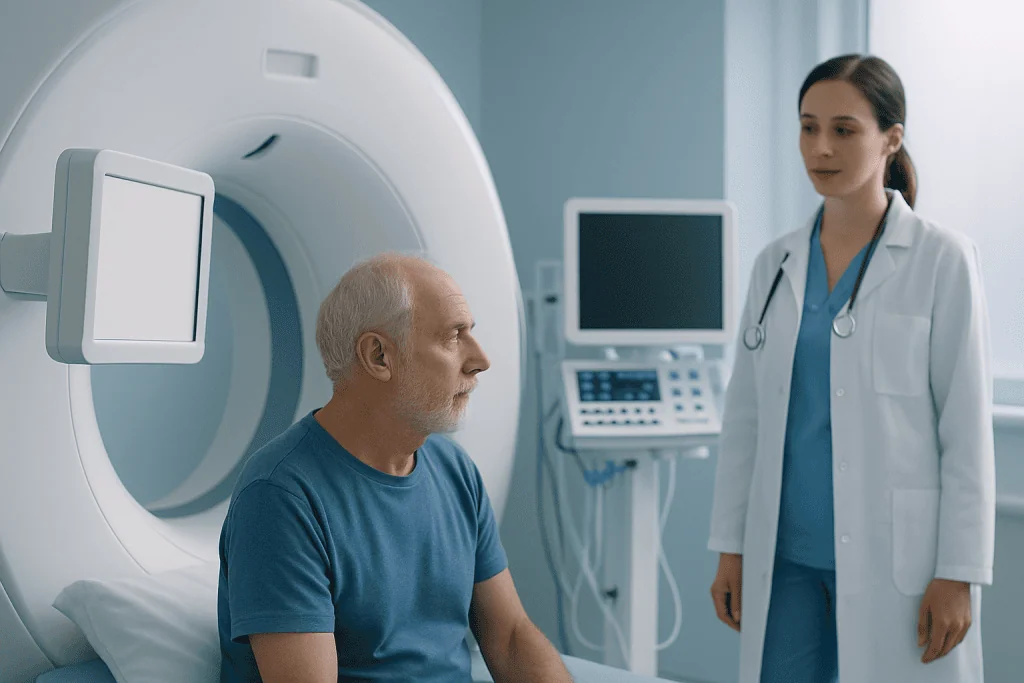
In general, true neurodegenerative diseases are considered chronic conditions with a tendency to progress. That said, they are not always steadily downhill. Some people have long plateaus, mild symptoms for extended periods, or changes that worsen in steps rather than in a smooth pattern. The pace can depend on the exact diagnosis, age, genetics, general health, and access to care.
It is also important to separate neurodegeneration from conditions that may mimic it. Memory loss, tremor, balance problems, weakness, or slower thinking can sometimes result from medication side effects, vitamin deficiencies, thyroid disease, autoimmune disorders, <a href="https://acibademinternational.com/diseases/normal-pressure-hydrocephalus/”>normal pressure hydrocephalus, stroke-related changes, depression, sleep disorders, or infections. Some of these causes are partly or fully treatable, which is why a careful assessment matters.
Even when a condition is not curable, parts of the clinical picture may still improve. For example, stiffness, tremor, mood symptoms, sleep problems, or swallowing difficulties may respond to treatment. Cognitive symptoms may worsen less quickly when contributing factors are addressed. A person may not regain lost nerve cells, but they may function better because the brain and body are being supported more effectively.
Research is also changing the outlook for some diseases. New therapies in selected conditions aim to modify disease activity rather than only relieve symptoms. This does not mean every neurodegenerative disease can be reversed, but it does show that progression is not always fixed and untreatable in the same way across all disorders.
Symptoms and How Progression Can Vary

Symptoms depend on which parts of the nervous system are affected. Problems with memory and thinking may be more prominent in dementia-related diseases, while tremor, slowness, and stiffness are more typical of movement disorders. Other people may notice muscle weakness, speech changes, balance problems, involuntary movements, or changes in mood and behavior.
Progression can vary greatly from person to person. In some diseases, early symptoms are subtle and may be mistaken for normal aging or stress. In others, change is more noticeable over months rather than years. A person may have periods of relative stability followed by more rapid decline after illness, surgery, falls, dehydration, or poor sleep.
Examples of symptoms that may occur include:
- Memory loss or confusion
- Difficulty concentrating or planning
- Tremor, slowness, stiffness, or changes in walking
- Muscle weakness or cramps
- Problems with speech or swallowing
- Changes in mood, personality, or behavior
- Poor balance or frequent falls
- Sleep disturbance and daytime fatigue
Because different disorders can overlap, symptom patterns are not always straightforward. For instance, a person with Parkinson’s disease may later develop cognitive changes, while someone with a dementia syndrome may first present with language or behavior changes rather than memory problems. This is one reason diagnosis often involves several steps rather than a single test.
Causes, Risk Factors, and Conditions That Can Mimic Neurodegeneration
Neurodegeneration can arise from a combination of aging, genetic influences, abnormal protein buildup, inflammation, mitochondrial dysfunction, and other cellular stresses. In many disorders, proteins fold abnormally and accumulate in nerve cells or surrounding tissue, interfering with communication between cells and eventually contributing to cell death. The exact mechanism differs between diseases.
Risk factors also vary. Some neurodegenerative diseases are strongly linked to age, while others have a clearer inherited component. Family history can be relevant in conditions such as Huntington’s disease and in some familial forms of Parkinson’s disease, dementia, or motor neuron disease. Vascular risk factors, sleep problems, repeated head trauma, and other health issues may also influence brain health, though they do not explain every case.
Doctors must also consider other disorders that can resemble neurodegeneration. These may include vitamin B12 deficiency, thyroid disease, medication effects, autoimmune encephalitis, chronic subdural hematoma, normal pressure hydrocephalus, heavy alcohol use, depression, and certain infections. Some structural brain conditions may need specialist evaluation, and in carefully selected cases, advanced imaging or procedures may help clarify the cause.
When symptoms involve memory decline or movement changes, clinicians often think broadly before labeling the problem as a degenerative disease. This can include assessment for Alzheimer's disease or Parkinson's disease, while also checking for reversible contributors that may worsen daily function.
How Diagnosis Is Made
Diagnosis usually begins with a detailed medical history and neurological examination. The doctor will ask when symptoms started, how they have changed, whether there are fluctuations, and whether there is a family history of similar problems. They will also review medications, sleep, mood, alcohol use, and other medical conditions that may affect thinking or movement.
Tests are chosen based on the person’s symptoms. Blood tests may help identify treatable contributors such as vitamin deficiency, infection, metabolic problems, or thyroid disorders. Brain imaging may be used to look for stroke, bleeding, hydrocephalus, atrophy patterns, or other structural causes. Depending on the case, clinicians may use MRI or other neuroimaging tools to support diagnosis.
Cognitive testing can help evaluate memory, language, attention, and executive function. For movement disorders, specialists may assess gait, tremor, rigidity, balance, eye movements, and coordination. In selected situations, additional studies such as nerve conduction tests, lumbar puncture, or genetic counseling may be recommended.
No single test confirms every neurodegenerative disease. Diagnosis often depends on recognizing a characteristic pattern and excluding other causes. For complex cases, multidisciplinary evaluation can be especially helpful. This may include neurology, neuroradiology, neuropsychology, rehabilitation, speech therapy, and nutrition support.
Treatment Options and What They Can Achieve
Treatment depends on the diagnosis, symptoms, and stage of disease. For most neurodegenerative diseases, care focuses on slowing progression when possible, managing symptoms, preserving function, and supporting independence and quality of life. Even when the underlying disease cannot be reversed, treatment can still make everyday activities safer and more manageable.
Medication may help with tremor, stiffness, memory symptoms, mood changes, sleep disorders, pain, drooling, constipation, or spasticity. Some people may benefit from disease-modifying therapies in selected conditions, while others mainly need symptom-directed care. Treatment plans are usually individualized and reviewed over time because symptoms can change.
Non-drug therapies are often just as important. Physical therapy can support balance, strength, mobility, and fall prevention. Occupational therapy can help adapt daily tasks and the home environment. Speech and language therapy may improve communication and swallowing. Nutritional support can be important if appetite, chewing, or swallowing become difficult. In certain patients with movement disorders, advanced options such as deep brain stimulation may be considered by specialists.
Some people also benefit from coordinated care in specialized centers, especially if symptoms are complex or evolving. Near the end of the care pathway, it may be helpful for international patients to know that Acibadem International’s multidisciplinary specialists and JCI-accredited hospitals diagnose and treat neurodegenerative conditions, including rehabilitation and advanced neurological evaluation. When needed, doctors may also consider options such as neurological rehabilitation as part of a long-term care plan.
Prevention, Brain Health, and Self-care
Not all neurodegenerative diseases can be prevented, especially when strong genetic or age-related factors are involved. However, supporting overall brain and vascular health is still worthwhile. Healthy habits may reduce the burden of some risk factors, improve resilience, and help people function better even after diagnosis.
General self-care measures include regular physical activity suited to the person’s ability, a balanced diet, good sleep habits, social engagement, and management of blood pressure, cholesterol, and diabetes. Avoiding smoking, limiting alcohol, and protecting the head from injury are also sensible steps. For people already diagnosed, consistent routines can help with memory, mood, and safety.
Helpful strategies may include:
- Keeping follow-up appointments and reviewing medicines regularly
- Using reminders, calendars, pill organizers, and simple daily routines
- Removing fall hazards at home and improving lighting
- Staying physically active with guidance from a clinician or therapist
- Seeking support for depression, anxiety, or caregiver stress
- Discussing driving, work, and future planning early when appropriate
Caregiver education is also important. Family members often notice changes before the person does, and they may need guidance about communication, behavior changes, feeding concerns, and safety. A practical support plan can reduce stress for everyone involved.
When to See a Doctor
A person should see a doctor if they notice persistent memory loss, confusion, tremor, slowing, falls, weakness, speech problems, or changes in mood or behavior that are new, worsening, or interfering with daily life. Early assessment is valuable because symptoms may have more than one cause, and some contributors are treatable. It also allows people and families to plan ahead and access support sooner.
Urgent medical attention is especially important if symptoms come on suddenly or worsen rapidly. Sudden weakness, facial drooping, severe confusion, loss of consciousness, new seizures, severe headache, or abrupt trouble speaking may suggest an emergency rather than a gradual neurodegenerative process. In these situations, immediate evaluation is essential.
Regular follow-up matters after diagnosis as well. Treatment needs may change over time, and symptoms such as swallowing difficulty, weight loss, falls, hallucinations, sleep disturbance, or caregiver burnout should be discussed promptly. Ongoing care can help address complications early and maintain the best possible quality of life.
Frequently asked questions
Are all neurodegenerative diseases progressive?
Most true neurodegenerative diseases tend to progress over time, but the pace and pattern can differ greatly. Some people decline slowly, some have periods of stability, and others worsen more quickly depending on the condition and overall health.
Can neurodegenerative diseases be reversed?
In most established neurodegenerative diseases, the underlying loss of nerve cells cannot currently be fully reversed. However, symptoms may improve or become easier to manage when related problems such as sleep issues, medication side effects, depression, or nutritional deficiencies are treated.
Can symptoms that look like neurodegeneration have another cause?
Yes. Conditions such as vitamin deficiencies, thyroid disease, depression, medication effects, infections, and normal pressure hydrocephalus can sometimes mimic neurodegenerative disease. This is why a full medical evaluation is important before reaching a diagnosis.
What is the benefit of early diagnosis?
Early diagnosis helps rule out treatable causes, identify the correct condition, and start supportive care sooner. It also gives patients and families more time to plan for safety, work, driving, daily activities, and future care needs.
Is there treatment even if there is no cure?
Yes. Treatment can include medications, physical therapy, occupational therapy, speech therapy, nutrition support, and sometimes advanced procedures for selected patients. These approaches may reduce symptoms, improve function, and support independence.
Do lifestyle changes help after diagnosis?
They can. Regular activity, good sleep, balanced nutrition, social engagement, and careful management of other health conditions may support overall brain and body function. Lifestyle measures do not cure neurodegeneration, but they can still be an important part of care.
References
- World Health Organization
- National Institute of Neurological Disorders and Stroke
- Alzheimer's Association
- Parkinson's Foundation
- National Institute on Aging
This article is for general information only and is not a substitute for professional medical advice. Please consult a qualified doctor about your individual situation.
Neurodegenerative Diseases in Turkey — costs, top hospitals & a free quote
JCI-accredited · board-certified surgeons · reply within 24h
Add us as a Preferred Source to see more of our trusted health content across Google Search, AI Overviews and Discover.

Physical Medicine & Rehabilitation
Restoring movement and function after injury, surgery or neurological conditions.
150 specialists in this unit