Cerebral Aneurysm Screening: Who Should Consider Brain Vessel Imaging?

Most people do not need routine cerebral aneurysm screening. Screening is considered mainly for people with higher-than-average risk, especially some families with multiple affected relatives.
Key Takeaways
- Most people do not need routine cerebral aneurysm screening.
- Screening is considered mainly for people with higher-than-average risk, especially some families with multiple affected relatives.
- MRA and CTA are the main imaging tests used to examine brain blood vessels.
- A normal scan does not remove future risk completely, so follow-up depends on personal risk factors.
- Decisions about screening should balance potential benefits, false alarms, and the need for further testing.
Cerebral aneurysm screening uses brain vessel imaging to look for unruptured aneurysms before they cause symptoms. It is not recommended for everyone, but it may be helpful for people with a strong family history or certain inherited or medical risk factors.
Overview: What cerebral aneurysm screening means
Cerebral aneurysm screening means checking the blood vessels in the brain for an unruptured aneurysm before it causes bleeding or other problems. A cerebral aneurysm is a weak, bulging area in an artery wall. Many aneurysms never rupture and may never cause symptoms, but some can enlarge or bleed, which is a medical emergency.
Because most people in the general population have a low risk, routine screening for everyone is not usually recommended. Instead, screening is considered for people whose personal or family history suggests a higher chance of having an aneurysm. The goal is to identify people who may benefit from imaging while avoiding unnecessary testing in those unlikely to benefit.
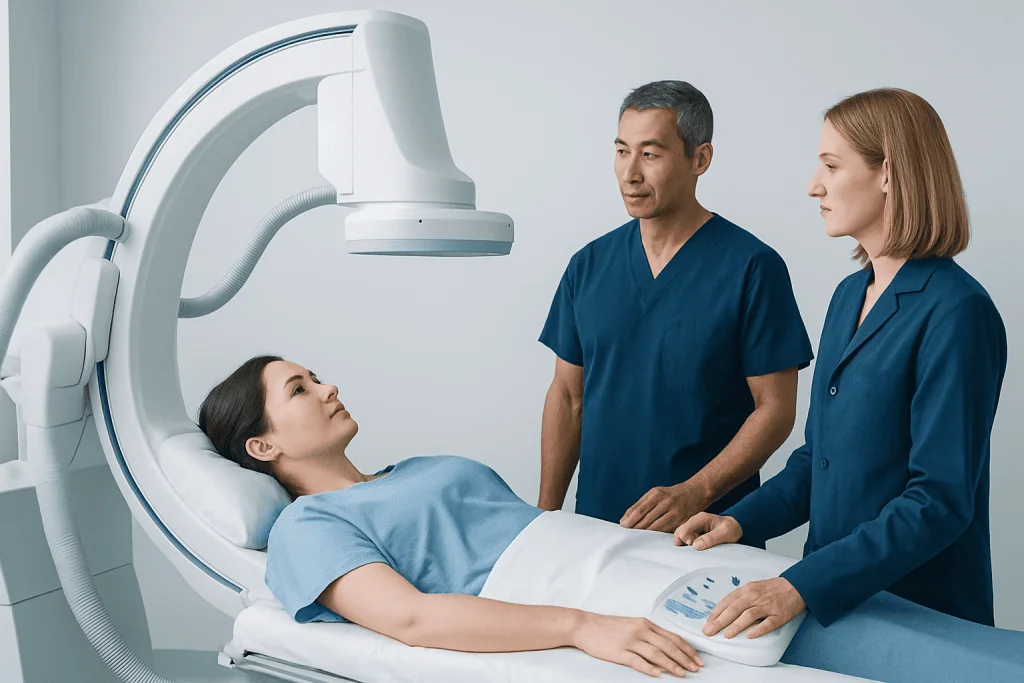
Brain vessel imaging is most often done with magnetic resonance angiography, often called MRA, or computed tomography angiography, called CTA. These tests can show the shape of brain arteries and help doctors decide whether an aneurysm is present, whether follow-up is needed, or whether referral to a specialist should be considered.
Who should consider screening
The group most often considered for cerebral aneurysm screening includes people with a strong family history of aneurysms or aneurysmal subarachnoid hemorrhage. In practice, this usually means having two or more close blood relatives, such as parents, siblings, or children, with a known brain aneurysm or bleeding from one. In these families, the chance of finding an aneurysm is higher than in the general population.
Screening may also be discussed for people with certain inherited conditions linked to a higher risk of aneurysm formation. Examples can include autosomal dominant polycystic kidney disease and some connective tissue or vascular disorders. Risk may also be influenced by smoking, high blood pressure, and a previous aneurysm in another location.
Some people ask about screening because they have headaches. Headaches alone usually do not mean a person needs aneurysm screening, since headaches are common and most are not caused by aneurysms. However, new neurological symptoms, sudden severe headache, or symptoms suggesting bleeding need urgent medical assessment rather than routine screening.
Doctors individualize the decision. They look at age, overall health, family history details, smoking history, blood pressure, and whether the person would be able and willing to complete follow-up if an incidental finding is discovered.
Symptoms and warning signs: screening versus emergency care

Most unruptured cerebral aneurysms do not cause symptoms and are found incidentally or through screening in higher-risk individuals. When symptoms do occur, they may depend on the aneurysm’s size and location. A larger aneurysm can sometimes press on nearby nerves or brain structures, leading to pain behind the eye, double vision, drooping eyelid, facial numbness, or changes in vision.
It is important to distinguish planned screening from emergency evaluation. A ruptured aneurysm can cause a sudden, very severe headache, often described as the worst headache of a person’s life. It may also cause nausea, vomiting, stiff neck, fainting, confusion, seizures, or sudden neurological deficits. These symptoms need emergency medical attention immediately.
Even a small leak before a full rupture can cause a sudden unusual headache. That situation is not a reason to schedule routine screening at a later date; it is a reason to seek urgent care. In emergency settings, imaging and treatment decisions are very different from preventive screening.
- Routine screening is for people without emergency symptoms.
- New severe headache or neurological changes require urgent medical evaluation.
- Most headaches are not caused by aneurysms, but sudden dramatic symptoms should never be ignored.
How doctors assess risk factors
Risk assessment starts with a detailed family and medical history. Doctors usually ask whether any close relatives had a diagnosed aneurysm, a subarachnoid hemorrhage, or sudden unexplained brain bleeding. They may also ask the age at diagnosis, whether one or multiple family members were affected, and whether there are known inherited syndromes in the family.
Personal health factors matter as well. Smoking and uncontrolled high blood pressure are among the most important modifiable risks associated with aneurysm formation and rupture. Female sex, increasing age, and some vascular conditions may also play a role, although these factors alone do not automatically mean screening is needed.
For people with known vascular or genetic conditions, doctors may recommend a more structured plan. In some cases, screening is discussed together with evaluation for related conditions such as stroke risk or other vascular abnormalities, depending on symptoms and family history. The exact approach varies because different syndromes carry different levels of risk.
Doctors also consider the possible downsides of screening. Small incidental findings can cause anxiety and may lead to repeat scans or procedures that ultimately show no dangerous problem. Good risk assessment helps make sure imaging is used where it is most likely to be helpful.
Which imaging tests are used for cerebral aneurysm screening
The most common screening test is MRA, which uses magnetic fields to create images of blood vessels. MRA is often preferred for screening because it does not use ionizing radiation, and many protocols can be done without contrast dye. It is especially useful for people who may need follow-up over time.
CTA is another reliable option. It uses CT imaging with intravenous contrast to show brain arteries in detail. CTA is widely available and can be very helpful when MRA is not suitable, such as for some patients with certain implanted devices, severe claustrophobia, or technical limitations that reduce MRI quality. If a person needs advanced MRI imaging or CT imaging, the choice depends on the clinical question and individual circumstances.
In some cases, a doctor may recommend catheter angiography, also called digital subtraction angiography. This is not usually the first screening test because it is invasive, but it may be used when noninvasive scans are unclear or when treatment planning is needed. It can provide very detailed images of vessel anatomy.
No imaging test is perfect. Very small aneurysms may be difficult to see, and sometimes a scan finds a tiny bulge that is not clearly dangerous. That is why imaging results are interpreted together with the person’s risk factors and, when needed, reviewed by neuroradiology, neurology, or neurosurgery specialists.
What happens if screening finds an aneurysm
Finding an aneurysm does not automatically mean immediate treatment is necessary. Doctors consider its size, location, shape, whether it appears to be growing, and the person’s age and health. The risk of rupture must be weighed against the risks of treatment, because some small aneurysms may be safest to monitor rather than treat right away.
Monitoring usually involves repeat imaging at intervals recommended by the care team. The purpose is to watch for growth or changes in shape. During this time, controlling blood pressure, avoiding smoking, and addressing other vascular risk factors are especially important.
If treatment is advised, options may include endovascular procedures or surgery, depending on the aneurysm’s anatomy and the person’s overall health. In some cases, a multidisciplinary team may discuss whether interventional neuroradiology procedures or open surgery is more appropriate. Shared decision-making is central, because each option has potential benefits and risks.
Some people also need support in understanding the emotional side of an incidental finding. Learning that a brain aneurysm is present can be stressful, even when the immediate risk is low. Clear communication and follow-up plans often help reduce uncertainty.
Prevention, follow-up, and self-care
There is no guaranteed way to prevent a cerebral aneurysm, but healthy vascular habits can reduce risk. The most important steps are not smoking, keeping blood pressure well controlled, staying physically active within a doctor’s advice, and managing other cardiovascular risks such as high cholesterol or diabetes when present.
People with a family history of aneurysms should try to gather accurate information before their appointment. Helpful details include which relatives were affected, whether bleeding occurred, their ages at diagnosis, and whether any genetic condition was identified. This information makes risk assessment more precise.
After a normal screening scan, some higher-risk people may still need repeat imaging in the future. The interval depends on the reason for screening and the person’s ongoing risk factors. A normal result can be reassuring, but it does not mean new aneurysms can never develop later.
Near the end of the care pathway, some patients choose evaluation at centers with coordinated neuroradiology, neurology, and surgical expertise. Acibadem International’s multidisciplinary specialists and JCI-accredited hospitals diagnose and treat cerebral aneurysms for international patients, with imaging and treatment plans tailored to individual risk and findings.
When to see a doctor
A person should talk with a doctor about cerebral aneurysm screening if they have two or more close relatives with a brain aneurysm or aneurysmal bleeding, if they have an inherited condition known to raise risk, or if they have been advised previously that follow-up imaging may be needed. A primary care physician, neurologist, or neuroradiologist can help determine whether screening is appropriate.
Medical advice is also important for people with modifiable vascular risks such as smoking or uncontrolled hypertension, especially when family history is present. Even if imaging is not recommended, addressing these risks is still worthwhile for overall brain and heart health.
Emergency care is needed right away for sudden severe headache, fainting, seizures, neck stiffness, or any sudden neurological symptom such as weakness, speech difficulty, or major vision change. These symptoms are not handled as routine screening. They require urgent evaluation for bleeding, brain hemorrhage, or other serious neurological conditions.
Frequently asked questions
Should everyone have cerebral aneurysm screening?
No. Routine cerebral aneurysm screening is generally not recommended for the general population because most people have a low risk of harboring a dangerous aneurysm. Screening is usually reserved for people with higher-risk family histories or certain inherited conditions.
What family history makes screening more likely to be recommended?
Screening is most commonly discussed when a person has two or more close blood relatives with a brain aneurysm or aneurysmal subarachnoid hemorrhage. The exact recommendation can vary based on ages, number of affected relatives, and other risk factors such as smoking or high blood pressure.
What is the best scan for brain aneurysm screening?
MRA is often used first because it can image brain vessels without radiation and sometimes without contrast dye. CTA is also very useful and may be preferred in some situations. The best test depends on the person's medical history, kidney function, implanted devices, and local imaging expertise.
If a scan is normal, does that mean there is no future risk?
A normal scan is reassuring, but it does not eliminate future risk completely. In people with ongoing higher risk, doctors may recommend repeat imaging after a period of time. The follow-up plan depends on family history, inherited conditions, and vascular risk factors.
If an aneurysm is found, will treatment always be necessary?
Not always. Some aneurysms are small and may be safer to monitor with periodic imaging rather than treat immediately. Doctors look at size, location, shape, growth, symptoms, and the person's overall health before recommending observation or intervention.
Can headaches alone mean someone needs screening?
Usually not. Headaches are very common, and most are not related to aneurysms. However, a sudden severe headache or headache with neurological symptoms needs urgent medical evaluation rather than routine screening.
References
- American Heart Association
- American Stroke Association
- National Institute of Neurological Disorders and Stroke
- Brain Aneurysm Foundation
- Radiological Society of North America
This article is for general information only and is not a substitute for professional medical advice. Please consult a qualified doctor about your individual situation.
Explore treatments in Turkey — costs, top hospitals & a free quote
JCI-accredited · board-certified surgeons · reply within 24h
Add us as a Preferred Source to see more of our trusted health content across Google Search, AI Overviews and Discover.
Check your numbers in seconds
BMI, calories, due date, blood pressure and 30+ more clinical calculators — free, instant, doctor-reviewed ranges.