Postprandial glucose: A Complete Medical Guide for Patients

Postprandial glucose means blood sugar after eating, commonly checked about two hours after a meal starts. It can reveal glucose problems that may not be obvious on fasting blood sugar alone.
Key Takeaways
- Postprandial glucose means blood sugar after eating, commonly checked about two hours after a meal starts.
- It can reveal glucose problems that may not be obvious on fasting blood sugar alone.
- Higher-than-expected after-meal glucose may be linked with prediabetes, diabetes, insulin resistance, or meal composition.
- Diagnosis and treatment are individualized and may include nutrition changes, physical activity, medicines, and ongoing monitoring.
- Persistent symptoms or repeated high readings should be discussed with a qualified doctor.
Postprandial glucose is the blood sugar level measured after a meal, usually about two hours later. It is an important part of understanding how the body processes food and can help detect or monitor diabetes, prediabetes, and meal-related glucose spikes.
What postprandial glucose means
Postprandial glucose is the level of glucose, or sugar, in the blood after eating. In everyday care, it often refers to a blood sugar measurement taken around two hours after the start of a meal, because this timing can show how effectively the body responds to carbohydrates and returns glucose toward a healthy range.
This value matters because blood sugar does not stay the same throughout the day. It rises after meals as food is digested and absorbed, then insulin helps move glucose into cells for energy or storage. When this process is less efficient, glucose may stay elevated longer than expected. That pattern can be an early clue to metabolic changes even when fasting glucose is only mildly abnormal or still within range.
For patients living with diabetes, postprandial glucose is one part of a broader picture that may also include fasting glucose, HbA1c, symptoms, medications, and lifestyle habits. Looking at after-meal readings can help explain fatigue after eating, frequent thirst, or glucose variability and may guide practical adjustments in meal planning or treatment.
Why after-meal blood sugar matters
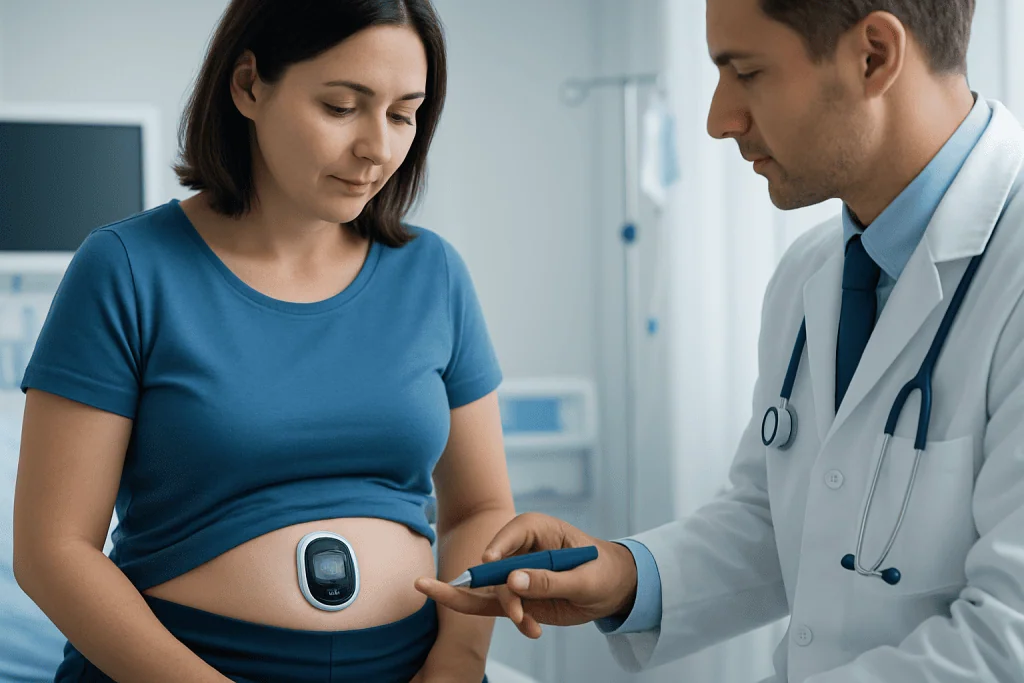
After-meal glucose provides information that fasting tests alone may miss. Some people have their largest glucose rise after eating rather than first thing in the morning. This can happen in early type 2 diabetes, prediabetes, gestational diabetes, and insulin resistance, making postprandial testing useful in selected situations.
Understanding these patterns can also support day-to-day management. For example, a patient may have acceptable fasting levels but experience repeated spikes after large or carbohydrate-heavy meals. Seeing this pattern can help a doctor or dietitian recommend changes in portion size, meal timing, food combinations, or medication schedules.
Postprandial glucose should not be interpreted in isolation. A single reading may be influenced by what was eaten, how much physical activity occurred, current illness, stress, sleep quality, or whether medication was taken as prescribed. Trends over time are usually more informative than one isolated result.
In diabetes care, after-meal glucose is often considered alongside longer-term markers such as HbA1c. Patients who are learning more about diabetes may find that understanding both daily readings and long-term averages gives a more complete view of blood sugar control.
What is considered normal or high

There is no single number that applies to every person in every setting. Target ranges can vary depending on whether someone has diabetes, is pregnant, is using glucose-lowering medicines, or is being tested for diagnosis rather than routine monitoring. A doctor interprets results in context rather than relying on one value alone.
In general, blood sugar rises after meals and then gradually falls. A reading that remains higher than expected two hours after eating may suggest that the body is not handling glucose efficiently. However, interpretation depends on the type of test used, the person’s medical history, and whether the meal was standardized or typical of daily life.
Doctors may use several tools to evaluate this, including fasting blood sugar, HbA1c, an oral glucose tolerance test, or home and continuous glucose monitoring. If patients are unsure whether a result is concerning, it is safest to discuss the exact number and the circumstances of the test with a healthcare professional rather than trying to self-diagnose from one isolated reading.
Why postprandial glucose can be elevated
The most common reason for high postprandial glucose is that the body is not producing enough effective insulin or is not responding to insulin well. This can occur with prediabetes, type 2 diabetes, gestational diabetes, and some less common endocrine or pancreatic conditions. In type 1 diabetes, after-meal glucose may rise if insulin replacement does not match food intake or timing.
Meal composition also plays a major role. Large portions of refined carbohydrates, sugary drinks, desserts, or meals low in fiber and protein can cause glucose to rise more quickly. Even in people without diabetes, very large meals may produce a noticeable spike, although the body usually brings levels down efficiently.
Other factors can contribute, including low physical activity, excess body weight, poor sleep, acute illness, emotional stress, some medications, and hormonal changes. Steroids are a well-known example of a medicine that can raise glucose. Digestive factors can matter too, because the speed of stomach emptying affects how quickly glucose enters the bloodstream.
Some patients are evaluated for related metabolic conditions when postprandial glucose is repeatedly abnormal. Depending on symptoms and overall health, a doctor may also assess for obesity or metabolic syndrome as part of a broader cardiovascular and endocrine risk review.
How doctors test and diagnose glucose problems
Testing begins with a clinical history. A doctor may ask about symptoms such as thirst, frequent urination, blurred vision, unexplained weight changes, fatigue after meals, shakiness, sweating, or a family history of diabetes. They also review medications, diet, physical activity, sleep, pregnancy status, and any previous lab results.
Common diagnostic tools include fasting plasma glucose and HbA1c, which reflects average blood sugar over about three months. In some cases, an oral glucose tolerance test is used. This measures the body’s response to a set glucose load over time and can be especially helpful when diagnosis is uncertain or when gestational diabetes is being assessed. If needed, patients may be referred for an oral glucose tolerance test or blood testing as part of the evaluation.
For people already diagnosed with diabetes, home glucose checks or continuous glucose monitoring may help identify after-meal patterns. A food and symptom diary can make these readings much more useful. Recording what was eaten, portion size, timing, activity, and stress level often helps explain why some meals cause a larger rise than others.
A diagnosis is not usually made from one random high reading alone unless the clinical situation is clear. Doctors consider repeated results, symptoms, and overall metabolic health before confirming prediabetes or diabetes and recommending a management plan.
Treatment and day-to-day management
Treatment depends on the cause and the degree of glucose elevation. For some patients, the main focus is lifestyle support: choosing balanced meals, reducing highly refined carbohydrates, increasing fiber, pairing carbohydrates with protein or healthy fats, and using regular physical activity to improve insulin sensitivity. Even a short walk after meals may help some people reduce post-meal glucose rises.
When diabetes or prediabetes is present, a clinician may suggest more structured monitoring and individualized nutrition advice. Portion awareness, meal timing, and consistency can be just as important as avoiding sugar alone. Patients often benefit from learning how different foods affect their own readings rather than following overly strict rules.
Medication may also be part of care. Depending on the diagnosis, doctors may prescribe medicines that improve insulin sensitivity, increase insulin production, slow carbohydrate absorption, or replace insulin. Any medication choice depends on the person’s medical history, kidney function, age, pregnancy status, and risk of low blood sugar. Some patients may be referred for endocrinology care to tailor management when glucose patterns are difficult to control.
Long-term care is usually collaborative. Doctors, nurses, diabetes educators, and dietitians can help patients set realistic goals and reduce complications while maintaining a normal daily routine. Near the end of the care pathway, some international patients may choose centers such as Acibadem International, where multidisciplinary specialists in JCI-accredited hospitals evaluate and treat glucose-related conditions.
Practical self-care to support healthy after-meal glucose
Self-care does not replace medical evaluation, but it can support better glucose balance. Meals built around vegetables, legumes, whole grains, lean proteins, and unsweetened drinks often produce steadier glucose responses than meals centered on refined starches or sweetened beverages. Eating at regular times and avoiding very large portions may also help.
Physical activity is one of the most practical tools. Regular exercise improves insulin sensitivity over time, and gentle movement after eating may reduce glucose peaks in some people. Good sleep, stress management, and staying hydrated also support metabolic health and can make blood sugar readings more predictable.
Patients who monitor at home should use their device correctly and keep a record of readings. It may help to note the time of the meal, what was eaten, and when the reading was taken. This creates a clearer picture for a doctor and reduces confusion caused by checking at inconsistent times.
- Choose balanced meals with fiber, protein, and healthy fats.
- Limit sugary drinks and highly processed snacks.
- Stay physically active most days of the week.
- Take prescribed medicines consistently.
- Follow up regularly if high readings recur.
When to seek medical care
Patients should arrange medical review if they repeatedly notice high postprandial glucose readings, especially if this is new or unexplained. Medical advice is also important when after-meal glucose changes are accompanied by increased thirst, frequent urination, blurred vision, unusual fatigue, recurrent infections, or unexplained weight loss.
More urgent assessment may be needed if blood sugar is very high, if there is vomiting, dehydration, confusion, severe weakness, or symptoms of low blood sugar such as shakiness, sweating, or fainting. Pregnancy, use of steroids, or a known history of diabetes are additional reasons not to delay evaluation when glucose readings become harder to control.
A timely review can help clarify whether the issue reflects prediabetes, established diabetes, medication effects, or another condition. Early guidance often makes treatment simpler and helps patients prevent avoidable complications.
Frequently asked questions
What does postprandial glucose mean?
Postprandial glucose means blood sugar measured after eating. It is commonly checked about two hours after the start of a meal to see how the body processes glucose from food.
Why can my fasting glucose be normal but my postprandial glucose be high?
Fasting and after-meal glucose reflect different parts of glucose regulation. Some people develop problems with meal-related insulin response first, so after-meal spikes may appear before fasting levels become abnormal.
Is postprandial glucose used to diagnose diabetes?
It can contribute to diagnosis, but doctors usually interpret it together with tests such as fasting glucose, HbA1c, or an oral glucose tolerance test. A single reading is usually not enough to confirm diabetes on its own.
How long after eating should postprandial glucose be checked?
In many cases, it is checked about two hours after the meal begins. The exact timing may vary depending on why the test is being done and what a clinician wants to learn from the result.
What causes high blood sugar after meals?
Common causes include prediabetes, diabetes, insulin resistance, very large or carbohydrate-heavy meals, stress, illness, and some medications such as steroids. Reduced physical activity and poor sleep can also contribute.
Can postprandial glucose be improved without medication?
For some people, yes. Balanced meals, regular activity, portion control, weight management, and consistent sleep may improve after-meal glucose, although some patients still need medication based on their diagnosis and risk profile.
References
- American Diabetes Association
- National Institute of Diabetes and Digestive and Kidney Diseases
- Centers for Disease Control and Prevention
- World Health Organization
- International Diabetes Federation
This article is for general information only and is not a substitute for professional medical advice. Please consult a qualified doctor about your individual situation.
Explore treatments in Turkey — costs, top hospitals & a free quote
JCI-accredited · board-certified surgeons · reply within 24h
Add us as a Preferred Source to see more of our trusted health content across Google Search, AI Overviews and Discover.