

How to relieve sinus pressure: What Works at Home, What Doesn’t, and When to See a Doctor

Saline nasal irrigation is one of the most evidence-supported home measures for sinus pressure. Warm steam, fluids, rest, and humidified air may ease discomfort, but they do not treat every cause.
Key Takeaways
- Saline nasal irrigation is one of the most evidence-supported home measures for sinus pressure.
- Warm steam, fluids, rest, and humidified air may ease discomfort, but they do not treat every cause.
- Not all sinus pressure is a sinus infection; allergies, colds, irritants, and nasal blockage are common triggers.
- Decongestant sprays may help briefly but should not be overused because rebound congestion can occur.
- Red-flag symptoms such as eye swelling, severe headache, high fever, or symptoms lasting more than 10 days need medical review.
How to relieve sinus pressure usually starts with simple, evidence-based steps: saline nasal rinses, hydration, humidified air, rest, and short-term symptom relief when appropriate. Many cases improve on their own, but severe symptoms, facial swelling, high fever, or symptoms that persist or worsen should be assessed by a doctor.
Overview: What Usually Helps Sinus Pressure
For most people asking how to relieve sinus pressure, the most reliable home measures are saline nasal rinses, drinking enough fluids, breathing humidified air, resting, and using simple pain relief if a clinician says it is suitable. These steps can reduce irritation, loosen mucus, and help the sinus openings drain more normally.
Sinus pressure is a feeling of fullness, tightness, or aching around the cheeks, eyes, forehead, or bridge of the nose. It often happens during a cold, after allergy flare-ups, or when swelling inside the nose blocks normal airflow and drainage. The pressure itself is a symptom, not a diagnosis, so the best approach depends on the cause.
Many episodes improve within days as a viral illness settles or inflammation decreases. Antibiotics are not routinely needed, because many cases are linked to viruses or allergies rather than bacterial infection. A careful, stepwise approach can relieve symptoms while avoiding unnecessary treatments.
Why Sinus Pressure Happens
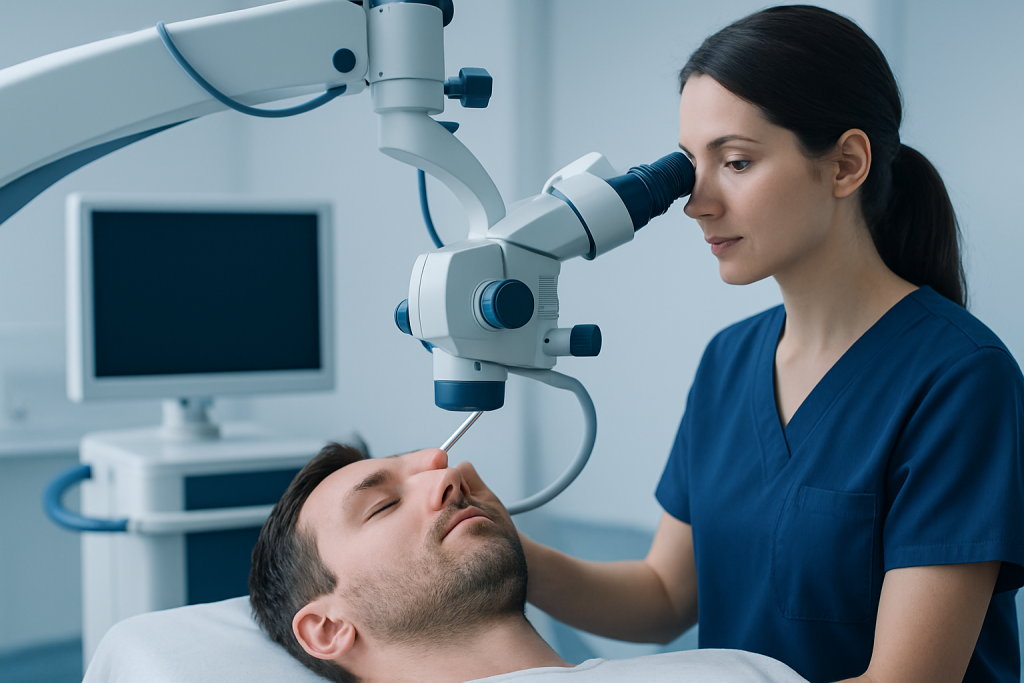
The sinuses are air-filled spaces in the bones around the nose and eyes. They connect to the nasal passages through small openings. When the lining of the nose and sinuses becomes swollen, these openings can narrow, mucus may build up, and pressure can develop.
Common causes include viral upper respiratory infections, seasonal or year-round allergies, exposure to smoke or other irritants, dry air, and structural issues such as a deviated septum or nasal polyps. Some people also notice more pressure during changes in air pressure, such as flying, although this tends to be temporary.
Sinus pressure can occur with sinusitis, but it does not always mean there is a bacterial sinus infection. Migraine, tension headaches, dental problems, and jaw disorders can also feel like sinus pain. This is one reason persistent or unusual symptoms deserve proper assessment.
Evidence-Backed Home Remedies: What Works Best

Among home remedies, saline nasal irrigation has the strongest clinical support for easing sinus and nasal symptoms. A saline rinse or spray helps thin mucus, wash away irritants, and improve moisture in the nasal lining. It is important to use sterile, distilled, or previously boiled and cooled water for rinses, and to keep the device clean according to instructions.
Hydration is also helpful. Drinking water and other non-irritating fluids supports normal mucus consistency, which may make drainage easier. Rest matters as well, especially when sinus pressure is part of a cold. Sleep and recovery time help the body resolve inflammation more effectively.
Warm, moist air may bring short-term comfort. A humidifier, steamy shower, or breathing in humidified air can ease dryness and reduce the sensation of pressure for some people. A warm compress over the cheeks or forehead may also provide temporary relief, although it does not treat the underlying cause.
Some people benefit from medications that are used briefly and appropriately. Depending on the cause, a doctor may suggest a nasal steroid spray for inflammation or allergies, or short-term symptom medicines. If symptoms are frequent or severe, assessment by an ENT specialist may help identify whether an ENT examination is needed to look for blockage, allergy-related swelling, or another cause.
What May Help a Little, and What Usually Does Not
Several commonly suggested remedies have mixed or limited evidence. Steam inhalation can feel soothing, but research does not clearly show that it changes how long symptoms last or prevents infection. It is best viewed as a comfort measure rather than a treatment. Care is important, because very hot steam can cause burns.
Menthol rubs, spicy foods, and essential oils may create a sensation of easier breathing, but they do not reliably open the sinuses or treat inflammation. Some people find them pleasant, while others notice irritation. Essential oils should be used cautiously, especially around children, and should not be placed inside the nose.
Over-the-counter decongestant nasal sprays can reduce swelling for a short time, but they are not a long-term solution. If they are used for too many days in a row, rebound congestion can develop, making nasal blockage worse. Oral decongestants may not be suitable for everyone, particularly people with high blood pressure, certain heart conditions, glaucoma, or sleep problems.
Antibiotics are another common misconception. They do not help viral sinus symptoms and should not be started without medical advice. Unnecessary antibiotics can lead to side effects and antibiotic resistance without improving recovery.
If Allergies or Nasal Blockage Are Part of the Problem
When sinus pressure keeps returning, allergy or nasal blockage may be contributing. Allergic inflammation can make the nasal lining swell for weeks or months, leading to congestion, pressure, sneezing, and postnasal drip. In these cases, relief often depends on controlling the trigger rather than only treating the pressure itself.
Practical steps include reducing exposure to known allergens, showering after outdoor pollen exposure, washing bedding regularly, and using high-efficiency filtration if appropriate. A clinician may recommend nasal steroid sprays, antihistamines, or other allergy-focused treatment when symptoms fit that pattern. Persistent congestion may also be linked to nasal polyps or structural narrowing inside the nose.
If symptoms are chronic, recurrent, or one-sided, doctors may examine the nasal passages more closely and sometimes use imaging or endoscopy. In selected cases, procedures such as endoscopic sinus surgery or septoplasty may be considered when medication and self-care do not provide enough relief and there is a correctable structural cause.
When to Seek Medical Care
Medical care is important promptly if sinus pressure comes with red-flag symptoms. These include swelling around the eyes, vision changes, severe or worsening headache, confusion, neck stiffness, trouble breathing, a high fever, marked facial redness, or severe pain that does not improve. These symptoms can point to complications or to another condition that needs urgent treatment.
A doctor should also assess symptoms that last more than about 10 days without improvement, improve and then get worse again, or keep returning. Persistent thick nasal drainage, significant tooth or facial pain, or symptoms mainly on one side may also need evaluation. This helps distinguish viral illness from bacterial infection, allergy, migraine, dental disease, or chronic sinus disease.
Diagnosis may include a symptom review, physical examination, and sometimes nasal endoscopy or imaging if symptoms are prolonged, unusual, or severe. If needed, patients may be referred for ENT care to identify the cause and plan treatment. Acibadem International’s multidisciplinary specialists in JCI-accredited hospitals diagnose and treat sinus-related conditions for international patients when further evaluation is needed.
Prevention and Self-Care for Future Episodes
Preventing sinus pressure often means protecting the nose and sinuses from irritation and keeping nasal passages healthy. Handwashing, avoiding close contact with people who have colds when possible, and staying current with recommended vaccines may reduce respiratory infections that can trigger sinus symptoms.
For people prone to dryness or irritation, regular saline spray can help maintain moisture. Managing allergies consistently is also important, especially during known trigger seasons. Smoke exposure, heavy air pollution, and strong chemical odors can aggravate the nasal lining, so reducing exposure may lower the chance of recurring pressure.
Good sleep, hydration, and prompt care for ongoing nasal congestion can make a difference over time. People who notice frequent pressure during travel or seasonal changes may benefit from discussing prevention strategies with a clinician before symptoms flare. Self-care works best when it is matched to the underlying cause rather than used the same way for every episode.
Frequently asked questions
What is the fastest way to relieve sinus pressure at home?
For many people, the quickest safe combination is a saline nasal rinse or spray, fluids, rest, and humidified air. These measures help loosen mucus and reduce irritation. A warm compress and clinician-approved pain relief may also help with discomfort.
Does sinus pressure always mean a sinus infection?
No. Sinus pressure often happens with colds, allergies, or irritation inside the nose, and many cases are not bacterial infections. It can also be mistaken for migraine, dental pain, or other types of headache.
Are antibiotics needed for sinus pressure?
Not usually. Antibiotics do not help viral illnesses and are only useful in selected cases where a bacterial infection is suspected. A doctor can decide based on how long symptoms have lasted, whether they are worsening, and whether red-flag signs are present.
Is steam inhalation a proven treatment for sinus pressure?
Steam may provide temporary comfort, especially when the nose feels dry or congested. However, evidence that it changes the course of illness is limited. It should be used carefully to avoid burns and viewed as a comfort measure rather than a cure.
How long should sinus pressure last before seeing a doctor?
If symptoms last more than about 10 days without improvement, get worse after starting to improve, or keep coming back, medical review is sensible. Earlier care is important if there is severe pain, facial swelling, high fever, or vision changes.
Can allergies cause sinus pressure every day?
Yes. Ongoing allergy-related inflammation can lead to daily congestion, pressure, sneezing, and postnasal drip. Treating the allergy trigger and reducing nasal inflammation often helps more than using occasional symptom relief alone.
References
- American Academy of Otolaryngology–Head and Neck Surgery
- Centers for Disease Control and Prevention
- National Institute of Allergy and Infectious Diseases
- Mayo Clinic
- Cochrane
This article is for general information only and is not a substitute for professional medical advice. Please consult a qualified doctor about your individual situation.
Explore treatments in Turkey — costs, top hospitals & a free quote
JCI-accredited · board-certified surgeons · reply within 24h
Add us as a Preferred Source to see more of our trusted health content across Google Search, AI Overviews and Discover.

More from the Health Library



Related Specialists

Dr. Rehile Zengin
Infectious Diseases & Clinical Microbiology
Prof. Dr. Nurzen Sezgin
Clinical Laboratory
Gülsen Ersözlü
Physical Medicine & Rehabilitation
Psk. Deniz Keskin
Psychology