

Do bananas help with period cramps: An Evidence-Based Guide From Clinical Nutrition

Bananas may offer supportive relief for period cramps, but they are not a cure. Their possible benefits relate to potassium, vitamin B6, easy digestibility, and helping maintain regular meals and hydration.
Key Takeaways
- Bananas may offer supportive relief for period cramps, but they are not a cure.
- Their possible benefits relate to potassium, vitamin B6, easy digestibility, and helping maintain regular meals and hydration.
- Evidence for bananas specifically is limited; overall diet and symptom pattern matter more than any single food.
- Severe, worsening, or disabling menstrual pain should be assessed by a doctor.
- Self-care can include heat, gentle activity, hydration, sleep, and evidence-based pain relief.
Yes, bananas may help some people feel a little better during menstrual cramps, mainly because they provide potassium, vitamin B6, carbohydrates, and fluid-friendly support when appetite is low. However, they are not a treatment for the underlying cause of period pain, and moderate to severe cramps may need medical evaluation and other forms of care.
Overview: What Bananas Can and Cannot Do
Do bananas help with period cramps? In practical terms, they may help a little for some people, but mostly as part of supportive self-care rather than as a direct treatment. Bananas are easy to eat, contain potassium and vitamin B6, and can be a useful option when nausea, low appetite, or fatigue make regular meals harder during a period.
That said, menstrual cramps usually happen because the uterus produces hormone-like substances called prostaglandins, which trigger uterine contractions. A banana does not switch off that process. This is why someone may notice mild comfort from eating one, while another person with moderate or severe cramps may feel no meaningful change.
A more evidence-based way to think about bananas is this: they can fit into a symptom-support plan that also includes fluids, regular meals, rest, heat, movement as tolerated, and medical care when needed. When period pain is intense, frequent, or getting worse, it is important to look beyond food alone and consider conditions such as endometriosis or other causes of painful periods.
Why Bananas Might Help Some People
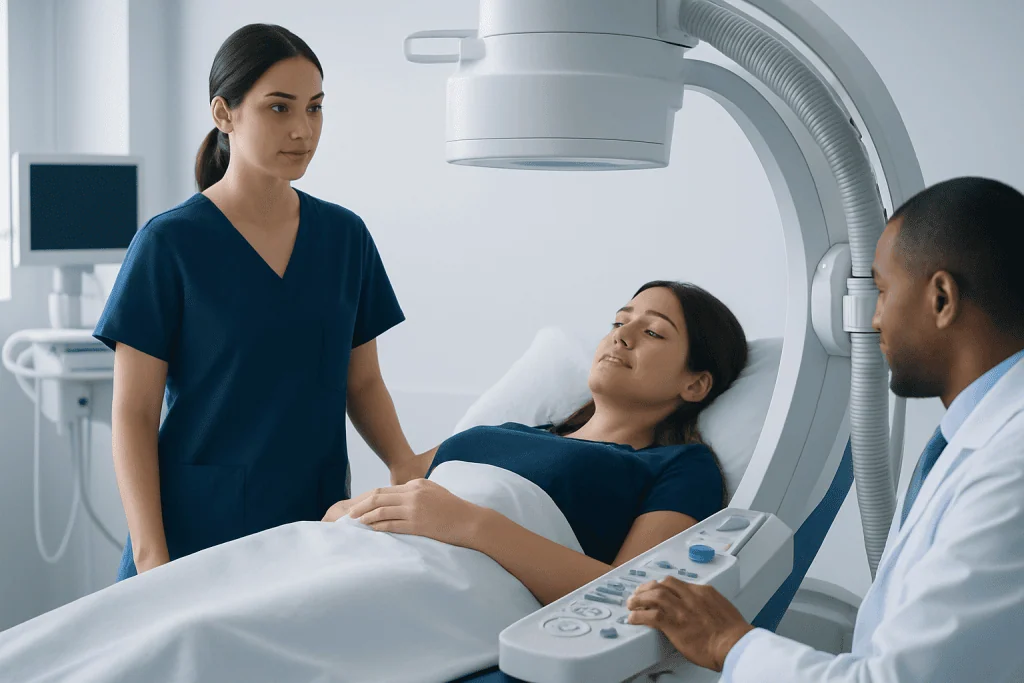
Bananas are not a proven stand-alone remedy for menstrual cramps, but there are plausible reasons they may be helpful in certain situations. They provide carbohydrates for quick energy, which can be useful when a person feels tired, shaky, or has eaten less than usual. Keeping energy intake steady may also make discomfort feel easier to manage.
Potassium is one nutrient often discussed in relation to muscle function and fluid balance. Although menstrual cramps are not simply the same as an ordinary leg cramp, maintaining good overall electrolyte balance can support general well-being. If a person is bloated, mildly dehydrated, or not eating much, a banana may be a gentle, practical food choice.
Bananas also contain vitamin B6, which has been studied more broadly in relation to premenstrual symptoms such as mood changes. This does not mean bananas treat pain directly, but they may contribute to a more balanced intake during the menstrual cycle. Their soft texture and mild taste can also make them easier to tolerate than heavier or greasy foods when there is nausea or digestive discomfort.
In short, the likely benefit is indirect: a banana may help support hydration habits, regular food intake, and overall comfort. That is different from saying bananas specifically reduce uterine contractions or reliably stop period pain.
What the Evidence Says
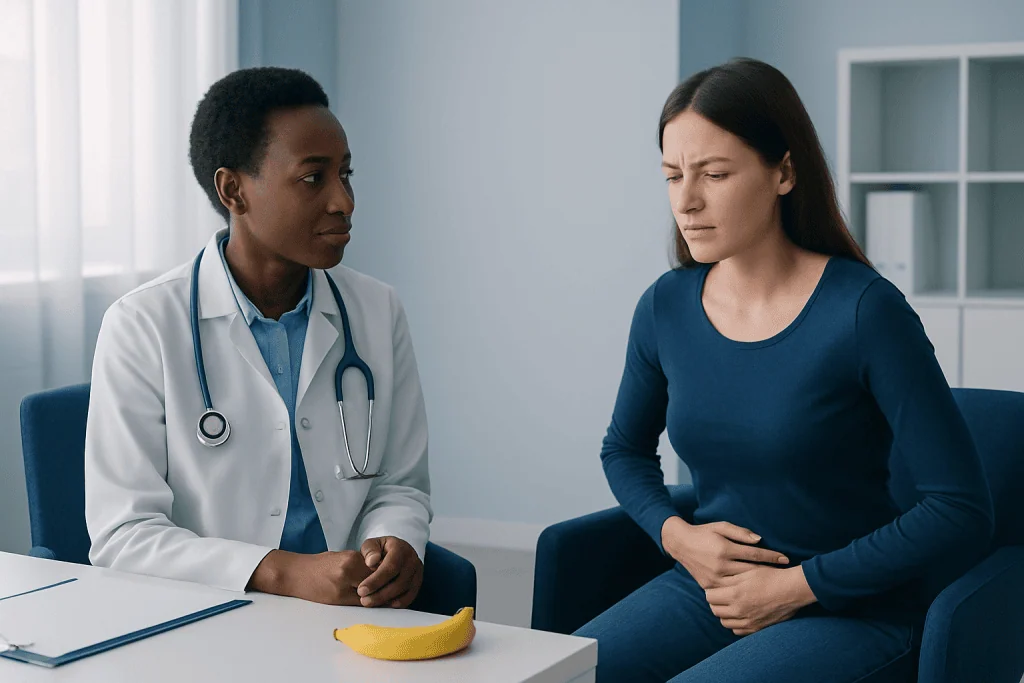
Research on nutrition and menstrual symptoms is growing, but high-quality evidence about bananas specifically is limited. Most studies look at broader dietary patterns, micronutrients, or supplements rather than one fruit. This means it is not possible to say that bananas are a clinically proven treatment for period cramps.
What is better supported is the idea that overall diet quality may influence how a person feels during menstruation. Balanced meals, adequate hydration, enough iron-containing foods when periods are heavy, and an eating pattern rich in fruits, vegetables, whole grains, and healthy fats may support general health and symptom management. A banana can fit naturally into that pattern, but it should not be viewed as a substitute for evidence-based pain relief or medical evaluation.
It is also important to separate anecdote from proof. Many people share home remedies that helped them personally, but individual experience does not always apply widely. If bananas seem to help, there is usually little harm in including them as part of a balanced diet, provided there are no specific dietary restrictions. If they do not help, that does not mean someone is doing anything wrong; it simply reflects that period pain has many causes and varies from person to person.
Nutrition Factors That Matter More Than One Food
For many people, the bigger nutrition picture matters more than whether they eat bananas during their period. Irregular eating, very low calorie intake, dehydration, excess alcohol, and diets low in key nutrients can make fatigue, headaches, and general discomfort feel worse. Eating consistently through the day may be more useful than focusing on a single “cramp-fighting” food.
Helpful habits may include combining easy carbohydrates with protein and fluids, such as yogurt with banana, oatmeal with fruit, or toast with nut butter if tolerated. Some people also feel better limiting highly salty, ultra-processed, or very greasy foods when bloating and nausea are prominent, although responses differ. There is no single menstrual diet that works for everyone.
Other nutrients sometimes discussed in relation to menstrual symptoms include magnesium, omega-3 fats, calcium, and vitamin D. These are not reasons to self-prescribe supplements without guidance, but they show why a broad nutrition approach is often more meaningful than one ingredient alone. If periods are heavy, recurring fatigue should also prompt discussion with a clinician because iron deficiency can be a concern.
If symptoms regularly disrupt daily life, a doctor may evaluate whether pain is part of primary dysmenorrhea or related to another condition such as fibroids or endometriosis. In those cases, nutrition can still support comfort, but medical assessment becomes more important than food experiments.
Other Evidence-Based Ways to Ease Period Cramps
Because bananas are only a supportive measure, many people need additional strategies. Heat is one of the most practical options: a heating pad or hot water bottle on the lower abdomen can relax the area and reduce discomfort for some people. Gentle movement, stretching, or walking may also help, even if vigorous exercise feels unrealistic on painful days.
Staying hydrated, sleeping enough, and eating regular meals can reduce the sense that cramps are overwhelming the whole body. Some people also benefit from relaxation techniques such as slow breathing, mindfulness, or reducing stress where possible. These approaches do not remove the cause of menstrual contractions, but they can improve coping and overall comfort.
Over-the-counter pain relievers are commonly used for period cramps, but the right choice depends on a person’s health history, medications, stomach sensitivity, and other factors. A pharmacist or doctor can advise on safe use. When pain is recurrent or severe, a clinician may discuss hormonal treatments or further gynecologic evaluation. Depending on the cause, care may include laparoscopy for diagnosis or treatment, or uterine fibroid embolization in selected patients with fibroid-related symptoms.
When Period Cramps May Point to Another Condition
Not all menstrual pain is the same. Mild to moderate cramps that improve with routine self-care are common, especially in the first day or two of bleeding. But pain that is severe, progressively worsening, begins suddenly after years of relatively manageable periods, or interferes with school, work, sleep, or daily activities deserves medical attention.
Doctors may consider secondary causes of painful periods, including endometriosis, adenomyosis, uterine fibroids, pelvic inflammatory disease, or ovarian problems. These conditions are not diagnosed by symptoms alone, and they cannot be ruled out based on whether a person responds to food changes. For example, persistent pelvic pain or heavy periods may sometimes require assessment for uterine fibroids.
Associated symptoms matter too. Heavy bleeding, pain during sex, pain with bowel movements, fainting, fever, new-onset pain after age 25, or infertility concerns can all change the clinical picture. In such cases, the focus should move from home remedies to identifying the cause and choosing the right treatment.
When to Seek Medical Care
Medical advice is especially important if cramps are severe enough to stop normal activities, if pain keeps returning despite self-care, or if over-the-counter medicines do not help as expected. A person should also seek care for very heavy bleeding, bleeding between periods, fever, dizziness, or sudden pelvic pain. These symptoms do not always signal a serious problem, but they should be checked promptly.
It is also reasonable to make an appointment if period symptoms are affecting quality of life month after month. A clinician may ask about timing, bleeding pattern, bowel or bladder symptoms, sexual health, family history, and previous treatments. Evaluation may include a physical exam, lab tests, or imaging such as pelvic ultrasound when appropriate.
Near the end of the care pathway, some patients may need specialist assessment and treatment planning. Acibadem International’s multidisciplinary specialists and JCI-accredited hospitals diagnose and treat gynecologic conditions for international patients, including causes of persistent menstrual pain.
Frequently asked questions
Do bananas stop period cramps quickly?
Usually not. Bananas may help some people feel a bit better by supporting regular eating and fluid balance, but they do not directly stop the uterine contractions that cause cramps. If rapid relief is needed, other self-care measures or medical advice may be more useful.
Why do some people say bananas help during periods?
Bananas are easy to digest and contain potassium, vitamin B6, and carbohydrates, which can be helpful when fatigue, low appetite, or nausea are present. That can improve overall comfort even if the pain mechanism itself is unchanged. Personal experience also varies widely.
Are bananas better than other foods for period pain?
There is no strong evidence that bananas are uniquely better than other foods for menstrual cramps. A balanced diet with enough fluids and regular meals is generally more important than any single food. Other easy options may work just as well depending on personal preference and symptoms.
Can bananas make period symptoms worse?
For most people, bananas do not worsen period symptoms. However, individual digestion differs, and some people may feel more bloated with certain foods. If a food seems to make symptoms worse repeatedly, it is reasonable to choose other nourishing options.
What else can help with period cramps besides food?
Common supportive measures include a heating pad, gentle movement, hydration, adequate sleep, and stress reduction. Some people also use pain-relief medicines after checking what is safe for them. Persistent or severe symptoms should be discussed with a doctor.
When should someone worry about period cramps?
A medical review is a good idea if cramps are severe, getting worse, or interfering with daily life. Heavy bleeding, fever, fainting, pain between periods, or pain during sex are also important reasons to seek care. These symptoms can sometimes point to an underlying gynecologic condition.
References
- American College of Obstetricians and Gynecologists
- National Institute for Health and Care Excellence
- Office on Women's Health
- World Health Organization
- National Institutes of Health
This article is for general information only and is not a substitute for professional medical advice. Please consult a qualified doctor about your individual situation.
Persistent digestive symptoms? Get evaluated in Turkey
JCI-accredited · board-certified surgeons · reply within 24h
Add us as a Preferred Source to see more of our trusted health content across Google Search, AI Overviews and Discover.
Check your numbers in seconds
BMI, calories, due date, blood pressure and 30+ more clinical calculators — free, instant, doctor-reviewed ranges.

More from the Health Library


Related Specialists
Dr. İnci Okan
Internal Medicine
Dr. Sırrı Baştürk
Orthopedic Surgery & Traumatology
Dt. Barış Konuk
Oral Dental & Maxillofacial Surgery
Dr. Mehmet Teomete
Medical Oncology