Hemorrhoids: Bleeding, Itching, and Relief Options

Hemorrhoids can be internal or external and may cause bleeding, itching, swelling, or pain. Constipation, straining, pregnancy, prolonged sitting, and low-fiber diets are common contributors.
Key Takeaways
- Hemorrhoids can be internal or external and may cause bleeding, itching, swelling, or pain.
- Constipation, straining, pregnancy, prolonged sitting, and low-fiber diets are common contributors.
- Many cases improve with fiber, fluids, warm baths, and gentle bowel habits.
- Persistent bleeding or severe pain should be evaluated by a doctor to rule out other causes.
- Office procedures and surgery are available when symptoms do not improve with conservative care.
Hemorrhoids are swollen veins in the lower rectum or around the anus that can lead to bleeding, itching, pain, or a feeling of fullness. They are common and often improve with diet, bowel habit changes, and medical treatment when needed.
Overview of Hemorrhoids
Hemorrhoids are enlarged or swollen veins in the lower rectum and around the anus. They are similar to varicose veins but occur in a different area of the body. Hemorrhoids are very common in adults and may develop from increased pressure in the rectal area over time.
Doctors usually describe hemorrhoids as internal or external. Internal hemorrhoids form inside the rectum and may not be felt, but they can bleed. External hemorrhoids form under the skin around the anus and are more likely to cause itching, swelling, tenderness, or pain.
Symptoms can range from mild and occasional to more bothersome. Although hemorrhoids are not usually dangerous, rectal bleeding should not be assumed to be harmless. Other digestive conditions can also cause bleeding, so a proper medical assessment is important when symptoms are new, persistent, or concerning.
Symptoms and Signs
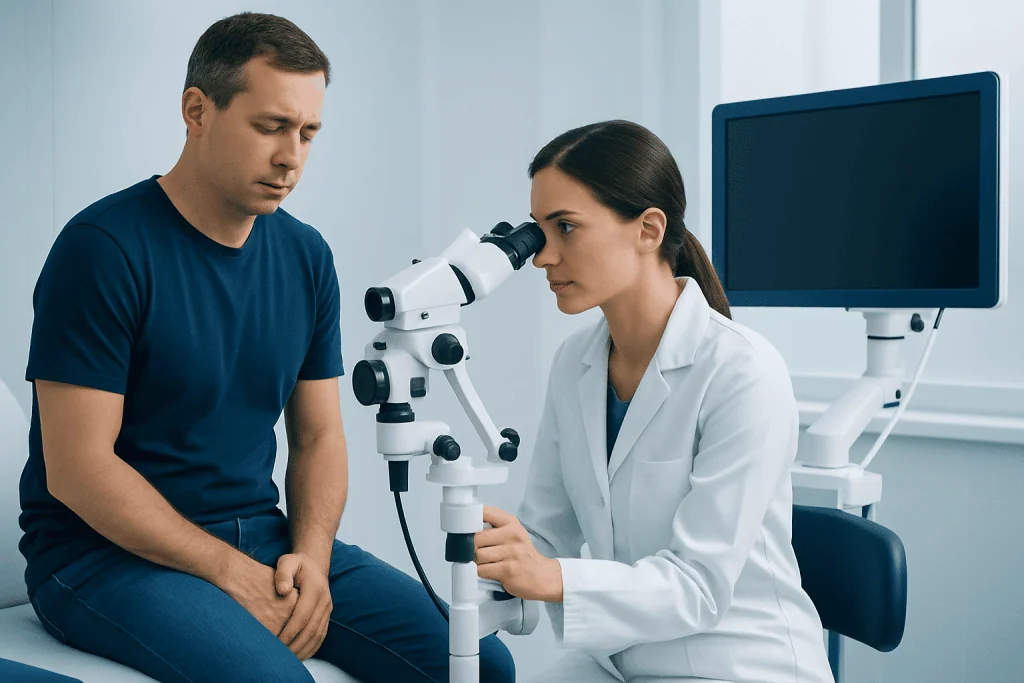
Hemorrhoid symptoms depend on their type and severity. Internal hemorrhoids commonly cause bright red blood on toilet paper, in the toilet bowl, or on the surface of stool. They may also create a sensation that the bowel has not emptied completely.
External hemorrhoids are more likely to cause itching around the anus, swelling, soreness, irritation, or discomfort during sitting and bowel movements. If a clot forms in an external hemorrhoid, called a thrombosed hemorrhoid, it can cause a firm lump and more intense pain.
Common symptoms include:
- Bright red rectal bleeding
- Anal itching or irritation
- Pain or discomfort around the anus
- Swelling or a lump near the anus
- Mucus or moisture causing skin irritation
- A feeling of fullness or prolapse during bowel movements
Some internal hemorrhoids can prolapse, meaning they bulge outside the anus, especially during straining. A prolapsed hemorrhoid may go back in on its own, need to be gently pushed back, or remain outside. Prolapse may increase irritation and hygiene difficulties.
Causes and Risk Factors

Hemorrhoids develop when pressure builds in the veins of the lower rectum and anus. This pressure can stretch and enlarge the veins. Straining during bowel movements is one of the most common triggers, especially in people with constipation or hard stools.
Several everyday factors can increase risk. Sitting on the toilet for long periods, a low-fiber diet, inadequate fluid intake, obesity, and limited physical activity may all contribute. Repeated heavy lifting can also increase abdominal pressure in some people.
Pregnancy is another common cause because of hormonal changes and the pressure of the growing uterus on pelvic veins. Age can also play a role, as the tissues supporting rectal veins may weaken over time. People with chronic diarrhea may develop hemorrhoids as well, since frequent bowel movements and irritation can strain the area.
Not everyone with these risk factors develops hemorrhoids, and symptoms can come and go. However, addressing bowel habits and lifestyle factors often helps reduce flare-ups and prevent recurrence.
How Hemorrhoids Are Diagnosed
Diagnosis usually begins with a medical history and physical examination. A doctor will ask about bleeding, pain, bowel habits, constipation, diarrhea, pregnancy history, and any family or personal history of bowel disease. These details help guide the next steps and identify whether other conditions might be involved.
External hemorrhoids can often be seen during a simple examination of the anal area. Internal hemorrhoids may be assessed with a gentle digital rectal exam or with a small lighted instrument to look inside the anal canal and lower rectum. In some cases, further testing is recommended if bleeding is persistent, the diagnosis is unclear, or the person is older or has risk factors for colorectal disease.
Rectal bleeding can also occur with anal fissures, inflammation, polyps, or colorectal cancer. That is why doctors may suggest additional evaluation when symptoms are unusual, significant, or do not fit a typical hemorrhoid pattern. If another anorectal problem is suspected, a physician may also consider conditions such as anal fissure in the evaluation.
Treatment Options and Relief
Many hemorrhoids improve with conservative care. Increasing fiber through food or supplements can soften stool and reduce straining. Drinking enough water, staying physically active, and responding promptly to the urge to have a bowel movement can also help. Warm sitz baths may soothe irritation, and gentle cleansing rather than vigorous wiping can reduce discomfort.
Nonprescription creams, ointments, or suppositories may offer short-term relief for itching or soreness, but they should be used carefully and according to medical advice. Ice packs or cold compresses may reduce swelling in external hemorrhoids. Painful thrombosed external hemorrhoids may sometimes need prompt medical treatment, especially if symptoms are severe.
If symptoms continue despite home measures, doctors may recommend office-based procedures for internal hemorrhoids. These can include techniques that reduce blood flow to the hemorrhoid or help it shrink. For some patients, a specialist may discuss procedures used in hemorrhoid band ligation or other minimally invasive approaches.
Surgery is usually reserved for large, persistent, prolapsed, or very painful hemorrhoids that do not respond to other treatment. Options vary depending on the type and severity of the hemorrhoid. In selected cases, a colorectal specialist may consider hemorrhoid surgery after weighing symptom burden, recovery time, and expected benefit.
Prevention and Self-care
Prevention focuses mainly on keeping stools soft and bowel movements regular. A diet rich in fiber from vegetables, fruits, legumes, and whole grains is often the first step. If fiber intake rises too quickly, bloating can occur, so gradual changes may be more comfortable.
Good toilet habits also matter. It helps to avoid straining, avoid sitting on the toilet for long periods, and not delay bowel movements when the urge appears. Regular exercise supports digestion and may lower pressure on rectal veins by helping prevent constipation.
Helpful self-care habits include:
- Drink enough fluids unless a doctor has advised restrictions
- Eat fiber-rich foods regularly
- Use a footstool if recommended to support easier bowel movements
- Keep the anal area clean and dry
- Avoid harsh soaps and excessive rubbing
- Maintain a healthy weight when possible
Pregnant people often find that symptoms improve after delivery, but support during pregnancy is still important. A doctor can recommend safe strategies for symptom relief during pregnancy or while breastfeeding.
When to See a Doctor
Medical advice is important if rectal bleeding is new, repeated, or heavy, even if hemorrhoids seem likely. Blood in the stool can have several causes, and proper diagnosis helps ensure that more serious problems are not missed. Ongoing symptoms that interfere with daily life also deserve attention.
A doctor should also be consulted for severe pain, a hard painful lump, fever, drainage, or swelling that gets worse. These signs may suggest a thrombosed hemorrhoid, infection, or another anorectal condition. Changes in bowel habits, weight loss, black stools, or anemia symptoms should also be evaluated promptly.
Specialist care can be helpful when symptoms persist despite home treatment, recur frequently, or require a procedure. In complex cases, doctors may also evaluate related digestive issues, including constipation, which often contributes to hemorrhoid flare-ups. Acibadem International’s multidisciplinary specialists in JCI-accredited hospitals diagnose and treat hemorrhoids for international patients when expert evaluation or procedural care is needed.
Frequently asked questions
Do hemorrhoids go away on their own?
Many mild hemorrhoids improve within days to weeks with better bowel habits, more fiber, and less straining. Some may come back from time to time, especially if constipation or prolonged sitting continues.
What does hemorrhoid bleeding usually look like?
Bleeding from hemorrhoids is often bright red and may appear on toilet paper, in the toilet bowl, or on the outside of the stool. Dark blood or black stools are not typical and should be assessed by a doctor.
Are hemorrhoids the same as anal fissures?
No. Hemorrhoids are swollen veins, while anal fissures are small tears in the lining of the anus. Both can cause pain and bleeding, so an examination may be needed to tell the difference.
Can pregnancy cause hemorrhoids?
Yes. Pregnancy can increase pressure in the pelvic veins and often leads to constipation, both of which can contribute to hemorrhoids. Symptoms may improve after delivery, but supportive care during pregnancy is still helpful.
When is surgery needed for hemorrhoids?
Surgery is generally considered when hemorrhoids are large, prolapsed, very painful, or do not improve with conservative treatment and office procedures. A specialist will choose the most suitable option based on symptoms and examination findings.
Can hemorrhoids be prevented?
They cannot always be prevented, but the risk can often be reduced. Eating enough fiber, drinking fluids, staying active, and avoiding straining or long toilet sitting are among the most effective steps.
References
- National Institute of Diabetes and Digestive and Kidney Diseases
- American Society of Colon and Rectal Surgeons
- Mayo Clinic
- National Health Service
- Cleveland Clinic
This article is for general information only and is not a substitute for professional medical advice. Please consult a qualified doctor about your individual situation.
Hemorrhoids in Turkey — costs, top hospitals & a free quote
JCI-accredited · board-certified surgeons · reply within 24h
Add us as a Preferred Source to see more of our trusted health content across Google Search, AI Overviews and Discover.

General Surgery
Open, laparoscopic and robotic surgery for a broad range of abdominal and soft-tissue conditions.
120 specialists in this unitMore from the Health Library



Related Specialists

Asst. Prof. Dr. Yiğit Umur Cirdi
Orthopedic Surgery & Traumatology
Dr. Ahmet Çiçek
Emergency Service
Assoc. Prof. Dr. Emir Çapkınoğlu
General Surgery
Prof. Dr. Alp Demireller
Otorhinolaryngology