Nerve Compression Symptoms: When Peripheral Nerve Treatment May Help

Common nerve compression symptoms include numbness, tingling, burning pain, and muscle weakness. Symptoms often affect the hands, arms, legs, feet, or neck depending on which nerve is involved.
Key Takeaways
- Common nerve compression symptoms include numbness, tingling, burning pain, and muscle weakness.
- Symptoms often affect the hands, arms, legs, feet, or neck depending on which nerve is involved.
- Causes range from repetitive strain and poor posture to injury, swelling, arthritis, or diabetes-related nerve vulnerability.
- Diagnosis may include a physical exam, imaging, and nerve function tests to locate and assess the compression.
- Treatment can involve rest, splinting, physical therapy, medicines, lifestyle changes, or surgery in selected cases.
- Prompt medical care is important if symptoms are severe, progressive, or linked to sudden weakness or loss of function.
Nerve compression symptoms can develop when pressure on a peripheral nerve disrupts normal signaling. Early evaluation and appropriate peripheral nerve treatment may relieve symptoms, protect nerve function, and improve daily comfort.
Overview
Nerve compression happens when a peripheral nerve is squeezed, irritated, or trapped by nearby tissues such as muscle, tendon, ligament, bone, or a swollen joint. This pressure can interfere with the nerve’s ability to carry signals between the brain, spinal cord, and the rest of the body. As a result, a person may notice sensory changes, pain, weakness, or a combination of these symptoms.
Peripheral nerves travel throughout the body, so compression can occur in many places. Well-known examples include carpal tunnel syndrome at the wrist, ulnar nerve compression at the elbow, and nerve root compression in the neck or lower back that sends symptoms into an arm or leg. The exact pattern depends on which nerve is affected and how long the pressure has been present.
In many cases, nerve compression develops gradually due to repetitive use, posture, inflammation, or age-related changes in joints and the spine. Sometimes it follows an injury or occurs because of fluid retention, scar tissue, or underlying health conditions. Mild cases may improve with rest and activity changes, but persistent compression can lead to longer-lasting nerve irritation or damage if it is not addressed.
Symptoms of Nerve Compression
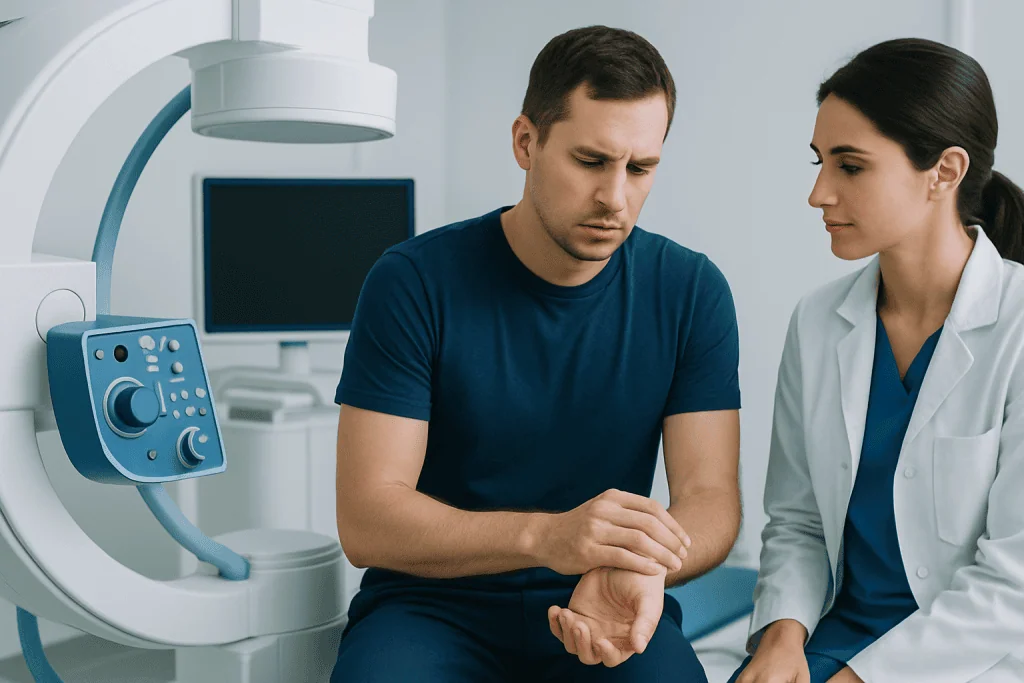
Nerve compression symptoms can vary from mild and occasional to more constant and disruptive. Many people describe numbness, tingling, “pins and needles,” burning discomfort, or sharp shooting pain. Symptoms may be worse during certain activities, after sleeping in one position, or at night when swelling and positioning can increase pressure on a nerve.
Weakness is another important sign. A compressed nerve may make it harder to grip objects, lift the foot, raise the arm, or perform fine motor tasks such as buttoning clothes. Some people notice clumsiness, hand fatigue, or dropping items more often. In the legs or feet, nerve compression may change walking patterns or make balance feel less steady.
The location of symptoms often provides clues. Compression in the wrist may cause numbness in the thumb, index, and middle fingers, while compression at the elbow can affect the ring and little fingers. Pressure on nerves in the neck or spine may cause symptoms that radiate along an arm or leg. Facial nerve pain has a different pattern and should be evaluated carefully, especially in conditions such as trigeminal neuralgia.
- Numbness or reduced sensation
- Tingling or pins and needles
- Burning, aching, or shooting pain
- Muscle weakness or fatigue
- Reduced coordination or grip strength
- Symptoms triggered by posture or repeated movement
Causes and Risk Factors

Nerve compression can happen when surrounding tissues place ongoing pressure on a nerve. Common causes include repetitive motions, prolonged bending of a joint, poor workstation setup, sports strain, swelling after injury, and age-related wear in the spine or joints. Herniated discs, bone spurs, thickened ligaments, or inflamed tendons can also narrow the space around a nerve.
Some health conditions raise the risk by making nerves more vulnerable or increasing tissue swelling. Diabetes, thyroid disorders, obesity, inflammatory arthritis, and pregnancy can all contribute. Scar tissue after surgery or trauma may also trap a nerve. In some cases, a cyst, mass, or tumor can compress nearby structures and needs further evaluation.
Risk also depends on daily habits and body mechanics. Spending long hours typing, using vibrating tools, resting elbows on hard surfaces, or sleeping with the wrist or neck in a strained position may aggravate symptoms over time. Although peripheral nerve compression is different from problems affecting the brain or spinal cord, symptoms can overlap with other neurologic conditions, including stroke or syringomyelia, which is why careful diagnosis matters.
How Nerve Compression Is Diagnosed
Diagnosis begins with a detailed medical history and physical examination. A doctor will ask when symptoms started, where they occur, what activities make them worse, and whether there is pain, numbness, weakness, or sleep disruption. During the examination, they may test strength, reflexes, sensation, coordination, and whether certain positions reproduce symptoms.
If nerve compression is suspected, additional tests may help confirm the diagnosis and show how severe it is. Nerve conduction studies and electromyography can assess how well electrical signals travel through the nerves and muscles. These tests are often arranged through neurophysiology evaluation when more precise information is needed.
Imaging may be useful when the cause is not clear or when a structural problem is suspected. Ultrasound can sometimes show nerve swelling or entrapment, while MRI or other scans may help identify disc problems, joint changes, masses, or spinal narrowing. In more complex cases, doctors may use advanced neuroradiology imaging to better understand where and why compression is occurring.
The main goal of diagnosis is not only to name the condition but also to rule out other causes of numbness, weakness, or pain. Problems such as peripheral neuropathy, muscle disorders, circulation issues, or central nervous system disease may require a different treatment plan.
Treatment Options for Peripheral Nerve Compression
Peripheral nerve treatment depends on the cause, location, severity, and duration of symptoms. Many people improve with conservative care, especially when treatment starts early. Initial treatment may include reducing aggravating activities, short-term splinting or bracing, ergonomic adjustments, physical or occupational therapy, and medicines to reduce pain or inflammation when appropriate.
Therapy often focuses on posture, nerve-gliding exercises, stretching, strengthening, and movement patterns that reduce pressure on the affected nerve. For example, adjusting keyboard height, avoiding prolonged elbow flexion, improving lifting technique, or changing sleeping position can make a meaningful difference. If an underlying condition such as diabetes or arthritis is contributing, that should be managed as part of the plan.
When symptoms are severe, progressive, or resistant to conservative care, procedures or surgery may be considered. Surgical decompression aims to create more space around the nerve by releasing the structure that is causing pressure. The decision is individualized and based on symptoms, exam findings, test results, and the risk of ongoing nerve damage. Some patients with complex pain or persistent nerve-related symptoms may also benefit from specialist approaches such as neuromodulation therapies in selected cases.
Because treatment is most effective when matched to the exact diagnosis, ongoing follow-up is important. Improvement may be gradual, especially if symptoms have been present for a long time, but early treatment often provides the best chance of full recovery.
Self-care and Prevention
Not every case of nerve compression can be prevented, but daily habits can lower the risk and help reduce flare-ups. Taking regular breaks from repetitive tasks, maintaining neutral wrist and neck positions, and avoiding prolonged pressure on elbows or knees are simple but helpful steps. A supportive workspace and proper posture can reduce strain during desk work and device use.
General health also matters. Regular exercise, weight management, good blood sugar control, and treatment of inflammatory or thyroid conditions may reduce the likelihood of recurrent symptoms. Building strength and flexibility through a guided program can help protect joints and soft tissues that surround nerves.
Self-care should not mean ignoring symptoms. If numbness or weakness is continuing despite rest, it is better to seek evaluation rather than waiting for function to decline. For children, athletes, or older adults with complex symptoms, referral to relevant specialists such as sports neurology assessment or age-specific neurologic care may be part of a broader plan.
- Take frequent movement breaks during repetitive work
- Use ergonomic tools and proper posture
- Avoid sleeping or sitting in positions that compress a limb
- Manage chronic conditions that affect nerve health
- Follow therapy exercises as advised by a clinician
When to See a Doctor
A medical review is recommended if nerve compression symptoms last more than a few days to weeks, keep returning, disturb sleep, or interfere with work, walking, hand use, or daily activities. Ongoing numbness, increasing pain, or weakness deserves attention because long-standing pressure can be harder to reverse.
Urgent evaluation is important if symptoms begin suddenly, rapidly worsen, or involve significant weakness, loss of coordination, trouble walking, or loss of bladder or bowel control. Sudden facial drooping, severe headache, difficulty speaking, or one-sided weakness should be treated as a medical emergency because these symptoms may point to conditions other than peripheral nerve compression.
Near the end of the diagnostic pathway, some people may benefit from care in a center with neurology, imaging, rehabilitation, pain, and surgical expertise working together. Acibadem International’s multidisciplinary specialists in JCI-accredited hospitals evaluate and treat peripheral nerve conditions for international patients when advanced assessment or treatment is needed.
Frequently asked questions
What are the first signs of nerve compression?
Early signs often include tingling, numbness, mild burning pain, or a pins-and-needles feeling in a specific area. Some people also notice weakness, hand clumsiness, or symptoms that get worse in certain positions.
Can nerve compression go away on its own?
Mild cases sometimes improve with rest, posture changes, and avoiding the activity that triggered the problem. However, persistent or worsening symptoms should be evaluated to help prevent longer-term nerve irritation or damage.
Is a pinched nerve the same as peripheral neuropathy?
No. A pinched nerve usually affects one specific nerve or nerve root because of pressure, while peripheral neuropathy often involves broader nerve damage from causes such as diabetes, toxins, or vitamin deficiencies. The symptoms can overlap, which is why proper diagnosis is important.
How is nerve compression diagnosed?
Doctors diagnose it using a symptom history, physical examination, and sometimes nerve conduction studies, electromyography, or imaging. These tests help show where the compression is located and whether the nerve is functioning normally.
When is surgery needed for nerve compression?
Surgery may be considered when symptoms are severe, weakness is progressing, or conservative treatment has not provided enough relief. The aim is to relieve pressure on the nerve and protect its function.
What helps relieve nerve compression symptoms at home?
Simple steps may include resting the affected area, improving posture, using a splint if advised, applying activity modifications, and doing clinician-guided exercises. Home care can help, but it should not replace medical evaluation if symptoms are strong, persistent, or getting worse.
References
- National Institute of Neurological Disorders and Stroke
- American Academy of Neurology
- National Institute of Arthritis and Musculoskeletal and Skin Diseases
- Mayo Clinic
- Merck Manual Consumer Version
This article is for general information only and is not a substitute for professional medical advice. Please consult a qualified doctor about your individual situation.
Peripheral Nerve in Turkey — costs, top hospitals & a free quote
JCI-accredited · board-certified surgeons · reply within 24h