

Check-up & Preventive Medicine
Structured screening programmes by age, sex and risk — from a focused screening to a full-day executive assessment, with results and an explanation the same day.

Screening built around who you are
Age, sex and risk decide what is worth testing for. These are the six families the programmes are organised into.

Women
The standard tests plus gynaecological examination and cervical cytology, with breast ultrasound at any age and mammography added from 40.
What is included →
Men
Focused on cardiovascular risk and the prostate, with a urology examination and PSA testing from 40.
What is included →
Children
Age-specific developmental screening with vision, hearing and dental checks, for ages 5 to 17.
What is included →
Over 65
Cardiology evaluation, bone density measurement, neurological examination and cancer screening.
What is included →
Targeted screening
Organ and disease-focused, including lung screening for heavy smokers and cardiac programmes for a family history.
What is included →
Nutrition
Body composition and metabolic rate measurement, insulin resistance assessment and a personalised plan.
What is included →The value is in the conversation at the end
Anyone can run a panel of tests. What decides whether a check-up was worth having is the consultation where someone goes through every finding, tells you which numbers matter, and says plainly what to do about them — and what to ignore.
- ✓Most results the same day, reviewed with you in person at the end of the day
- ✓Examinations, imaging and laboratory work in one place, in one visit
- ✓Direct referral into the relevant specialty when a finding needs one
- ✓A written summary you can hand to your own doctor at home
- ✓A recommendation for the programme that fits — often a smaller one
The conditions that stay silent until they are not
These are where finding something early genuinely changes what happens next.
Programme contents and durations described here come from Acibadem's published check-up material. How often to screen, by age →

Whole-body MRI: worth it, or not?
It is the most requested and most misunderstood item in check-up medicine, so here is the straight answer rather than the sales one.
- ✓No ionising radiation, excellent soft-tissue detail, and a real evidence base in certain inherited cancer syndromes.
- !In a well person at ordinary risk it frequently finds harmless incidental changes that lead to more scans and weeks of worry.
- !It does not reliably detect several important cancers — so it replaces neither mammography, cervical cytology, colonoscopy nor low-dose CT.
See exactly what is in each programme
Every test, listed. Compare the tiers and ask for the one that fits — the answer is often a smaller programme than you expected.

My Child’s Health Check-Up Program

Health Check-Up Program for Little Hearts

Forever Young Woman (+65) Check-Up Program

Always Young Men (+65) Check Up Program

Classic Men’s Check-Up Program

Gold Men’s Check-Up Program

Premium Men’s Check-Up Program

Executive (Including Full Body MRI) Male Check-Up Program

Executive (Endoscopy) – 40 Male Check-Up Program

Executive (Endoscopy and Colonoscopy +40) Male Check-Up Program

Full Body MRI (Panel 1) Check Up Program
Full Body MRI (Panel 2) Check Up Program

Heart and Lung Health Screening Package 2025 Check Up Program

Heart Health (Including Coronary CT Angiography) Check-Up Program
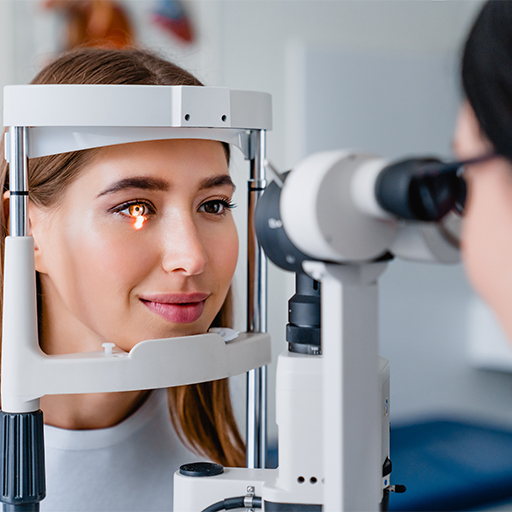
Eye Health Adult Check-Up Program

Children’s Eye Health Check-Up Program

Classic Women’s Check-Up Program

Gold Women’s Check-Up Program

Premium Women’s Check-Up Program

Executive (Including Full Body MRI) Women’s Check-Up Program

Executive (Endoscopy -40) Women’s Check-Up Program

Executive (Endoscopy and Colonoscopy +40) Women’s Check-Up Program

Breast Health Check-Up Program

Cervical Cancer Screening Program

Nutrition Program 1 (For First-Time Dieters)
Nutrition Program 2 (First-Time Dieters and Food Intolerance)
Nutrition Program 3 (4 Dietitian Consultations)
Nutrition Program 4 (6 Dietitian Consultations)
Nutrition Program 5 (8 Dietitian Consultations)
Nutrition Program 6 (Dietitian and Psychologist Consultations)
From fasting the night before to results that evening
- Fast 8–10 hoursWater is generally allowed. Bring your medication list and any previous results.
- Bloods and imagingAn eight-step sequence through the laboratory tests and scans in your programme.
- The examinationsSeen by each relevant specialist — cardiology, gynaecology or urology, and the rest of your tier.
- Results that eveningA consultation at the end of the day going through every available finding and what to do about it.
What is arranged for you
Everything you want to know, answered below
Quick answer
Check-up and Preventive Medicine focuses on assessing current health, identifying risk factors, and detecting potential problems early through personalized screenings, examinations, and laboratory or imaging tests. At Acibadem in Turkey, this unit organizes age-, sex-, and history-based evaluation programs and coordinates follow-up with relevant specialists when findings need further assessment or treatment.
The conditions that shorten most lives are silent for years. High blood pressure, raised blood sugar, a creeping cholesterol, a fatty liver, an early cancer — none of them hurt at the stage where they are easiest to treat. A check-up exists for exactly that gap: it looks for the diseases that have not yet produced a symptom, in someone who feels well. Acıbadem’s Check-Up and Preventive Medicine unit runs structured programmes for women, men, children, adults over 65 and specific risks, from a focused screening to a six-to-seven-hour executive assessment. This page explains — honestly and in plain language — what each programme contains, what the tests actually detect, how often screening is worth repeating, how to prepare, and what a check-up genuinely cannot promise.
What a check-up is actually for
A check-up is not a general reassurance service. It is a structured search for specific conditions in people without symptoms, chosen because finding them early changes what happens next.
That distinction matters in both directions:
- It is not a diagnostic work-up. A symptom that has already appeared calls for a targeted assessment rather than a screening package. A check-up is designed for the well.
- It is not a guarantee. A clean check-up means the tests performed found nothing on the day they were performed. It does not mean nothing can develop next month, and it does not cover every disease that exists.
- Its value is concentrated in a handful of conditions. Cardiovascular risk, diabetes and prediabetes, thyroid disorders, anaemia and iron deficiency, liver and kidney function, and the cancers with proven screening tests. These are where finding something early genuinely changes the outcome.
A check-up buys you information and a baseline. What makes it worth doing is what happens with that information afterwards.
The programme families
Acıbadem’s published check-up material organises its programmes into six families. The composition of each programme below is taken from that published material.
- Women’s programmes — the standard tests plus a gynaecological examination, cervical cytology and, where age-appropriate, mammography and breast ultrasound.
- Men’s programmes — cardiology and urology examinations, with prostate evaluation particularly after 40.
- Children’s programmes — age-specific developmental screening, blood tests, and vision and hearing checks.
- Programmes for adults over 65 — cardiology evaluation, bone density measurement, neurological examination and cancer screening.
- Targeted screening programmes — organ or disease-focused, including lung cancer screening for heavy smokers and cardiac programmes for those with a family history.
- Nutrition programmes — body composition analysis, metabolic rate measurement and dietitian consultation with a personalised nutrition plan.
Within the adult families the programmes are tiered — Classic, Gold, Premium and Executive — with each tier adding examinations, imaging and laboratory tests to the one below it.
The Classic tier: the sensible baseline
The Classic programmes are the entry point, and for a healthy adult with no particular risk factors they are often the right answer rather than the cheap answer.
Classic for women, per Acıbadem’s published programme content, comprises 3 examinations (check-up, cardiology, gynaecology), 5 imaging studies (chest X-ray, thyroid ultrasound, whole-abdomen ultrasound, and bilateral breast ultrasound and digital mammography where age-appropriate), 26 laboratory tests, 3 cardiology investigations (ECG, plus exercise ECG or echocardiography) and cervical thin-prep cytology.
Classic for men comprises 3 examinations (check-up, cardiology, urology), 3 imaging studies (chest X-ray, thyroid ultrasound, whole-abdomen ultrasound), 30 laboratory tests and 3 cardiology investigations. The laboratory set adds total and bioavailable testosterone and total and free PSA.
The 26-test laboratory panel in the women’s Classic programme is worth listing, because it is the core of every tier above it: liver enzymes ALT and AST; iron, iron-binding capacity and ferritin; magnesium; folate; faecal occult blood; fasting glucose and insulin; calcium; HDL, LDL and total cholesterol; triglycerides; creatinine, urea nitrogen and uric acid; full urinalysis; complete blood count; TSH and free T4; hepatitis B surface antigen and antibody; hepatitis C antibody; and high-sensitivity CRP.
Gold and Premium: what each tier adds
Gold adds breadth of expertise and a first layer of extra testing. For women it becomes 6 examinations (adding dermatology or ophthalmology, dentistry and a dietitian consultation), 7 imaging studies (adding whole-body bone density measurement where age-appropriate and a panoramic dental X-ray), 35 laboratory tests and a body composition measurement. The new laboratory tests are HbA1c, lipase, amylase, lipoprotein(a), vitamin B12 and vitamin D.
For men the equivalent is 6 examinations, 5 imaging studies including a low-dose chest CT, and 33 laboratory tests. One caveat on that CT: low-dose chest CT is a screening test with proven benefit in long-term heavy smokers, and if you have never smoked you should ask whether to have it at all, because in never-smokers it mostly finds changes that have to be chased. It also uses ionising radiation, as do the chest X-ray, the mammogram and the dental film in these programmes — a small dose each time, but a reason to take them because they are indicated for you rather than because they come with the tier.
Premium is where imaging steps up: it introduces whole-body MRI. For women the programme is 6 examinations, 8 imaging studies, 42 laboratory tests; for men 6, 6 and 46. The additional laboratory tests are a dedicated lipid panel, albumin, alkaline phosphatase, zinc, phosphorus, GGT, potassium, total protein, sodium and hepatitis A total antibody.
More tests are not automatically better medicine. Every additional test carries a chance of an incidental finding that leads to further investigation and worry without changing your health. The right tier is the one that matches your age, sex, family history and risk — which is what the pre-programme conversation is for.
The Executive programmes
The Executive tier is the longest assessment — six to seven hours — and Acıbadem publishes three variants. All three include 9 examinations — check-up, ENT, gynaecology or urology, chest diseases, ophthalmology, dermatology, cardiology, dentistry and a dietitian.
- Executive including whole-body MRI — for women, 9 imaging studies, 53 laboratory tests, 4 cardiology investigations including 24-hour blood pressure monitoring, thin-prep with HPV co-testing, and 8 further procedures. The imaging comprises moving-table whole-body MRI screening, low-dose chest CT, thyroid and whole-abdomen ultrasound, bilateral carotid Doppler, whole-body bone density, panoramic dental X-ray, breast ultrasound and mammography.
- Executive with endoscopy, under 40 — replaces whole-body MRI with non-contrast intracranial MR angiography and non-contrast brain MRI, and adds upper gastrointestinal endoscopy with biopsy under sedation and analgesia.
- Executive with endoscopy and colonoscopy, over 40 — the fullest programme; for women 10 imaging studies, 53 laboratory tests, 3 pathology examinations and 12 further procedures, adding colonoscopy with biopsy and, where needed, colonoscopic polypectomy for up to three polyps.
A word about the invasive parts of these programmes. Endoscopy and colonoscopy are procedures rather than scans: they carry a small but real risk of bleeding, of perforation of the gut wall needing surgery, and the risks of sedation, and screening colonoscopy is worth that trade-off when there is a reason for it — the age at which your own guidelines start bowel screening, a family history, or a symptom being investigated — not because it is bundled into a tier. Intracranial MR angiography in a well person can also find an aneurysm that would never have caused harm, and that finding cannot be un-seen. Ask the check-up physician what each of these tests is looking for in your case, and what happens if it finds something, before you agree to them.
The Executive laboratory set adds homocysteine, LDH, aPTT, ESR, prolactin, free T3, tumour markers alpha-fetoprotein, CA 125, CA 15-3 and CA 19-9 in the women’s programme, throat and urine culture, stool parasite examination and HIV antibody/p24 testing. Two of those need saying plainly. The tumour markers, alpha-fetoprotein included, are subject to the caution below — they are not screening tests in a well person. And HIV testing is done only with your explicit agreement: you will be asked before the blood is taken, you can decline it and keep the rest of the programme, and the result, whatever it shows, is given to you in person by a doctor rather than printed in a report.
The additional procedures include dental scaling, sleep polysomnography, audiometry with tympanometry, pulmonary function testing, dermatoscopy and body composition analysis.
A caution on tumour markers: CA 125, CA 15-3, CA 19-9 and CEA are not cancer screening tests for people without symptoms. They rise in benign conditions and can be normal in the presence of cancer. Their place is in monitoring a known diagnosis, and a raised value in a well person most often leads to further tests that find nothing. If your programme includes them, make sure someone explains that before the result lands.
The Executive extras, explained
The longest programmes add six items that appear nowhere else and are rarely explained before the day.
Sleep polysomnography
An overnight study. Sensors are taped to your scalp, face, chest and a finger while a technician records breathing, oxygen, heart rhythm and sleep stages — in a room at the hospital, so plan a night for it. It looks for obstructive sleep apnoea: breathing that stops and restarts repeatedly, fragmenting sleep without waking you fully. It sits directly behind the high blood pressure, disturbed rhythms and insulin resistance the same programme is measuring. Those who gain most snore with witnessed pauses, wake unrefreshed, or have blood pressure that will not come down.
Pulmonary function testing
You blow as hard and as long as you can into a tube, several times. It measures obstruction to airflow and separates asthma-pattern from COPD-pattern disease. Useful for smokers, ex-smokers and anyone breathless on stairs. It depends on your effort, so a normal result from a poor attempt means little.
Audiometry with tympanometry
Tones through headphones in a quiet booth, plus a brief pressure test of how the eardrum moves. Painless, quick, and it finds the gradual hearing loss people do not notice in themselves. Sudden hearing loss in one ear is different: it is not a screening question but an urgent one, because the treatment window is short.
Dermatoscopy
A handheld lens with a light, held against the skin, sometimes with photographs kept for comparison. It reads the structure inside a mole rather than its outline. Most useful for fair skin, many moles, past sunburn or a family history of melanoma. A mole that is changing, itching or bleeding is not a screening question: it is assessed directly.
Dental scaling and body composition
Scaling removes hardened plaque with an ultrasonic tip and water; gums often bleed a little and feel tender afterwards. It is not whitening and it does not treat decay. Body composition analysis passes a small current through you to estimate fat, muscle and water — a trend worth following over years rather than a diagnosis, and something to mention beforehand if you have a pacemaker or other implanted device.
Women’s screening
Beyond the tiered programmes, Acıbadem publishes two focused women’s programmes.
The breast health programme comprises a general surgery examination with bilateral mammography and bilateral breast ultrasound.
The cervical cancer screening programme comprises a gynaecological examination, pelvic ultrasound and thin-prep with co-testing. It applies to all women aged 21 and over.
Two age rules from the published programme footnotes are worth knowing before you choose: mammography and breast ultrasound are included for women aged 40 and over, and breast ultrasound for women under 40 — both studies on the physician’s recommendation, and bone density measurement is included from age 40, and below 40 on the physician’s recommendation.
Acıbadem’s own screening guidance states that from age 40 mammography should be performed at least once a year; most national programmes screen every one to three years from 40 or 50, so check the interval that applies where you live. Cervical screening starts at 21 — the age used by Acıbadem’s own dedicated cervical programme — and is then repeated every three years with cytology, or every five years where HPV co-testing is used. It is not started earlier: testing before 21 mostly finds changes that would have cleared on their own, and the treatment that follows can do more harm than the changes would have.
HPV co-testing, and what a positive result means
Thin-prep with HPV co-testing runs two tests on one sample: cytology looks at the cervical cells, the HPV test looks for the virus that changes them — and it turns positive earlier, before the cells change.
The four combinations
- HPV negative, cytology normal. The reassuring result, and the reason co-testing allows a longer interval.
- HPV positive, cytology normal. Common, and the result that frightens people most. It is not cancer: the virus is present, the cells are not yet affected. It means a shorter repeat interval, or colposcopy depending on the type found.
- HPV negative, cytology abnormal. Usually minor cell changes, repeated rather than acted on at once.
- Both abnormal. Colposcopy.
What a positive HPV test does not tell you
Not when you acquired it, and nothing about a partner’s recent behaviour. HPV is common, passes by skin and sexual contact, sits silent for years, and usually clears on its own.
Colposcopy, and what screening does not cover
Colposcopy is an outpatient examination: the cervix under magnification, with a sample taken from anything abnormal; findings go to gynaecology and obstetrics. A normal screening result does not cover bleeding after sex, between periods or after the menopause: those are assessed directly rather than screened for.
Men’s screening
The men’s programmes centre on two things that are common, silent and treatable when caught: cardiovascular risk and prostate disease.
Every men’s tier includes a urology examination alongside cardiology, and the laboratory panel includes total and free PSA. The published footnote sets the rule plainly: PSA testing is included for men over 40, on the physician’s recommendation, and is not applied below 40.
PSA is not a simple yes-or-no cancer test. It rises with benign prostatic enlargement, with infection, after cycling and after ejaculation, and a raised value most often does not mean cancer. It can also be normal in men who have it. Modern practice is to treat PSA as one input to a conversation about your age, family history and preferences — not as a verdict. If your PSA comes back raised, the next step is a discussion, not a panic.
Children’s programmes
Acıbadem publishes three children’s programmes.
- The general children’s programme — 5 examinations (paediatrics, ophthalmology, ENT, dietitian, dentistry), 3 imaging studies (two-view chest X-ray, whole-abdomen ultrasound, panoramic dental film), 13 laboratory tests, an ECG and body composition measurement. The programme applies to children and young people aged 5 to 17.
- A children’s cardiac programme — a focused examination with imaging and cardiology assessment.
- A children’s eye programme — ophthalmological assessment, with early diagnosis and control of myopia as the purpose.
A children’s programme is for a well child: a screening panel is not a way to find out what is wrong with a child who is unwell today.
The 13-test paediatric laboratory panel covers liver enzymes, zinc, ferritin, folate, fasting glucose, spot urine calcium and creatinine, serum creatinine, urinalysis, urea nitrogen, vitamin B12, vitamin D and a full blood count — a set aimed at growth, iron status and vitamin deficiency rather than adult disease.
Programmes for adults over 65
Acıbadem publishes women’s and men’s programmes for this age group. Each comprises 3 examinations, 8 imaging studies for women or 6 for men, 38 laboratory tests and 2 cardiology investigations; the women’s programme adds CA 72-4, CEA and microalbumin, and the men’s adds total and free PSA and drops CA 125 and CA 15-3. The caution given earlier applies here too, and applies most in this age group: CA 72-4 and CEA are not cancer screening tests for a person without symptoms. They rise in benign conditions, they can be normal when cancer is present, and a raised value in a well person most often leads to scans that find nothing. Ask whether you want them included before the blood is taken.
What matters most in this age group is often not on any panel: mobility, balance and falls risk, cognition, continence, nutrition, hearing and vision, and a review of every medicine being taken. If you are booking a check-up for an older parent, ask for those to be part of the conversation.
Targeted screening programmes
Alongside the general tiers, Acıbadem publishes disease-focused programmes. The heart and lung programme comprises 3 examinations, 2 imaging studies, 11 laboratory tests, 2 cardiology investigations and a further procedure; the heart health programme comprises 2 examinations, 1 imaging study, 8 laboratory tests and 2 cardiology investigations.
Targeted screening is the part of check-up medicine with the strongest evidence behind it, because it aims a specific test at a specific elevated risk rather than testing everything in everyone. Lung cancer screening with low-dose CT in long-term heavy smokers is the clearest example: in that group it saves lives, and in never-smokers it mostly produces false alarms.
Nutrition and metabolic programmes
Acıbadem publishes six nutrition programmes. They include HOMA-IR insulin resistance assessment, a food intolerance test, a lipid panel and, in one programme, a psychologist consultation.
IgG-based food intolerance panels are widely sold and poorly supported by evidence — a positive result often reflects exposure to a food rather than intolerance to it. Genuine food allergy and coeliac disease are diagnosed differently. If a result leads you to eliminate whole food groups, do that with a dietitian rather than alone.
HOMA-IR is a calculation from fasting glucose and insulin used to flag insulin resistance. Treat it as a rough index rather than a diagnosis: it is not standardised between laboratories and it is not used on its own to diagnose anything, so a result either way does not settle your metabolic risk. What it can usefully do is start a conversation about weight, diet and activity alongside your HbA1c, lipids and blood pressure — which is where the evidence actually is.
Whole-body MRI: the honest assessment
Whole-body MRI appears in the Premium and Executive tiers, and it is the single most requested and most misunderstood item in check-up medicine.
What it does well: it uses no ionising radiation, it images soft tissue in detail, and in people at genuinely elevated risk — certain inherited cancer syndromes, for example — it has a real evidence base.
What it does less well in a well person with no particular risk: it finds things. Small cysts, benign nodules, harmless anatomical variants. These are called incidentalomas, and most lead to further scans, sometimes a biopsy, and a period of fear, before being declared harmless. It also does not reliably detect several of the cancers that matter most, including many early lung, bowel and prostate cancers, which is why it does not replace the screening tests that do.
Whole-body MRI is a legitimate choice for someone who understands and accepts the incidental-finding trade-off, and it is not a substitute for mammography, cervical cytology, colonoscopy or low-dose CT in the groups for whom those are indicated.
Brain MRI and intracranial MR angiography
The under-40 Executive variant replaces whole-body MRI with two scans of the head.
Both are screening scans for a person without symptoms; a sudden, severe headache that reaches its worst within seconds is a different matter, assessed as an emergency rather than with a booked scan.
What the two scans are
MR angiography maps the arteries at the base of the brain, looking for an unruptured aneurysm (a bulge in an artery wall) and for narrowed vessels. The MRI images the tissue itself: old strokes, white matter changes, cysts. Neither uses an injection or radiation. You lie inside a loud tube and keep still; say beforehand if you are claustrophobic or have a pacemaker, an implant or metal in your eyes.
The finding nobody prepares you for
Small unruptured aneurysms, arachnoid cysts and non-specific white matter spots turn up in people who feel entirely well. Once one is in a report it cannot be unseen: it can mean repeat scans for years, or treating something that would never have declared itself — and that treatment carries its own risk. The case for looking is strongest when a parent, brother or sister has had a brain aneurysm or a subarachnoid haemorrhage. Otherwise, ask what a finding would change before agreeing to it. Anything found goes to neurosurgery.
What the standard tests actually look for
Most of a check-up is a blood panel, and most people never learn what the lines mean. In brief:
- Full blood count — anaemia, infection, and abnormalities of the blood cells themselves. The commonest useful finding is iron-deficiency anaemia, which always deserves a reason.
- Fasting glucose, insulin and HbA1c — diabetes and, more importantly, the prediabetic range, where weight loss, diet and activity substantially reduce the chance of going on to develop diabetes, though not in everyone: a prediabetic result is reviewed and re-tested rather than simply noted. HbA1c reflects roughly the last three months rather than this morning.
- Lipid panel — total, LDL and HDL cholesterol and triglycerides, feeding into cardiovascular risk. LDL is the number most treatments target.
- Liver enzymes ALT, AST and GGT — a mild persistent rise in a well adult often turns out to be fatty liver disease, but alcohol, prescribed medicines and supplements, hepatitis B and C and less common liver conditions produce the same picture, so a raised enzyme is investigated rather than assumed. Early fatty liver frequently improves with weight, diet and activity; once scarring has developed it does not simply reverse, which is why the amount of liver damage is measured rather than guessed.
- Creatinine and urea nitrogen — kidney function, usually reported alongside a calculated filtration rate. Kidney disease is almost entirely silent until it is advanced.
- TSH and thyroid hormones — an under- or overactive thyroid, which is common, easily treated and easily missed because its symptoms are vague.
- Ferritin, B12, folate, vitamin D — deficiencies that cause fatigue, hair loss and low mood. Correcting the level is only half the job: low iron or low B12 in an adult needs its cause found, because iron deficiency can be the first sign of bleeding in the bowel — in men and in women past the menopause it is investigated as such — and B12 deficiency can damage nerves if it is only partly treated.
- High-sensitivity CRP — inflammation; non-specific, and interpreted in context rather than alone.
- Urinalysis — protein, blood and glucose in the urine, all of which point somewhere specific.
- Faecal occult blood — hidden blood from the bowel, used as a first-line bowel screening test in people without symptoms. A negative result does not exclude bowel cancer and it never replaces direct investigation of visible rectal bleeding, a persistent change in bowel habit or unexplained iron deficiency: those are looked at with a colonoscopy whatever the stool test shows.
What the scans and cardiology tests show
- ECG — the heart’s electrical activity: rhythm disturbances, evidence of a previous silent heart attack, and conduction problems.
- Exercise ECG and echocardiography — whether the exercise ECG or the echocardiogram is performed is decided by the physician. The exercise test looks for restricted blood flow under load; the echocardiogram images the heart muscle and valves.
- 24-hour blood pressure monitoring — included in the Executive programmes, and the most reliable way to separate sustained hypertension from a reading raised by the clinic itself.
- Carotid Doppler ultrasound — narrowing and plaque in the neck arteries; a marker of overall arterial disease as well as stroke risk.
- Thyroid and abdominal ultrasound — thyroid nodules, gallstones, fatty liver, kidney stones and cysts.
- Low-dose chest CT — the lung cancer screening test with real evidence in heavy smokers.
- Bone density measurement — osteoporosis, before the fracture rather than after it.
- Endoscopy and colonoscopy — direct examination of the upper gut and bowel with biopsy. The published footnotes state that endoscopy is performed on the physician’s recommendation and that colonoscopy is included for those over 40, with polypectomy for up to three polyps. Colonoscopy is the one screening test that both detects cancer and prevents it, by removing the polyps that would have become it.
- Panoramic dental X-ray — included on the dentist’s recommendation.
Radiation across a check-up, and what yearly repetition adds up to
Some of these studies use ionising radiation and some do not, and nobody explains the difference while you choose a tier.
Where the dose sits
- None — ultrasound, ECG, echocardiography, MRI and MR angiography.
- Very low — bone density, the panoramic dental film and the chest X-ray, each a small fraction of what you absorb in a year from the ground, buildings and food.
- Low — mammography: more than a chest film, still small.
- The largest single contributor here — low-dose chest CT. “Low-dose” is relative to an ordinary CT, not to an X-ray.
What repeating it every year means
A single year of a Gold programme is a small exposure; repeated annually from 40 across a decade it stops being nothing — a reason to take each study because it is indicated for you, not because it came with the tier. Radiology works to ALARA: every exposure as low as reasonably achievable and justified by what it should find. Low-dose CT clears that bar in long-term heavy smokers; in a never-smoker it generally does not. Dose is weighed against benefit, never counted alone. Tell the team if you are pregnant or might be, before any X-ray or CT.
What your key numbers actually mean
A handful of numbers drive most check-up conversations. These are general reference bands: they vary between laboratories and between national guidelines, and they are read alongside everything else about you. A single value is a question, not a diagnosis.
Blood pressure
Below 120/80 mmHg is normal. Guidelines differ on where treatment begins — many use 140/90 measured in clinic, others 130/80 — which is why one corridor reading settles nothing and 24-hour monitoring settles a great deal. A reading of 180/120 or higher is severe hypertension, which is assessed and treated urgently rather than at the next routine appointment.
Fasting glucose and HbA1c
Fasting glucose under 100 mg/dL (5.6 mmol/L) is normal; 100 to 125 mg/dL (5.6 to 6.9 mmol/L) is the prediabetic range; 126 mg/dL (7.0 mmol/L) or higher, confirmed on a repeat, is diabetes. For HbA1c the bands are under 5.7 per cent, 5.7 to 6.4 per cent, and 6.5 per cent or higher, and some guidelines set the lower cut-off slightly differently. Prediabetes is the useful finding: it is the point at which diet, weight and activity still change the direction of travel.
LDL cholesterol
There is no single correct LDL. The target moves with your overall cardiovascular risk — lower for someone with established heart disease or diabetes than for someone with neither.
eGFR
The calculated filtration rate stages kidney function: 90 and over, 60 to 89, 45 to 59, 30 to 44, 15 to 29, and under 15. Chronic kidney disease is defined by a reduced rate that persists over months, not by one reading, and the calculation shifts with muscle mass, age and dehydration.
Ferritin
Ferritin is the iron store and it falls before the haemoglobin does — iron deficiency without anaemia. Cut-offs vary: some laboratories flag under 15 µg/L, many specialists use 30. Ferritin also rises with inflammation, so a normal value does not exclude deficiency. Low iron in an adult needs its cause found, not only its level corrected.
Your cardiovascular risk estimate
Blood pressure, the lipid panel, fasting glucose and HbA1c, smoking status, hsCRP and the carotid Doppler are not six separate verdicts. They combine into one estimate: how likely a heart attack or stroke is over the next ten years — the most useful thing an adult check-up produces.
Why it decides what a number means
An LDL value has no fixed meaning alone. The same figure can be unremarkable in a young non-smoker with normal blood pressure, and a reason to act in an older smoker with diabetes.
What moves it
Age, sex and family history feed the calculation and cannot be changed. Smoking, blood pressure, LDL cholesterol, blood sugar, weight and activity feed it too, and can. hsCRP and carotid plaque refine it at the margins; neither is a diagnosis.
A risk estimate describes a group of people who resemble you; it does not predict your life. It opens the discussion about whether treatment is worth starting, and at what threshold — with a doctor, and with cardiology where findings need it. It is an estimate for people without symptoms, and it says nothing about a symptom that is already present.
Lipoprotein(a) and the extended lipid tests
A test most people need only once
Lipoprotein(a) is added at Gold, and it is the most interesting line that tier buys. The level is largely genetic, so it barely shifts across a lifetime — for most people it is measured once, not annually. A raised level adds to cardiovascular risk on top of LDL, and being inherited it matters for brothers, sisters and children too. It does not respond to the diet and exercise that work on LDL; what it changes is how tightly everything else is worth controlling.
The dedicated lipid panel at Premium
Premium adds a lipid panel beyond the standard four lines. Extended panels generally report apolipoprotein B or non-HDL cholesterol, which count the particles rather than the cholesterol inside them and stay reliable when triglycerides are high.
Hepatitis and HIV testing: reading the result
Every tier runs viral serology, and these are among the few check-up results that lead somewhere specific.
Hepatitis B: antigen versus antibody
The surface antigen (HBsAg) is the virus; the surface antibody is protection, from vaccination or a cleared infection. Antigen negative and antibody negative is the actionable result: you are not protected, and that is a vaccination conversation. A positive antigen needs a liver assessment through gastroenterology, and household contacts should be tested and vaccinated.
Hepatitis C and hepatitis A
A positive hepatitis C antibody means the virus was there at some point; it is confirmed with a test for the virus itself. It matters because hepatitis C is now treatable with antiviral tablets. Hepatitis A antibody shows only whether you are immune — useful before travel.
HIV
You are asked before the blood is taken, you can decline and keep the rest of the programme, and the result is given to you in person rather than printed into a report. A reactive screening test is confirmed before it is called a diagnosis. Screening is a separate matter from a recent exposure: preventive treatment after an exposure only works if it is started within a short window, which is a matter of days rather than the weeks a check-up is planned over.
How often to have a check-up
Acıbadem’s published check-up guidance sets its own service interval: between the ages of 18 and 39, once every one to two years; over the age of 40, every year. Read it as that — a service interval, not a medical rule. National programmes screen far more selectively, and repeating a broad panel every year in a healthy adult with no risk factors mainly raises the chance of a finding that then has to be chased. What genuinely runs to a fixed timetable is the individual screening test — cervical screening, mammography, bowel screening — at the interval your own country’s programme sets, and a discussion with your doctor about how much else is worth repeating in your case.
The guidance also separates the recommendations by age band and sex — distinct sets for women and men aged 20 to 40, for women and men over 40, and for those over 50 — with the content of each reflecting what becomes worth screening for at that stage of life.
Two qualifications worth holding alongside those intervals. Family history moves the timetable: a first-degree relative with bowel cancer, breast cancer or early heart disease generally means starting earlier and repeating more often. And some individual screening tests run on their own schedules, independent of the check-up cycle — cervical cytology, mammography from 40, and bowel screening from the age at which your own guidelines start it.
What screening changes at 20, 30, 40, 50 and 60
Screening is not one list repeated for life. Each decade adds a few tests for a specific reason, and it is the change that is worth knowing. The interval for each individual test is set by the programme in your own country, and family history moves every starting age earlier.
Your twenties
The baseline decade. Blood pressure, weight and waist, a lipid panel, a full blood count, and a conversation about smoking, alcohol and activity. Cervical screening begins at 21. Hepatitis B status is worth knowing now, because it decides whether you need vaccinating. Nothing here is dramatic; it exists so the numbers at 40 have something to be compared against.
Your thirties
Metabolism enters the panel: fasting glucose and HbA1c, thyroid function, liver enzymes and kidney function. This is the decade in which prediabetes and fatty liver are most often found in people who feel entirely well, and the decade in which they are most reversible.
From 40
The biggest step. Mammography enters the women’s panel and bone density is included. A PSA discussion — a discussion, not an automatic test — enters the men’s panel. Cardiovascular risk stops being theoretical: blood pressure, lipids, glucose and smoking history now combine into a risk estimate that decides whether anything needs treating.
From 50
Bowel screening is the defining addition. Countries start it at different ages, commonly between the mid-forties and fifty, and earlier where a first-degree relative was affected — often ten years before the age at which that relative was diagnosed. Low-dose chest CT belongs to this decade too, but only for people with a heavy smoking history.
From 60
The emphasis shifts from finding disease to protecting function: hearing, vision, balance and falls, memory, nutrition, continence, and a review of every medicine being taken. Cancer screening continues, but whether each test still benefits you is decided with a doctor rather than by habit.
None of these lists replaces having a symptom looked at. A symptom is assessed when it appears, at any age, whatever your screening timetable says.
How to prepare
Acıbadem’s published check-up information gives the practical instructions:
- Fasting. An 8 to 10 hour fast is generally required before the blood tests. If you take insulin or any diabetes medicine, do not plan the fast yourself: tell the booking team when you book so that the fast and your medication on the morning are planned by a doctor, and bring your glucose meter and something sugary with you. Fasting while taking your usual insulin or a sulphonylurea can cause a dangerous drop in blood sugar. The same applies to a child with diabetes attending a children’s programme.
- Water. Drinking water during the fast is generally permitted, though the published information advises checking with your physician.
- Menstruation. The published information addresses timing around a period; if yours is due, say so when booking so the gynaecological and urine tests can be scheduled sensibly.
- Medication. Bring a list of everything you take. Do not stop any prescribed medicine to prepare for a check-up unless the doctor arranging it tells you to — that instruction has to come from a clinician who knows why you are taking it.
- Previous results. Bring earlier reports and scans if you have them. A trend across years is more informative than a single value, and it can prevent a repeat investigation of something already known and benign.
Endoscopy and colonoscopy: preparation, sedation and the day after
These two items stop a check-up being a single day. They are procedures, not scans.
Bowel preparation starts the day before
A colonoscopy only works if the bowel is empty: a low-residue diet, then clear fluids only, then a purgative taken in divided portions the evening before and often early on the morning itself. It causes repeated, urgent diarrhoea. Plan to be somewhere with a bathroom, not sightseeing.
Two preparation points are not yours to plan alone. If you take insulin or any diabetes medicine, the diet, the purgative and the fast together can drop your blood sugar dangerously — the doctor arranging the procedure plans that with you, and you change nothing on your own. The same applies to a blood thinner or an antiplatelet: whether it continues is decided by the doctor who prescribed it together with the team doing the procedure, never by you.
Sedation
Both procedures are performed under sedation and analgesia, so the fasting rules are stricter and different from the blood-test fast. Follow the times the unit gives you exactly — sedation with food in the stomach risks it entering the lungs. You need a responsible adult to collect you, and you must not drive, travel alone, drink alcohol or sign anything legally binding for the rest of that day.
The hours and days afterwards
Expect bloating, wind and cramping from the air used to open the bowel, a sore throat after an upper endoscopy, and, if a polyp was removed, a small amount of blood on wiping or in the first stool.
Perforation of the bowel wall and bleeding after a polypectomy are uncommon, but they are the two complications that matter: both are hospital emergencies treated urgently, both can appear hours or up to about two weeks after the procedure rather than immediately, and they worsen quickly. They announce themselves as severe or worsening abdominal pain, a hard or swollen abdomen, fever or shaking chills, repeated vomiting, or heavy or repeated rectal bleeding — none of which belongs to an ordinary recovery.
Ask the endoscopist when the biopsy result is expected and how long to wait before a long flight after a polypectomy, then book the flight around that answer. Findings that need ongoing care pass to gastroenterology.
How long a check-up takes, and when results arrive
Acıbadem’s published information describes the duration as from a few hours to half a day, and its own frequently asked questions put the range more precisely at three to four hours for the shorter programmes and six to seven hours for the more comprehensive ones.
On results, the great majority of tests are resulted the same day, and the check-up physician goes through all of your available results with you in a consultation at the end of the day — which is the point of the format.
The process itself is set out as an eight-step sequence running from booking the appointment, through the history and the individual tests, to the final evaluation consultation and the plan for the next check-up.
What “same-day results” does not include
Most of a check-up is resulted on the day. Some of it cannot be, and if you are flying home that difference decides what you book.
Ready for the end-of-day consultation
Blood chemistry, the full blood count, urinalysis, the cardiology investigations, and the reports for ultrasound, X-ray, CT and MRI.
Not ready that day
- Cervical thin-prep cytology and HPV co-testing. The sample goes to a pathologist and is read under a microscope.
- Biopsy histopathology from endoscopy, colonoscopy or a removed polyp. Tissue has to be fixed, processed and cut before anyone can look at it, and extra staining adds more time.
- Throat and urine cultures. Bacteria have to grow before they can be identified — days, not hours.
- Stool parasite examination and anything sent to an outside laboratory.
The largest programmes contain the slowest tests: the Executive tiers include biopsies, cytology and cultures, and none of those can be resulted on the day they are taken.
Before you leave the country
Ask for three things in writing: the expected date for each outstanding result, how it will reach you, and in which language the report is issued. Ask for a copy in a language your own doctor reads, and hand it to them.
Outstanding results are reviewed by a check-up physician rather than simply posted to you, and an abnormal result that needs action once you are home is telephoned through rather than left in a report.
How many days to allow, if you are travelling
The hours quoted for each programme are hospital time, not travel time. Build the trip around the fast and the consultation.
- Shortest plan — two nights. Arrive the evening before, because the blood tests need an 8 to 10 hour fast and a morning flight will not give you one. One full day for a Classic or Gold programme, ending with the results consultation. Fly the next day.
- Executive without endoscopy — two to three nights. Same arrival, a much longer day, and a spare day is sensible rather than optional.
- Any programme with colonoscopy — add a full day. One day goes to bowel preparation, the procedure day ends under sedation, and you should not fly that evening.
Two things extend a trip: a finding that triggers an onward referral before you fly, and a result that has to be repeated. Neither can be predicted, so leave one flexible day at the end rather than a tight connection.
Reading your results without panicking
Almost everyone gets at least one value outside the reference range. That is arithmetic, not illness: reference ranges are built so that a proportion of healthy people fall outside them by definition, and the more tests you run the more likely one is to be flagged. There is an exception worth knowing, because it is the one that matters: a small number of results are acted on the same day rather than repeated — a very low blood count, a very high blood sugar, a disturbed potassium, sodium or calcium, a sharply abnormal kidney or liver result, or a scan report the radiologist marks urgent. Those are the results that generate a telephone call rather than a line in the end-of-day summary.
Some practical rules:
- A single abnormal value is a question, not a diagnosis. Most are repeated before anything else happens.
- Trends beat snapshots. A cholesterol that has climbed steadily over three years matters more than one mildly raised reading.
- Context changes interpretation. Recent illness, intense exercise, alcohol the night before, dehydration and some medicines all move results.
- Ask what a finding changes. The useful question about any result is not “is it normal?” but “does this change what I should do?”
- Incidental findings are common on imaging. Small cysts and benign nodules are found constantly and most need nothing more than a note in your file — but some carry a defined follow-up, such as a lung nodule, an adrenal or kidney mass, a pancreatic cyst or a widened aorta. If your report recommends a repeat scan at a stated interval, that date is part of your care: get it in writing before you travel home, and give it to your own doctor so the repeat actually happens.
What happens after the check-up
This is where a check-up either earns its cost or does not.
A good outcome is a written summary you can keep and share with your own doctor, a clear statement of which findings need action and which need only a repeat in a year, referrals arranged where something needs a specialist, and a realistic plan for the risk factors that came up — blood pressure, weight, activity, smoking, alcohol, sleep.
Where a finding needs a specialist, the pathway runs into the wider group: cardiology for rhythm and risk findings, gastroenterology for endoscopic and liver findings, endocrinology for thyroid and metabolic results, radiology for further imaging, and nutrition and dietetics for the changes that follow.
Your check-up team
A check-up is coordinated by physicians whose work is preventive rather than procedural: check-up and wellness specialists, internal medicine physicians and family medicine specialists, several of whom also work in functional medicine and healthy-ageing care. The examinations within the programmes are performed by the relevant specialists — cardiology, gynaecology, urology, ophthalmology, ENT, dermatology and dentistry.
For a check-up, the doctor who sits down with your results at the end of the day matters more than any individual test in the package.
What screening cannot do
Every honest account of screening includes its harms, because they are real and they are rarely mentioned in marketing.
- False positives. An abnormal result in someone who turns out to be well, producing further tests, cost, and weeks of anxiety.
- False negatives. A normal result in someone who does have the disease. No screening test finds everything, and a normal check-up is never a reason to ignore a new symptom.
- Overdiagnosis. Finding something real that would never have caused harm in your lifetime — and then treating it, with all the risk that treatment carries. This is best described for some thyroid and prostate cancers.
- Incidental findings. The small nodules and cysts that imaging finds constantly, most of which mean nothing but many of which get followed for years.
- False reassurance. The most under-recognised harm: a clean check-up convincing someone to ignore a symptom that appears three months later.
None of these is a reason not to have a check-up. They are reasons to have the right one, with someone who explains the findings properly.
The symptoms a check-up is not designed for
A check-up is a screening service, built for people without symptoms. A symptom already present is a diagnostic question instead, and it is answered by a targeted assessment of that symptom rather than by a screening panel — which is why the following belong outside check-up medicine entirely:
- Chest pain or pressure, especially with breathlessness, sweating, nausea, or pain spreading to the arm or jaw — a medical emergency, assessed in hospital.
- Sudden weakness or numbness on one side, facial droop, difficulty speaking, or sudden loss of vision — the signs of a stroke, where treatment is time-critical.
- Sudden, severe headache reaching maximum intensity within seconds — a medical emergency.
- Vomiting blood, coughing up blood, or black tarry stools — bleeding into the gut or the lungs, which can worsen within hours and is treated as an emergency.
- A new lump anywhere, particularly in the breast, testicle, neck or armpit.
- Unexplained weight loss, drenching night sweats, or persistent unexplained fever.
- Blood in the urine or the stool, or a persistent change in bowel habit.
- A cough lasting more than three weeks, especially in a smoker, or coughing blood.
- Difficulty swallowing, or persistent indigestion that is new.
- A mole that is changing in size, shape or colour, or that bleeds.
- Any bleeding after the menopause.
A normal check-up last month does not reclassify any of them, and neither does a planned trip: none of them is a screening question.
A second opinion on your results
Check-up results generate second-opinion questions more often than most people expect: an incidental finding on a scan, a raised tumour marker in someone with no symptoms, a borderline result that has been repeated three times, or a recommendation for an invasive test that you are not sure you need.
A written second opinion reviews an existing result or a proposed next step. Its limits are worth stating plainly: it is for a decision there is time to think about, it runs alongside existing care rather than instead of it, and it is not a reason to postpone treatment a treating doctor has called urgent. Where the plan is right, an honest review says so.
What drives the cost
We do not publish a fixed price list on this page. The figure depends on which programme you choose, which tier, whether imaging such as whole-body MRI or procedures such as endoscopy and colonoscopy are included, and what any findings then require.
What we do: tell you which programme actually fits your age, sex and risk — which is frequently not the largest one — and give you a written, itemised estimate before you commit, including what is not covered.
What we will not do: recommend a bigger package than your situation warrants. More tests generate more incidental findings, and for a healthy 30-year-old the Classic programme is usually better medicine than the Executive one.
What we will not promise
- We will not promise that a normal check-up means you are free of disease. It means the tests performed found nothing on that day.
- We will not promise that screening prevents every cancer, or that whole-body MRI finds every one.
- We will not tell you that an abnormal value means you are ill without repeating and interpreting it.
- We will not use a check-up as a reason to delay assessment of a symptom you already have.
The international patient journey
- Tell us about yourself. Age, sex, medical history, family history, medications and any previous results, through a free consultation request.
- Programme recommendation. A proposal for the programme that fits — with the reasoning, including why a smaller programme may be the better choice.
- Written estimate. Itemised, with what is and is not included, plus a visa invitation letter if you need one.
- Preparation instructions. Fasting from 8 to 10 hours, what to bring, and how to time the appointment around a period if relevant. If you take insulin or any diabetes medicine, do not plan the fast yourself: tell the booking team when you book so that the fast and your medication on the morning are planned by a doctor, and bring your glucose meter and something sugary with you. Fasting while taking your usual insulin or a sulphonylurea can cause a dangerous drop in blood sugar. The same applies to a child with diabetes attending a children’s programme.
- The check-up day. Three to four hours for the shorter programmes, six to seven for the fuller ones.
- Results and consultation the same day. A consultation at the end of the day goes through every available finding and what it means.
- Onward referrals if needed. Arranged within the group where something requires a specialist.
- Home with a written summary. A full report for your own doctor, and a clear statement of what to repeat and when.
Why patients choose Acıbadem for a check-up
- Structured programmes by age, sex and risk — women’s, men’s, children’s, over-65 and targeted screening, in tiers from Classic to Executive.
- Most results the same day, with an end-of-day consultation that explains your findings in person rather than emailing you a PDF.
- Part of a large hospital group that includes seven JCI-accredited hospitals.
- Direct onward referral to the relevant specialty when a finding needs one, without starting the process again elsewhere.
- Interpreters in more than 20 languages, so that explanations and consent conversations can take place in a language you understand.
Our Specialists Explain
 Comprehensive Health Check-Up at Acibadem | Preventive Screening
Frequently Asked Questions
What is a health check-up?
A structured set of examinations, laboratory tests and imaging performed in someone without symptoms, designed to detect common and serious conditions early — cardiovascular risk, diabetes, thyroid disorders, anaemia, liver and kidney problems, and the cancers with proven screening tests.
How long does a check-up take?
Acıbadem’s published information describes a check-up as taking from a few hours to half a day, and puts the range at three to four hours for the shorter programmes and six to seven hours for the more comprehensive ones.
When do I get my results?
Acıbadem’s published information states that the great majority of tests are resulted the same day, and that your check-up physician reviews all of your available results with you in a consultation at the end of the day.
Do I need to fast before a check-up?
Yes. Acıbadem’s published information states that an 8 to 10 hour fast is generally required before the blood tests. One exception matters: if you take insulin or any diabetes medicine, do not plan the fast yourself. Tell the booking team when you book so that the fast and your medication on the morning are planned by a doctor, and bring your glucose meter and something sugary with you — fasting while taking your usual insulin or a sulphonylurea can cause a dangerous drop in blood sugar. The same applies to a child with diabetes attending a children’s programme.
Can I drink water before my blood test?
Acıbadem’s published information states that the answer is generally yes, while advising you to check with your physician. Water does not affect the standard fasting blood tests, and being properly hydrated makes the blood draw easier.
Should I stop my medication before a check-up?
No — not unless the doctor arranging the check-up tells you to. Bring a full list of everything you take, including over-the-counter medicines and supplements, and let the team decide. Stopping a prescribed medicine on your own can be dangerous.
Can I have a check-up during my period?
Mention it when you book: the gynaecological examination, cervical cytology and urine tests are usually better scheduled outside the bleeding days, while most other tests are unaffected.
How often should I have a check-up?
Acıbadem’s published check-up guidance sets its own service interval: once every one to two years between the ages of 18 and 39, and once a year from the age of 40. Read it as a service interval rather than a medical rule — national programmes screen far more selectively, and repeating a broad panel every year in a healthy adult with no risk factors mainly raises the chance of a finding that then has to be chased. What runs to a fixed timetable is the individual screening test at the interval your own country’s programme sets, and family history of bowel cancer, breast cancer or early heart disease generally means starting earlier and repeating more often.
At what age should I start having check-ups?
The published guidance begins its recommendations at 18, with separate sets for women and men aged 20 to 40, for those over 40 and for those over 50. Some individual tests have their own starting ages — cervical screening from 21, mammography from 40.
Which check-up programme should I choose?
The one that matches your age, sex, family history and risk factors — which is frequently not the largest one, because more tests generate more incidental findings.
What is in the Classic programme?
For women, Acıbadem’s published content lists 3 examinations, 5 imaging studies, 26 laboratory tests, 3 cardiology investigations and cervical thin-prep cytology. For men, 3 examinations, 3 imaging studies, 30 laboratory tests and 3 cardiology investigations, with the laboratory set including testosterone and PSA.
What does the Executive programme add?
All three Executive variants include 9 examinations, and 53 laboratory tests in the women’s programmes (55 in the men’s). The whole-body MRI variant adds moving-table whole-body MRI, low-dose chest CT, carotid Doppler, bone density and 24-hour blood pressure monitoring; the endoscopy variants add upper gastrointestinal endoscopy with biopsy under sedation, and over 40 also colonoscopy with biopsy and polypectomy for up to three polyps.
Is whole-body MRI worth it?
It depends on your risk: it uses no radiation, images soft tissue well, and has a real evidence base in people with certain inherited cancer syndromes. In a well person at ordinary risk it frequently finds harmless incidental changes that lead to further scans and anxiety, and it does not replace mammography, cervical cytology, colonoscopy or low-dose CT.
Does a check-up detect cancer?
It can detect some cancers early — those with proven screening tests, such as breast, cervical, bowel and, in heavy smokers, lung cancer. It does not detect all cancers, and no combination of tests can promise that. A normal check-up is never a reason to ignore a new symptom.
Are tumour markers a cancer screening test?
No. CA 125, CA 15-3, CA 19-9 and CEA rise in benign conditions and can be normal when cancer is present. Their proper role is monitoring a known diagnosis.
What does a raised PSA mean?
Most often, not cancer: PSA rises with benign prostatic enlargement, infection, cycling and ejaculation, and it can be normal in men who do have prostate cancer. A raised result is the start of a conversation about your age, family history and preferences — not a diagnosis.
At what age is mammography included?
Acıbadem’s published programme footnotes include mammography and breast ultrasound for women aged 40 and over, and breast ultrasound for women under 40 — both on the physician’s recommendation. Its screening guidance states that from 40 mammography should be performed at least once a year.
How often do I need cervical screening?
Cervical screening starts at 21 — the age used by Acıbadem’s own dedicated cervical programme, which comprises a gynaecological examination, pelvic ultrasound and thin-prep with co-testing — and is then repeated every three years with cytology, or every five years where HPV co-testing is used. It is not started earlier: testing before 21 mostly finds changes that would have cleared on their own, and the treatment that follows can do more harm than the changes would have.
Is bone density measurement included?
Acıbadem’s published programme footnotes include whole-body bone density measurement from age 40, and below 40 on the physician’s recommendation. It detects osteoporosis before a fracture rather than after one, which is the only useful time to find it.
Will I have an endoscopy or colonoscopy?
Only where indicated. The published footnotes state that endoscopy is performed on the physician’s recommendation, and that colonoscopy is included for those over 40, with polypectomy for up to three polyps. Colonoscopy is the one screening test that both detects bowel cancer and prevents it, by removing the polyps that would have become it.
Do I get an exercise ECG or an echocardiogram?
Which of the two is performed is decided by the physician. The exercise test looks for restricted blood flow to the heart under load; the echocardiogram images the heart muscle and valves.
What is HOMA-IR?
A calculation from fasting glucose and insulin used to flag insulin resistance. Treat it as a rough index rather than a diagnosis: it is not standardised between laboratories and it is not used on its own to diagnose anything, so a result either way does not settle your metabolic risk.
Are food intolerance tests reliable?
IgG-based food intolerance panels are widely sold and poorly supported by evidence — a positive result often reflects exposure to a food rather than intolerance to it. Genuine food allergy and coeliac disease are diagnosed differently, and if a result leads you to cut out whole food groups, do it with a dietitian rather than alone.
What is included in a children’s check-up?
Acıbadem’s published children’s programme lists 5 examinations — paediatrics, ophthalmology, ENT, dietitian and dentistry — with 3 imaging studies, 13 laboratory tests, an ECG and body composition measurement, and states that it applies to children and young people aged 5 to 17.
Most of my results were normal but one was flagged. Should I worry?
Usually not immediately — but not always, and it is worth knowing which is which. A small number of results are acted on the same day rather than repeated: a very low blood count, a very high blood sugar, a disturbed potassium, sodium or calcium, a sharply abnormal kidney or liver result, or a scan report that the radiologist marks urgent — the results that generate a telephone call rather than a line in the summary. For everything else: reference ranges are defined so that a proportion of healthy people fall outside them, the more tests performed the more likely one is flagged, a single abnormal value is a question rather than a diagnosis, and trends over years matter more than one reading.
Can a check-up miss something?
Yes. No screening test finds everything, and false negatives are a recognised limitation. This is why a normal check-up is never a reason to ignore a new symptom, and why the recommended intervals exist rather than a single lifetime test.
What is overdiagnosis?
Finding a real abnormality that would never have caused you harm in your lifetime, and then treating it — with all the risk treatment carries. It is best described for some thyroid and prostate cancers, and it is the main reason more testing is not automatically better.
I have a symptom. Should I book a check-up?
No — a symptom calls for a targeted assessment instead, because a check-up is designed for people without symptoms. A new lump, bleeding, unexplained weight loss or a persistent cough are assessed directly rather than screened for, and some are emergencies in their own right: chest pain or pressure, stroke signs (one-sided weakness, facial droop, difficulty speaking) and a sudden severe headache peaking within seconds are treated urgently in hospital, not with a booked screening appointment.
Do you organise everything in one visit?
Yes. The examinations, imaging and laboratory work are performed in one place across the day, ending with the consultation where your results are explained.
How do I get started?
Send your age, medical history, family history, current medications and any previous results through a free consultation request. The team recommends the programme that actually fits, explains why, and returns a written estimate. Free, confidential, and without obligation.
Medically reviewed by the Acıbadem International Medical Board — August 30, 2026
See our medical review board →
Update history
- PublishedJune 7, 2026
- Medical review approvedAugust 30, 2026
- Last content updateAugust 31, 2026
References4
- NHS Health Check — nhs.uk
- Cancer Screening Overview — cancer.gov
- Recommendation: Cervical Cancer: Screening — uspreventiveservicestaskforce.org
- Colonoscopy — niddk.nih.gov
Add us as a Preferred Source to see more of our trusted health content across Google Search, AI Overviews and Discover.
Treatments in Check-up & Preventive Medicine
Specialists in this Unit

Assoc. Prof. Dr. Murat İçen
Check Up & Wellness Center
Dr. Cenk Ersemiz
Family Medicine
Prof. Dr. Berrin Karadağ
Internal Medicine
Prof. Dr. İsmet Tamer
Family Medicine
Dr. Kenan Çekem
Internal Medicine
Dr. Haluk Mumcuoğlu
Internal MedicineAvailable at these Hospitals





What patients say about this unit
★★★★★From 2,400+ verified patient reviews“I combined a holiday with a full medical check-up package. Everything ran to schedule, fasting tests first, breakfast provided after, results explained unhurried. Two findings were flagged early enough to matter. I will be back yearly.”
“One year after my gastric bypass I have kept the weight off and my diabetes medication has been reduced under my own doctor’s supervision. The hospital team still checks in on labs. The trip was the easy part; the support after mattered more.”
“My full-body skin check exceeded every expectation I had. Dr. Kural treated me as a person, not just a case. I felt looked after at every turn.”
“My daughter's check-up was handled with such patience and kindness. Dr. Ariker made our child feel comfortable straight away.”
Patient stories from this unit
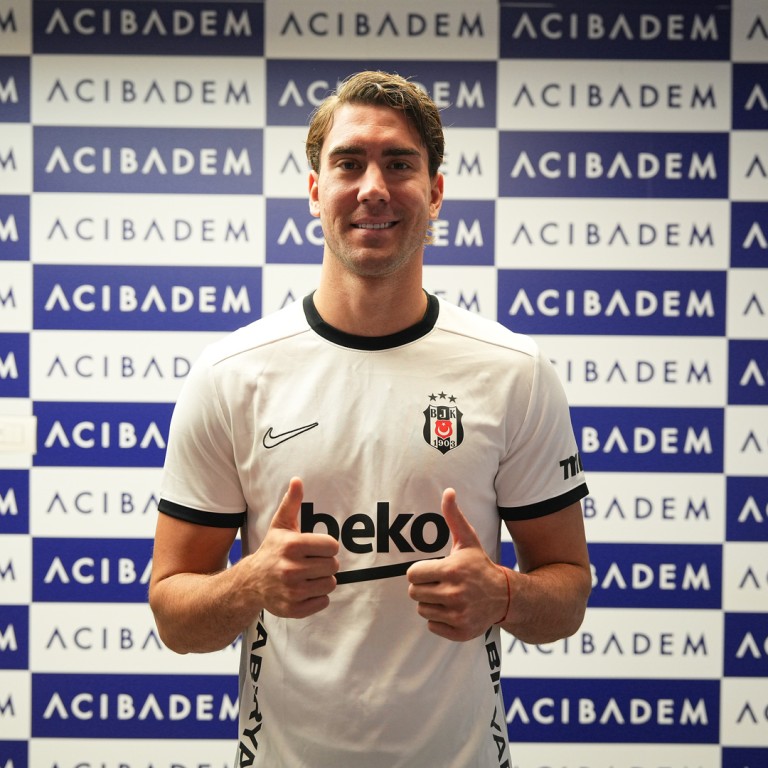 Serbia Dušan Vlahović Completes His Beşiktaş Medical at Acibadem Altunizade Hospital
 Serbian international Dušan Vlahović completed his pre-transfer medical examination at Acibadem Altunizade Hospital in Istanbul ahead of his move to Beşiktaş JK.
Read the story →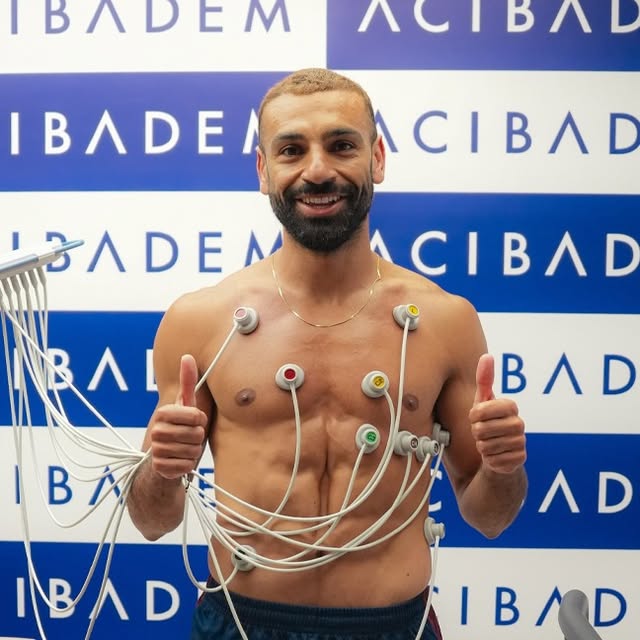 Egypt Mohamed Salah’s Comprehensive Medical Check-Up at Acibadem Maslak
 Egyptian football star Mohamed Salah completed a comprehensive pre-transfer medical examination at Acibadem Maslak Hospital in Istanbul.
Read the story →Comparison guides for this specialty
Speak with our medical team
Share your case and our international patient team will guide you to the right specialist — free of charge.