Common Cold
Learn what the common cold is, its typical symptoms and causes, how doctors diagnose it, which treatment options ease symptoms, and when to seek care.

Quick answer
The common cold is a mild viral infection of the nose and throat that usually clears on its own within seven to ten days. Typical symptoms include a runny or blocked nose, sneezing, sore throat, and cough. Antibiotics do not help; rest, fluids, and over-the-counter symptom relief are the mainstays, and medical care is needed only for warning signs.
What is the common cold?
The common cold is a mild, short-lived infection of the upper respiratory tract, which means the nose, sinuses, and throat. It is caused by viruses, not bacteria, and it usually clears up on its own within about a week to ten days. Doctors sometimes call it acute viral rhinitis or acute nasopharyngitis, but for most people the simple question of what is common cold has a simple answer: it is the runny nose, sore throat, and sneezing that almost everyone experiences from time to time.
The common cold affects people of every age and in every part of the world. Young children tend to catch colds most often because their immune systems are still learning to recognize the many viruses involved and because they spend time in close contact with other children. Adults generally have fewer colds each year, and older adults may have fewer still, although they can be more vulnerable to complications. Colds are more frequent in the cooler months in many regions, but they can occur at any time of year.
Although a cold can feel unpleasant, it is rarely dangerous for otherwise healthy people. Its main importance lies in how often it occurs, how easily it spreads, and how many days of school and work it causes people to miss. Understanding the condition helps you manage symptoms sensibly and recognize the less common situations in which medical advice is needed.
Common cold symptoms
Common cold symptoms usually appear one to three days after a person is exposed to the virus. They tend to build gradually rather than striking all at once, which is one of the features that helps distinguish a cold from influenza (the flu), which often begins abruptly with high fever and body aches.
- Runny or blocked nose, with mucus that may start clear and become thicker or yellow-green as the cold progresses
- Sneezing
- Sore or scratchy throat, often one of the first signs
- Cough, which may linger after other symptoms fade
- Mild headache or a feeling of pressure in the face
- Watery eyes
- Low-grade fever, more common in children than adults
- Tiredness and a general feeling of being unwell
- Reduced sense of taste or smell while the nose is congested
Symptoms often follow a rough pattern. In the first day or two, a sore throat and sneezing are typical. Over the next few days the nose becomes congested and runny, and a cough may develop. By around day five to seven most symptoms are improving, although a cough and some nasal congestion can persist for two weeks or longer, especially in children and in people who smoke. A change in mucus color is a normal part of the body’s response and does not by itself mean a bacterial infection has developed.
In infants and toddlers, colds can look a little different. Babies may be irritable, feed poorly because a blocked nose makes it hard to suck and breathe at the same time, and have trouble sleeping. Fever is more common in this age group. Older adults and people with weakened immune systems may have milder or more vague symptoms, yet be at higher risk of a cold leading to a chest infection.
Causes and risk factors
Common cold causes are always viral. More than two hundred different viruses can produce cold symptoms, which is why people can catch cold after cold without becoming immune. Rhinoviruses are the most frequent culprits, and they tend to be most active in the fall and spring. Other viruses that commonly cause colds include some coronaviruses (a large family of viruses, most of which cause only mild illness), adenoviruses, respiratory syncytial virus (usually called RSV), and parainfluenza viruses.
Cold viruses spread from person to person in a few main ways. When an infected person coughs, sneezes, or talks, they release small droplets that others can breathe in. Viruses also land on hands and surfaces such as doorknobs, phones, and toys. If you touch a contaminated surface and then touch your eyes, nose, or mouth, the virus can enter your body. Close personal contact, such as shaking hands or sharing utensils, is another common route. Cold weather itself does not cause colds, but people spend more time indoors and closer together during colder months, which makes spread easier.
Several factors can raise the likelihood of catching a cold or having a more troublesome course:
- Young age: children under six catch colds most often.
- Weakened immune system, whether from a long-term illness, certain medicines, or other causes.
- Exposure to crowds, such as in daycare centers, schools, offices, and public transport.
- Smoking or exposure to secondhand smoke, which irritates the airways and is linked to more frequent and more severe colds.
- Season: colds are more common in the fall and winter in many parts of the world.
- Poor sleep and high stress, which some research suggests may make people more susceptible.
- Existing lung conditions such as asthma or chronic obstructive pulmonary disease (COPD), which can flare during a cold.
Common cold diagnosis
Common cold diagnosis is almost always made on the basis of symptoms and a simple physical examination. There is no routine blood test, swab, or scan that doctors use to confirm an ordinary cold, because the illness is mild and self-limiting and the result would not change the treatment. When you describe a gradual onset of runny nose, sneezing, sore throat, and cough without high fever or severe body aches, a doctor can usually recognize a cold without further testing.
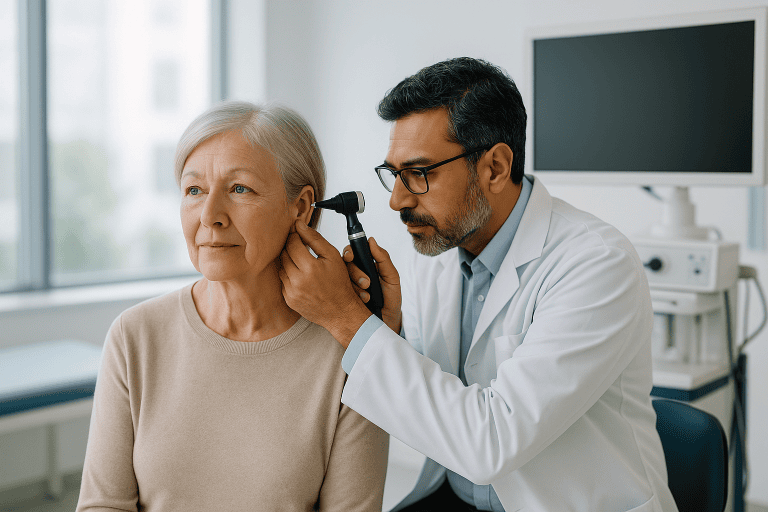
During the examination, a clinician may look inside your nose and throat, check your ears, listen to your chest with a stethoscope, and gently feel the glands in your neck. The purpose of this is mainly to rule out other conditions that can resemble a cold or develop from one, including:
- Influenza, which tends to cause higher fever, chills, and muscle aches
- Allergic rhinitis (hay fever), which causes sneezing and a runny nose but usually with itching, no fever, and a longer or seasonal pattern
- Bacterial sinusitis, an infection of the sinuses that may be suspected if symptoms last well beyond ten days or worsen after initially improving
- Strep throat, a bacterial throat infection with severe pain, fever, and often no cough
- Ear infection, particularly in young children
- Bronchitis or pneumonia, infections lower in the chest
- COVID-19, which can closely mimic a cold
Tests are used selectively when the answer would matter. A rapid antigen or PCR swab (a test that detects viral genetic material) may be offered to check for influenza, COVID-19, or RSV, especially in people who are very young, elderly, pregnant, or have other health conditions, because specific antiviral treatment or isolation advice may apply. A throat swab can check for strep bacteria. A chest X-ray may be ordered if a doctor hears abnormal sounds in the lungs or suspects pneumonia. Blood tests are not usually needed for a cold. In people with recurrent or unusually prolonged nasal symptoms, a doctor may refer to an ear, nose, and throat specialist; at Acibadem this falls under the Otorhinolaryngology (ENT) department, which evaluates the nose and sinuses for other causes of congestion.
Common cold treatment options
There is no cure for the common cold and no medicine that shortens the infection itself. Because colds are caused by viruses, antibiotics do not work against them and can cause side effects and contribute to antibiotic resistance. Common cold treatment options therefore focus on easing symptoms, supporting the body while it clears the virus, and preventing spread to others.
Rest and self-care. Most colds are best managed at home. Resting, drinking enough fluids to stay hydrated, and keeping the air in your room comfortably humid can all help you feel better. Warm drinks, broth, and honey (for children over one year of age only, because of the risk of infant botulism) may soothe a sore throat and cough. Gargling with warm salt water and using saline nose drops or sprays can relieve throat irritation and congestion. For babies, saline drops followed by gentle suction with a bulb syringe can help clear the nose before feeds.
Over-the-counter medicines. Several types of non-prescription medicine may reduce specific symptoms, although none of them cure the cold:
- Pain and fever relievers such as acetaminophen (paracetamol) or ibuprofen can ease headache, sore throat, and fever. Aspirin should not be given to children or teenagers because of the risk of a rare but serious condition called Reye’s syndrome.
- Decongestants, taken by mouth or as nasal sprays, can shrink swollen nasal tissue. Nasal spray decongestants should generally not be used for more than a few days in a row because they can cause rebound congestion.
- Antihistamines may reduce sneezing and runny nose in some adults, though they can cause drowsiness.
- Cough medicines have limited evidence of benefit, and many doctors advise against them in young children.
- Throat lozenges can provide temporary relief for older children and adults.
It is important to read labels carefully, because many combination cold products contain the same active ingredients and it is easy to take a double dose unintentionally. People with high blood pressure, heart disease, glaucoma, prostate problems, or who take other regular medicines should check with a pharmacist or doctor before using decongestants. Over-the-counter cough and cold medicines are not recommended for children under four, and many authorities advise caution up to age six.
Supplements and home remedies. Zinc, vitamin C, echinacea, and other supplements are widely marketed for colds. The evidence for these is mixed. Some studies suggest that zinc taken very early may slightly shorten a cold in adults, but zinc products can cause nausea and should not be used as nasal sprays. Vitamin C does not appear to prevent colds in most people, and any effect on duration is small. If you choose to try these, discuss them with a pharmacist, particularly if you take other medicines.
Prescription treatment. Prescription medicines are not part of standard care for an uncomplicated cold. Your doctor may prescribe antibiotics only if a bacterial complication such as sinusitis, ear infection, or pneumonia is diagnosed. Antiviral drugs exist for influenza and COVID-19 but do not work against the viruses that cause ordinary colds. Procedures and surgery have no role in treating the common cold itself; they are considered only in separate conditions, such as chronic sinus disease, that an ENT specialist may investigate if symptoms keep recurring.
Living with the common cold and outlook
For the vast majority of people, the outlook is very good. A common cold typically resolves within seven to ten days without any lasting effects, and no specific follow-up is needed. Some symptoms, especially cough and mild nasal congestion, can take two to three weeks to disappear completely, and this alone is not a cause for concern if you are otherwise improving.
Complications are uncommon but can occur. The most frequent are middle ear infections in children, sinus infections, and flare-ups of asthma or other lung conditions. Occasionally a cold can progress to bronchitis or pneumonia, which is more likely in infants, older adults, and people with weakened immunity or chronic illness. Being aware of the warning signs listed at the end of this page helps you seek care promptly if a cold takes an unusual turn.
During a cold, you can help protect the people around you. Stay home from work or school when you feel unwell, cover coughs and sneezes with a tissue or your elbow, wash your hands often, and avoid close contact with infants and people who are frail or immunocompromised. Cleaning frequently touched surfaces can also reduce spread within a household.
You cannot fully prevent colds, but regular handwashing with soap and water, avoiding touching your face, not sharing cups or utensils, not smoking, getting enough sleep, and staying generally healthy may reduce how often you catch them. There is no vaccine for the common cold because of the large number of viruses involved, although vaccines against influenza, COVID-19, and RSV protect against some illnesses that are easily confused with a cold.
Frequently asked questions
How long do common cold symptoms usually last?
Most common cold symptoms peak around the second or third day and improve steadily over about a week. A total course of seven to ten days is typical, but a cough or some stuffiness can linger for two to three weeks, particularly in children. If symptoms are getting worse rather than better after ten days, or if a high fever develops, it is reasonable to seek medical advice.
What are the main common cold causes?
Colds are caused by viruses, most often rhinoviruses, and they spread through droplets from coughs and sneezes, through hand-to-face contact after touching contaminated surfaces, and through close personal contact. Cold weather, wet hair, and drafts do not directly cause colds, although people tend to catch more colds in cooler months because they spend more time indoors together.
Is there a test for common cold diagnosis?
There is no standard test to confirm an ordinary cold. Doctors diagnose it from your symptoms and a physical examination. Swab tests may be used to check for influenza, COVID-19, or RSV when the result would change treatment or isolation advice, and a throat swab may be used if strep throat is suspected. Imaging such as a chest X-ray is reserved for cases where a chest infection is a concern.
Do antibiotics help with the common cold?
No. Antibiotics act against bacteria and have no effect on the viruses that cause colds. Taking them unnecessarily exposes you to side effects such as diarrhea and allergic reactions and contributes to antibiotic resistance. Your doctor may consider antibiotics only if a bacterial complication, such as a sinus or ear infection, has been diagnosed.
What common cold treatment options are safe for children?
For children, the safest approaches are rest, plenty of fluids, saline nose drops, a cool-mist humidifier, and age-appropriate doses of acetaminophen or ibuprofen for fever or discomfort. Honey can help a cough in children older than one year. Over-the-counter cough and cold medicines are not recommended for children under four and should be used cautiously in older children only after checking with a doctor or pharmacist. Aspirin should never be given to children for a viral illness.
How can I tell the difference between a common cold and the flu?
A cold usually comes on gradually with a sore throat, sneezing, and runny nose, and fever is mild or absent in adults. Influenza tends to begin suddenly with high fever, chills, muscle aches, headache, and marked tiredness, and it can lead to more serious complications. Because the two can overlap, a doctor may use a rapid test when it is important to know, especially for people at higher risk.
Why do I keep getting colds?
Because more than two hundred viruses can cause the common cold and immunity to one does not protect against the others, repeated colds are normal, especially for parents of young children, teachers, and healthcare workers. Adults commonly have two to four colds a year and children more. If you have constant nasal congestion that never fully clears, or infections that seem unusually severe or prolonged, a doctor may look for other explanations such as allergies, chronic sinusitis, or, rarely, an immune problem.
When to see a doctor
Most colds do not require a medical visit. However, some symptoms suggest a complication or a different, more serious illness. Seek medical advice promptly if you or your child experience any of the following:
- Difficulty breathing, shortness of breath, wheezing, or rapid breathing
- Chest pain or a cough that brings up blood
- High fever, especially above 39.4°C (103°F) in adults, or any fever in a baby younger than three months
- Fever lasting more than three days or a fever that returns after improving
- Symptoms that worsen after seven to ten days instead of getting better
- Severe sore throat with difficulty swallowing, drooling, or a muffled voice
- Severe headache, stiff neck, confusion, or unusual drowsiness
- Ear pain or fluid draining from the ear
- Severe facial pain or swelling around the eyes
- Signs of dehydration such as very little urine, dry mouth, no tears when crying, or a sunken soft spot on a baby’s head
- A child who is unusually irritable, limp, refusing to drink, or hard to wake
- Bluish lips or skin
People with asthma, COPD, heart disease, diabetes, a weakened immune system, or who are pregnant should have a lower threshold for seeking advice when a cold seems more severe than usual. If you are ever unsure, a doctor or pharmacist can help you decide whether an in-person assessment is needed.
From the Acibadem Blog

How Long Does a Cold Last? The Real Timeline, Day by Day
Most colds last 7 to 10 days. Symptoms typically begin 1 to 3 days after exposure, peak around days 2 to 3 with congestion…

Home Remedies for a Cold: What Shortens It, What Just Soothes
Most home remedies for a cold soothe symptoms rather than shorten the illness. The best evidence for actually trimming a cold involves zinc lozenges…
Medically reviewed by the Acıbadem International Medical Board September 9, 2026
See our medical review board →
Update history
- PublishedSeptember 9, 2026
- Medical review approvedSeptember 9, 2026
- Last content updateSeptember 9, 2026