Quick answer
Esophageal cancer is a malignant tumor that develops in the esophagus, the tube carrying food from the throat to the stomach, and treatment depends on the cancer’s type, stage, and the patient’s overall condition. At Acibadem in Turkey, evaluation typically involves endoscopy, imaging, and pathology review, with treatment planned by a multidisciplinary team and may include surgery, chemotherapy, radiotherapy, targeted…
Overview
Esophageal cancer is a type of cancer that begins in the esophagus, the muscular tube that carries food and liquids from the mouth to the stomach. It can develop in different parts of the esophagus and may grow slowly at first. Because early symptoms can be mild or absent, some people are diagnosed only after swallowing difficulties or other noticeable problems appear.
There are different types of esophageal cancer. The main types are usually described according to the kind of cells where the cancer starts. The type, location, stage, and a person’s overall health all help guide treatment planning. Care is usually provided by a multidisciplinary oncology team, which may include specialists in medical oncology, radiation oncology, surgery, gastroenterology, radiology, pathology, nutrition, and supportive care.
Symptoms
Symptoms of esophageal cancer can vary from person to person. Some symptoms may also be caused by non-cancerous conditions, so medical evaluation is important if they persist or worsen.
- Difficulty swallowing, especially with solid foods at first
- A feeling that food is stuck in the chest or throat
- Pain or discomfort when swallowing
- Unexplained weight loss
- Persistent indigestion, heartburn, or reflux symptoms
- Chest discomfort, pressure, or burning
- Hoarseness or a persistent cough
- Vomiting or regurgitation of food
- Fatigue or weakness
- Signs of bleeding, such as black stools or vomiting blood, which require urgent medical attention
Difficulty swallowing that gradually becomes worse is a common warning sign. It is important not to ignore ongoing swallowing problems, even if they seem mild at first.
Causes and Risk Factors
Esophageal cancer develops when cells in the esophagus undergo changes that cause them to grow in an uncontrolled way. The exact cause is not always known, but several factors may increase risk.
- Long-term gastroesophageal reflux disease, also known as chronic acid reflux
- Barrett’s esophagus, a condition in which the lining of the lower esophagus changes due to ongoing reflux
- Tobacco use in any form
- Heavy alcohol use
- Excess body weight, especially when linked with reflux
- A diet low in fruits and vegetables
- Frequent consumption of very hot drinks, which may irritate the esophagus
- Previous radiation treatment to the chest or upper abdomen
- Certain long-standing swallowing disorders or esophageal conditions
- Family history of some gastrointestinal cancers or related conditions
Having one or more risk factors does not mean a person will develop esophageal cancer, and some people with the disease have no obvious risk factors. However, recognizing risk factors can help people discuss screening or monitoring needs with their doctor, especially if they have chronic reflux or Barrett’s esophagus.
Diagnosis
If esophageal cancer is suspected, doctors usually begin with a medical history, physical examination, and questions about symptoms such as swallowing difficulty, weight changes, reflux, and lifestyle factors. Further tests may be recommended to understand what is causing the symptoms.
- Upper endoscopy: A thin, flexible tube with a camera is passed through the mouth to examine the esophagus and stomach.
- Biopsy: During endoscopy, small tissue samples may be taken and examined under a microscope to check for cancer cells.
- Imaging tests: Scans may be used to evaluate the esophagus and check whether cancer has spread to nearby structures or other parts of the body.
- Endoscopic ultrasound: This test may help assess how deeply a tumor has grown into the esophageal wall and whether nearby lymph nodes are involved.
- Laboratory tests: Blood tests may help evaluate general health, nutrition, and organ function before treatment planning.
Staging is an important part of diagnosis. It describes the size and extent of the cancer and helps the care team recommend the most appropriate treatment approach.
Treatment Options
Treatment for esophageal cancer depends on several factors, including the cancer type, stage, location in the esophagus, whether it has spread, and the patient’s general health and preferences. The aim of treatment may be to remove or control the cancer, reduce symptoms, support swallowing and nutrition, and improve quality of life.
- Surgery: In selected cases, surgery may be used to remove part or most of the esophagus and nearby lymph nodes. The remaining digestive tract is then reconstructed to allow swallowing.
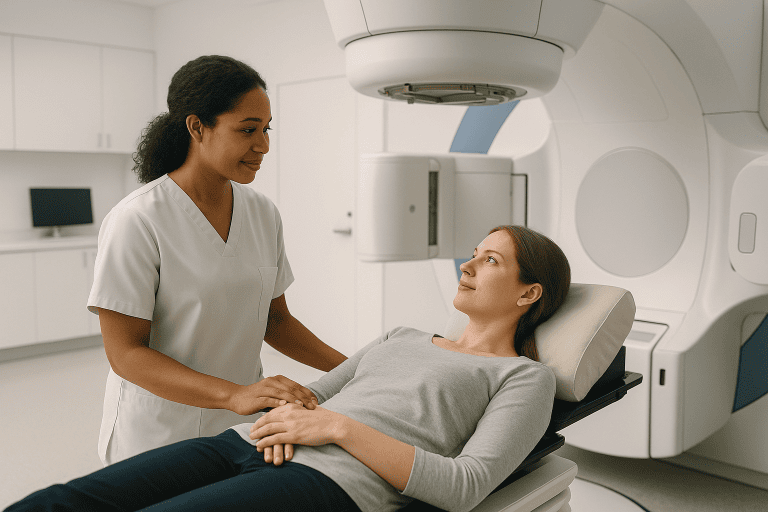
- Radiation therapy: High-energy beams may be used to target cancer cells. It can be used alone or combined with other treatments depending on the situation.
- Systemic therapy: Medicines that travel through the body may be used to treat cancer cells. These may include chemotherapy, targeted therapy, or immunotherapy, depending on the cancer’s features.
- Endoscopic treatments: For very early cancers or certain pre-cancerous changes, treatment through an endoscope may sometimes be possible.
- Supportive procedures: If swallowing is difficult, procedures may be considered to help keep the esophagus open or support nutrition.
- Nutritional and supportive care: Dietitians and supportive care teams can help manage weight loss, swallowing problems, fatigue, pain, and emotional concerns.
Treatment planning is highly individualized. Patients are encouraged to ask their oncology team about the goals of treatment, possible benefits, risks, side effects, recovery time, and follow-up needs.
When to See a Doctor
A doctor should be consulted if swallowing becomes difficult, painful, or progressively worse. Medical advice is also important for persistent reflux, ongoing chest discomfort not clearly related to the heart, unexplained weight loss, repeated vomiting, hoarseness, or a cough that does not improve.
Urgent medical attention is needed for vomiting blood, black or tar-like stools, severe chest pain, choking, inability to swallow liquids, or signs of dehydration. People with known Barrett’s esophagus, long-term reflux, or other esophageal conditions should follow their doctor’s recommendations for monitoring. Early evaluation of concerning symptoms can help identify the cause and guide appropriate care.
Frequently Asked Questions
What is esophageal cancer and where does it develop?
Esophageal cancer is a type of cancer that begins in the esophagus, the muscular tube that carries food and liquids from the mouth to the stomach. It can develop in different parts of the esophagus and may grow slowly at first. There are different types, usually described according to the kind of cells where the cancer starts, and the type, location, and stage all help guide treatment planning.
What are the common symptoms of esophageal cancer?
Symptoms can vary from person to person. Difficulty swallowing, especially with solid foods at first, is a common warning sign, along with a feeling that food is stuck in the chest or throat, pain when swallowing, unexplained weight loss, persistent heartburn or reflux, chest discomfort, hoarseness, a persistent cough, or vomiting. Because early symptoms may be mild or absent, some people are diagnosed only after swallowing problems appear.
What factors may increase the risk of esophageal cancer?
The exact cause is not always known, but several factors may increase risk. These include long-term gastroesophageal reflux disease, Barrett's esophagus, tobacco use, heavy alcohol use, excess body weight, a diet low in fruits and vegetables, frequent very hot drinks, previous radiation treatment to the chest, and a family history of some gastrointestinal cancers. Having risk factors does not mean a person will develop the disease, and some people with it have no obvious risk factors.
How is esophageal cancer diagnosed and staged?
Doctors usually begin with a medical history, physical examination, and questions about symptoms such as swallowing difficulty, weight changes, and reflux. An upper endoscopy allows the esophagus and stomach to be examined, and small tissue samples may be taken for a biopsy. Imaging tests, endoscopic ultrasound, and blood tests may also be recommended. Staging describes the size and extent of the cancer and helps the care team recommend the most appropriate treatment approach.
What treatment options are available for esophageal cancer?
Treatment depends on the cancer type, stage, location, whether it has spread, and the patient's general health and preferences. Options may include surgery to remove part or most of the esophagus, radiation therapy, and systemic therapy such as chemotherapy, targeted therapy, or immunotherapy. For very early cancers, endoscopic treatment may sometimes be possible, and supportive procedures and nutritional care can help with swallowing and weight loss. Planning is highly individualized.
When should I see a doctor about swallowing problems?
A doctor should be consulted if swallowing becomes difficult, painful, or progressively worse, even if problems seem mild at first. Medical advice is also important for persistent reflux, ongoing chest discomfort not clearly related to the heart, unexplained weight loss, repeated vomiting, hoarseness, or a cough that does not improve. Urgent medical attention is needed for vomiting blood, black or tar-like stools, severe chest pain, choking, or an inability to swallow liquids.
Medically reviewed by the Acıbadem International Medical Board September 13, 2026
See our medical review board →
Update history
- PublishedJune 14, 2026
- Medical review approvedSeptember 13, 2026
- Last content updateSeptember 12, 2026