Mastitis
Learn about mastitis, an inflammation of the breast tissue: common symptoms, causes, how doctors diagnose it, treatment options, and when to seek care.
Quick answer
Mastitis is inflammation of breast tissue, sometimes with bacterial infection, that most often affects breastfeeding women in the first weeks after birth. It causes a painful, red, warm, swollen area of the breast, often with fever and flu-like symptoms. Treatment usually includes continued milk removal, pain relief, and antibiotics when infection is present.
What is mastitis?
Mastitis is inflammation of the breast tissue. Inflammation is the body’s response to injury or irritation, and it causes redness, warmth, swelling, and pain. In many cases mastitis also involves an infection, usually caused by bacteria, but the breast can also become inflamed without any infection being present.
Mastitis most often affects women who are breastfeeding, especially in the first few weeks after childbirth. This form is called lactational mastitis. Mastitis can also occur in women who are not breastfeeding, in women after menopause, and occasionally in men. When it occurs outside of breastfeeding it is called non-lactational mastitis, and doctors usually look more carefully for an underlying reason.
Most cases of mastitis improve with prompt care. When it is not treated, an infection can sometimes progress to a breast abscess, which is a walled-off pocket of pus inside the breast that may need to be drained. Knowing the early signs helps people seek care before complications develop.
Mastitis symptoms
Mastitis symptoms usually develop quickly, often over a few hours to a day, and typically affect one breast. Common signs include:
- A tender, warm, or hot area of the breast
- Redness or a darker patch of skin, sometimes in a wedge shape pointing toward the nipple
- Swelling or a firm, thickened area
- Breast pain or a burning feeling, which may be constant or occur during breastfeeding
- Fever, chills, and body aches, similar to having the flu
- Feeling generally unwell or very tired
- Nipple discharge, which may occasionally contain pus
- Swollen, tender lymph nodes in the armpit on the same side
Doctors often think of mastitis as a spectrum. In the earliest stage, sometimes described as engorgement or a blocked duct, the breast may feel full, lumpy, and sore, but the skin is not usually red and there is no fever. If inflammation continues, the area becomes red, hot, and painful; this is called inflammatory mastitis. When bacteria multiply in the inflamed tissue, it becomes bacterial mastitis, and fever and flu-like symptoms are more likely.
If a breast abscess forms, people often notice a distinct, painful lump that may feel soft or fluid-filled, along with persistent fever. On darker skin tones, redness can be harder to see, so warmth, swelling, and pain may be the more noticeable clues.
Non-lactational mastitis can look similar but sometimes develops more slowly. A type called periductal mastitis, which affects the ducts just behind the nipple, may cause nipple retraction (the nipple pulling inward), discharge, or a small opening in the skin near the nipple that leaks fluid. This type is more common in people who smoke.
Causes and risk factors
Understanding mastitis causes helps explain why some people are more affected than others. In breastfeeding women, two main problems are usually involved.
The first is milk stasis, which means milk is not being removed from the breast effectively and builds up in the ducts. This can happen when a baby does not latch well, when feedings are missed or spaced too far apart, when one breast is favored, when a bra or seat belt presses on the breast, or when weaning happens abruptly. Trapped milk causes pressure, and the surrounding tissue becomes swollen and sore.
The second is bacterial infection. Bacteria that normally live on the skin or in the baby’s mouth, most often Staphylococcus aureus, can enter the breast through a cracked or damaged nipple. Inflamed, milk-filled tissue provides an environment where bacteria can multiply. Not every case involves bacteria, which is one reason doctors do not always prescribe antibiotics.
In people who are not breastfeeding, causes can include:
- Periductal mastitis, in which the ducts behind the nipple become inflamed and sometimes infected; smoking is strongly linked to this form
- Duct ectasia, a widening and blockage of milk ducts that becomes more common with age
- Skin infections that spread into the breast, injury to the breast, or nipple piercing
- Granulomatous mastitis, an uncommon inflammatory condition not caused by a typical infection
- Rarely, inflammatory breast cancer, which can mimic mastitis and is the main reason doctors follow up closely when symptoms do not clear
Risk factors that make mastitis more likely include:
- Breastfeeding, particularly in the first six weeks after birth
- Sore, cracked, or damaged nipples
- A previous episode of mastitis
- Poor latch, infrequent feeding, or sudden changes in feeding routine
- Pressure on the breast from tight clothing or sleeping position
- Smoking, especially for non-lactational and periductal mastitis
- Diabetes, obesity, or a weakened immune system
- Stress and exhaustion, which are common in new parents
Mastitis diagnosis
Mastitis diagnosis is usually made by a doctor, midwife, or lactation specialist based on your history and a physical examination. In many cases no tests are needed, especially in a breastfeeding woman with typical symptoms.
During the visit, the clinician will ask when symptoms started, whether you are breastfeeding, how feeding has been going, whether you have a fever, and whether you have had mastitis before. They will examine both breasts, checking for redness, warmth, swelling, tender areas, nipple damage, and any lump that could suggest an abscess. They may also feel the lymph nodes under the arm.
Tests may be used in certain situations:
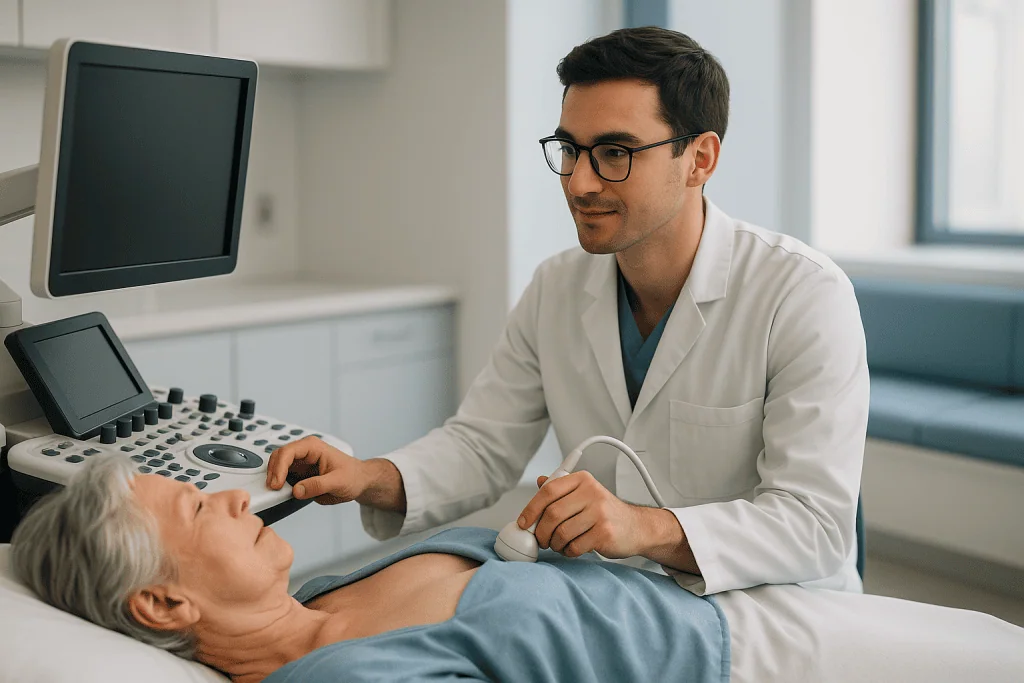
- Breast ultrasound uses sound waves to create an image of the breast tissue. It is the most common imaging test for mastitis and is used to look for an abscess, especially if a lump is felt or symptoms are not improving.
- Milk culture involves sending a small sample of breast milk to a laboratory to identify the bacteria and find out which antibiotics will work. This is more likely if the infection is severe, recurs, or does not respond to the first antibiotic.
- Blood tests may be ordered if you are very unwell, to check for signs of infection.
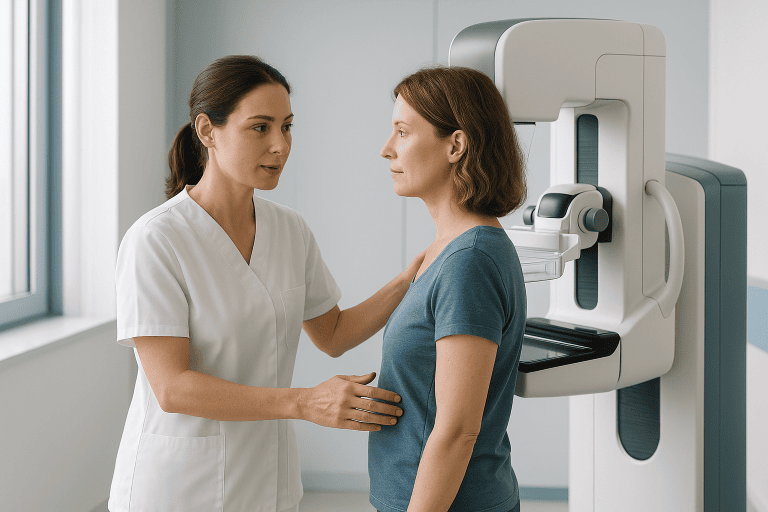
- Mammogram, an X-ray of the breast, may be recommended in non-breastfeeding women or after the infection has settled, to rule out other conditions.
- Needle sampling or biopsy, in which a small amount of fluid or tissue is removed and examined, may be advised if there is an abscess to drain, if the area does not resolve, or if there is any concern about inflammatory breast cancer.
Because inflammatory breast cancer can produce redness, warmth, and swelling that look like infection, doctors generally follow up any mastitis that does not clearly improve within a short course of treatment. This is standard caution rather than a sign that something serious is present.
Mastitis treatment options
Mastitis treatment depends on the cause, the stage, and whether an abscess has formed. The overall goals are to relieve pain, reduce inflammation, clear any infection, and, for breastfeeding women, keep milk moving.
Self-care and continued breastfeeding
For lactational mastitis, continuing to breastfeed is usually recommended, because emptying the breast helps resolve milk stasis. The milk is generally considered safe for a healthy baby. Guidance commonly includes feeding on demand, checking the baby’s latch, avoiding pressure on the affected breast, and resting and drinking enough fluids. Current guidance advises against aggressive massage or excessive pumping beyond the baby’s needs, as this can worsen swelling. Gentle stroking toward the armpit and cool compresses between feeds are often suggested to reduce swelling. If breastfeeding is too painful, expressing milk by hand or with a pump can be used temporarily.
Medication
Over-the-counter pain relievers such as ibuprofen or acetaminophen are often recommended to ease pain, fever, and inflammation; your doctor or pharmacist can confirm what is appropriate while breastfeeding. If symptoms suggest bacterial infection, or if there is no improvement after about 24 hours of self-care, your doctor may prescribe antibiotics chosen to be compatible with breastfeeding. It is important to complete the full course even if you feel better sooner, because stopping early can allow the infection to return. If symptoms do not improve within a couple of days of starting antibiotics, a different antibiotic or further tests may be needed.
Procedures for abscess
If a breast abscess develops, antibiotics alone are usually not enough, because the pus needs to be removed. The most common procedure is needle aspiration guided by ultrasound, in which a fine needle is used to draw out the pus. This may need to be repeated. Larger or complex abscesses may require a small incision and drainage, sometimes with a temporary drain left in place. Breastfeeding can frequently continue, depending on the location of the wound.
Treatment of non-lactational mastitis
Non-lactational mastitis is also treated with antibiotics and pain relief, but it is more likely to recur, and doctors usually look for an underlying cause. Stopping smoking is an important part of managing periductal mastitis. Repeated or persistent cases may require surgery to remove the affected duct. Granulomatous mastitis is managed differently and may involve anti-inflammatory medicines under specialist supervision. Specialist breast units, such as the Breast Health Department at Acibadem, typically coordinate imaging, drainage procedures, and follow-up for complex or recurrent cases.
Living with mastitis and outlook
For most people, mastitis is a short-term illness. With rest, continued milk removal, and antibiotics when needed, symptoms often begin to ease within a day or two and settle over one to two weeks. Fatigue can linger a little longer, and the affected area may stay tender or slightly firm after the redness has gone.
Some women have more than one episode, especially if the underlying feeding problem is not addressed. Working with a lactation specialist to improve latch and feeding patterns can lower the chance of recurrence, although it cannot remove the risk entirely. Many women continue breastfeeding through and after mastitis, and stopping suddenly is generally discouraged because it can worsen milk stasis.
Complications are uncommon but can include abscess formation and a temporary reduction in milk supply on the affected side. Non-lactational mastitis, particularly periductal disease, tends to be more persistent and may need longer follow-up.
The emotional impact should not be overlooked. Mastitis often arrives when a new parent is already exhausted, and pain during feeding can be discouraging. Support from family, healthcare professionals, and breastfeeding support groups can make a real difference.
Frequently asked questions
Can I keep breastfeeding if I have mastitis?
In most cases, yes. Continuing to breastfeed is usually encouraged because removing milk helps clear the blockage and inflammation that contribute to mastitis. The milk is generally considered safe for a healthy, full-term baby, even when antibiotics are being taken, as the antibiotics used are typically chosen for compatibility with breastfeeding. If feeding is too painful, expressing milk is an alternative. Your doctor can advise on your individual situation.
How quickly do mastitis symptoms improve with treatment?
Many people notice some improvement within 24 to 48 hours of starting appropriate mastitis treatment, whether that is better milk removal, anti-inflammatory medicine, or antibiotics. Full recovery often takes one to two weeks. If there is no improvement after two days of antibiotics, or if symptoms get worse, it is important to be reassessed, because the antibiotic may need to be changed or an abscess may be developing.
Do I always need antibiotics for mastitis?
Not always. Early mastitis is often caused by inflammation from milk stasis rather than bacterial infection, and it may settle with frequent feeding, rest, and anti-inflammatory pain relief. Antibiotics are usually recommended when there is fever, signs of bacterial infection, a cracked nipple that could allow bacteria in, or no improvement after about a day of self-care. The decision is made by your doctor based on your symptoms.
What are the main mastitis causes in women who are not breastfeeding?
Non-lactational mastitis is most often linked to inflammation or infection of the ducts behind the nipple, known as periductal mastitis, which is strongly associated with smoking. Other causes include duct ectasia, skin infections, nipple piercing, and uncommon inflammatory conditions such as granulomatous mastitis. Because inflammatory breast cancer can occasionally look like mastitis, doctors usually arrange imaging and follow-up in this group.
Can mastitis turn into breast cancer?
Mastitis itself is not known to cause breast cancer. However, a rare form of cancer called inflammatory breast cancer can cause redness, swelling, and warmth that resemble infection. For this reason, doctors take note when suspected mastitis does not respond to treatment as expected and may arrange imaging or a biopsy. This is a precaution to make sure the right diagnosis is made, not an indication that cancer is likely.
When to see a doctor
Mild breast fullness or a tender lump in a breastfeeding woman can sometimes settle within a day with frequent feeding and rest. However, you should see a doctor or midwife if you have a red, hot, painful area of the breast, if you develop a fever or flu-like symptoms, if symptoms have not improved after 24 hours of self-care, or if you are not breastfeeding and notice inflammation in the breast.
Seek urgent medical attention if you notice any of the following red-flag signs:
- A high fever, shaking chills, or a fast heartbeat
- Feeling confused, faint, dizzy, or very unwell, which can indicate that infection is spreading into the bloodstream
- A painful, growing lump in the breast or an area that feels soft and fluid-filled, which may indicate an abscess
- Skin that is turning dark, purple, or blistered, or an area of redness that is spreading rapidly
- Pus or blood draining from the nipple or from a break in the skin
- No improvement, or worsening, after 48 hours of antibiotics
- Redness, swelling, or thickening of the breast skin that persists after treatment, especially if you are not breastfeeding
Prompt assessment allows infection to be treated before an abscess forms and helps ensure that other conditions that can resemble mastitis are not missed.
Medically reviewed by the Acıbadem International Medical Board September 13, 2026
See our medical review board →
Update history
- PublishedSeptember 13, 2026
- Medical review approvedSeptember 13, 2026
- Last content updateSeptember 13, 2026