

4 Weeks Pregnant: Symptoms, Baby Development, and What to Expect

At 4 weeks pregnant, a missed period is often the first clear sign of pregnancy. Early symptoms can include light cramping, spotting, breast tenderness, fatigue, and nausea, but some people have no symptoms yet.
Key Takeaways
- At 4 weeks pregnant, a missed period is often the first clear sign of pregnancy.
- Early symptoms can include light cramping, spotting, breast tenderness, fatigue, and nausea, but some people have no symptoms yet.
- The embryo is extremely small—about the size of a poppy seed—and early structures that support development are forming.
- A home pregnancy test may be positive this week, but confirmation with a doctor can be helpful.
- Severe pain, heavy bleeding, fainting, or one-sided pelvic pain need prompt medical attention.
At 4 weeks pregnant, many people are just finding out they are pregnant or noticing a missed period. This week, the embryo is very small, hormones begin to rise, and early symptoms may start even though some people still feel completely normal.
Overview: What 4 Weeks Pregnant Means
At 4 weeks pregnant, pregnancy is still very early. In most pregnancy dating systems, the count begins from the first day of the last menstrual period, so conception usually happened about 2 weeks ago rather than 4 weeks ago. This timing can feel confusing, but it is the standard way clinicians estimate gestational age.
For many people, this is the week a missed period leads to a home pregnancy test. Others may notice subtle changes such as breast tenderness, fatigue, or light cramping. It is also common to have no symptoms at all at this stage, so the absence of symptoms does not automatically mean anything is wrong.
Inside the uterus, the fertilized egg has implanted into the uterine lining and is now developing rapidly. The embryo and the tissues that will become the placenta and amniotic sac are beginning to organize. Although this stage is microscopic, it is an important period of early growth.
Symptoms This Week
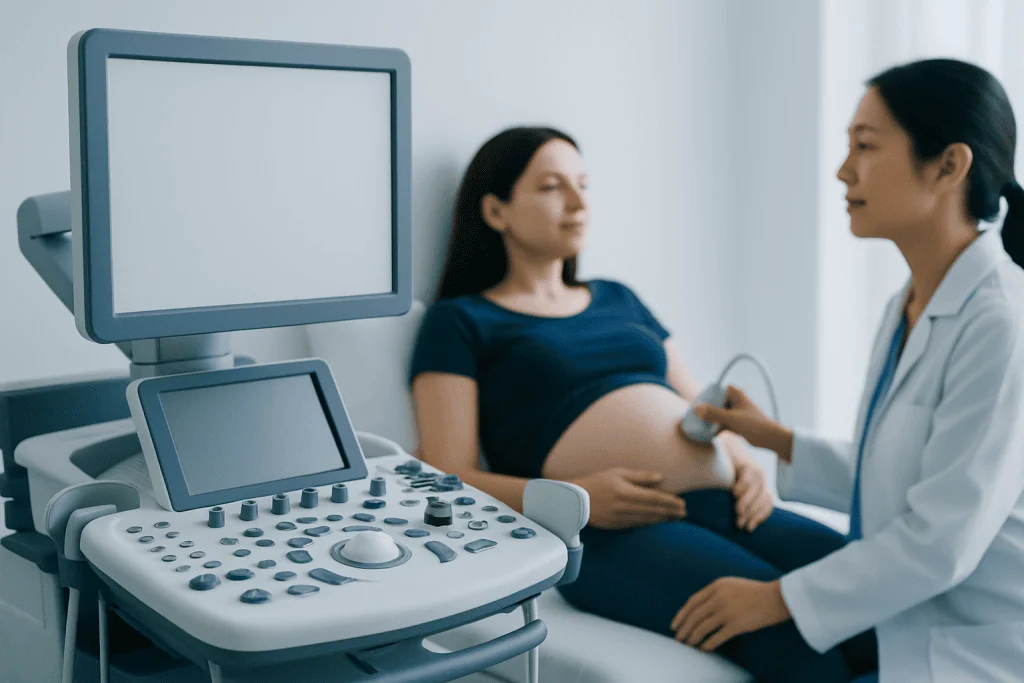
Symptoms at 4 weeks pregnant vary widely. Some people feel changes right away, while others notice very little until several weeks later. Hormone levels, especially human chorionic gonadotropin (hCG) and progesterone, are beginning to rise and may cause the first signs of pregnancy.
Common symptoms this week may include:
- Missed period
- Breast tenderness or fullness
- Fatigue
- Mild bloating
- Light cramping
- Implantation spotting or very light bleeding
- Nausea or food aversions beginning early in some people
- Frequent urination
Implantation spotting is usually light and brief, often pink or brown rather than bright red. Mild cramping can also happen as the uterus responds to early hormonal changes. However, bleeding that becomes heavy or pain that is severe should not be ignored.
Because early pregnancy symptoms can overlap with premenstrual symptoms, it can be hard to tell the difference without a pregnancy test. If there is uncertainty, repeating a home pregnancy test after a day or two or arranging medical confirmation may help clarify what is happening.
Baby Development at 4 Weeks
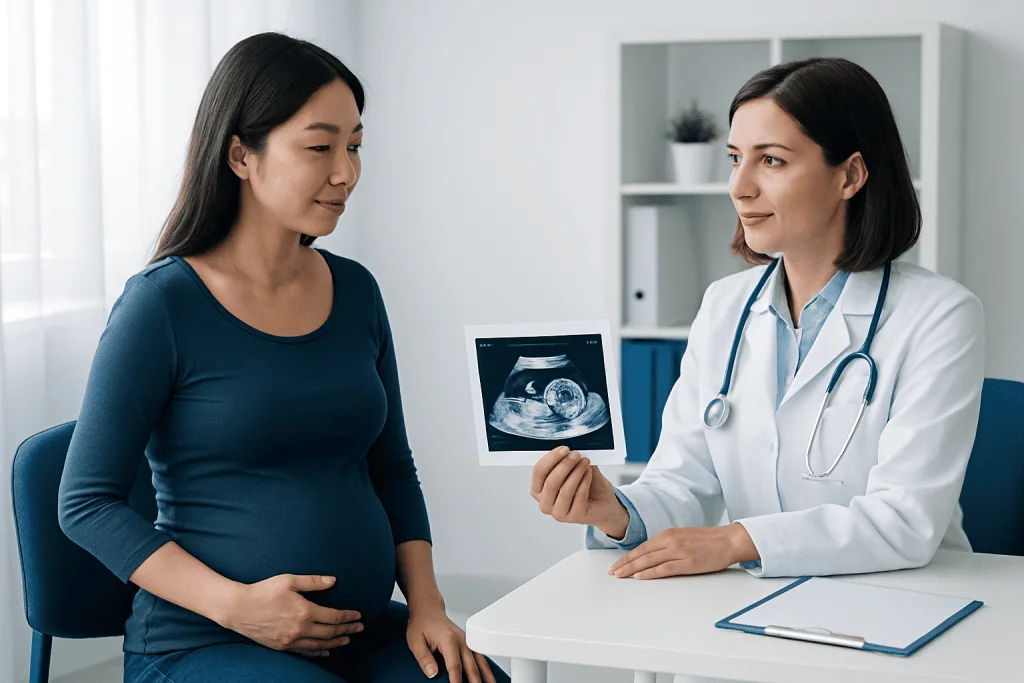
At 4 weeks pregnant, the embryo is extremely small—about the size of a poppy seed. Even though it is tiny, major early developmental steps are underway. Cells are dividing quickly and beginning to take on specialized roles.
This week, the embryo is settling more firmly into the uterine lining. The earliest parts of the amniotic sac, yolk sac, and placenta are starting to form. These structures will help protect the embryo and provide nourishment as the pregnancy develops.
The foundations for the neural tube, which later becomes the brain and spinal cord, begin developing very early in pregnancy. This is one reason folic acid is recommended before conception and during early pregnancy. At this stage, an ultrasound may not yet show much, and that can be normal in a very early pregnancy.
Body Changes at 4 Weeks
Even before there is a visible bump, the body is already adapting to pregnancy. Rising progesterone can slow digestion, leading to bloating or constipation. Hormonal changes can also affect energy levels, mood, sleep, and appetite.
The uterus remains small, but the uterine lining is becoming rich in blood supply to support the implanted embryo. Some people notice mild pelvic heaviness, while others feel no physical change at all. Breast tissue may become more sensitive as hormones prepare the body for pregnancy.
Emotionally, this week can bring excitement, relief, uncertainty, or all of these at once. Early pregnancy is often a time of adjustment, especially if symptoms are mild or if there has not yet been a medical confirmation. Gentle routines, rest, hydration, and accurate information can help make this stage feel more manageable.
Checklist: What to Do at 4 Weeks Pregnant
If a pregnancy test is positive, a few practical next steps can support a healthy start. The most important early habit is taking a daily prenatal vitamin with folic acid, unless a doctor recommends a different plan. It is also wise to avoid alcohol, smoking, and recreational drugs, and to speak with a clinician before continuing or stopping any prescription or over-the-counter medicines.
A helpful 4-week checklist may include:
- Schedule an appointment with an obstetrician, family doctor, or midwife
- Start or continue a prenatal vitamin with folic acid
- Eat regular meals and stay hydrated
- Limit foods or exposures your clinician advises against
- Review current medications and supplements with a healthcare professional
- Track symptoms such as bleeding, cramping, or severe nausea
- Avoid smoking and secondhand smoke
Many people will not need an ultrasound this early unless there are symptoms that need evaluation. In some cases, doctors may order blood tests to measure pregnancy hormones or monitor an early pregnancy more closely. If pain, bleeding, or uncertainty raises concern, medical assessment can help rule out problems such as ectopic pregnancy or early pregnancy loss.
For people who need specialist support, care may involve early pregnancy assessment, lab testing, and imaging, including obstetric ultrasound when appropriate. Acibadem International’s multidisciplinary specialists and JCI-accredited hospitals also diagnose and treat pregnancy-related conditions for international patients.
Healthy Habits and Self-Care in Early Pregnancy
Simple daily habits can support health at 4 weeks pregnant. Eating balanced meals, resting when needed, and drinking enough fluids can help with early fatigue and nausea. If nausea starts, smaller and more frequent meals may be easier to tolerate than large meals.
Exercise is often still possible in early pregnancy, especially if it was already part of a regular routine. Gentle walking, stretching, and other low-impact activity may support energy and mood, but a doctor should advise on exercise if there is bleeding, significant pain, or a high-risk pregnancy history.
It can also help to reduce exposure to harmful substances. This includes tobacco smoke, excessive caffeine, alcohol, and chemicals that a doctor advises avoiding. If there is a history of fertility treatment, miscarriage, or other gynecologic conditions, clinicians may suggest closer follow-up or consultation through services such as fertility and early pregnancy care or gynecology evaluation when relevant.
When to Seek Medical Care
Most early pregnancy symptoms at 4 weeks are mild, but certain symptoms need prompt medical attention. Severe or worsening pelvic or abdominal pain, especially on one side, should be assessed quickly. Heavy bleeding, passing large clots, dizziness, fainting, shoulder pain, or fever also need urgent evaluation.
These symptoms do not always mean there is a serious problem, but they can be associated with conditions that should not be delayed, including miscarriage or ectopic pregnancy. Early assessment may include an examination, blood tests, and ultrasound, depending on how far the pregnancy is believed to be and what symptoms are present.
Medical advice is also helpful if there is a positive pregnancy test with uncertainty about dates, ongoing medication use, chronic medical conditions, or a history of pregnancy complications. Reaching out early can provide reassurance, help organize follow-up, and support a safer start to pregnancy.
Frequently asked questions
Is 4 weeks pregnant really only 2 weeks after conception?
Yes. Pregnancy is usually dated from the first day of the last menstrual period, not from the day of conception. That means at 4 weeks pregnant, conception often happened about 2 weeks earlier.
Can someone have no symptoms at 4 weeks pregnant?
Yes, many people have no noticeable symptoms this early. A missed period may be the only sign. Lack of symptoms at 4 weeks does not by itself mean the pregnancy is unhealthy.
What does the baby look like at 4 weeks pregnant?
At this stage, the embryo is extremely small, about the size of a poppy seed. It does not yet look like a baby on ultrasound, but the earliest tissues that will form the placenta, amniotic sac, and body structures are beginning to develop.
Is light spotting normal at 4 weeks pregnant?
Light spotting can happen around implantation and may be normal in early pregnancy. It is usually light pink or brown and short-lived. Heavy bleeding, strong cramps, or one-sided pain should be checked by a doctor.
Should a doctor be seen as soon as a pregnancy test is positive?
In many cases, it is reasonable to contact a healthcare provider soon after a positive test to plan prenatal care. Immediate urgent care is usually not needed unless there is heavy bleeding, severe pain, fainting, or other concerning symptoms.
What should be avoided at 4 weeks pregnant?
It is safest to avoid alcohol, smoking, recreational drugs, and medications that have not been reviewed by a healthcare professional. Starting a prenatal vitamin with folic acid and reviewing current medicines with a doctor are good early steps.
References
- American College of Obstetricians and Gynecologists
- National Health Service
- Centers for Disease Control and Prevention
- World Health Organization
This article is for general information only and is not a substitute for professional medical advice. Please consult a qualified doctor about your individual situation.
Explore treatments in Turkey — costs, top hospitals & a free quote
JCI-accredited · board-certified surgeons · reply within 24h
Add us as a Preferred Source to see more of our trusted health content across Google Search, AI Overviews and Discover.

More from the Health Library



Related Specialists

Prof. Dr. Bülent Özçelik
Gynecology & Obstetrics
Prof. Dr. Hacer Kuzu Okur
Pulmonology
Prof. Dr. A. Taner Usta
Gynecology & Obstetrics
Prof. Dr. Mehmet Özkan
Cardiovascular Surgery