A Patient Guide to Thyroid Nodules
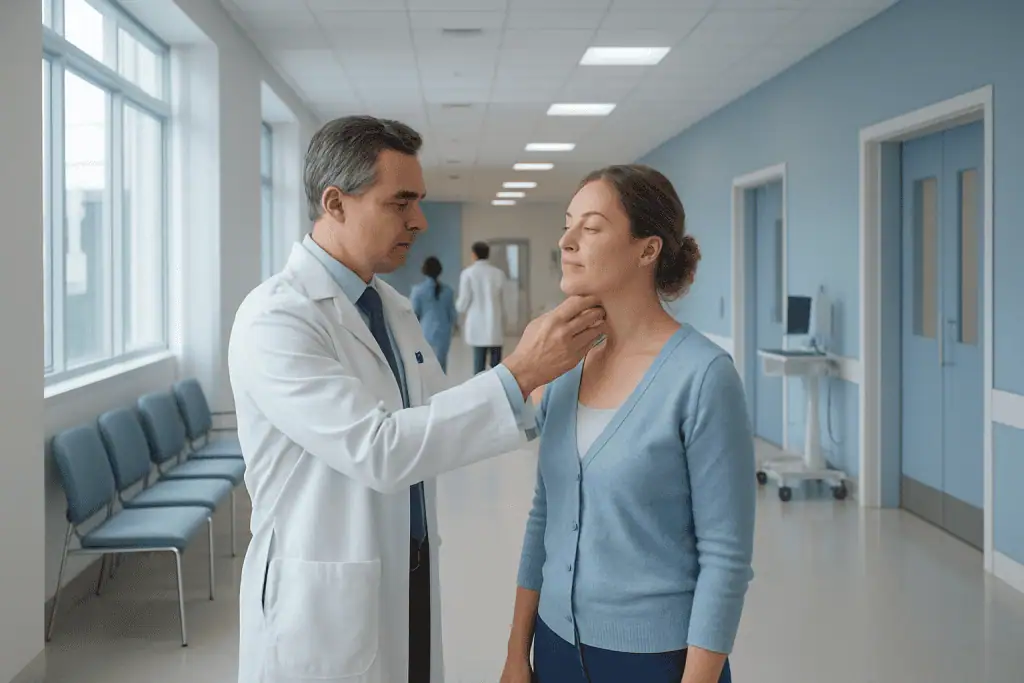
Most thyroid nodules are not cancerous and may never cause symptoms. A thyroid ultrasound is the main imaging test used to assess nodule size and features.
Key Takeaways
- Most thyroid nodules are not cancerous and may never cause symptoms.
- A thyroid ultrasound is the main imaging test used to assess nodule size and features.
- Fine-needle aspiration biopsy may be recommended when a nodule has certain size or ultrasound characteristics.
- Treatment depends on whether the nodule is benign or suspicious, whether it affects thyroid hormone levels, and whether it causes pressure or cosmetic concerns.
- Regular follow-up is important because some nodules change over time.
Thyroid nodules are common growths or lumps in the thyroid gland, and most are benign. Careful evaluation with blood tests, ultrasound, and sometimes biopsy helps doctors decide whether a nodule needs monitoring or treatment.
Overview
The thyroid is a small, butterfly-shaped gland located at the front of the neck. It produces hormones that help regulate metabolism, heart rate, body temperature, and many other functions. A thyroid nodule is a lump or growth within the thyroid tissue. Nodules may be solid, filled with fluid, or a combination of both.
Thyroid nodules are frequently found during a physical examination, an imaging test performed for another reason, or an ultrasound of the neck. Many people with nodules feel completely well and have normal thyroid hormone levels. Although the word “nodule” can be worrying, most thyroid nodules are benign and do not become cancerous.
The main goals of evaluation are to determine whether the nodule is affecting thyroid function, whether it has features that require biopsy, and whether it is causing symptoms. With a structured approach, doctors can usually identify which nodules only need observation and which require further treatment.
Thyroid Nodule Symptoms
Many thyroid nodules cause no symptoms. They may be discovered by chance when a person has an ultrasound, CT scan, MRI, or carotid artery imaging. Some nodules are large enough to be felt as a lump in the lower front of the neck, especially when swallowing.
When symptoms occur, they are often related to the size or position of the nodule rather than the nodule itself. A person may notice a sense of fullness in the neck, mild discomfort, difficulty swallowing, or a feeling of pressure. Less commonly, a nodule may affect the voice if it is close to structures involved in vocal cord movement.
Some nodules produce thyroid hormone independently, which can lead to an overactive thyroid. Possible symptoms include palpitations, unexplained weight loss, sweating, tremor, nervousness, heat intolerance, or more frequent bowel movements. Other people with nodules have normal thyroid function and no hormone-related symptoms at all.
Causes and Risk Factors
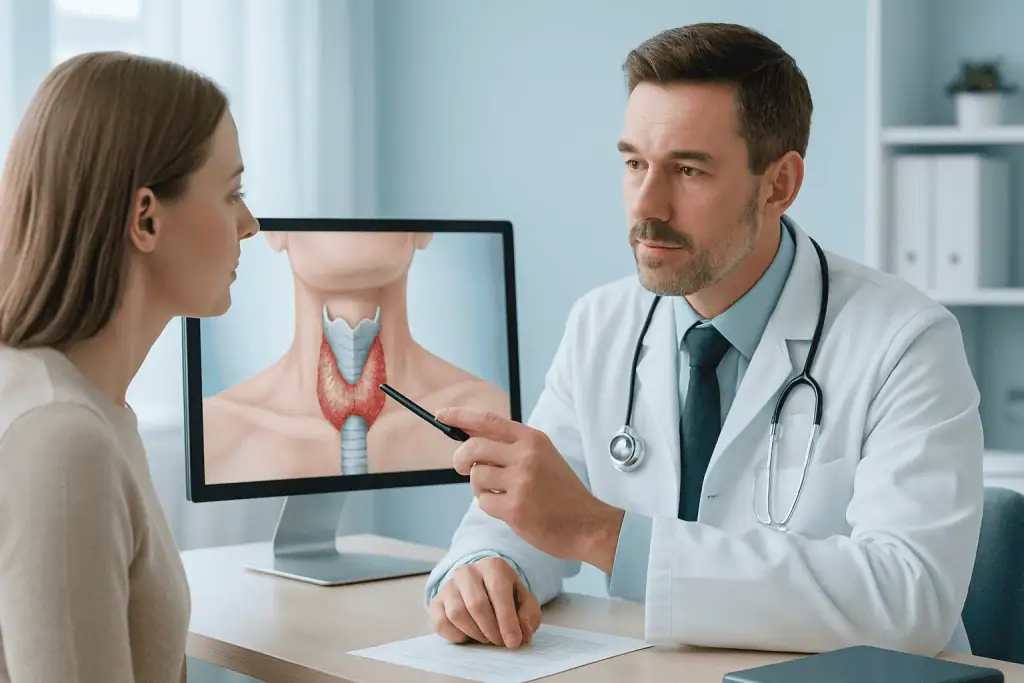
Thyroid nodules can develop for several reasons. Some are related to overgrowth of normal thyroid tissue, benign thyroid cysts, inflammation, or multinodular goiter, which means the thyroid contains multiple nodules. In areas where iodine intake is low, nodules and goiter may be more common, although many countries now use iodized salt or other public health measures to reduce iodine deficiency.
Most nodules are benign, but doctors consider certain risk factors when deciding how closely to evaluate a nodule. These include a history of radiation exposure to the head or neck, a family history of thyroid cancer, certain inherited syndromes, rapid growth of a neck mass, or abnormal lymph nodes in the neck. Age, sex, and the presence of other thyroid conditions may also influence assessment.
It is important to remember that risk factors do not mean a person has cancer. They simply help clinicians choose appropriate testing. A careful history, physical examination, thyroid blood tests, and ultrasound findings provide a more complete picture than any single factor alone.
How Thyroid Nodules Are Diagnosed
Evaluation usually begins with a medical history and physical examination. The doctor may ask about neck symptoms, changes in voice, swallowing, thyroid disease in the family, prior radiation exposure, pregnancy history, and medications or supplements. A blood test called thyroid-stimulating hormone, or TSH, is commonly used to assess thyroid function. Additional thyroid hormone or antibody tests may be ordered depending on the situation.
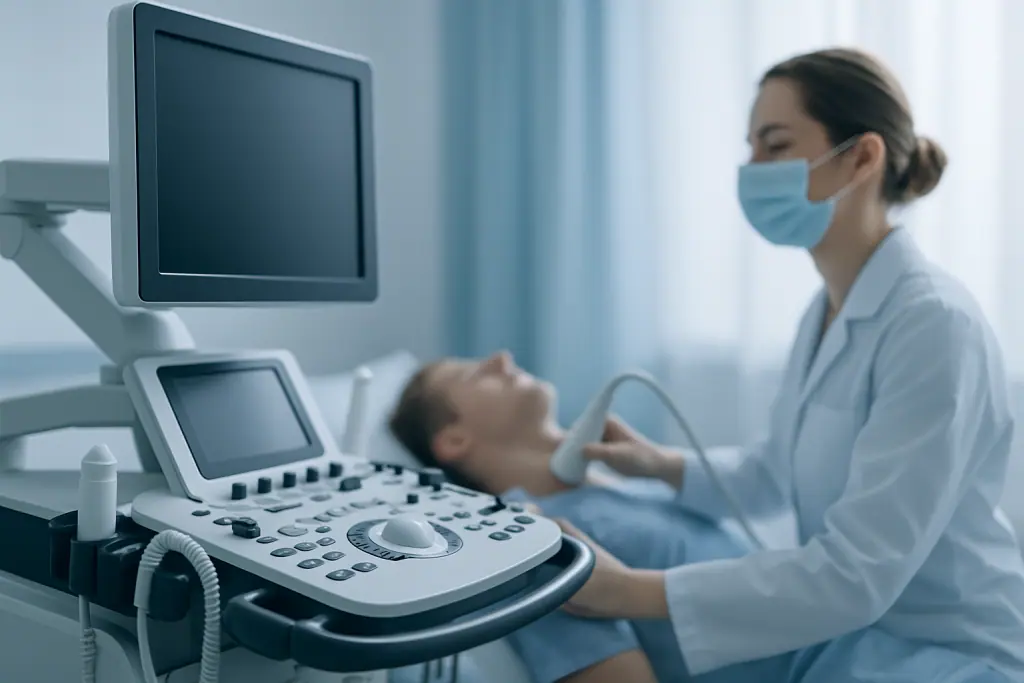
Thyroid ultrasound is the key imaging test for thyroid nodules. It helps measure the nodule, determine whether it is solid or cystic, and look for features that may guide the need for biopsy. Ultrasound also evaluates the rest of the thyroid gland and nearby lymph nodes. The results are often described using risk-stratification systems that help standardize follow-up and biopsy decisions.
If TSH is low, meaning the thyroid may be overactive, a nuclear medicine thyroid scan may be considered. This test can show whether a nodule is “hot,” producing excess hormone, or “cold,” not producing hormone. Hot nodules are less likely to be cancerous, but they may need treatment if they cause hyperthyroidism.
Fine-needle aspiration biopsy, often called FNA, may be recommended for nodules with certain ultrasound features or size criteria. During FNA, a thin needle is used to collect cells from the nodule, usually with ultrasound guidance. The sample is examined by a pathology specialist. Results may be benign, suspicious, malignant, or indeterminate, and the next steps depend on the category and the patient’s overall clinical picture.
Treatment Options
Treatment depends on the type of nodule, thyroid hormone levels, symptoms, ultrasound features, biopsy results, and the patient’s preferences. Many benign nodules do not need immediate treatment. Instead, doctors may recommend periodic ultrasound monitoring and clinical follow-up to check for growth or new features.
When a nodule is cystic and causing discomfort, drainage may be considered. Some cystic nodules can refill, so additional procedures may sometimes be discussed. For selected benign nodules that cause pressure symptoms or cosmetic concerns, minimally invasive options such as thermal ablation may be available in experienced centers. These approaches are not appropriate for every nodule, and suitability should be assessed by a thyroid specialist.
If a nodule is producing too much thyroid hormone, treatment may focus on controlling hyperthyroidism. Options can include antithyroid medication, radioactive iodine therapy, or surgery, depending on the patient’s age, health, hormone levels, nodule characteristics, and personal circumstances. The doctor will also consider heart health and bone health because untreated hyperthyroidism can affect both.
Surgery may be recommended if a nodule is suspicious or confirmed to be cancerous, if it is large and causing significant symptoms, or if biopsy results are repeatedly indeterminate and the overall risk justifies removal. Surgery may involve removing part or all of the thyroid gland. If the entire thyroid is removed, lifelong thyroid hormone replacement is usually needed. Decisions are individualized and should be discussed clearly with an endocrinologist and surgeon.
Prevention, Self-Care, and Follow-Up
There is no guaranteed way to prevent all thyroid nodules. However, maintaining adequate iodine intake is important for thyroid health. Most people receive enough iodine through iodized salt, dairy products, seafood, eggs, or fortified foods, depending on local diet patterns. People should avoid taking high-dose iodine supplements unless advised by a qualified clinician, because too much iodine can also affect thyroid function.
Self-care for someone with a thyroid nodule includes keeping follow-up appointments, completing recommended blood tests or ultrasound exams, and reporting new symptoms. It is also helpful to keep a copy of ultrasound reports and biopsy results, especially if care is provided in more than one country or medical center.
General health habits can support overall wellbeing, although they do not replace medical evaluation. These include not smoking, eating a balanced diet, managing stress, staying physically active as appropriate, and taking prescribed thyroid medication correctly if it has been recommended. Patients should tell their doctor about supplements, weight-loss products, or medications that may affect thyroid tests.
Follow-up intervals vary. Some small, low-risk nodules may be monitored less frequently, while nodules with specific features may need closer observation. A stable nodule over time is reassuring, but changes in size or appearance may lead to repeat biopsy or a revised treatment plan.
When to See a Doctor
A person should arrange a medical evaluation if they notice a new lump in the front of the neck, persistent neck pressure, difficulty swallowing, unexplained hoarseness, or symptoms that may suggest thyroid hormone imbalance. These symptoms have many possible causes, and a doctor can determine whether the thyroid is involved.
Prompt medical advice is also appropriate for people with a known thyroid nodule that appears to grow, becomes painful, or is associated with enlarged lymph nodes in the neck. Those with a history of head or neck radiation, a strong family history of thyroid cancer, or previous thyroid cancer should follow the schedule recommended by their specialist.
International patients who need assessment or treatment can seek care from multidisciplinary teams that include endocrinologists, radiologists, pathologists, nuclear medicine specialists, and endocrine surgeons. Acibadem International’s JCI-accredited hospitals provide diagnosis and treatment for thyroid nodules within this type of coordinated specialist setting.
Frequently asked questions
Are thyroid nodules usually cancer?
No. Most thyroid nodules are benign and do not represent cancer. Doctors use ultrasound, thyroid blood tests, and sometimes fine-needle aspiration biopsy to identify nodules that need closer evaluation.
Can a thyroid nodule go away on its own?
Some cystic or inflammatory nodules may shrink over time, while others remain stable for years. Solid nodules are less likely to disappear completely. Regular follow-up helps determine whether a nodule is changing.
Is a thyroid biopsy painful?
Fine-needle aspiration biopsy is usually well tolerated. A thin needle is used to collect cells, often with ultrasound guidance, and the procedure is typically brief. Some people feel mild pressure or temporary soreness afterward.
Does every thyroid nodule need surgery?
No. Many nodules only require observation with periodic ultrasound and thyroid function tests. Surgery is considered when a nodule is suspicious or cancerous, causes significant symptoms, produces too much hormone in certain cases, or has concerning or unclear biopsy results.
What does it mean if a thyroid nodule is hot or cold?
A “hot” nodule takes up more tracer on a nuclear thyroid scan and may produce thyroid hormone independently. A “cold” nodule takes up less tracer. This information helps guide management, but ultrasound and biopsy findings may still be important.
How often should thyroid nodules be checked?
The follow-up schedule depends on the nodule’s size, ultrasound appearance, biopsy result, and thyroid hormone levels. Some low-risk nodules are checked at longer intervals, while others need closer monitoring. The treating doctor will recommend a schedule based on the individual case.
This article is for general information only and is not a substitute for professional medical advice. Please consult a qualified doctor about your individual situation.
Oncology care in Turkey — second opinion and treatment plan
JCI-accredited · board-certified surgeons · reply within 24h
Add us as a Preferred Source to see more of our trusted health content across Google Search, AI Overviews and Discover.
Check your numbers in seconds
BMI, calories, due date, blood pressure and 30+ more clinical calculators — free, instant, doctor-reviewed ranges.

Related Conditions
More from the Health Library

Graves’ Disease: Autoimmune Thyroid Overactivity and Eye Symptoms

What Is Endocrinology? Hormones, Glands, and the Body’s Balance

Diabetes Insipidus: Why Extreme Thirst and Frequent Urination Need Evaluation

Cushing’s Syndrome: High Cortisol Symptoms and Diagnosis

What Is Endocrinology? The Endocrine System Explained