Abnormal Pupil Size: Causes, Testing, and When to Seek Urgent Care

Pupil size naturally changes with light, but persistent or sudden changes may need evaluation. Unequal pupils are called anisocoria and can be harmless or related to eye or nerve conditions.
Key Takeaways
- Pupil size naturally changes with light, but persistent or sudden changes may need evaluation.
- Unequal pupils are called anisocoria and can be harmless or related to eye or nerve conditions.
- Warning signs such as severe headache, drooping eyelid, double vision, eye pain, or weakness need urgent care.
- Doctors assess pupil reactions, eye movements, vision, and sometimes order imaging or blood tests.
- Treatment depends on the underlying cause, not on the pupil change alone.
Abnormal pupil size means one or both pupils are larger or smaller than expected, or the pupils do not react normally to light. It can have harmless causes, but it can also point to an eye, brain, or nerve problem that needs prompt medical attention.
Overview
The pupil is the dark opening in the center of the eye. It changes size throughout the day to control how much light enters the eye. In bright light, the pupil usually becomes smaller. In dim light, it usually becomes larger. These changes are normal and help support clear vision.
Abnormal pupil size refers to pupils that are unusually large, unusually small, unequal in size, or slow to react to light. Sometimes this change is temporary and harmless, such as after using certain eye drops or being in a dark room. In other situations, it may reflect a problem affecting the eye, the nerves that control the pupil, or parts of the brain.
A difference in size between the two pupils is called anisocoria. Mild anisocoria can be normal in some people, especially if it has been present for a long time and there are no other symptoms. However, a new or sudden change should not be ignored, particularly if it comes with pain, blurred vision, drooping of the eyelid, or neurological symptoms.
Symptoms and Warning Signs
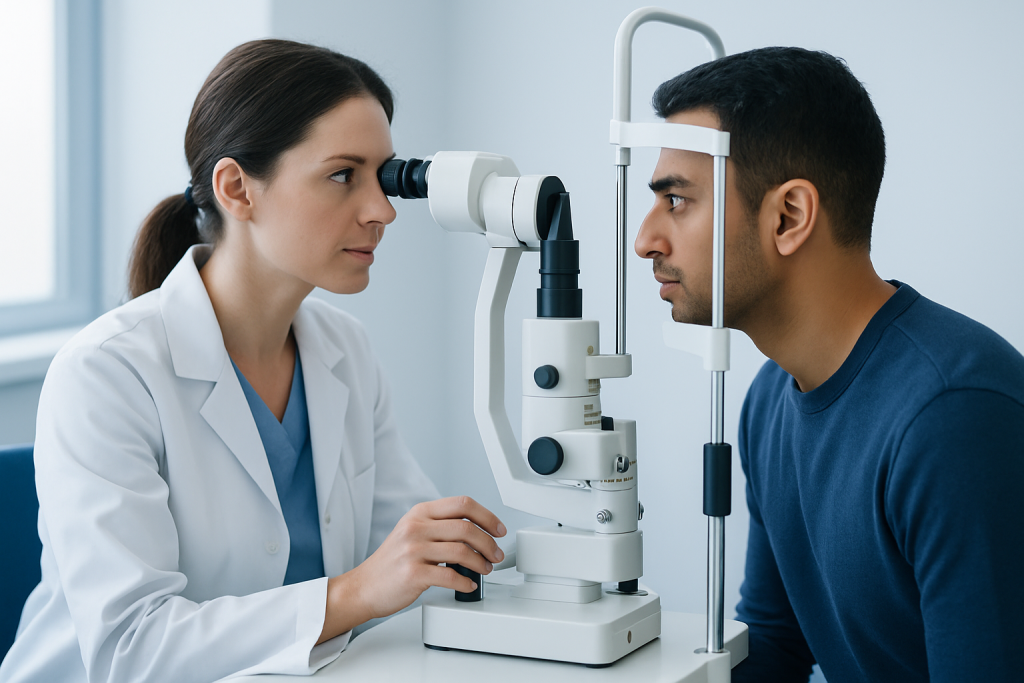
People may notice that one pupil looks larger or smaller than the other, or that both pupils seem unusually wide or unusually tiny. The change may be seen in the mirror, in photographs, or by another person. Some people do not notice the pupils themselves but become aware of related symptoms such as light sensitivity or blurred vision.
Symptoms that may occur with abnormal pupil size include eye pain, redness, drooping of one eyelid, double vision, headache, nausea, dizziness, or changes in vision. Some nerve-related conditions can also cause trouble focusing, reduced sweating on one side of the face, or difficulty moving the eye normally.
Certain warning signs suggest the need for urgent medical care. These include a sudden unequal pupil, severe headache, confusion, weakness, numbness, slurred speech, recent head injury, loss of vision, or a painful red eye. These symptoms can sometimes occur with serious conditions such as stroke, bleeding, nerve compression, or acute eye disease.
- Sudden onset of unequal pupils
- Drooping eyelid or double vision
- Severe headache or neck pain
- Eye pain, redness, or sudden vision loss
- Weakness, confusion, or trouble speaking
Causes and Risk Factors

Abnormal pupil size can result from many different causes. Some are related directly to the eye, such as trauma, inflammation inside the eye, glaucoma, or previous eye surgery. Others involve the nerves that control the pupil, including the third cranial nerve or the sympathetic nerve pathway. A doctor may also consider whether a medicine, patch, inhaler, or accidental exposure to a chemical could be responsible.
Common non-emergency causes include normal physiological anisocoria, migraine, and temporary effects from medications. Pupil size can be affected by some antidepressants, motion sickness treatments, decongestants, anticholinergic medicines, opioid drugs, and certain eye drops. Contact with plant substances or medicated patches can also occasionally change one pupil if the material gets into one eye.
Important medical causes include Horner syndrome, Adie tonic pupil, third nerve palsy, eye injury, and neurological disease. A third nerve palsy may cause a large pupil together with drooping of the eyelid and limited eye movements. Horner syndrome often causes a smaller pupil and mild eyelid drooping. Eye conditions such as glaucoma or inflammation can also alter pupil responses and may cause pain or blurred vision.
Risk factors depend on the underlying problem. They may include recent trauma, prior eye disease, vascular risk factors such as high blood pressure or diabetes, known aneurysm or neurological disease, recent use of new medications, and recent eye procedures. Because causes range from harmless to urgent, context and associated symptoms are very important.
How Doctors Evaluate Abnormal Pupil Size
Evaluation begins with a careful history. The doctor will ask when the pupil change started, whether it is constant or intermittent, and whether there are related symptoms such as headache, pain, blurred vision, weakness, or recent injury. They will also ask about medicines, eye drops, recreational drugs, and past eye or neurological problems.
The physical examination focuses on the eyes and nervous system. The doctor checks pupil size in bright and dim light, how quickly the pupils react, whether the pupils are round and regular, and whether one eyelid droops. Vision, eye movements, eye pressure, and the health of the front and back of the eye may also be examined. In many cases, a detailed neuro-ophthalmic evaluation helps identify whether the issue is coming from the eye itself or from the nerves and brain.
Doctors sometimes use special tests to confirm a suspected diagnosis. These may include slit-lamp examination, measurement of eye pressure, photographs, and tests of the visual fields. Depending on the findings, patients may be referred for an MRI scan or a CT scan to look for problems affecting the brain, eye socket, or blood vessels. Imaging is especially important when symptoms suggest nerve compression, aneurysm, stroke, or trauma.
Additional testing may include blood work or targeted neurological investigations when inflammation, infection, autoimmune disease, or vascular disease is suspected. The goal is to find the cause quickly and safely rather than treating the pupil change in isolation.
Treatment Options
Treatment depends entirely on the cause. If the difference in pupil size is a normal variant and the examination is reassuring, no treatment may be needed. If a medication or chemical exposure is responsible, the doctor may recommend stopping the triggering substance when it is safe to do so and monitoring for recovery.
Eye-related causes are treated according to the specific condition. For example, acute eye pressure problems, inflammation, or trauma may require urgent ophthalmic care. Some patients may need medicines, protective measures, or procedures to manage the underlying eye disease. If a person has signs of a nerve palsy or another neuro-ophthalmic problem, treatment focuses on identifying and addressing the source.
Neurological causes may require urgent hospital-based care, especially if there is concern for aneurysm, stroke, or significant nerve compression. Depending on the diagnosis, management may involve medications, observation, rehabilitation, or specialist procedures. In selected cases, brain surgery may be considered if a structural problem is found and needs treatment.
When vision is affected or symptoms are complex, care may involve more than one specialist, such as an ophthalmologist, neurologist, neurosurgeon, or emergency physician. Acibadem International’s multidisciplinary specialists in JCI-accredited hospitals diagnose and treat neuro-ophthalmic and eye conditions for international patients when advanced assessment is needed.
Prevention and Self-Care
Not every cause of abnormal pupil size can be prevented, but some practical steps may reduce risk. Protecting the eyes during sports, home repairs, and work with tools can help prevent injury. Using medications only as directed and washing hands after handling medicated patches or creams may lower the chance of accidental exposure to one eye.
Managing general health is also important. Conditions that affect blood vessels and nerves, such as high blood pressure and diabetes, can increase the risk of some neurological and eye problems. Regular medical follow-up, healthy lifestyle habits, and taking prescribed treatments as advised can support overall eye and nerve health.
At home, it is helpful to note when the pupil change appears and whether it comes with pain, headache, drooping eyelid, or visual symptoms. Taking a clear photograph in normal lighting can sometimes help compare changes over time, but it should not delay medical care. People should avoid self-treating with leftover eye drops or new over-the-counter products unless a qualified doctor recommends them.
When to Seek Urgent Care
Urgent medical attention is important when abnormal pupil size appears suddenly or is accompanied by neurological or eye symptoms. A new enlarged pupil with drooping of the eyelid, double vision, or severe headache may indicate a serious nerve problem. A painful red eye with blurred vision and a mid-sized or abnormal pupil also needs prompt assessment.
Emergency care is especially important after head or eye trauma, or if symptoms suggest a stroke. Warning signs include one-sided weakness, facial drooping, confusion, trouble speaking, fainting, or a sudden severe headache. These situations should be treated as emergencies rather than watched at home.
If the pupil difference has been present for a long time without other symptoms, it may be less urgent, but a routine examination is still reasonable. A doctor can determine whether the finding is harmless physiological anisocoria or whether further workup is needed. Early evaluation often provides reassurance and helps ensure that important causes are not missed.
Frequently asked questions
Is it normal for one pupil to be slightly bigger than the other?
Yes. Some people naturally have a small, stable difference in pupil size, and this is called physiological anisocoria. If the difference is longstanding and there are no other symptoms, it is often harmless, but a doctor can confirm this.
Can stress or anxiety cause abnormal pupil size?
Stress can temporarily make both pupils larger because of the body's normal adrenaline response. However, stress does not usually cause one pupil to become newly unequal. A sudden or persistent difference should still be evaluated.
What medications can affect the pupils?
Certain eye drops, decongestants, motion sickness medicines, some antidepressants, opioid drugs, and anticholinergic medications can affect pupil size. Accidental contact with medicated patches or plant substances can also change one pupil. A doctor should review all medicines and exposures when assessing the problem.
When is abnormal pupil size an emergency?
It is an emergency when the change is sudden or happens with severe headache, eye pain, vision loss, drooping eyelid, double vision, weakness, or confusion. It is also urgent after head or eye trauma. These symptoms can signal a serious eye or neurological condition.
How do doctors test the pupils?
Doctors examine the pupils in bright and dim light and check how they react. They also assess vision, eye movements, eyelid position, and the health of the eye. If needed, they may order imaging such as CT or MRI to look for deeper causes.
Will abnormal pupil size go away on its own?
Sometimes it does, especially if it is caused by a temporary medication effect or a benign condition. In other cases, it persists until the underlying eye or nerve problem is treated. Because the causes vary widely, medical evaluation is the safest way to know what to expect.
References
- American Academy of Ophthalmology
- National Eye Institute
- American Association for Pediatric Ophthalmology and Strabismus
- National Institute of Neurological Disorders and Stroke
- Merck Manual Professional Edition
This article is for general information only and is not a substitute for professional medical advice. Please consult a qualified doctor about your individual situation.
Explore treatments in Turkey — costs, top hospitals & a free quote
JCI-accredited · board-certified surgeons · reply within 24h
Add us as a Preferred Source to see more of our trusted health content across Google Search, AI Overviews and Discover.
Check your numbers in seconds
BMI, calories, due date, blood pressure and 30+ more clinical calculators — free, instant, doctor-reviewed ranges.