

Accessory Breast Removal: Costs, Recovery, and Scarring

Accessory breast tissue can look or feel like a small breast lump, often near the armpit or along the chest wall. Removal is individualized and may involve excision, liposuction, or a combination of techniques.
Key Takeaways
- Accessory breast tissue can look or feel like a small breast lump, often near the armpit or along the chest wall.
- Removal is individualized and may involve excision, liposuction, or a combination of techniques.
- Recovery is usually gradual, with swelling, bruising, and temporary activity limits common in the first weeks.
- Scarring depends on incision size, tissue location, healing tendency, and the chosen surgical method.
- A consultation with a qualified specialist helps clarify diagnosis, expected results, and the most suitable approach.
Accessory breast removal is a surgical procedure used to remove extra breast tissue that develops along the milk line, most often in the armpit or chest. It is usually performed to ease discomfort, improve movement and appearance, and create a smoother contour.
When to See a Doctor
A doctor should be consulted if an underarm or chest wall lump is painful, changing in size, or causing repeated irritation. Medical evaluation is also important if the area becomes red, warm, unusually firm, or different from a previously stable accessory breast tissue, because other conditions can look similar. Even when the tissue is known to be accessory breast tissue, new symptoms deserve assessment.
Anyone considering removal should meet with a qualified surgeon or breast specialist before deciding on treatment. The consultation can clarify whether the tissue is truly accessory breast tissue, what type of procedure is most suitable, and what scar pattern to expect. This is also the right time to discuss medical history, medications, prior surgeries, and any tendency toward keloid or hypertrophic scarring.
For international patients, Acibadem International offers multidisciplinary specialist care in JCI-accredited hospitals, where accessory breast tissue can be diagnosed and treated within a coordinated surgical plan. A personalized evaluation helps ensure that expectations, recovery needs, and cosmetic goals are all discussed clearly and safely.
Frequently asked questions
What is accessory breast tissue?
Accessory breast tissue is extra breast tissue that forms during development and remains somewhere along the milk line, most often in the armpit. It can contain glandular tissue, fat, skin, or a combination of these. Some people never notice it, while others develop pain or swelling with hormonal changes.
Is accessory breast removal a major surgery?
The procedure is usually considered straightforward, but the extent of surgery depends on the size and type of tissue and whether skin also needs to be removed. Some cases are treated with small incisions and liposuction, while others require direct excision. The surgeon will explain the expected level of complexity during consultation.
How long does recovery take?
Recovery varies, but most people should expect a few days of soreness and swelling, followed by several weeks of gradual improvement. Arm movements, exercise, and lifting may be limited for a period of time depending on the surgical method. The final contour and scar appearance continue to improve over months.
Will there be a visible scar?
Any surgical removal leaves a scar, but the size and location depend on the technique used. Scars in the armpit can often be placed in a relatively discreet area, though they may look red or raised at first. Over time, many scars become flatter and less noticeable, especially with proper care.
Can accessory breast tissue come back after surgery?
If the tissue is completely removed, recurrence is uncommon, but no surgery can be guaranteed to remove every possible cell. Some fullness may remain if there is surrounding fat or if skin laxity affects the contour. A skilled surgeon will discuss what improvement is realistic for the individual case.
Does accessory breast tissue increase breast cancer risk?
Accessory breast tissue can develop the same kinds of benign or malignant changes as normal breast tissue, although this is not common. For that reason, any new lump, pain, or skin change should be evaluated by a clinician. Regular medical follow-up is a sensible part of care, especially if the tissue changes over time.
References
- American Society of Plastic Surgeons
- Mayo Clinic
- Cleveland Clinic
- StatPearls
- World Health Organization
This article is for general information only and is not a substitute for professional medical advice. Please consult a qualified doctor about your individual situation.
Accessory Breast in Turkey — costs, top hospitals & a free quote
JCI-accredited · board-certified surgeons · reply within 24h
Add us as a Preferred Source to see more of our trusted health content across Google Search, AI Overviews and Discover.

Plastic, Reconstructive & Aesthetic Surgery
Reconstructive and aesthetic procedures for the face and body, performed by experienced surgeons.
35 specialists in this unitRelated Treatments
Related Conditions
More from the Health Library



Related Specialists

Prof. Dr. Şükrü Yazar
Aesthetic Plastic & Reconstructive Surgery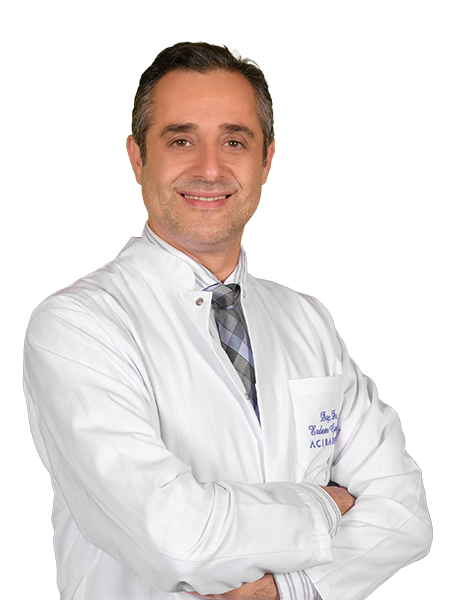
Assoc. Prof. Dr. Erdem Güven (m)
Aesthetic Plastic & Reconstructive Surgery
Prof. Dr. Hakan Ağır
Aesthetic Plastic & Reconstructive Surgery
Prof. Dr. Bülent Saçak
Aesthetic Plastic & Reconstructive Surgery