

Acne Scarring Treatment: Which Options Work for Different Scar Types?

Different acne scars need different treatments; no single option works best for everyone. Indented scars often respond to procedures such as microneedling, lasers, fillers, subcision, or chemical peels.
Key Takeaways
- Different acne scars need different treatments; no single option works best for everyone.
- Indented scars often respond to procedures such as microneedling, lasers, fillers, subcision, or chemical peels.
- Dark marks after acne are not true scars and are usually treated with pigment-focused skincare and sun protection.
- Early acne treatment can reduce the chance of long-term scarring.
- A personalized plan is important because skin type, scar depth, and downtime preferences all matter.
Acne scarring treatment is most effective when it matches the scar type, skin tone, and overall skin condition. A dermatologist or aesthetic specialist may combine procedures and skincare to soften texture, improve color, and refine the skin’s appearance over time.
When to See a Doctor
A doctor should be seen when acne is leaving pits, thickened scars, or long-lasting marks, or when over-the-counter skin care is not helping. Early evaluation is particularly useful if acne is active, painful, or causing emotional distress.
It is also wise to seek medical advice before starting procedures at home, using strong acids, or layering many products together. A qualified clinician can suggest treatments that fit the scar type, skin tone, downtime needs, and overall skin health.
Acibadem International’s multidisciplinary specialists and JCI-accredited hospitals can evaluate and treat acne scarring for international patients in a coordinated setting. This may be helpful when a treatment plan needs input from dermatology, aesthetic medicine, or reconstructive expertise.
Frequently asked questions
Can acne scars go away on their own?
Some dark marks and redness can fade with time, but true indented or raised scars usually do not disappear completely on their own. They may become less noticeable, especially with sunscreen and good skin care, but procedures are often needed for more visible texture changes.
What is the best acne scarring treatment for rolling scars?
Rolling scars often respond well to subcision because it releases the fibrous bands that tether the skin downward. Specialists may combine it with fillers, microneedling, or laser resurfacing to improve overall smoothness.
Are lasers always the answer for acne scars?
No. Lasers can be very useful for some scar types, but they are not ideal for every scar or every skin tone. A clinician may recommend microneedling, chemical peels, subcision, fillers, or targeted procedures instead, depending on the pattern of scarring.
How are dark acne marks different from scars?
Dark marks are flat areas of leftover pigment after inflammation and do not represent a change in skin shape. True scars alter the texture of the skin, creating depressions or raised areas, so they often need different treatment approaches.
Can acne scar treatments be done on darker skin tones?
Yes, but the plan should be chosen carefully because some procedures may increase the risk of pigment changes if not tailored correctly. A dermatologist experienced with different skin tones can select safer options and adjust treatment intensity.
How long does acne scarring treatment take to work?
Improvement is usually gradual and may require several sessions over time. Color changes may fade more quickly than texture changes, and many patients need a combination of treatments plus ongoing home care for the best result.
References
- American Academy of Dermatology
- Dermatologic Surgery
- Mayo Clinic
- National Health Service
- British Association of Dermatologists
This article is for general information only and is not a substitute for professional medical advice. Please consult a qualified doctor about your individual situation.
Acne Scarring Treatment in Turkey — costs, top hospitals & a free quote
JCI-accredited · board-certified surgeons · reply within 24h
Add us as a Preferred Source to see more of our trusted health content across Google Search, AI Overviews and Discover.

Plastic, Reconstructive & Aesthetic Surgery
Reconstructive and aesthetic procedures for the face and body, performed by experienced surgeons.
35 specialists in this unitRelated Treatments
Related Conditions
More from the Health Library



Related Specialists

Prof. Dr. Şükrü Yazar
Aesthetic Plastic & Reconstructive Surgery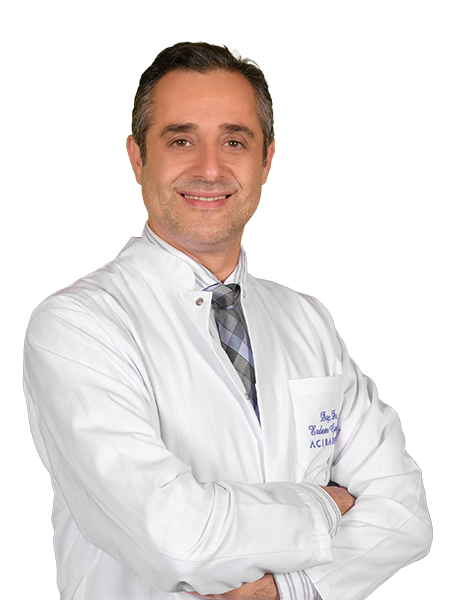
Assoc. Prof. Dr. Erdem Güven (m)
Aesthetic Plastic & Reconstructive Surgery
Prof. Dr. Hakan Ağır
Aesthetic Plastic & Reconstructive Surgery
Prof. Dr. Bülent Saçak
Aesthetic Plastic & Reconstructive Surgery