Adnoid Removal: Procedure, Recovery and Results

Adenoidectomy removes enlarged or chronically infected adenoids through the mouth, leaving no visible external scar. It is most often considered for persistent nasal blockage, snoring or sleep-disordered breathing, recurrent ear problems, or chronic nasal and sinus symptoms.
Key Takeaways
- Adenoidectomy removes enlarged or chronically infected adenoids through the mouth, leaving no visible external scar.
- It is most often considered for persistent nasal blockage, snoring or sleep-disordered breathing, recurrent ear problems, or chronic nasal and sinus symptoms.
- The operation is generally brief and is usually performed as a same-day procedure under general anaesthesia.
- Sore throat, nasal stuffiness, temporary bad breath and reduced appetite can occur during recovery; many children improve within 7 to 10 days.
- A clinician should urgently assess bleeding, breathing difficulty, dehydration, severe worsening pain or a persistent high fever after surgery.
Adnoid removal, more commonly called adenoidectomy, is surgery to remove tissue behind the nose when enlarged or repeatedly infected adenoids interfere with breathing, sleep, sinus health or middle-ear function. It is usually performed as a day procedure under general anaesthesia, and most children return to usual routines within about one week.
Overview: what is adnoid removal?
Adnoid removal is the common search term for adenoid removal, medically known as an adenoidectomy. The adenoids are small pads of immune tissue located high behind the nose, where the nasal passages meet the throat. They help recognise germs in early childhood, but they usually shrink as a child grows and are not essential for long-term immune health.
When adenoids become persistently enlarged or inflamed, they can narrow the space behind the nose. This may lead to ongoing mouth breathing, a blocked-sounding voice, snoring, restless sleep, repeated middle-ear difficulties or recurrent nasal symptoms. An ear, nose and throat (ENT) specialist considers whether the symptoms, examination findings and effect on daily life support surgery.
Adenoidectomy is especially common in children, although adults can occasionally need the procedure. It may be performed alone or alongside other procedures, such as tonsil surgery or ear tube placement, when there is a clear clinical reason for doing so.
How it works and who may be a candidate
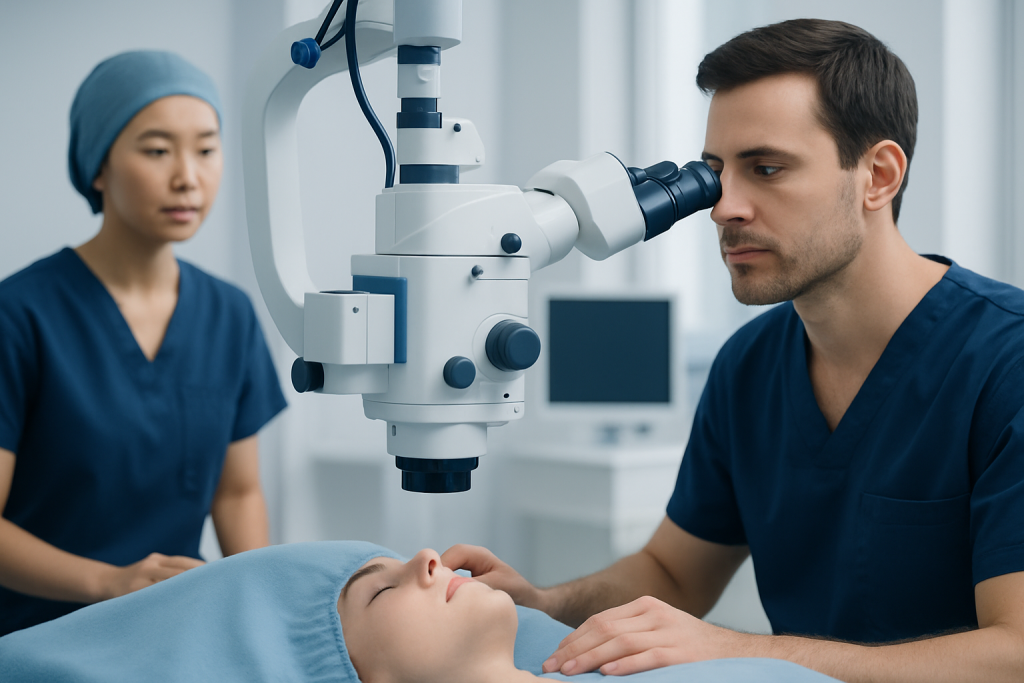
An adenoidectomy creates more space behind the nose by removing the adenoid tissue. The aim is not simply to treat a visible enlargement, but to improve relevant problems such as nasal obstruction, sleep-disordered breathing, recurrent middle-ear fluid or infections, and chronic adenoid inflammation that has not settled with appropriate medical care.
A child may be assessed for surgery if they have persistent snoring with pauses, gasping or disrupted sleep; habitual mouth breathing; chronic nasal blockage; recurrent or persistent fluid behind the eardrum; repeated ear infections in selected circumstances; or chronic nasal discharge and symptoms linked to adenoid inflammation. Symptoms can overlap with allergies, enlarged tonsils, recurrent viral infections and structural nasal concerns, so assessment matters.
The ENT specialist will review the medical history, sleep and ear symptoms, growth and daytime functioning. They may examine the ears, nose, throat and neck and, when needed, view the adenoids with a small flexible camera through the nose. Hearing tests, tympanometry or a sleep assessment may also be appropriate for some children. The decision is individual and balances expected benefit against the burden and risks of surgery.
What happens during adenoid removal surgery?

Adenoid removal is carried out under general anaesthesia, meaning the patient is asleep and does not feel the operation. Before surgery, the anaesthesia and surgical teams review current illnesses, allergies, medicines and fasting instructions. Families should tell the team about fever, cough, vomiting or other signs of acute illness before the planned procedure, as rescheduling can sometimes be safer.
The surgeon reaches the adenoids through the mouth, so there are no cuts on the face or neck. Using specialised instruments, the surgeon removes the adenoid tissue and controls bleeding. The procedure itself is often short, although the total time at hospital includes preparation, anaesthesia and observation in recovery.
Most patients go home the same day once they are awake, breathing comfortably, drinking enough and have no concerning bleeding or nausea. In some cases, particularly for children with significant sleep-related breathing problems, complex health needs or very young age, overnight observation may be recommended. When surgery is advised, adenoidectomy treatment is planned around the individual’s symptoms, health and associated ENT needs.
Benefits, limitations and possible risks
For appropriately selected patients, adenoidectomy can improve nasal airflow, reduce mouth breathing and support more restful sleep. It may also help some children with middle-ear fluid or recurrent ear concerns, particularly when adenoid enlargement contributes to poor ventilation of the middle ear. Better sleep may support daytime attention, mood and energy, although outcomes vary according to the underlying cause of symptoms.
The operation does not treat every cause of snoring or nasal congestion. Allergies, asthma, enlarged tonsils, weight-related airway narrowing and other conditions can continue to affect breathing or sleep. For this reason, adenoid removal should be part of a broader assessment rather than an automatic solution for every child who snores.
Complications are uncommon but possible. These include bleeding, infection, nausea or vomiting related to anaesthesia, pain, dehydration from reduced drinking, and temporary changes in voice quality. Rarely, symptoms may persist, adenoid tissue may regrow, or a child with an underlying palate condition may develop more noticeable nasal speech. The surgeon explains relevant individual risks before consent.
- Seek urgent clinical advice for fresh bleeding from the mouth or nose.
- Contact the care team for poor fluid intake, signs of dehydration, worsening pain or persistent fever.
- Call emergency services for breathing difficulty, severe drowsiness or any rapidly worsening condition.
Recovery timeline and home care
After surgery, a child may be sleepy, irritable or nauseated for several hours because of the anaesthetic. Mild throat discomfort, a stuffy nose, bad breath, nasal-sounding speech and low-grade temperature can occur during the first several days. These symptoms usually improve as the healing area settles.
Fluids are especially important. The care team may recommend frequent small drinks and soft, familiar foods as tolerated. Pain relief should be used exactly as advised by the treating clinician; families should not give medicines that have not been approved for the child. Rest is helpful at first, but gentle activity at home is usually appropriate once the child feels comfortable.
Recovery instructions vary by hospital and by whether other operations, such as tonsillectomy, were done at the same time. A child having adenoidectomy alone often improves more quickly than one who has both tonsils and adenoids removed. Follow the discharge guidance on bathing, food, medicines, school attendance and follow-up, and contact the surgical team if recovery does not seem to be progressing as expected.
Acibadem International’s multidisciplinary specialists and JCI-accredited hospitals assess and treat ENT conditions for international patients, with care plans based on each patient’s clinical needs.
When to seek medical care
Parents and caregivers should arrange a medical review when a child has ongoing nasal obstruction, mouth breathing, habitual loud snoring, poor-quality sleep, observed pauses in breathing, repeated ear concerns or hearing changes. Sleep-related breathing symptoms deserve timely assessment because disrupted sleep can affect wellbeing, concentration and behaviour.
After adenoid surgery, the hospital should be contacted promptly for blood from the nose or mouth, refusal or inability to drink, repeated vomiting, worsening rather than improving pain, or a fever that is high or persistent according to the discharge advice. Urgent medical care is needed for breathing problems, significant bleeding, unusual weakness or signs of dehydration such as very little urine, dry mouth or inability to keep fluids down.
It is also sensible to seek review if snoring, blocked-nose symptoms or ear symptoms continue after the expected recovery period. Persistent symptoms do not necessarily mean that surgery has failed, but they may indicate allergies, tonsil enlargement or another issue that needs further evaluation.
Frequently asked questions
How many days should I rest after adenoids surgery?
Most children need a quieter routine at home for several days after adenoid removal. Many can return to school or daycare in about 5 to 7 days if they are drinking normally, sleeping comfortably and feel well enough, while full recovery commonly takes around 7 to 10 days. The surgeon’s instructions should take priority, especially if another procedure was performed at the same time.
What age is best for adenoid removal?
There is no single best age for adenoid removal. The procedure is most commonly performed in children because adenoids are relatively larger and more active in early childhood, but surgery is considered based on symptoms and their impact rather than age alone. An ENT specialist can advise whether observation, medical management or surgery is most appropriate.
What to expect after having your adenoids removed?
After adenoidectomy, temporary tiredness, sore throat, stuffy nose, bad breath and a reduced appetite are common. Drinking may be uncomfortable at first, so regular fluids and clinician-approved pain relief are important. Most symptoms gradually improve over the following week, although nasal voice changes or congestion can take a little longer to settle.
Is adenoid removal surgery worth it?
Adenoid removal can be worthwhile when enlarged or chronically inflamed adenoids are clearly contributing to sleep-related breathing problems, persistent nasal blockage or selected middle-ear conditions. The expected benefit depends on the cause of the symptoms and whether issues such as allergies or enlarged tonsils are also present. A discussion with an ENT specialist helps families make an informed decision based on likely benefits and possible risks.
Can adenoids grow back after removal?
Small amounts of adenoid tissue can remain or regrow, particularly when surgery is performed at a young age. Significant regrowth causing symptoms is not common, but it can occur. Persistent or returning nasal obstruction, snoring or ear problems should be assessed by a clinician.
Will removing adenoids affect a child’s immune system?
Adenoids are part of the immune system, but they are only one part of a much larger network of immune tissues and cells. Removing problematic adenoids is not generally expected to cause a long-term weakening of immunity. The potential benefit of relieving persistent obstruction or inflammation is weighed against the small role adenoids play in immune function.
References
- American Academy of Otolaryngology–Head and Neck Surgery
- American Academy of Pediatrics
- National Health Service
- Mayo Clinic
This article is for general information only and is not a substitute for professional medical advice. Please consult a qualified doctor about your individual situation.
Explore treatments in Turkey — costs, top hospitals & a free quote
JCI-accredited · board-certified surgeons · reply within 24h
Add us as a Preferred Source to see more of our trusted health content across Google Search, AI Overviews and Discover.

More from the Health Library



Related Specialists

Dr. Ömercan Yağız Öksüz
Aesthetic Plastic & Reconstructive Surgery
Assoc. Prof. Dr. Erdem Güven (m)
Aesthetic Plastic & Reconstructive Surgery
Prof. Dr. Gül Esen İçten
Breast Clinic Clinical Service
Dr. Nurettin Ümit Özak
Orthopedic Surgery & Traumatology