

All-on-4 vs Removable Dentures: Comfort, Stability, and Daily Life Compared

All-on-4 is fixed in place, while removable dentures are taken out for cleaning and sleeping. Many people find All-on-4 more stable for chewing and speaking than traditional removable dentures.
Key Takeaways
- All-on-4 is fixed in place, while removable dentures are taken out for cleaning and sleeping.
- Many people find All-on-4 more stable for chewing and speaking than traditional removable dentures.
- Removable dentures may be suitable for people who want a non-surgical or lower-cost option.
- Bone health, gum condition, general health, and budget all affect which choice is best.
- A dental evaluation is important to compare comfort, fit, maintenance, and long-term needs.
All-on-4 and removable dentures both replace missing teeth, but they can feel very different in daily life. All-on-4 is a fixed implant-supported option designed for greater stability, while removable dentures can be more affordable and less invasive but may shift during use.
Overview: understanding the two options
When a person has lost many or all teeth in one jaw, replacing them can improve chewing, speech, appearance, and confidence. Two common options are removable dentures and All-on-4. Although both aim to restore the smile, they work in very different ways and often create different day-to-day experiences.
Removable dentures are prosthetic teeth attached to a gum-colored base. They sit on the gums and are taken out for cleaning. They may be full dentures, replacing all teeth in an arch, or partial dentures, replacing several teeth. Their fit depends on the shape of the gums and jawbone, and some people use denture adhesive for extra hold.
All-on-4 is a full-arch restoration supported by four dental implants placed in the jaw. The replacement teeth are fixed to these implants, so they are not removed by the patient at home. This approach is often discussed as a type of full-arch implant treatment and may appeal to people seeking a more secure alternative to conventional dentures.
The best choice is not the same for everyone. Age alone does not decide suitability. A dentist considers oral health, jawbone volume, medical history, goals, lifestyle, and budget before recommending either removable dentures or implant-supported options such as dental implants.
Comfort and fit in everyday life
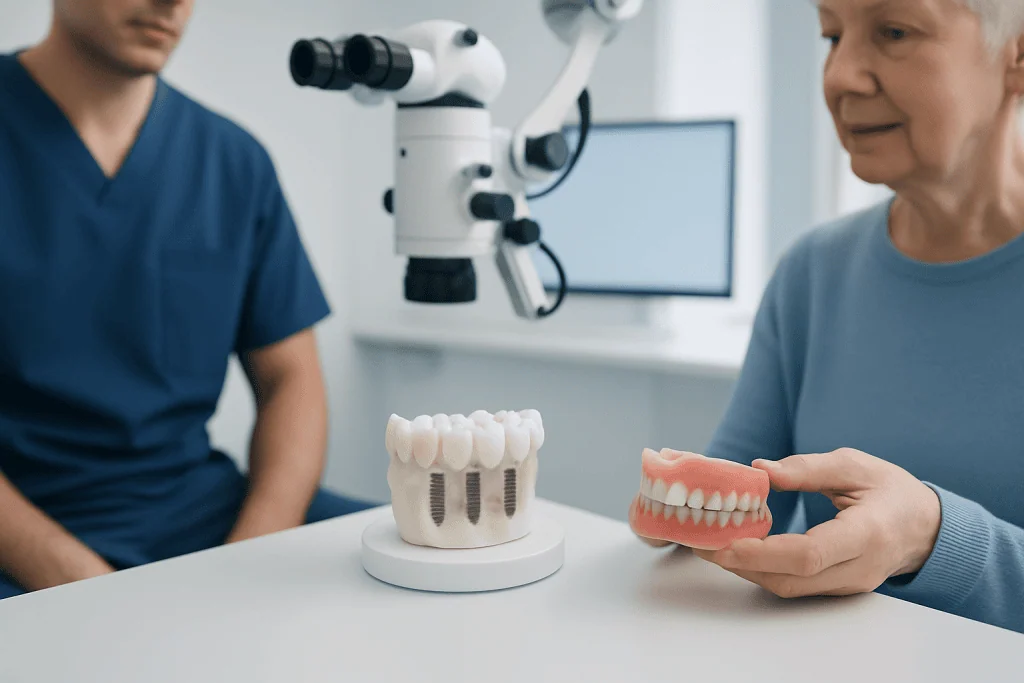
Comfort is one of the main reasons people compare these options. Removable dentures rest on the gums, so pressure from chewing is transferred to the soft tissues. If the fit changes over time, dentures can rub, create sore spots, or feel loose. A person may need adjustments or relining as the shape of the jaw changes.
All-on-4 is different because the prosthetic arch is anchored to implants in the bone. This often creates a more secure feeling and reduces the movement that can happen with removable dentures. Many patients describe fixed teeth as feeling closer to natural teeth, especially during meals and conversation, although they still require an adjustment period.
Comfort also depends on the condition of the gums and supporting tissues. If there is inflammation, infection, or tissue irritation, any oral appliance may feel less comfortable. Good gum care and regular professional follow-up help maintain comfort over time. People who have had long-standing denture wear may also notice a significant difference when switching to a fixed option.
That said, surgery is part of the All-on-4 process, so there can be short-term discomfort during healing. Dentists explain pain control, diet modifications, and recovery expectations in advance. For many people, the temporary recovery period is balanced against the longer-term benefit of improved stability.
Stability for chewing, speech, and confidence
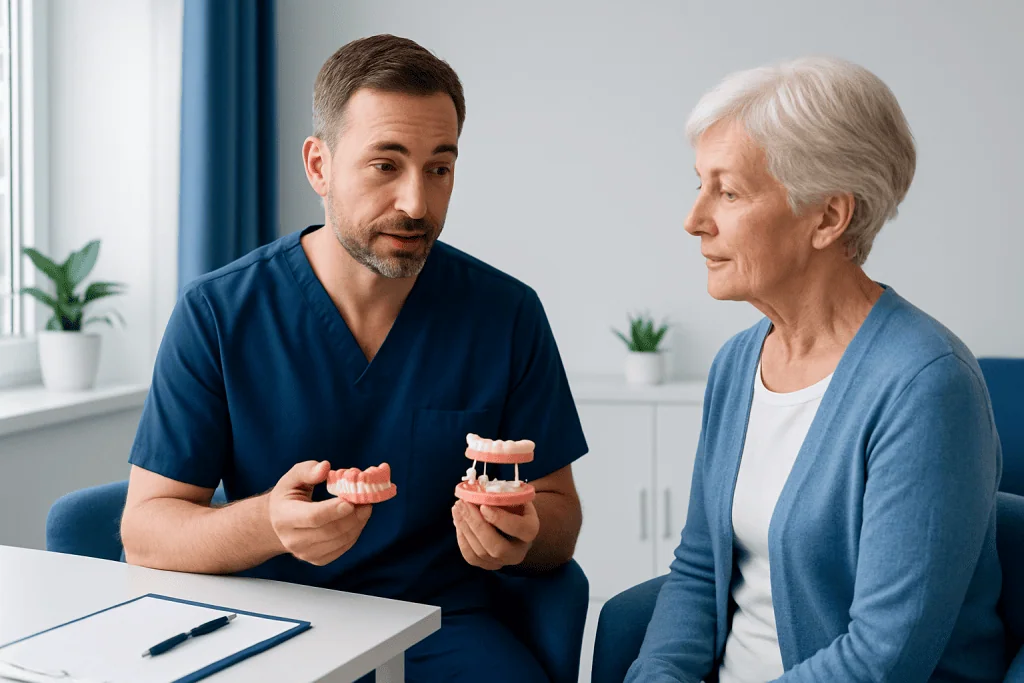
Stability is often where the biggest practical difference appears. Removable dentures can work well, but they may shift during chewing, laughing, yawning, or speaking, especially in the lower jaw. This can make some foods difficult to eat and may lead people to avoid harder or chewier items.
Because All-on-4 teeth are attached to implants, they usually provide stronger support during chewing. Many people can manage a wider range of foods once healing is complete and the dentist confirms that function is good. Better stability may also make speech feel more predictable, especially for sounds that depend on tongue and lip contact with the teeth.
Confidence is closely linked to stability. A person who worries about a denture slipping may eat more cautiously or feel self-conscious in social settings. A fixed solution can reduce that concern for some patients. However, removable dentures can still be a reasonable choice for those who adapt well to them and are comfortable with the daily routine they require.
Every mouth is different, and outcomes depend on fit, design, bone support, and follow-up care. Even with a fixed restoration, habits such as teeth grinding can affect comfort and durability. If grinding is suspected, the dentist may discuss management of bruxism to help protect the prosthesis.
Procedure, healing, and maintenance needs
Removable dentures are generally less invasive to obtain. After examination and impressions, the dentist designs the denture to fit the gums and bite. If teeth need to be removed first, healing may be needed before the final fit is refined. Future adjustments are common because the jawbone and gum contours naturally change after tooth loss.
All-on-4 involves implant surgery, planning, and a restoration phase. The implants are placed strategically to support a full arch, sometimes avoiding the need for more extensive grafting. In some cases, however, bone quantity or quality may still need additional assessment, and some patients may require procedures related to bone support for implants before or alongside treatment planning.
Maintenance is different for each option. Removable dentures must be taken out daily, cleaned carefully, and stored properly when not worn. They should not be cleaned with overly abrasive products, and the mouth itself should also be cleaned, including the gums and tongue.
All-on-4 is not removed by the patient, but it still needs careful daily cleaning around the bridge and implants. Special brushes, water flossing tools, or other aids may be recommended. Routine dental reviews remain important to check the gums, bite, implant health, and the prosthesis itself. General dental hygiene habits are essential with either choice.
Who may be a good candidate for each option
Removable dentures may be a suitable option for people who prefer to avoid surgery, want a shorter initial treatment pathway, or need a lower-cost tooth replacement method. They can also be helpful as an interim solution while other treatment plans are being considered. For some older adults or people with complex medical conditions, removable dentures may be the safest and most practical choice.
All-on-4 may suit people who want a fixed full-arch replacement and are healthy enough for implant surgery. Adequate bone support, healthy gums, and good oral hygiene habits improve the chances of success. Smoking, uncontrolled diabetes, certain medications, and active gum disease may influence healing and implant outcomes, so these factors are reviewed carefully.
Jawbone loss is an important part of the decision. After teeth are lost, the bone can gradually shrink because it no longer receives normal stimulation from tooth roots. Since removable dentures sit on the gums, they do not provide the same support to the bone that implants can. This is one reason some people explore implant-based options when long-term stability is a priority.
Older adults often have additional considerations such as dry mouth, dexterity issues, medical conditions, or previous denture experience. In these situations, tailored planning matters. Supportive fields such as geriatric dentistry can help address the oral health needs of aging patients in a practical and individualized way.
Cost, longevity, and long-term value
Cost is a major factor for many patients, and the comparison is not only about the initial price. Removable dentures usually cost less at the start, which makes them accessible for many people. However, they may need periodic relining, repairs, or replacement over time as the mouth changes.
All-on-4 typically has a higher upfront cost because it involves surgery, implants, prosthetic design, and follow-up care. Even so, some patients view it as a long-term investment in function and convenience because it offers a fixed solution. The exact cost depends on the materials used, whether extractions are needed, whether additional procedures are required, and the complexity of the case.
Longevity varies with oral hygiene, general health, bite forces, smoking status, and regular professional care. Both dentures and implant-supported restorations can last for years, but neither is maintenance-free. The prosthetic teeth, attachments, or other components may need repair or replacement over time, and routine reviews remain important.
It can help to ask the dental team for a full treatment plan that includes likely future maintenance, not only the initial treatment steps. Understanding the expected follow-up schedule, possible repairs, and day-to-day care can make the decision clearer and more realistic.
How to choose and when to seek professional advice
Choosing between All-on-4 and removable dentures is often easier when the decision is based on daily priorities. Some people value a fixed, more stable feel and are comfortable with surgery. Others prioritize affordability, lower invasiveness, or the ability to remove the prosthesis themselves. There is no single best option for everyone.
A full dental assessment should include examination of the gums, remaining teeth if present, jawbone levels, bite, and overall oral health. Imaging may be needed to evaluate bone support and plan implants safely. The dentist may also discuss alternatives such as All-on-6 or other restorative designs if they seem more appropriate for the individual case.
A person should seek professional advice if they are struggling with chewing, speech, loose dentures, mouth soreness, repeated denture breakage, or dissatisfaction with their current teeth replacement. Professional care is also important if there are signs of gum disease, bleeding, swelling, or persistent bad breath, since these can affect treatment choices and outcomes.
Near the end of the decision process, some patients choose to consult centers experienced in complex full-mouth rehabilitation. Acibadem International’s multidisciplinary specialists and JCI-accredited hospitals evaluate and treat tooth loss for international patients, including fixed and removable replacement options. A personalized consultation can help clarify which approach best fits a person’s anatomy, health, and lifestyle.
Frequently asked questions
Is All-on-4 more comfortable than removable dentures?
Many people find All-on-4 more comfortable because it is fixed in place and does not move on the gums in the same way as a removable denture. However, comfort depends on healing, fit, oral hygiene, and the condition of the gums and bone. A dental assessment is needed to tell which option is likely to feel best for a specific person.
Can a person eat normally with All-on-4?
After healing and with the dentist’s approval, many patients can eat a wider range of foods with All-on-4 than with removable dentures. A softer diet is often recommended at first while the implants and tissues heal. Long-term chewing ability still depends on follow-up care and how well the prosthesis is maintained.
Do removable dentures always become loose over time?
Not always, but they can loosen as the gums and jawbone change shape after tooth loss. This is a common reason for relining or adjustment. Regular dental visits help keep the fit as stable and comfortable as possible.
Who should avoid All-on-4 treatment?
All-on-4 may not be suitable for everyone, especially if there is uncontrolled medical illness, active gum disease, heavy smoking, or insufficient bone without further treatment. Some people may also prefer to avoid surgery for personal or health reasons. A dentist or oral surgeon can assess whether implant treatment is safe and appropriate.
Are removable dentures easier to clean than All-on-4?
Removable dentures can be simpler to clean because they are taken out of the mouth and brushed directly. All-on-4 requires cleaning around fixed teeth and implants, often with special tools. Both options need daily care and regular professional checkups to stay healthy and functional.
How long does it take to get All-on-4 compared with dentures?
Removable dentures may involve a shorter and less invasive treatment pathway, though adjustments are often needed over time. All-on-4 usually requires planning, surgery, healing, and follow-up visits before the final result is complete. The exact timeline varies from person to person and depends on healing and treatment complexity.
References
- American Dental Association
- National Institute of Dental and Craniofacial Research
- Mayo Clinic
- FDI World Dental Federation
- National Health Service
This article is for general information only and is not a substitute for professional medical advice. Please consult a qualified doctor about your individual situation.
Explore treatments in Turkey — costs, top hospitals & a free quote
JCI-accredited · board-certified surgeons · reply within 24h
Add us as a Preferred Source to see more of our trusted health content across Google Search, AI Overviews and Discover.

Dental & Oral Health
Full-scope dental care from implants and aesthetics to oral and maxillofacial surgery.
158 specialists in this unitRelated Treatments
More from the Health Library



Related Specialists

Assoc. Prof. Dr. Ferit Bayram
Oral & Dental Health
Dt. Alara Naz Kenir
Oral & Dental Health
Dt. Gonca Katmer
Oral & Dental HealthDt. Doğa Baysal
Oral & Dental Health