All-on-6 Dental Implants: Who May Be a Good Candidate?

All-on-6 uses six dental implants to support a fixed full-arch restoration. Candidates are often adults missing many or all teeth in the upper or lower jaw.
Key Takeaways
- All-on-6 uses six dental implants to support a fixed full-arch restoration.
- Candidates are often adults missing many or all teeth in the upper or lower jaw.
- Jawbone volume, gum health, general health, and oral hygiene habits all affect eligibility.
- Bone grafting, gum treatment, or tooth removal may be needed before implant placement.
- A dental examination with imaging is essential to confirm whether All-on-6 is appropriate.
All-on-6 dental implants are a full-arch tooth replacement option that uses six implants to support a fixed bridge. A good candidate is usually someone missing most or all teeth in one jaw, with adequate bone support, healthy oral tissues, and realistic expectations about treatment and aftercare.
Overview of All-on-6 Dental Implants
All-on-6 dental implants are a method of replacing a full arch of missing or severely damaged teeth using six implants placed in the jawbone. These implants act like artificial tooth roots and support a fixed bridge that is designed to restore chewing, speech, and appearance. Compared with removable dentures, this option is generally more stable because the prosthetic teeth are anchored to implants.
This treatment is often considered by people who have lost most or all teeth in the upper jaw, lower jaw, or both. It may also be suitable for people whose remaining teeth cannot be predictably saved because of extensive decay, advanced wear, or significant gum problems. In many cases, All-on-6 is part of a broader plan that may also involve extractions, gum treatment, or dental bone grafting before final restoration.
Although the concept is straightforward, candidacy is individual. Not every person with missing teeth is automatically suited to All-on-6. The dentist or oral surgeon considers bone quantity and quality, the condition of the gums, the bite, medical history, and the patient’s goals. A detailed assessment helps determine whether All-on-6 treatment is the best option or whether another implant-supported solution may be more appropriate.
Who May Be a Good Candidate?
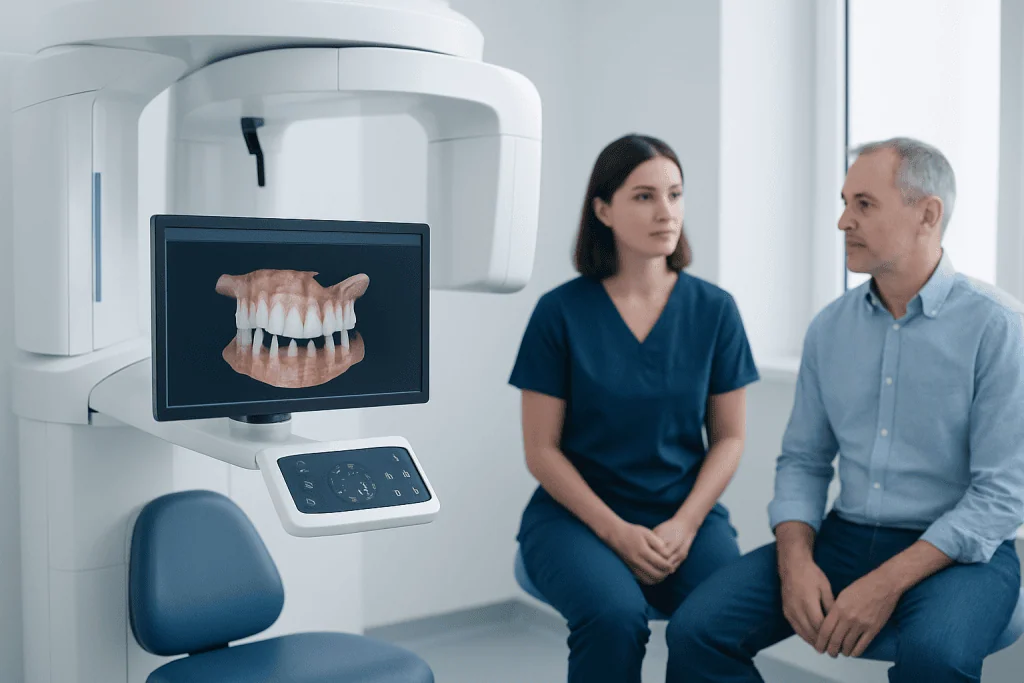
A good candidate for All-on-6 dental implants is typically an adult who is missing most or all teeth in one arch, or who has remaining teeth that are unlikely to function well long term. Many patients seek this approach when traditional dentures feel loose or uncomfortable, or when they want a fixed alternative that more closely resembles natural teeth in daily use.
People who may benefit include those with widespread tooth loss, severe tooth damage, or long-term denture wear that has reduced comfort and chewing efficiency. Some people choose All-on-6 because they prefer a fixed restoration rather than a removable appliance. Others are interested because implant-supported teeth may help preserve jawbone better than conventional dentures over time.
In general, stronger candidates tend to have:
- Enough jawbone to support six implants, or a jaw that can be prepared with grafting if needed
- Healthy gums, or gum disease that can be treated before implant placement
- Good general health and healing capacity
- A commitment to daily oral hygiene and regular follow-up visits
- Realistic expectations about treatment stages, healing time, and long-term maintenance
Age alone is not usually the deciding factor. Older adults may still be suitable candidates if their oral and general health are stable. In some cases, a dentist with experience in geriatric dentistry can help assess the needs of older patients with complex medical histories or long-term denture use.
What Dentists Evaluate Before Recommending All-on-6
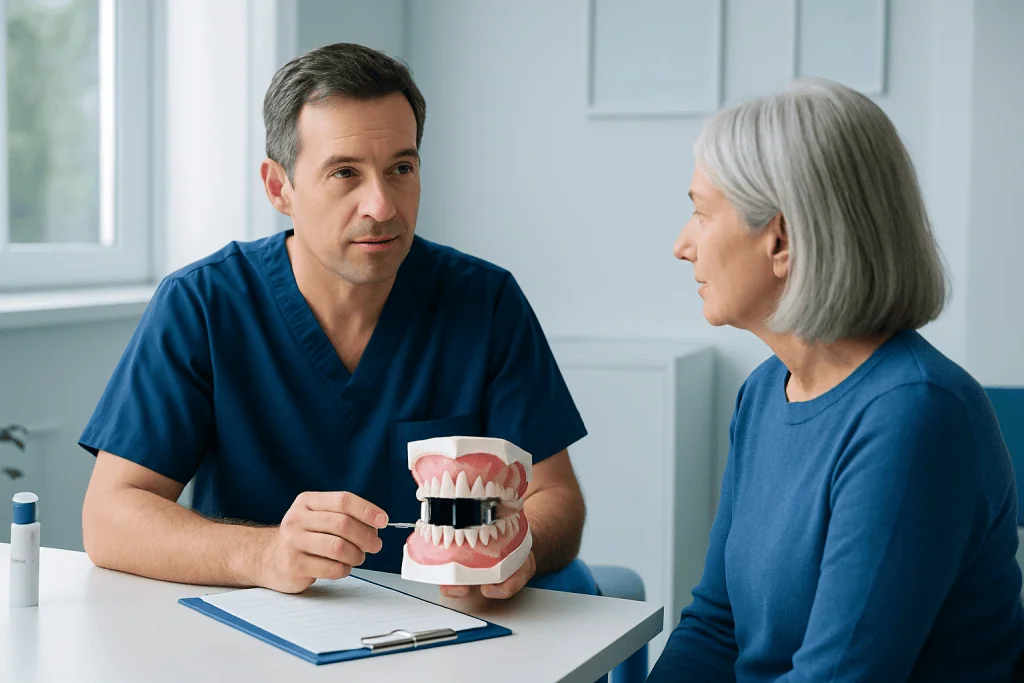
The first major consideration is the jawbone. Dental implants need enough bone height, width, and density to be placed securely. If bone has shrunk after years of missing teeth, the patient may still qualify, but additional planning is often needed. Advanced imaging helps show where the bone is strongest and whether grafting or another implant design would be safer and more effective.
Gum health is also important. Untreated gum infection around remaining teeth or active oral inflammation can reduce the chance of successful healing. Before implants are placed, the dental team usually treats any infections, evaluates bleeding or recession, and improves oral hygiene. Long-term implant success depends not only on surgery, but also on maintaining healthy tissues around the implants afterward.
The bite and jaw relationship matter as well. Dentists assess how the upper and lower jaws meet, whether the patient grinds or clenches their teeth, and whether there are habits that could overload the final prosthesis. Conditions such as severe bruxism do not always rule out treatment, but they may require protective strategies such as night guards, prosthetic design changes, or closer follow-up.
Finally, the team reviews lifestyle and expectations. Smoking, uncontrolled diabetes, poor oral hygiene, and missed dental care can all raise the risk of implant complications. A thoughtful evaluation in general dentistry helps determine whether the patient is ready for a full-arch implant plan and what steps can improve the chance of a stable result.
When All-on-6 May Not Be the Best Option
All-on-6 may not be ideal for everyone. Some patients do not have enough available bone in key areas of the jaw, and in certain cases the amount of reconstruction needed may make a different treatment plan more practical. Others may have oral conditions that first need to be stabilized, such as active gum disease, untreated infection, or poor-fitting existing dental work that affects the bite.
Medical factors can also influence the decision. Problems with wound healing, uncontrolled blood sugar, immune suppression, or recent use of certain medications may increase surgical risk or delay osseointegration, the process in which the implant bonds to bone. This does not automatically exclude a patient, but it often means treatment should be coordinated carefully with the patient’s physician and dental specialists.
Daily habits play a role too. Heavy smoking, limited home care, or difficulty attending follow-up appointments can reduce the long-term success of a fixed implant bridge. Because All-on-6 restorations require cleaning around the prosthesis and regular professional maintenance, patients need to be willing and able to care for them consistently.
In some situations, alternatives may be recommended. Depending on anatomy and goals, a patient may be better suited to conventional dental implants, another full-arch design such as All-on-4, or a removable prosthesis. The best option is the one that balances function, comfort, anatomy, and long-term predictability.
How Candidacy Is Confirmed
Confirming candidacy usually starts with a full dental consultation. The dentist asks about missing teeth, previous dentures, gum problems, surgeries, medical conditions, medications, and goals for treatment. They also examine the mouth, remaining teeth, bite, and oral tissues to understand whether the foundation is healthy enough for implant therapy.
Imaging is an essential part of planning. Panoramic X-rays and three-dimensional scans, such as cone beam CT, help the team evaluate bone volume, sinus position in the upper jaw, and the location of nerves in the lower jaw. These images allow more precise planning for implant placement and help identify whether preparatory treatment is needed.
Some patients need treatment before they can move forward with All-on-6. This may include extraction of teeth that cannot be saved, treatment of gum disease, or procedures to improve bone support. If there has been long-term bone loss, the team may discuss staged treatment rather than immediate implant placement. Careful planning often improves safety and the long-term fit of the final prosthesis.
Many centers now use digital dentistry tools to design the surgery and prosthetic teeth with greater accuracy. This may improve communication about the expected result and help the patient understand the stages of care. The final decision is based on a combination of imaging, clinical findings, general health, and patient priorities.
Benefits, Limitations, and Recovery Considerations
For the right patient, All-on-6 can offer several practical benefits. Because the prosthetic teeth are fixed in place, many patients find chewing and speaking more secure than with removable dentures. A full-arch implant bridge may also provide a more natural-feeling bite and help support facial contours by replacing missing teeth in a stable way.
Another advantage is that treatment addresses an entire arch with a coordinated plan rather than replacing each tooth separately. This can be helpful when many teeth are missing or non-restorable. In some cases, a temporary fixed restoration is provided during healing, followed later by a final bridge once the implants have integrated fully with bone.
At the same time, patients should understand the limitations. All-on-6 is a surgical and prosthetic treatment, not a simple one-visit solution for everyone. Healing takes time, and some patients need several stages before the final teeth are placed. Complications such as infection, implant failure, prosthetic wear, or hygiene-related inflammation are possible, especially if aftercare is inconsistent.
Recovery also requires patience. Soft foods are often recommended during the initial healing period, and cleaning instructions must be followed carefully. Regular reviews allow the dental team to monitor the implants, the bite, and the bridge. A successful outcome depends on both skilled treatment and the patient’s ongoing commitment to maintenance.
Self-care, Long-term Maintenance, and When to Seek Advice
Daily care remains essential after All-on-6 treatment. Even though the bridge is fixed, plaque can still collect around the implants and beneath the prosthesis. Patients are usually advised to use brushing, interdental cleaning tools, and any special aids recommended by their dentist to keep the area clean. Good maintenance helps protect the gums and supporting bone around the implants.
Routine follow-up visits are important because implant-supported restorations need professional review. The dental team checks for signs of inflammation, bite imbalance, prosthetic loosening, and wear over time. These visits also provide a chance to reinforce cleaning technique and address small issues before they become more complicated.
A patient should contact a dentist promptly if they notice persistent pain, swelling, bleeding, bad taste, loosening of the bridge, difficulty chewing, or changes in how the teeth meet. These symptoms do not always mean a serious problem, but they deserve timely evaluation. Early care can often prevent more extensive treatment later.
People considering care abroad may also want coordinated planning for consultation, imaging, surgery, and follow-up. Acibadem International’s multidisciplinary specialists and JCI-accredited hospitals diagnose and treat dental implant conditions for international patients, with care tailored to individual needs and medical history.
Frequently asked questions
What is the difference between All-on-6 and regular dental implants?
All-on-6 is a full-arch treatment that uses six implants to support a fixed row of replacement teeth. Regular dental implants may replace one tooth, several teeth, or support other types of restorations depending on how many teeth are missing.
Can someone with bone loss still get All-on-6 dental implants?
Sometimes yes, but this depends on how much bone remains and where the loss has occurred. Some people may still qualify after careful planning, while others may need bone grafting or a different treatment approach.
Are older adults good candidates for All-on-6?
Yes, many older adults can be good candidates if their overall health is stable and their mouth can support implants. Age by itself is usually less important than bone quality, gum health, healing ability, and commitment to aftercare.
How long does All-on-6 treatment take?
The full timeline varies from person to person. Some patients can have implants and a temporary restoration placed in a relatively short period, while others need extractions, gum treatment, or bone procedures first, which can extend treatment over several months.
Is All-on-6 better than dentures?
It can be a good option for people who want a fixed alternative to removable dentures. However, it is not automatically better for everyone, because the choice depends on anatomy, oral health, medical factors, budget, and personal preferences.
What can make someone a poor candidate for All-on-6?
Common concerns include inadequate jawbone, untreated gum disease, poor oral hygiene, heavy smoking, and medical conditions that impair healing. A dentist can explain whether these issues can be treated or whether another option may be safer and more predictable.
References
- American Dental Association
- National Institute of Dental and Craniofacial Research
- European Association for Osseointegration
- Mayo Clinic
- National Health Service
This article is for general information only and is not a substitute for professional medical advice. Please consult a qualified doctor about your individual situation.
Dental Implants in Turkey — costs, top hospitals & a free quote
JCI-accredited · board-certified surgeons · reply within 24h
Add us as a Preferred Source to see more of our trusted health content across Google Search, AI Overviews and Discover.

Dental & Oral Health
Full-scope dental care from implants and aesthetics to oral and maxillofacial surgery.
151 specialists in this unitRelated Treatments
More from the Health Library



Related Specialists

Assoc. Prof. Dr. Ferit Bayram
Oral & Dental Health
Assoc. Prof. Dr. Yeliz Çavuşoğlu Yüce
Oral & Dental Health
Assoc. Prof. Dr. Mutlu Keskin
Oral & Dental Health
Prof. Dr. Ülkü Noyan
Oral & Dental Health