ALS vs Other Motor Neuron Diseases: What Symptoms Help Doctors Differentiate Them?

ALS affects both upper and lower motor neurons, which often leads to a combination of muscle weakness, wasting, twitching, and increased reflexes. Other motor neuron diseases may involve mainly upper motor neurons or mainly lower motor neurons, creating different symptom patterns.
Key Takeaways
- ALS affects both upper and lower motor neurons, which often leads to a combination of muscle weakness, wasting, twitching, and increased reflexes.
- Other motor neuron diseases may involve mainly upper motor neurons or mainly lower motor neurons, creating different symptom patterns.
- Bulbar symptoms such as slurred speech, swallowing difficulty, and emotional lability can be especially helpful in narrowing the diagnosis.
- Doctors use the history, examination, EMG, nerve conduction studies, MRI, and blood tests to rule out look-alike conditions.
- Progression over time is an important clue, so repeat assessments may be needed before a diagnosis is confirmed.
ALS and other motor neuron diseases can cause similar movement problems, but the exact mix of muscle weakness, stiffness, speech changes, and breathing symptoms often helps doctors distinguish them. Careful neurological examination, nerve testing, imaging, and follow-up over time are usually needed for an accurate diagnosis.
Overview
Motor neuron diseases are a group of neurological conditions that damage the nerve cells controlling voluntary muscles. These muscles are responsible for actions such as walking, speaking, swallowing, breathing, and using the hands. Amyotrophic lateral sclerosis, often called ALS, is the best-known motor neuron disease, but it is not the only one.
Doctors often compare ALS with conditions such as primary lateral sclerosis (PLS), progressive muscular atrophy (PMA), progressive bulbar palsy, spinal muscular atrophy in some age groups, and hereditary spastic paraplegia or other disorders that can resemble motor neuron disease. The challenge is that early symptoms may overlap. A person may first notice weakness, clumsiness, muscle cramps, or speech changes without a clear answer right away.
What helps doctors differentiate these disorders is not one single symptom, but the pattern. They look at whether weakness is accompanied by muscle wasting, twitching, stiffness, brisk reflexes, swallowing problems, breathing symptoms, or sensory complaints. They also consider how quickly symptoms are progressing and which parts of the body are involved first.
What makes ALS different from other motor neuron diseases?
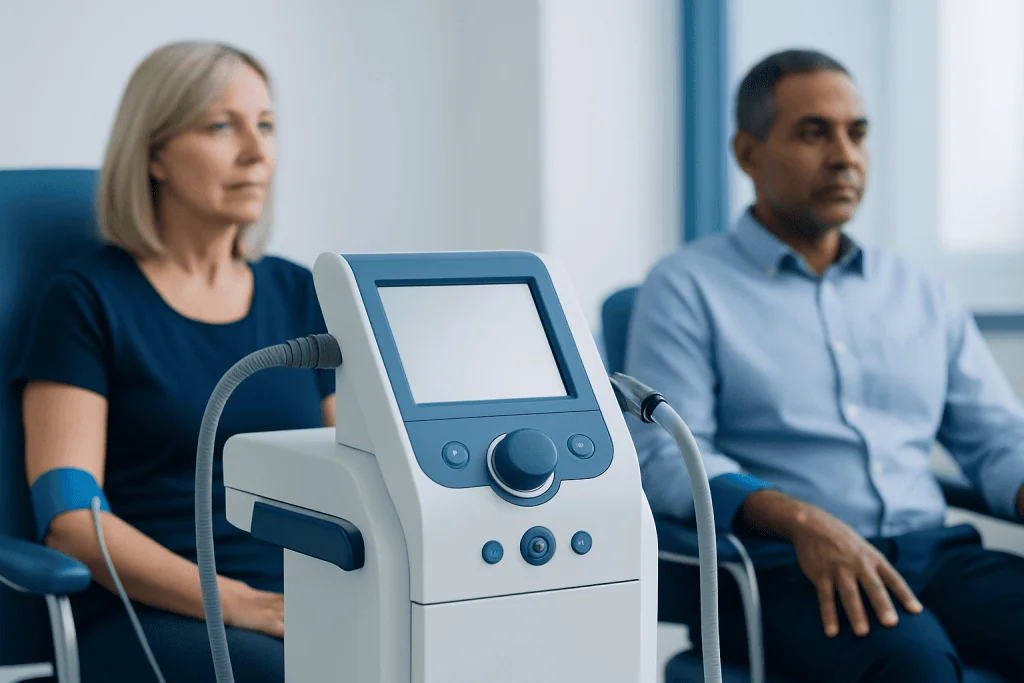
ALS usually affects both upper motor neurons and lower motor neurons. Upper motor neuron involvement tends to cause stiffness, slowed movements, exaggerated reflexes, and muscle tightness known as spasticity. Lower motor neuron involvement more often causes muscle weakness, visible wasting, cramps, and fasciculations, which are small muscle twitches seen under the skin.
This combination is one of the main clues that points toward ALS rather than another motor neuron disease. In contrast, PLS mainly affects upper motor neurons, so stiffness and walking difficulty may be more prominent than muscle wasting. PMA mainly affects lower motor neurons, so weakness, wasting, and fasciculations may stand out while reflexes are not increased in the same way.
ALS can also involve bulbar muscles, leading to slurred speech, voice changes, swallowing difficulty, or trouble handling saliva. Over time, breathing muscles may weaken as well. Some people with ALS also develop changes in thinking, behavior, or language, which can overlap with frontotemporal disorders. That broader pattern can help distinguish ALS from more limited motor neuron syndromes.
Because several related conditions can evolve over time, diagnosis is sometimes clearer after repeated examinations. A person who first appears to have a pure upper or lower motor neuron syndrome may later develop features that confirm ALS, while others continue to fit another diagnosis.
Symptoms that help doctors tell them apart

When doctors compare ALS with other motor neuron diseases, they pay close attention to the type and distribution of weakness. ALS often begins asymmetrically, meaning one hand, one foot, or one side may be affected first. People may notice tripping, reduced grip strength, difficulty turning a key, or frequent dropping of objects. As the disease progresses, weakness usually spreads to other regions.
In PLS, symptoms often begin more gradually with leg stiffness, balance problems, and a spastic walking pattern. Muscle wasting is usually less striking early on. In PMA, limb weakness and wasting may be more obvious than stiffness. In progressive bulbar palsy, speech and swallowing problems may dominate at first, with arm or leg weakness appearing later or remaining less prominent for a period.
Doctors also ask whether symptoms involve sensation. Numbness, tingling, pain radiating from the neck or back, bowel or bladder changes, or clear eye movement problems are not typical early features of classic ALS and may suggest another cause. Conditions such as peripheral neuropathy, cervical spinal cord compression, myasthenia gravis, inflammatory neuropathies, multifocal motor neuropathy, or Parkinson's disease can sometimes mimic parts of the picture.
- More suggestive of ALS: mixed weakness, wasting, fasciculations, brisk reflexes, spasticity, and gradual spread to multiple body regions
- More suggestive of PLS: marked stiffness, slow movement, balance difficulty, and predominantly upper motor neuron signs over time
- More suggestive of PMA: prominent wasting, weakness, and fasciculations with fewer upper motor neuron signs
- More suggestive of bulbar-predominant disease: early speech, voice, chewing, or swallowing difficulty
- More suggestive of another diagnosis: sensory loss, fluctuating fatigue, double vision, bowel or bladder symptoms, or structural spine-related pain
Causes, risk factors, and look-alike conditions
The exact cause of ALS is not fully understood. Many cases are sporadic, meaning they occur without a clear family history, while a smaller number are inherited. Other motor neuron diseases may also be sporadic or genetic. For this reason, doctors may ask about relatives with ALS, dementia, spastic gait disorders, or childhood muscle weakness.
Age at symptom onset can be informative. ALS most often appears in adulthood, while some inherited neuromuscular conditions begin much earlier. Symptom speed also matters. A very slow course over many years may make doctors think more about PLS, hereditary spastic paraplegia, or certain neuropathies. A more rapid spread with both upper and lower motor neuron signs raises concern for ALS.
Another key part of assessment is excluding disorders that can be treated. Cervical spine disease, metabolic disorders, vitamin deficiencies, thyroid disease, autoimmune or inflammatory nerve conditions, infections, and neuromuscular junction disorders can all resemble motor neuron disease in selected cases. For example, some patients first need evaluation for myasthenia gravis or other neuromuscular disorders before the diagnosis becomes clear.
Because look-alike conditions may improve with targeted therapy, doctors usually avoid diagnosing ALS based on symptoms alone. The goal is not only to identify the most likely motor neuron disease, but also to make sure a reversible condition is not missed.
How diagnosis is made
Diagnosis starts with a detailed history and neurological examination. The doctor looks for upper motor neuron signs such as brisk reflexes, spasticity, and abnormal reflex responses, as well as lower motor neuron signs such as weakness, muscle wasting, reduced tone, and fasciculations. The pattern across the bulbar, cervical, thoracic, and lumbosacral regions is especially important.
Electromyography and nerve conduction studies are central tools. EMG can show evidence of ongoing and chronic denervation in muscles, which supports lower motor neuron involvement. Nerve conduction studies help evaluate whether symptoms may instead come from peripheral neuropathy, conduction block, or another nerve disorder. Brain and spine MRI are often used to rule out structural problems such as spinal cord compression, stroke, or inflammatory disease.
Blood tests may check for thyroid disorders, vitamin deficiencies, autoimmune markers, infections, and other metabolic causes of weakness. In selected patients, genetic testing, lumbar puncture, pulmonary function testing, or swallowing assessment may be recommended. If speech or swallowing symptoms are prominent, the person may also need evaluation by speech and swallowing specialists.
Some people require follow-up over months before the diagnosis is settled. This can be frustrating, but it is often medically appropriate. Careful monitoring helps doctors determine whether the disease remains limited to one motor neuron type or evolves into a pattern more typical of ALS. In complex cases, advanced neurological testing and EMG electromyography can provide valuable additional information.
Treatment options and supportive care
There is no single treatment that applies to every motor neuron disease in the same way, because the conditions differ in course and needs. In ALS, management usually focuses on slowing disease progression where possible, relieving symptoms, preserving mobility and communication, supporting breathing and nutrition, and maintaining quality of life. In other motor neuron diseases, treatment may emphasize spasticity management, rehabilitation, mobility aids, or monitoring for later changes.
A multidisciplinary care team is often helpful. Depending on symptoms, this may include neurologists, physiatrists, physical therapists, occupational therapists, speech and language therapists, dietitians, respiratory therapists, and mental health professionals. For swallowing or weight loss concerns, nutritional support can be important. For breathing symptoms, doctors may recommend respiratory assessment and supportive equipment when needed.
Rehabilitation is tailored to the individual. Gentle exercise, stretching, energy conservation, fall prevention strategies, and assistive devices can support function without overexertion. Speech and swallowing therapy may help with communication strategies and safer eating. If gait or limb weakness becomes more limiting, clinicians may discuss braces, walking aids, or home adaptations.
Specialized evaluation may also include neurological rehabilitation and, when structural disease must be excluded, MRI imaging. Near the end of the care pathway, Acibadem International’s multidisciplinary specialists and JCI-accredited hospitals diagnose and treat motor neuron diseases for international patients as part of coordinated neurological care.
Self-care, monitoring, and living with uncertainty
While a person is being evaluated, practical self-care can make day-to-day life safer and easier. It helps to track changes in walking, hand function, speech, swallowing, breathing, weight, cramps, and fatigue. A symptom diary can be useful during follow-up visits, especially when doctors are trying to determine how quickly symptoms are progressing or whether new body regions are becoming involved.
Good nutrition, hydration, sleep, and gentle activity remain important. People with weakness or balance problems may benefit from removing fall hazards at home, using supportive footwear, and asking for an occupational therapy assessment. Those with speech or swallowing changes should avoid rushing meals and should seek professional guidance if coughing during eating becomes frequent.
Emotional strain is common during the diagnostic process. Uncertainty can be difficult for both patients and families, particularly when several possible diagnoses are being considered. Clear communication with the care team, asking for explanations of test results, and seeking counseling or support groups can help many people cope more comfortably.
When to see a doctor
A person should see a doctor if they develop progressive muscle weakness, repeated tripping, hand clumsiness, persistent muscle twitching with weakness, slurred speech, swallowing difficulty, or unexplained weight loss. These symptoms do not always mean ALS or another motor neuron disease, but they do deserve medical evaluation.
Urgent assessment is important if there is shortness of breath, choking, repeated aspiration, rapid decline in walking, or inability to manage saliva. New symptoms such as numbness, severe neck or back pain, double vision, or sudden one-sided weakness may suggest a different neurological problem and should also be assessed promptly.
Early evaluation gives doctors the best chance to identify whether the cause is ALS, another motor neuron disease, or a treatable condition that mimics them. The sooner the right diagnosis is made, the sooner the person can receive appropriate monitoring, supportive care, and specialist guidance.
Frequently asked questions
What symptom pattern is most typical of ALS?
ALS often causes a mix of upper and lower motor neuron symptoms. This means a person may have weakness and muscle wasting together with brisk reflexes, stiffness, or spasticity, and the symptoms usually spread to other body regions over time.
How is primary lateral sclerosis different from ALS?
Primary lateral sclerosis mainly affects upper motor neurons. People are more likely to have stiffness, slowed movement, balance problems, and a spastic gait, while muscle wasting and fasciculations are usually less prominent early than in ALS.
Can fasciculations alone mean ALS?
Not usually. Muscle twitches can happen for many reasons, including benign fasciculation syndrome, stress, fatigue, caffeine use, or other nerve conditions. Doctors become more concerned when fasciculations occur together with progressive weakness, wasting, or abnormal examination findings.
Do sensory symptoms point away from ALS?
In classic ALS, numbness and tingling are not usually the main early features. If sensory symptoms are prominent, doctors may look more closely for neuropathy, spine disease, inflammatory conditions, or other disorders that can mimic motor neuron disease.
Why can it take time to confirm a motor neuron disease diagnosis?
Several neurological disorders can look similar at the beginning. Doctors may need time, repeat examinations, and tests such as EMG and MRI to see whether symptoms remain limited or evolve into a pattern that more clearly fits ALS or another motor neuron disease.
Are there treatable conditions that can mimic ALS?
Yes. Depending on the symptoms, doctors may consider myasthenia gravis, multifocal motor neuropathy, cervical spinal cord compression, thyroid disease, vitamin deficiencies, inflammatory nerve disorders, and other potentially treatable causes of weakness.
References
- World Health Organization
- National Institute of Neurological Disorders and Stroke
- National Institute for Health and Care Excellence
- Muscular Dystrophy Association
- ALS Association
This article is for general information only and is not a substitute for professional medical advice. Please consult a qualified doctor about your individual situation.
Motor Neuron Disease in Turkey — costs, top hospitals & a free quote
JCI-accredited · board-certified surgeons · reply within 24h
Add us as a Preferred Source to see more of our trusted health content across Google Search, AI Overviews and Discover.

Physical Medicine & Rehabilitation
Restoring movement and function after injury, surgery or neurological conditions.
150 specialists in this unit