Aortic Aneurysm Repair in Turkey: Cost, Hospital Stay, and Follow-Up

Aortic aneurysm repair can be done with open surgery or endovascular repair, and the best option depends on individual anatomy and medical condition. Costs vary based on the aneurysm type, hospital, imaging needs, ICU care, devices used, and length of stay.
Key Takeaways
- Aortic aneurysm repair can be done with open surgery or endovascular repair, and the best option depends on individual anatomy and medical condition.
- Costs vary based on the aneurysm type, hospital, imaging needs, ICU care, devices used, and length of stay.
- Hospital stay is usually shorter after endovascular repair than after open surgery, but both require careful monitoring.
- Follow-up imaging is essential after treatment, especially after endovascular repair, to check healing and detect complications early.
- Good blood pressure control, smoking cessation, and regular specialist review help protect the aorta over time.
Aortic aneurysm repair in Turkey may be performed with open surgery or a minimally invasive endovascular approach, depending on the aneurysm’s size, location, and the patient’s overall health. Understanding likely costs, expected hospital stay, and the need for long-term follow-up can help patients and families plan treatment more confidently.
Overview: What aortic aneurysm repair involves
An aortic aneurysm is a weakened, enlarged area in the aorta, the main artery that carries blood from the heart to the rest of the body. Repair is recommended when the aneurysm reaches a size where the risk of rupture or dissection becomes too high, or when symptoms or rapid growth are present. Treatment planning depends on where the aneurysm is located, such as in the chest or abdomen, how large it is, and whether it involves nearby branches of the aorta.
There are two main approaches to repair. Open surgery involves replacing the diseased section of the aorta with a synthetic graft through a surgical incision. Endovascular repair places a stent graft inside the aorta through blood vessels, usually accessed from the groin, to reinforce the weakened area from within. For some patients, endovascular surgery may reduce recovery time, while others need conventional cardiothoracic surgery for the safest and most durable result.
When people research aortic aneurysm repair in Turkey, they often want to understand not only the procedure itself but also practical issues such as cost, how long they may need to stay in hospital, and what follow-up will involve after returning home. These details vary from person to person, but a structured care plan usually includes preoperative imaging, specialist evaluation, the repair procedure, hospital monitoring, and long-term surveillance.
Who may need repair and how treatment decisions are made
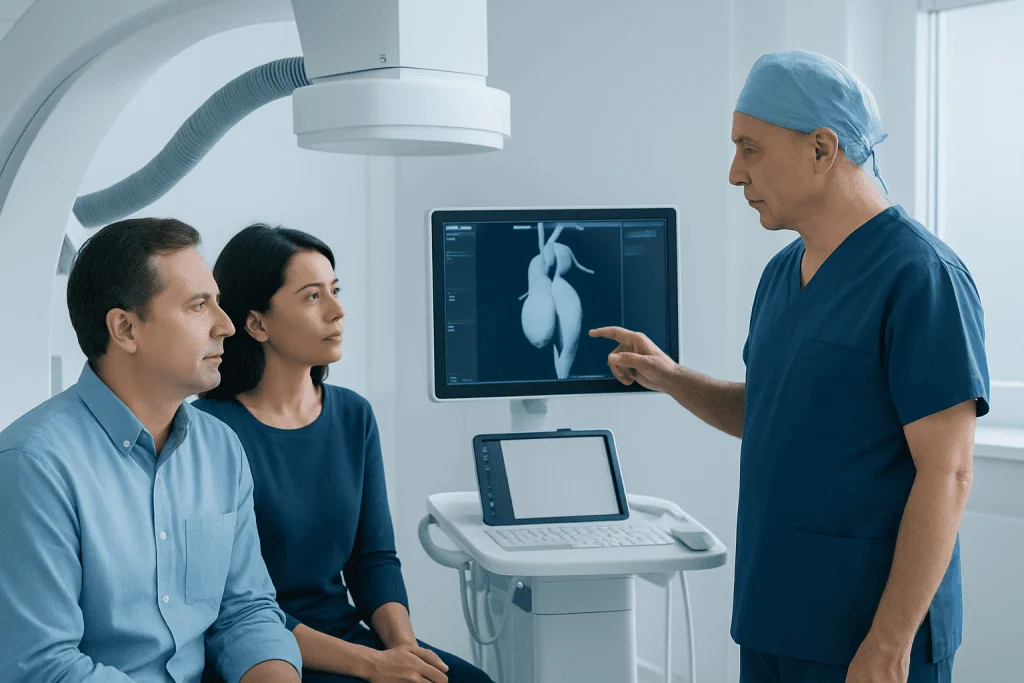
Not every aortic aneurysm needs immediate surgery. Some smaller aneurysms can be monitored with regular scans and treated first with risk-factor control, especially careful blood pressure management. Repair is more likely to be advised when the aneurysm becomes large, grows quickly, causes pain, or shows features that increase the risk of rupture.
The decision is individualized. Specialists consider age, symptoms, heart and lung function, kidney health, prior operations, and the exact shape of the aneurysm. They also assess whether the aneurysm extends near the heart valves or major arteries supplying the brain, intestines, kidneys, or legs. In some cases, related conditions such as aortic regurgitation or significant coronary artery disease may influence the treatment plan or require coordinated care.
Risk factors for developing and worsening an aneurysm include smoking, older age, family history, atherosclerosis, and longstanding high blood pressure. Connective tissue disorders and some inflammatory conditions can also affect the aorta. A detailed assessment helps doctors choose the timing and technique of repair while reducing avoidable risks.
Cost factors for aortic aneurysm repair in Turkey
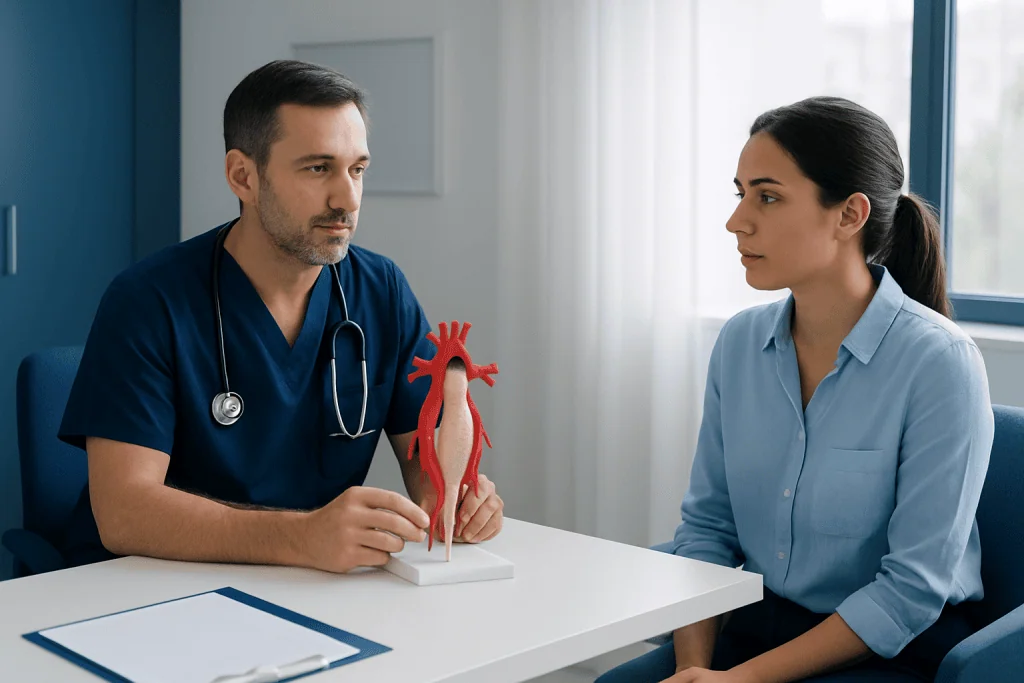
The cost of aortic aneurysm repair in Turkey can vary widely because it reflects much more than the operation alone. A patient’s final treatment plan may include consultations with vascular, cardiology, anesthesia, and intensive care teams; blood tests; advanced imaging such as CT angiography; the repair itself; hospital room charges; medications; and follow-up review. Costs can also change depending on whether the aneurysm is in the abdomen or chest and whether emergency treatment is needed.
One of the biggest cost differences is the type of repair. Endovascular procedures often involve specialized stent graft devices and detailed imaging guidance, while open surgery may require a longer operation, longer ICU observation, and a longer hospital stay. Complex aneurysms involving multiple branches of the aorta may require custom planning, additional graft components, or hybrid procedures. These factors can increase overall expense even if the initial hospital stay appears straightforward.
Patients traveling internationally should also consider practical expenses outside direct medical care. These may include interpreter support, accommodation for family members, transport after discharge, and the possibility of staying nearby for an early postoperative review before flying home. It is often helpful to ask for a written treatment estimate that separates preoperative tests, device costs, surgeon and anesthesia fees, ICU care, room charges, and planned follow-up imaging.
At experienced centers, treatment may involve multidisciplinary teams and access to aortic aneurysm care with both open and endovascular options. Asking what is included in the quoted package can reduce uncertainty and help patients compare plans more accurately.
Hospital stay and early recovery
Hospital stay depends mainly on whether repair is endovascular or open. After endovascular repair, many patients spend a shorter period in hospital, sometimes only a few days if recovery is uncomplicated. Open repair usually requires a longer stay, often including time in an intensive care or high-dependency unit followed by several additional days on the ward for pain control, breathing exercises, walking, and monitoring of bowel, kidney, and wound recovery.
During the first days after repair, doctors watch for bleeding, changes in blood pressure, kidney function, circulation to the legs, signs of infection, and any heart or lung complications. The care team also checks that the graft is functioning properly. For thoracic aneurysm procedures, breathing support and chest monitoring may be especially important, while abdominal repairs may require close observation of digestive recovery and wound healing.
Before discharge, patients are usually encouraged to walk, eat and drink safely, and manage pain with oral medicines. They are given guidance on wound care, bathing, lifting restrictions, driving, and when to return for review. Some people may benefit from a structured recovery plan or cardiac rehabilitation-style support, especially if they also have other cardiovascular conditions or reduced fitness before surgery.
Recovery at home continues for weeks to months. Endovascular repair often allows earlier return to daily activities, while open surgery generally needs a slower pace of recovery. Even when a patient feels well, follow-up remains important because some complications develop silently and are found only on scheduled imaging.
Follow-up after repair: why long-term monitoring matters
Follow-up is a core part of successful aortic aneurysm treatment. The repaired aorta needs ongoing surveillance to confirm that the graft is stable and the aneurysm sac is no longer under harmful pressure. Endovascular repair especially requires regular imaging because complications such as endoleak, graft migration, blockage, or enlargement of the aneurysm can occur without obvious symptoms.
Doctors usually recommend a schedule of postoperative visits and imaging studies, often using CT scans, ultrasound, echocardiography, or magnetic resonance imaging depending on the location of the aneurysm and the type of repair performed. The exact timing differs among patients and institutions, but follow-up is usually more frequent in the first year and then continues at regular intervals long term. Blood pressure checks and medication review are also part of these visits.
Patients traveling for care should discuss follow-up before treatment begins. It is useful to know which scans must be done soon after discharge, whether they can be arranged in the patient’s home country, and how results will be shared with the operating team. A clear written summary, including the type of graft used and the future imaging schedule, helps local doctors continue care safely.
Near the end of the treatment journey, some international patients choose centers such as Acibadem International, where multidisciplinary specialists at JCI-accredited hospitals diagnose and treat aortic conditions and help coordinate follow-up planning across borders.
Possible risks and warning signs after treatment
All aortic aneurysm repairs carry risks, although the type and likelihood vary with the patient’s health and the technique used. Potential complications include bleeding, infection, kidney problems, lung complications, heart rhythm changes, blood clots, stroke, bowel complications, spinal cord injury in selected thoracic repairs, and problems related to the graft itself. Doctors work to reduce these risks through careful imaging, anesthesia planning, blood pressure control, and close postoperative monitoring.
After discharge, patients should know which symptoms need urgent medical attention. Sudden severe chest, back, or abdominal pain; fainting; shortness of breath; fever; wound redness with drainage; leg weakness; cold or painful legs; or new swelling should not be ignored. These symptoms do not always mean a serious complication, but they need prompt assessment.
Endovascular repair has a specific long-term issue called endoleak, which means blood continues to flow into the aneurysm sac around the graft. This may not cause symptoms, which is why routine imaging is so important. Open repair generally requires less frequent graft surveillance over time, but follow-up still matters because patients may remain at risk of disease in other parts of the aorta or from underlying cardiovascular conditions.
Self-care after repair and protecting the aorta long term
Long-term aortic health depends on more than the procedure itself. Careful control of blood pressure is one of the most important steps after repair, and medicines may be adjusted to keep pressure within the range recommended by the treating doctor. Smoking cessation is equally important because smoking increases the risk of aneurysm growth, graft problems, and cardiovascular disease in general.
Heart-healthy habits support recovery and future vascular health. These include regular gentle activity as advised, gradual return to exercise, a balanced diet, good sleep, weight management, and control of cholesterol and diabetes if present. Patients should ask when it is safe to lift heavy objects, travel, and resume work, because restrictions differ after open and endovascular procedures.
It is also sensible to keep copies of operative notes, imaging reports, medication lists, and contact details for the treating team. If future scans or procedures are needed elsewhere, this information helps doctors understand the repair that was performed. Individuals with a family history of aneurysm may also be advised to discuss screening with relatives, especially first-degree family members.
When to speak with a specialist
Anyone who has been told they have an aortic aneurysm should discuss timing of repair and monitoring with a qualified specialist rather than relying only on general information. A second opinion can be helpful when the aneurysm is complex, when both open and endovascular options are possible, or when another heart condition may affect treatment choices. Questions about travel for treatment, expected recovery, and follow-up logistics are appropriate and important to ask in advance.
People recovering from repair should contact their doctor if they have increasing pain, fever, changes at the incision site, weakness, reduced urine output, or any new chest, back, or abdominal symptoms. Even mild concerns are worth raising early, especially in the first weeks after treatment. Prompt communication often helps identify routine issues before they become more serious.
For those considering aortic aneurysm repair in Turkey, a specialist consultation usually includes review of imaging, discussion of the most suitable technique, explanation of expected hospital stay, and a clear follow-up plan. This kind of preparation helps patients and families make informed decisions and approach treatment with greater confidence.
Frequently asked questions
How long is the hospital stay after aortic aneurysm repair?
Hospital stay varies by procedure and overall health. Endovascular repair often involves a shorter stay, while open surgery usually requires a longer admission and may include ICU monitoring. The treating team will estimate this more accurately after reviewing imaging and medical history.
Is endovascular repair always better than open surgery?
Not always. Endovascular repair is less invasive and often allows faster recovery, but it is only suitable for certain aneurysm shapes and locations. Open surgery may be safer or more durable for some patients, especially when anatomy is complex.
What follow-up is needed after aortic aneurysm repair?
Regular follow-up visits and imaging are essential after both open and endovascular repair. Endovascular repair usually needs closer imaging surveillance because problems such as endoleak can occur without symptoms. The exact schedule depends on the type of aneurysm and procedure.
Can patients travel home soon after treatment in Turkey?
Many patients can travel after the team confirms that recovery is stable, but timing depends on the procedure, wound healing, mobility, and risk of complications. Patients should ask about fitness to fly, medications, compression measures, and the timing of the first postoperative review before making travel arrangements.
What affects the cost of aortic aneurysm repair in Turkey?
Costs are influenced by the aneurysm’s location and complexity, whether repair is open or endovascular, the need for ICU care, imaging, specialist consultations, and the length of hospital stay. Device costs, especially for stent grafts, can also make a significant difference.
Will the aneurysm be cured after repair?
Repair treats the affected section of the aorta, but lifelong attention to aortic and cardiovascular health is still important. Some patients may develop changes in other parts of the aorta or need additional monitoring over time. This is why blood pressure control, smoking cessation, and scheduled imaging remain essential.
References
- American Heart Association
- Society for Vascular Surgery
- European Society of Cardiology
- National Heart, Lung, and Blood Institute
- National Institute for Health and Care Excellence
This article is for general information only and is not a substitute for professional medical advice. Please consult a qualified doctor about your individual situation.
Aortic Aneurysm in Turkey — costs, top hospitals & a free quote
JCI-accredited · board-certified surgeons · reply within 24h
Add us as a Preferred Source to see more of our trusted health content across Google Search, AI Overviews and Discover.
Check your numbers in seconds
BMI, calories, due date, blood pressure and 30+ more clinical calculators — free, instant, doctor-reviewed ranges.

Cardiology Department
Diagnosis and treatment of heart and vascular conditions, from prevention to advanced interventional procedures.
93 specialists in this unit