Apert Syndrome: Symptoms, Causes, and Treatment Options

Apert syndrome is usually caused by a change in the FGFR2 gene. It often involves early fusion of skull bones, called craniosynostosis, and fused fingers or toes.
Key Takeaways
- Apert syndrome is usually caused by a change in the FGFR2 gene.
- It often involves early fusion of skull bones, called craniosynostosis, and fused fingers or toes.
- Children may need care from craniofacial, neurosurgery, orthopedic, ENT, dental, and developmental specialists.
- Treatment is individualized and may include surgery, hearing support, breathing management, and therapy services.
- Early diagnosis and regular follow-up can help protect brain development, vision, hearing, and quality of life.
Apert syndrome is a rare genetic condition present at birth that mainly affects how the skull, face, hands, and feet develop. Treatment usually involves coordinated care from specialists, with surgery and developmental support tailored to the child's needs over time.
Overview
Apert syndrome is a rare genetic condition that affects the growth of the skull, face, hands, and feet. It is most often recognized at birth because the skull may have an unusual shape and the fingers or toes may be fused together. The condition belongs to a group of disorders linked to early fusion of the skull bones, known as craniosynostosis.
In many children, the skull bones close too early, which can change head shape and sometimes affect pressure inside the skull. The middle part of the face may also develop differently, which can influence breathing, feeding, hearing, dental alignment, and eye protection. Hand and foot differences vary from person to person, but often include joined fingers and toes, called syndactyly.
Apert syndrome is lifelong, but treatment can improve function, appearance, comfort, and development. Care is usually planned by a multidisciplinary team that follows the child over time. Because each child is affected differently, management focuses on the specific medical, developmental, and family needs of that individual.
Signs and Symptoms
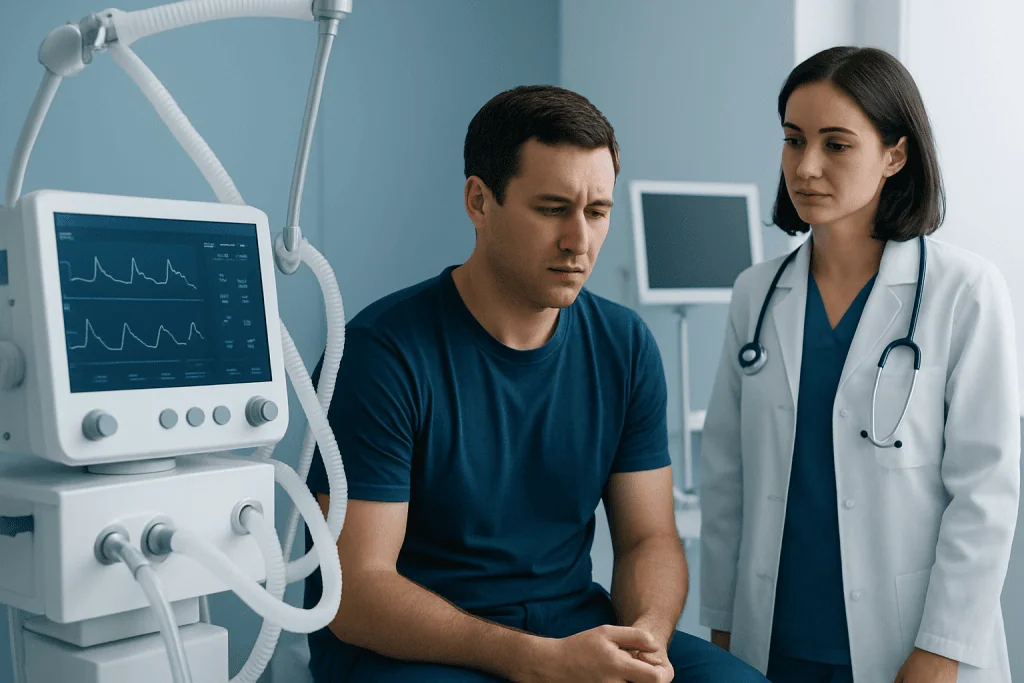
The signs of apert syndrome can range from mild to more complex. A baby may be born with a tall or prominent forehead, a flattened middle face, widely spaced eyes, or eyes that appear more prominent because the eye sockets are shallow. The skull shape changes because some cranial sutures, the joints between skull bones, fuse earlier than expected.
Hand and foot findings are another common feature. Fingers may be fused by skin, soft tissue, or bone, and the thumb may be broad. Toes can also be fused. These differences can affect grasp, fine motor skills, balance, and shoe fitting, although the degree of impact varies.
Other symptoms may involve breathing, hearing, teeth, and development. Some children have noisy breathing, frequent ear infections, a cleft or high-arched palate, delayed tooth eruption, crowding of teeth, or speech delay. Learning and developmental differences can occur, but they do not affect every child in the same way.
- Unusual head shape due to early skull fusion
- Prominent forehead and flatter midface
- Bulging or prominent eyes
- Fused fingers or toes
- Breathing or sleep-related airway problems
- Hearing issues or repeated ear infections
- Dental crowding or bite problems
- Speech, motor, or developmental delays
Causes and Risk Factors
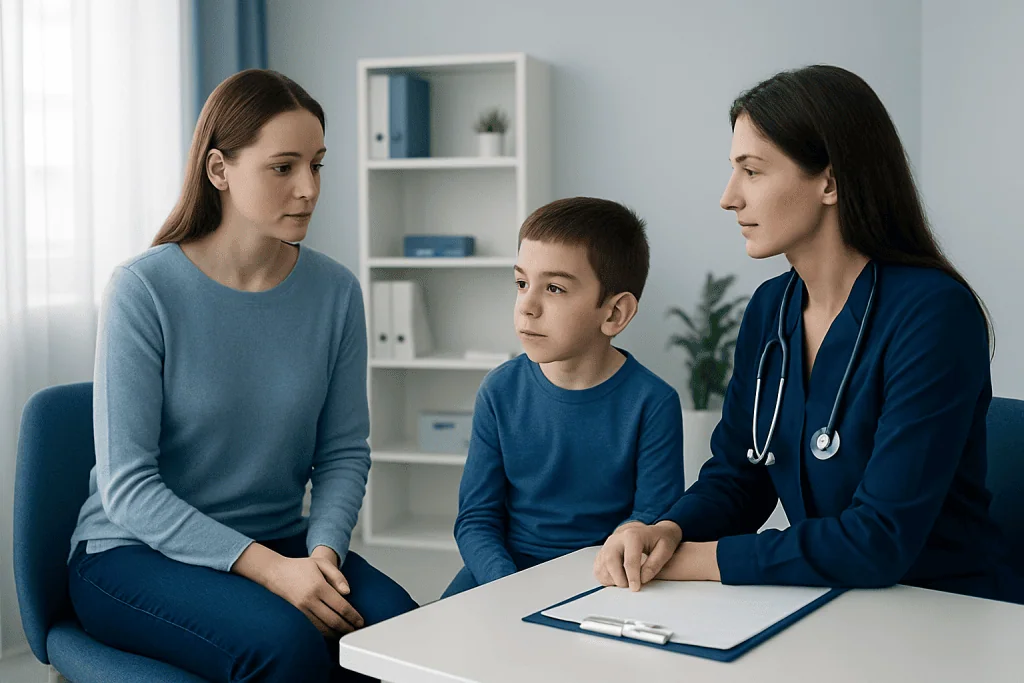
Apert syndrome is usually caused by a change, or mutation, in the FGFR2 gene. This gene helps guide bone growth and development before birth. When the gene sends altered signals, certain bones can fuse earlier than they should, especially in the skull, hands, and feet.
Most cases happen for the first time in a family and are not caused by anything a parent did or did not do during pregnancy. In some families, however, the condition can be inherited in an autosomal dominant pattern. This means a parent with the condition can pass it on to a child.
Doctors may discuss genetic counseling when apert syndrome is diagnosed or suspected. Counseling can help families understand the cause, the chance of recurrence in future pregnancies, and options for testing. Apert syndrome is one of several craniosynostosis syndromes, and specialists may compare it with related conditions such as craniosynostosis to clarify the diagnosis.
How Diagnosis Is Made
Doctors often suspect apert syndrome based on physical findings at birth or during prenatal imaging. The combination of skull shape changes, midface differences, and fused fingers or toes can point strongly toward the diagnosis. In some pregnancies, ultrasound may show features that lead to further evaluation before delivery.
After birth, diagnosis usually includes a detailed physical examination, imaging of the skull and sometimes the hands or feet, and genetic testing. CT scans can help define which skull sutures have fused and support planning for treatment. Genetic testing may confirm a change in the FGFR2 gene and distinguish apert syndrome from other related conditions.
Assessment does not stop with naming the condition. Children are often evaluated for breathing difficulties, sleep-disordered breathing, hearing loss, eye exposure, dental problems, feeding issues, and developmental needs. This broader review helps the care team decide which treatments are needed first and which can be scheduled later.
Treatment Options and Long-Term Care
Treatment for apert syndrome is individualized and usually happens in stages as a child grows. Early goals often include protecting the brain, allowing enough room for skull growth, and addressing breathing or eye problems. If skull bones have fused too early, surgery may be recommended to reshape the skull and reduce the risk of complications related to restricted growth or raised intracranial pressure. In selected cases, this may involve craniosynostosis surgery.
Children may also need surgery for hand differences to improve function, grasp, and independence in daily activities. Depending on the anatomy, care can involve plastic, orthopedic, or hand surgeons and may include staged procedures. Midface surgery, jaw treatment, or airway procedures may be considered later if breathing, dental alignment, or facial structure cause significant problems. Some children benefit from pediatric neurosurgery as part of coordinated craniofacial care.
Not all treatment is surgical. Ongoing care can include hearing tests, ear tube placement, speech therapy, occupational therapy, physical therapy, dental and orthodontic care, sleep evaluation, and eye protection strategies. If breathing during sleep is a concern, doctors may assess for obstructive sleep apnea and discuss options such as airway management or sleep study testing. Children with developmental delays may benefit from early intervention and school-based support.
Because the condition affects several body systems, families usually do best with coordinated follow-up. Near the end of the care pathway, some families seek evaluation at centers experienced in craniofacial disorders; Acibadem International’s multidisciplinary specialists in JCI-accredited hospitals diagnose and treat complex pediatric conditions for international patients.
Daily Care, Development, and Family Support
Living with apert syndrome often means balancing medical care with day-to-day routines, school, and emotional well-being. Families may need help from occupational therapists for hand function, speech therapists for communication, and educators for learning support. These services can make a meaningful difference in independence and participation.
Regular eye and hearing checks are important because vision exposure, ear infections, or hearing loss can affect comfort and development. Dental follow-up also matters, since crowding and bite differences are common. Good oral care, early dental visits, and orthodontic planning may help reduce later problems.
Family support is another key part of care. Parents and caregivers may benefit from genetic counseling, social work support, and connections with craniofacial or rare disease organizations. Clear communication with the care team can help families understand the timing of surgeries, what to expect during recovery, and how to support the child’s development at home and at school.
When to Seek Medical Care
Medical care is important whenever apert syndrome is suspected, especially in a newborn with an unusual skull shape or fused fingers or toes. Early evaluation allows specialists to check breathing, feeding, vision, hearing, and skull growth. Prompt assessment can help identify issues that may need treatment in the first months of life.
Parents should seek medical attention sooner if a child has trouble breathing, poor feeding, repeated vomiting, unusual sleep pauses, eye redness or difficulty closing the eyes, increasing irritability, or developmental regression. Frequent ear infections, worsening hearing, or signs of severe dental or speech problems also deserve review.
Regular follow-up remains important even when a child seems well. As children grow, new concerns related to sleep, facial growth, teeth, learning, or hand function may appear. A pediatrician or craniofacial team can help decide when additional testing or referral is needed.
Frequently asked questions
What is apert syndrome?
Apert syndrome is a rare genetic condition present from birth. It mainly affects the skull, face, hands, and feet because some bones develop and fuse differently than usual.
What causes apert syndrome?
It is most often caused by a change in the FGFR2 gene. This genetic change alters signals involved in bone growth, leading to early fusion of certain bones, especially in the skull and digits.
Can apert syndrome be seen before birth?
Sometimes it can be suspected during pregnancy on ultrasound if characteristic features are visible. In some cases, additional imaging or genetic testing may help clarify the diagnosis before delivery.
Is surgery always needed for apert syndrome?
Many children need one or more surgeries, but the exact plan depends on their anatomy and symptoms. Surgery is often used to treat early skull fusion, improve hand function, or address airway and facial concerns, while non-surgical therapies also play an important role.
Does apert syndrome affect learning?
Some children have developmental or learning differences, while others do well with appropriate support. Early intervention, hearing and vision care, and regular developmental follow-up can help children reach their potential.
Can adults live with apert syndrome?
Yes. Apert syndrome is a lifelong condition, and many people continue to need periodic follow-up for dental, hearing, vision, breathing, or orthopedic concerns as they grow older.
References
- National Institutes of Health
- MedlinePlus
- National Organization for Rare Disorders
- American Academy of Pediatrics
- American Association of Neurological Surgeons
This article is for general information only and is not a substitute for professional medical advice. Please consult a qualified doctor about your individual situation.
Explore treatments in Turkey — costs, top hospitals & a free quote
JCI-accredited · board-certified surgeons · reply within 24h
Add us as a Preferred Source to see more of our trusted health content across Google Search, AI Overviews and Discover.

More from the Health Library



Related Specialists
Dr. Bilge Şentürk Çataloğlu
Anesthesiology
Dr. Cem Tangay
Orthopedic Surgery & Traumatology
Prof. Dr. Nergiz Hüseyinoğlu
Neurology
Prof. Dr. Alper Kaya
Orthopedic Surgery & Traumatology