Back Ache Upper Right Explained: Common Triggers and Red Flags

Most upper right back pain comes from muscles, joints, posture, or overuse. Pain can also be referred from the gallbladder, lungs, or kidneys.
Key Takeaways
- Most upper right back pain comes from muscles, joints, posture, or overuse.
- Pain can also be referred from the gallbladder, lungs, or kidneys.
- Red flags include trouble breathing, fever, chest pain, weakness, numbness, or pain after injury.
- Diagnosis depends on the pain’s location, timing, triggers, and associated symptoms.
- Treatment may include rest, heat, activity modification, physical therapy, or condition-specific care.
- Persistent, severe, or unexplained pain should be assessed by a qualified doctor.
Back ache upper right is commonly linked to strained muscles, poor posture, or irritation around the ribs, shoulder blade, or spine. In some cases, it can reflect problems in nearby organs such as the gallbladder, lungs, or kidneys, so the pattern of symptoms matters.
Overview: what back ache upper right usually means
Back ache upper right usually refers to pain felt on the right side of the upper back, often between the base of the neck and the lower edge of the rib cage. In many people, the cause is mechanical, meaning it comes from muscles, ligaments, joints, posture, or strain around the shoulder blade and thoracic spine. This kind of pain often follows lifting, prolonged desk work, awkward sleeping positions, repetitive movements, or sports activity.
However, not all upper right back pain starts in the back itself. The nerves that serve the upper back can also carry pain from nearby structures such as the lungs, gallbladder, or kidneys. This is called referred pain. For that reason, the most useful clues are not only where the pain is felt, but also when it started, what makes it worse, and whether other symptoms are present.
The symptom may feel dull, tight, burning, stabbing, or aching. Some people notice a small tender area under the right shoulder blade, while others feel pain spreading into the chest, shoulder, side, or arm. A careful medical assessment helps separate a routine muscle problem from a less common but more important underlying condition.
Common patterns and symptoms
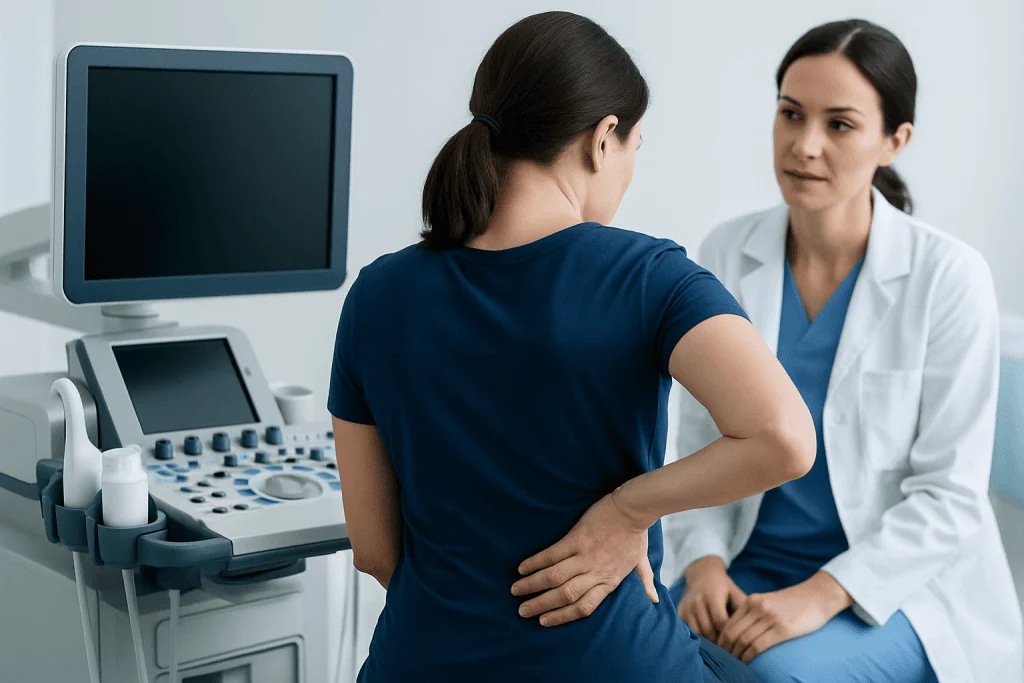
The way the pain behaves can suggest its source. Muscle-related pain often feels sore, tight, or stiff and may worsen with twisting, reaching, lifting, coughing, or long periods of sitting. It may improve with movement, heat, stretching, or changing position. Joint irritation in the thoracic spine or around the ribs may produce a sharper, more localized pain, especially with deep breaths or certain motions.
Nerve-related discomfort may feel burning, tingling, or shooting. If a nerve is irritated, pain may travel around the chest wall or toward the shoulder blade. Some people also notice numbness, altered sensation, or weakness, although these symptoms are less common with routine muscle strain and deserve prompt medical review if they appear.
Associated symptoms can change the picture. Fever, cough, shortness of breath, nausea, vomiting, abdominal pain, urinary symptoms, a rash, or chest pressure may point away from a simple back strain. When upper right back pain appears together with these symptoms, doctors consider causes outside the muscles and bones as well.
- Muscle strain: aching, tightness, tenderness, pain with movement
- Joint or rib irritation: sharp pain with twisting or deep breathing
- Nerve irritation: burning, tingling, radiating pain
- Referred pain: back pain plus digestive, lung, urinary, or systemic symptoms
Common triggers and possible causes

The most frequent causes of back ache upper right are musculoskeletal. These include muscle strain, poor posture, overuse, myofascial trigger points, and irritation of the small joints of the thoracic spine. Repetitive overhead activity, carrying heavy bags on one side, prolonged computer work, and sleeping with poor support can all place extra stress on the upper back. Pain may also be linked to shoulder problems that are felt in the nearby back muscles.
Conditions affecting the spine can also contribute. Degenerative changes, disc problems, scoliosis, and less commonly spinal fractures may cause upper back pain. In some cases, inflammation or irritation around the nerves leads to pain near the shoulder blade or around the rib cage. If there is concern about a structural spinal issue, clinicians may investigate for a herniated disc or other thoracic spine problems, although disc-related upper back pain is less common than neck or lower back pain.
Important non-musculoskeletal causes should also be considered. Gallbladder problems may refer pain to the right upper back or right shoulder area, often along with upper abdominal pain, nausea, or symptoms after fatty meals. Kidney problems can cause pain higher in the flank or back, sometimes with fever, burning urination, or blood in the urine. Lung causes such as infection, inflammation of the lining of the lung, or rarely a blood clot can produce upper back pain that worsens with breathing and may come with cough or shortness of breath. In some people, pain near the shoulder blade may overlap with conditions such as scoliosis or broader spine disorders.
Risk factors and red flags
Several factors make upper right back pain more likely. These include sedentary work, poor ergonomic setup, weak core and shoulder muscles, repetitive lifting, stress-related muscle tension, smoking, low bone density, and advancing age. Sudden increases in activity, sports injuries, and recent falls can also trigger pain in this area. A history of gallstones, kidney stones, lung disease, or previous spine problems may raise suspicion for a specific cause.
Some warning signs suggest the pain needs prompt medical attention. These red flags do not always mean a serious illness is present, but they should not be ignored. The combination of back pain with chest symptoms, breathing problems, infection symptoms, or neurological changes is especially important.
- Severe pain after a fall, accident, or direct injury
- Chest pain, pressure, fainting, or shortness of breath
- Fever, chills, or unexplained weight loss
- Weakness, numbness, trouble walking, or loss of bladder or bowel control
- Persistent pain that wakes a person from sleep or steadily worsens
- Back pain with abdominal pain, jaundice, or urinary symptoms
People with cancer, osteoporosis, immune suppression, or long-term steroid use should also seek medical advice sooner, because the threshold for evaluation is lower in these situations.
How doctors diagnose upper right back pain
Diagnosis starts with a focused history. A doctor will ask when the pain began, whether it was linked to an activity or injury, exactly where it is felt, what makes it better or worse, and whether it spreads elsewhere. Questions about breathing, fever, digestive symptoms, urinary changes, and neurological symptoms help distinguish a routine musculoskeletal problem from referred pain or an urgent condition.
The physical examination may include checking posture, range of motion, tenderness, muscle spasm, spinal alignment, breathing, and basic neurological function. The clinician may assess the shoulder, neck, ribs, and thoracic spine because these areas often interact. If an organ-related cause is possible, the examination may also include the chest and abdomen.
Tests are not always needed for short-lived, uncomplicated pain. But they may be recommended when the pain is severe, persistent, recurrent, or accompanied by red flags. Depending on the suspected cause, evaluation may include blood tests, urine tests, chest imaging, ultrasound, or spinal imaging such as X-ray or MRI. When there is concern about a spine or nerve problem, doctors may consider MRI scanning to look more closely at soft tissues, discs, and nerves.
Treatment options and symptom relief
Treatment depends on the cause. For most mechanical upper right back pain, the first steps are relative rest, staying gently active, avoiding aggravating movements, and using heat or cold based on comfort. Many people improve with posture correction, ergonomic changes, stretching, and gradual strengthening. Pain that lasts more than a short time may benefit from targeted rehabilitation to improve mobility and muscle balance.
Doctors may recommend pain-relieving medicines when appropriate, but these should be used according to medical advice, especially in people with stomach, kidney, heart, or bleeding risks. Physical therapy is often helpful for recurrent pain, stiffness, muscle imbalance, and movement-related symptoms. A personalized program can address workstation habits, lifting technique, shoulder mechanics, and thoracic mobility. In selected cases, physical therapy and rehabilitation can reduce strain and support a safe return to normal activity.
If the pain comes from a condition outside the back, treatment focuses on that underlying problem. For example, gallbladder disease, kidney infection, pneumonia, or inflammatory disorders require specific medical care rather than simple home measures. Less often, people with significant structural spinal problems may need specialist assessment, and management can range from rehabilitation to procedures or spine surgery in carefully selected cases.
Self-care, posture, and prevention
Many episodes of upper right back pain can be improved or prevented with everyday habits. Good posture does not mean staying rigid; it means changing positions regularly and avoiding long periods in one posture. A supportive workstation, screen at eye level, and keeping the shoulders relaxed can reduce repeated stress on the upper back. During phone or computer use, frequent short movement breaks are often more helpful than trying to sit perfectly still for hours.
Exercise also matters. Gentle stretching of the chest, shoulders, and upper back can improve mobility, while strengthening the core, shoulder blade muscles, and back extensors can improve support. Warm-up before exercise, build activity gradually, and pay attention to lifting technique. Carrying heavy bags evenly and changing sides can reduce one-sided strain.
Sleep position may contribute too. A mattress and pillow that keep the spine in a comfortable, neutral position can reduce morning stiffness. Stress management is also relevant, because emotional stress often increases muscle tension in the neck and upper back. If pain returns often, a clinician or therapist can help identify personal triggers and design a prevention plan.
When to seek medical care
Medical care is advisable if back ache upper right lasts more than a couple of weeks, keeps returning, or interferes with sleep, work, or daily activities. A doctor should also assess pain that follows an injury, does not improve with basic self-care, or is severe enough to limit normal movement. Persistent or unexplained pain deserves evaluation even when it seems mild.
Urgent assessment is important if the pain comes with shortness of breath, chest pain, fever, a new cough, fainting, weakness, numbness, loss of bladder or bowel control, severe abdominal pain, jaundice, or urinary symptoms. These features may point to a cause outside the muscles or spine. Timely diagnosis can help prevent complications and guide the right treatment.
For people who need specialist evaluation, Acibadem International’s multidisciplinary teams and JCI-accredited hospitals assess upper back pain and related conditions for international patients. Depending on the findings, doctors may coordinate imaging, rehabilitation, or treatment for associated problems such as lung cancer when clinically indicated.
Frequently asked questions
Is back ache upper right usually a muscle problem?
Yes, in many cases it is related to muscle strain, poor posture, overuse, or irritation around the joints and ribs of the upper back. This is especially likely if the pain started after activity, worsens with certain movements, and improves with rest, heat, or position changes.
Can upper right back pain come from an organ?
Yes. The gallbladder, lungs, and kidneys can sometimes cause referred pain in the upper right back. Clues include pain with breathing, fever, cough, nausea, abdominal pain, or urinary symptoms.
When is upper right back pain an emergency?
Emergency assessment is needed if the pain is accompanied by chest pain, trouble breathing, fainting, severe weakness, numbness, loss of bladder or bowel control, or major trauma. These symptoms can signal a more serious problem and should be checked without delay.
How long does a strained upper back usually last?
A mild strain may start improving within days and often settles over a few weeks. Recovery can take longer if the area is repeatedly stressed, posture remains poor, or the pain is linked to an underlying shoulder or spine issue.
Should a person exercise with back ache upper right?
Complete bed rest is usually not recommended for routine mechanical back pain. Gentle movement is often helpful, but activities that sharply worsen pain should be avoided until the cause is clearer. A doctor or physical therapist can advise on safe exercises if symptoms persist.
What tests might be needed for upper right back pain?
Many people with short-term, uncomplicated pain do not need tests right away. If symptoms are persistent, severe, or associated with red flags, a doctor may order blood or urine tests, X-rays, ultrasound, chest imaging, or MRI depending on the suspected cause.
This article is for general information only and is not a substitute for professional medical advice. Please consult a qualified doctor about your individual situation.
Joint and spine care in Turkey — expert assessment & treatment
JCI-accredited · board-certified surgeons · reply within 24h
Add us as a Preferred Source to see more of our trusted health content across Google Search, AI Overviews and Discover.

More from the Health Library

Why Are My Allergies So Bad Right Now? Here Is What the Evidence Says

Tingling: Common Causes, Warning Signs, and When to Worry

Musculoskeletal Pain: Common Causes, Related Conditions, and When to See a Doctor

Do Elderly Sleep a Lot Before Death? Causes, Explanations, and Next Steps

What Is Amitriptyline Used for? A Doctor-Reviewed Answer