Backache and Shortness of Breath: An Evidence-Based Guide for Patients

Backache and shortness of breath may come from the chest, lungs, heart, spine, muscles, or even digestive causes. Red-flag symptoms include chest pain, fainting, blue lips, sudden severe breathlessness, and pain after injury.
Key Takeaways
- Backache and shortness of breath may come from the chest, lungs, heart, spine, muscles, or even digestive causes.
- Red-flag symptoms include chest pain, fainting, blue lips, sudden severe breathlessness, and pain after injury.
- Diagnosis depends on the full pattern of symptoms, physical examination, and sometimes imaging, blood tests, or heart and lung testing.
- Treatment focuses on the underlying cause and may range from rest and pain relief to urgent hospital care.
- Persistent, recurring, or worsening symptoms deserve medical evaluation even if they seem mild at first.
Backache and shortness of breath can happen together for several reasons, ranging from muscle strain and anxiety to lung, heart, or digestive conditions. The combination is not always an emergency, but sudden, severe, or unexplained symptoms should be assessed promptly by a qualified doctor.
Overview
Backache and shortness of breath can occur together when a problem affects the muscles of the chest and back, the lungs, the heart, or nearby organs. In some people, the cause is relatively straightforward, such as muscle strain after heavy lifting or anxiety that leads to chest tightness and a feeling of not getting enough air. In others, the symptom pair may point to a more important medical issue that needs prompt evaluation.
The key is context. Doctors consider where the pain is located, whether it started suddenly or gradually, what makes it worse, and whether there are other symptoms such as fever, cough, chest pressure, palpitations, leg swelling, or numbness. Upper back pain with breathing discomfort may raise different concerns than low back pain with breathlessness after exercise.
Because the same symptoms can have many causes, self-diagnosis is often unreliable. A patient-friendly approach is to think of this symptom combination as a signal to pause, check for warning signs, and seek appropriate care if symptoms are severe, unexplained, or persistent.
How These Symptoms May Be Connected
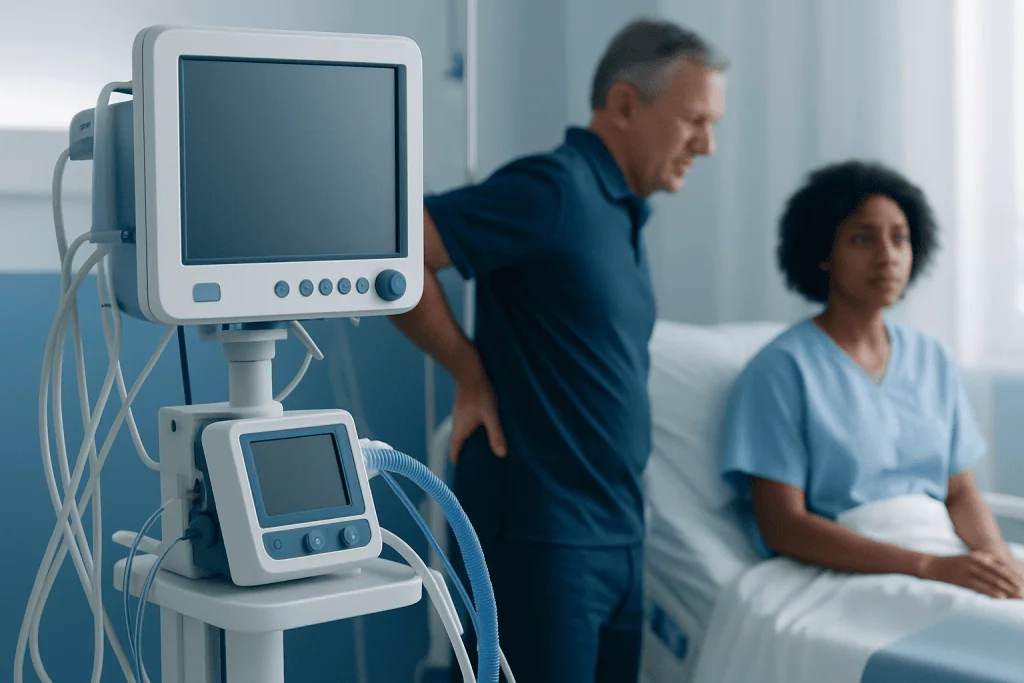
Breathing involves the lungs, airways, diaphragm, chest wall, ribs, and back muscles. If any of these structures becomes irritated, strained, inflamed, or compressed, both pain and breathing difficulty can appear at the same time. For example, a strained upper back muscle may hurt more with deep breaths, making breathing feel restricted even though the lungs themselves are normal.
Sometimes the connection is less direct. A lung infection, a blood clot in the lung, or irritation of the lining around the lungs can cause pain that radiates to the back. Heart problems can also present in unexpected ways, with discomfort in the chest, upper back, neck, or shoulder blades rather than in the center of the chest. Some digestive conditions, including acid reflux or gallbladder disease, can also cause chest or upper abdominal discomfort that is felt in the back and may be mistaken for shortness of breath.
Emotional stress matters too. Anxiety and panic can cause rapid breathing, chest tightness, and muscle tension in the neck, shoulders, and back. This does not mean the symptoms are “just stress”; rather, it means the whole clinical picture needs careful assessment so that urgent physical causes are not missed.
Common Causes and Risk Factors

Musculoskeletal causes are common. These include muscle strain, poor posture, overuse, heavy lifting, rib joint irritation, and spinal problems that cause pain with movement or deep breathing. Conditions affecting the spine, such as a slipped disc or degenerative changes, may contribute to back pain, while reduced activity because of pain can make a person feel more breathless. Readers interested in spinal conditions may also find herniated disc helpful background.
Lung-related causes include asthma, pneumonia, pleurisy, chronic obstructive pulmonary disease, and collapsed lung. A pulmonary embolism, which is a blood clot in the lung, is a more urgent possibility, especially when symptoms begin suddenly. Breathlessness with sharp chest or upper back pain, fast heart rate, coughing up blood, recent surgery, prolonged immobility, pregnancy, smoking, or hormone use increases concern.
Heart-related causes include reduced blood flow to the heart muscle, inflammation around the heart, heart failure, and abnormal heart rhythms. Some people with heart disease feel pressure, heaviness, or pain in the back, shoulders, jaw, or arms rather than classic chest pain. Existing high blood pressure, diabetes, high cholesterol, smoking, older age, kidney disease, or a family history of heart disease can raise the likelihood of a cardiac cause.
Other possible causes include anxiety or panic attacks, anemia, obesity, severe acid reflux, gallbladder disease, infection, and trauma such as a fall or accident. Risk factors become especially important when symptoms are new, worsening, or out of proportion to a known muscle injury.
Symptoms That Help Doctors Narrow the Cause
The pattern of symptoms often gives useful clues. Pain that worsens with twisting, bending, lifting, or pressing on a specific area of the back is more likely to be musculoskeletal. Sharp pain with a deep breath may suggest irritation of the chest wall or lung lining. Breathlessness that comes on mainly with exertion may be linked to heart or lung disease, anemia, or deconditioning.
Doctors also ask about associated features. Fever, chills, and cough may point toward infection. Wheezing may suggest asthma or another airway problem. Burning after meals or when lying down can suggest reflux. Tingling, weakness, or pain radiating down an arm or leg may suggest nerve involvement. Calf swelling or pain may raise concern for a blood clot that could travel to the lungs.
Certain symptom combinations deserve more caution. These include central chest pressure, pain spreading to the jaw or arm, fainting, confusion, new blue lips or fingertips, coughing up blood, severe pain after injury, or sudden breathlessness at rest. In these situations, urgent medical assessment is important because conditions such as heart attack or serious lung problems may need immediate treatment.
How Diagnosis Is Made
Diagnosis starts with a detailed history and physical examination. A clinician will ask when the symptoms began, whether they are linked to exercise or body position, and whether there has been fever, cough, trauma, recent travel, surgery, or periods of immobility. Vital signs such as oxygen level, pulse, blood pressure, and temperature can quickly show how urgent the situation may be.
Further testing depends on the suspected cause. Common investigations may include blood tests, an electrocardiogram, chest X-ray, and sometimes more advanced imaging. If lung disease is suspected, a doctor may arrange a chest X-ray or pulmonary function testing. If the concern is more related to the spine or nerves, MRI scanning can help show discs, nerves, and soft tissues in greater detail.
Not every patient needs extensive testing. For a younger person with clear muscle strain, normal breathing, and no red flags, careful examination and short-term follow-up may be enough. However, in older adults, people with known heart or lung disease, or anyone with sudden or unexplained symptoms, a lower threshold for testing is appropriate.
Treatment Options
Treatment depends entirely on the cause. For muscle strain or posture-related pain, doctors often recommend relative rest, gentle activity, heat or ice, and short-term pain relief if appropriate for the individual. Breathing usually improves once pain and muscle guarding settle. Guided exercise, stretching, and posture correction may help prevent recurrence.
If the cause is a lung or heart condition, treatment may be more specific and time-sensitive. This can include inhaled medicines for asthma, antibiotics when a bacterial infection is diagnosed, anticoagulant treatment for a blood clot, or therapies aimed at improving heart function and circulation. People with chest symptoms suspicious for a heart problem may need urgent monitoring and tests, including electrocardiography in an emergency setting.
When anxiety contributes to symptoms, reassurance after medical evaluation can be very helpful. Breathing exercises, stress management, sleep improvement, counseling, and treatment for anxiety when needed may reduce recurrent episodes. It is important, however, that persistent or severe shortness of breath is not assumed to be anxiety until other meaningful causes have been considered.
In more complex cases, multidisciplinary care may be useful. Near the end of the care pathway, some international patients choose centers such as Acibadem International, where multidisciplinary specialists in JCI-accredited hospitals evaluate and treat heart, lung, and spine-related causes according to the individual diagnosis.
Prevention and Self-Care
Prevention starts with protecting both musculoskeletal and cardiopulmonary health. Good lifting technique, regular movement, core and back strengthening, and avoiding long periods in one position can lower the risk of strain-related back pain. Quitting smoking, maintaining a healthy weight, managing blood pressure and diabetes, and staying active support both heart and lung health.
For mild back discomfort with no red flags, self-care may include gentle walking, avoiding heavy lifting for a short time, using supportive seating, and trying heat or ice depending on what feels best. Deep breathing exercises can help maintain normal chest expansion if pain is causing shallow breaths, but they should not be forced if breathing is very painful or difficult.
Patients should be cautious with self-treatment when the cause is unclear. It is reasonable to seek medical advice sooner if breathlessness is new, if pain keeps returning, or if symptoms interfere with sleep, work, or daily activities. Home care should never replace emergency assessment for sudden severe symptoms.
When to Seek Medical Care
Urgent or emergency care is important if backache and shortness of breath begin suddenly, feel severe, or occur with chest pressure, fainting, blue lips, confusion, coughing up blood, or a rapid decline in breathing. Immediate assessment is also important after a fall, road accident, or other injury, or if there is known heart or lung disease and symptoms are clearly worse than usual.
Prompt medical review is also wise for fever, persistent cough, one-sided leg swelling, unexplained fatigue, palpitations, or pain that radiates to the jaw, shoulder, or arm. Even if symptoms improve, recurrent episodes should be discussed with a doctor to identify the cause and reduce the chance of missing a treatable condition.
If symptoms are mild but last more than a few days, or if there is uncertainty about whether the cause is muscular or internal, a scheduled appointment is sensible. An early medical evaluation can help distinguish common benign problems from those that need targeted testing or treatment.
Frequently asked questions
Can backache and shortness of breath be caused by stress or anxiety?
Yes. Anxiety can cause rapid breathing, chest tightness, and muscle tension in the back and shoulders. However, new, severe, or unexplained symptoms should not be assumed to be anxiety until a clinician has considered heart, lung, and other physical causes.
When is back pain with shortness of breath an emergency?
It is an emergency when symptoms are sudden, severe, or linked to chest pressure, fainting, blue lips, confusion, coughing up blood, or major injury. These features can signal a serious heart or lung problem that needs immediate medical care.
Can a pulled muscle make it hard to breathe?
Yes. A strained muscle in the upper back, ribs, or chest wall can make deep breaths painful, which may create a feeling of breathlessness. Still, persistent or significant breathing difficulty should be checked by a doctor, especially if there is no clear injury.
What tests might a doctor order for backache and shortness of breath?
The choice of tests depends on the suspected cause. A doctor may use an examination, oxygen measurement, blood tests, an ECG, chest imaging, lung function tests, or spine imaging such as MRI when indicated.
Can heart problems cause pain in the back instead of the chest?
Yes. Some heart conditions can cause discomfort in the upper back, shoulders, jaw, or arms rather than classic central chest pain. This is one reason why unexplained back pain with shortness of breath should be assessed carefully.
Should someone exercise if they have back pain and feel short of breath?
Not until the cause is reasonably clear. Gentle movement may help simple muscle strain, but exercise is not appropriate if there is chest discomfort, sudden breathlessness, fever, dizziness, or concern for a heart or lung condition. A doctor can advise when activity is safe.
This article is for general information only and is not a substitute for professional medical advice. Please consult a qualified doctor about your individual situation.
Explore treatments in Turkey — costs, top hospitals & a free quote
JCI-accredited · board-certified surgeons · reply within 24h
Add us as a Preferred Source to see more of our trusted health content across Google Search, AI Overviews and Discover.
Check your numbers in seconds
BMI, calories, due date, blood pressure and 30+ more clinical calculators — free, instant, doctor-reviewed ranges.

More from the Health Library

Factor V Leiden: An Evidence-Based Guide for Patients

Cure of Heartburn: An Evidence-Based Guide for Patients

Black Widow Spider — Explained by Medical Evidence, Not Myths

Healthy Carbs: A Complete Medical Overview

What is traumatology? A Doctor-Reviewed Answer