Bariatric Surgery for Obesity: How to Choose Between Sleeve and Bypass

Sleeve gastrectomy and gastric bypass are both established bariatric procedures that can support meaningful, long-term weight loss. Sleeve surgery mainly reduces stomach size, while bypass reduces stomach size and changes how food moves through the digestive system.
Key Takeaways
- Sleeve gastrectomy and gastric bypass are both established bariatric procedures that can support meaningful, long-term weight loss.
- Sleeve surgery mainly reduces stomach size, while bypass reduces stomach size and changes how food moves through the digestive system.
- Gastric bypass may be preferred for some people with severe acid reflux or type 2 diabetes, while sleeve surgery may suit others because it is technically simpler.
- The best procedure is individualized after a full medical, nutritional, and psychological assessment.
- Long-term success depends on follow-up care, vitamin supplementation when advised, and lasting diet and lifestyle changes.
Bariatric surgery for obesity can be an effective treatment when lifestyle measures alone have not led to enough weight loss or health improvement. Choosing between sleeve gastrectomy and gastric bypass depends on a person’s medical history, eating patterns, weight-loss goals, and conditions such as reflux or type 2 diabetes.
Overview: Understanding Sleeve and Bypass
Bariatric surgery for obesity refers to operations that help with weight loss and improve obesity-related health problems. These procedures are usually considered for people with obesity who have not achieved enough benefit from diet, exercise, behavioral support, and other medical treatments. Surgery is not a quick fix, but it can be a powerful tool when combined with long-term lifestyle changes and regular follow-up.
The two most common operations are sleeve gastrectomy and gastric bypass. In sleeve gastrectomy, a large portion of the stomach is removed, leaving a smaller, tube-shaped stomach. This helps a person feel full sooner and often reduces hunger. In gastric bypass, a small stomach pouch is created and connected to the small intestine, so food bypasses part of the stomach and upper intestine. This changes both food intake and digestion.
Both procedures can lead to substantial weight loss and may improve conditions linked to obesity, such as type 2 diabetes, high blood pressure, sleep apnea, and fatty liver disease. However, they are not identical. The choice between them depends on factors such as body mass index, eating behaviors, reflux symptoms, existing illnesses, prior abdominal surgery, and a person’s ability to commit to lifelong nutritional monitoring.
For many patients, the decision begins with a discussion about goals and expectations. A bariatric team may explain the differences between bariatric surgery, gastric sleeve surgery, and gastric bypass in practical terms, helping the person understand what daily life may look like after each procedure.
How Sleeve Gastrectomy and Gastric Bypass Differ
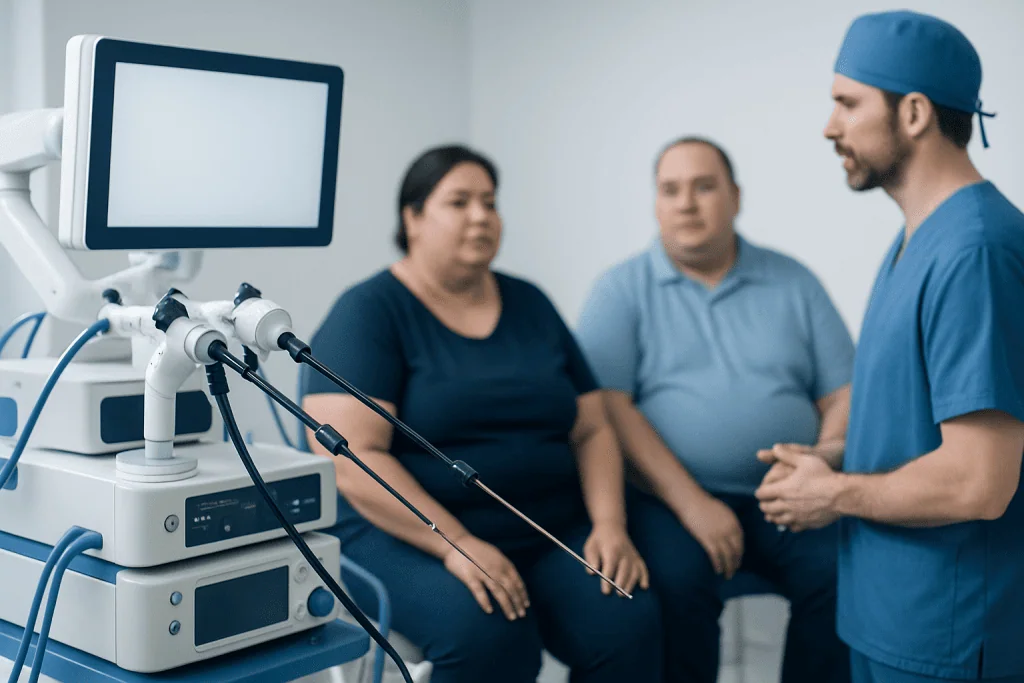
Sleeve gastrectomy works primarily by restriction. Because the stomach is much smaller, meals become smaller, and fullness comes sooner. The operation also affects hunger-related hormones, which may help reduce appetite. Food still follows the usual route through the digestive tract, so there is no intestinal bypass.
Gastric bypass combines restriction with a degree of malabsorption. A small stomach pouch limits meal size, and rerouting part of the small intestine changes how calories and nutrients are absorbed. It also influences gut hormones in ways that can strongly improve blood sugar control. For this reason, bypass is sometimes especially helpful for people with obesity and type 2 diabetes.
From a surgical perspective, sleeve gastrectomy is often viewed as simpler because it does not involve intestinal rerouting. Gastric bypass is more complex and may carry a different pattern of risks and long-term nutritional needs. Neither procedure is universally better. Each has advantages and trade-offs that need to be weighed carefully.
Both operations are commonly performed using minimally invasive techniques. When appropriate, surgeons may use laparoscopic surgery to support smaller incisions and recovery. Even so, recovery experience and long-term adaptation vary from person to person.
Who May Be a Candidate for Bariatric Surgery
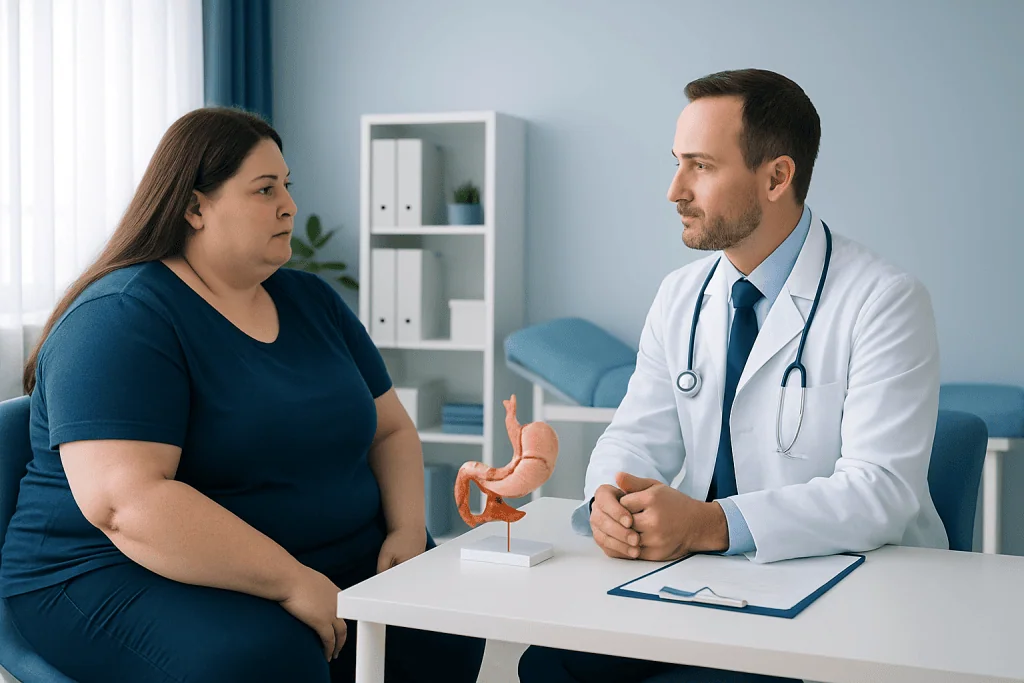
Bariatric surgery is generally considered for adults with obesity that is affecting health or quality of life, especially when nonsurgical measures have not been enough. Eligibility is based on more than body weight alone. Doctors look at obesity-related medical conditions, previous weight-loss efforts, medication use, and whether the person understands the changes needed after surgery.
Common reasons to consider surgery include type 2 diabetes, high blood pressure, obstructive sleep apnea, joint pain, reduced mobility, and other complications linked to excess weight. Some people may meet criteria because of severe obesity alone, while others qualify because obesity is combined with medical problems. In some cases, a person may be assessed for surgery in the context of morbid obesity and its impact on overall health.
Readiness for surgery also matters. A successful candidate is usually someone who can attend follow-up visits, follow staged dietary instructions, stay physically active as advised, and take supplements if needed. Emotional health, eating patterns, and social support are also important, because surgery changes daily routines around meals, hydration, and self-care.
Not everyone is best served by surgery right away. Some people may first benefit from a structured medical weight-loss program, endoscopic options, or other treatments. A bariatric team helps decide whether surgery is the right tool and, if so, which procedure matches the person’s needs most closely.
How Doctors Choose Between Sleeve and Bypass
One of the biggest factors in choosing a procedure is acid reflux. People with frequent or severe gastroesophageal reflux disease may not do as well with sleeve gastrectomy, because sleeve surgery can sometimes worsen reflux symptoms. In contrast, gastric bypass often improves reflux and may be the preferred option when reflux is a major concern.
Type 2 diabetes is another key consideration. Both sleeve and bypass can improve blood sugar levels, but gastric bypass may produce stronger or faster metabolic effects in some patients. For a person with obesity and difficult-to-control diabetes, a bariatric surgeon and endocrinologist may lean toward bypass if the overall risk-benefit balance is favorable.
Eating habits can also guide the decision. Someone who tends to consume sweets or calorie-dense liquids may not respond in the same way as someone whose main challenge is large portion sizes. Prior abdominal surgery, anemia, inflammatory bowel conditions, smoking, and the ability to maintain lifelong vitamin supplementation may also influence which operation is safest and most practical.
There is also the question of personal preference after clear counseling. Some people favor the relative simplicity of sleeve gastrectomy, while others are willing to accept a more complex procedure for potential benefits in reflux or diabetes. The best choice is the one made through shared decision-making with a qualified bariatric team, based on medical facts rather than trends or anecdotes.
Benefits, Risks, and Long-Term Considerations
Both sleeve gastrectomy and gastric bypass can support significant weight loss and improve obesity-related conditions. Many people experience better energy, easier movement, and improved control of blood pressure, blood sugar, and sleep apnea. These health gains can be meaningful, but they are not guaranteed and depend heavily on long-term habits and medical follow-up.
All surgery carries risks, including bleeding, infection, blood clots, leaks from staple lines or surgical connections, and complications related to anesthesia. The exact risk profile differs between sleeve and bypass. Sleeve gastrectomy may be more closely associated with ongoing or worsening reflux in some patients, while gastric bypass may have a higher likelihood of certain nutritional deficiencies because it changes absorption more substantially.
Long-term nutritional care is essential after either procedure. Patients may need monitoring for deficiencies in iron, vitamin B12, folate, calcium, vitamin D, and other nutrients, especially after bypass. Regular blood tests, supplements recommended by the care team, and ongoing dietary counseling help reduce these risks.
Weight regain can happen after any bariatric operation if high-calorie intake returns, physical activity stays low, or follow-up is inconsistent. This does not mean surgery has failed, but it may signal the need for renewed support. In some situations, doctors may review other weight-loss approaches, including nonsurgical stomach reduction options, as part of broader long-term obesity care.
Evaluation, Preparation, and Recovery
Before surgery, patients usually complete a thorough evaluation. This may include blood tests, heart and lung assessments, screening for sleep apnea, nutritional review, and discussions with a psychologist or psychiatrist when appropriate. The aim is not to create barriers, but to make the procedure safer and improve the chances of long-term success.
Preparation often involves learning how eating will change after surgery. Patients are taught to take small bites, chew carefully, avoid drinking with meals if advised, prioritize protein, and stay well hydrated. Some may be asked to lose a small amount of weight before surgery or follow a special preoperative diet to reduce liver size and make the operation safer.
Recovery usually begins with a staged diet, moving from liquids to pureed foods and then to soft and regular foods over time. The exact schedule differs by surgeon and procedure. Walking early, following medication instructions, and attending follow-up visits are all important parts of healing.
Many operations are done minimally invasively, and hospital stay is often short, but recovery is still a process. Patients should expect a period of adjustment as the body adapts to smaller meals and changing hunger cues. Guidance from dietitians, nurses, surgeons, and medical specialists helps make this transition smoother and safer.
Living Well After Bariatric Surgery
Long-term success after bariatric surgery depends on daily habits. Protein-rich meals, mindful eating, regular movement, and avoiding grazing or high-calorie liquids can all support durable weight loss. Sleep, stress management, and treatment of emotional eating are also important, since weight regulation is influenced by many parts of health.
Follow-up care should continue well beyond the first year. Routine appointments help monitor weight trends, nutrition, digestive symptoms, and related health conditions. If a patient develops persistent vomiting, significant reflux, trouble swallowing, signs of dehydration, or symptoms of deficiency such as fatigue or hair changes, medical review is important.
Support systems matter. Some patients benefit from group programs, dietitian visits, exercise guidance, or counseling to adjust to changing body image and new routines around food. These forms of support can make healthy changes easier to maintain over time.
When specialized care is needed, Acibadem International’s multidisciplinary specialists and JCI-accredited hospitals diagnose and treat obesity for international patients. A comprehensive team approach can be especially helpful when deciding between procedures and planning long-term aftercare.
Frequently asked questions
Which is better, sleeve or bypass?
Neither operation is best for everyone. Sleeve gastrectomy may suit some people because it is less complex, while gastric bypass may be a better option for others, especially if they have severe reflux or type 2 diabetes. The right choice depends on an individual medical assessment.
Is gastric bypass more effective than sleeve for weight loss?
Both procedures can lead to major weight loss. In some cases, gastric bypass may produce slightly greater weight loss or stronger metabolic improvement, but results vary widely. Long-term success depends greatly on follow-up care, nutrition, and lifestyle habits.
Can sleeve gastrectomy worsen acid reflux?
Yes, it can in some patients. People who already have significant reflux may be advised to consider gastric bypass instead, because bypass often improves reflux symptoms. A surgeon may recommend testing or endoscopy before making a decision.
Will diabetes improve after bariatric surgery?
Many people see meaningful improvement in type 2 diabetes after either sleeve or bypass. Gastric bypass often has a particularly strong effect on blood sugar control, sometimes soon after surgery. Even so, diabetes medicines should only be adjusted by a doctor.
Do patients need vitamins after sleeve or bypass?
Most patients need some form of vitamin and mineral supplementation after bariatric surgery, especially after gastric bypass. The exact supplements depend on the procedure and blood test results. Lifelong monitoring helps detect and prevent deficiencies.
How long does recovery take after bariatric surgery?
Initial recovery is often measured in days to weeks, but full adjustment to new eating patterns takes longer. Many people return to light activities relatively soon, depending on the procedure and their doctor’s advice. Regular follow-up is an important part of recovery.
References
- World Health Organization
- American Society for Metabolic and Bariatric Surgery
- National Institute of Diabetes and Digestive and Kidney Diseases
- National Institute for Health and Care Excellence
- Centers for Disease Control and Prevention
This article is for general information only and is not a substitute for professional medical advice. Please consult a qualified doctor about your individual situation.
Bariatric Surgery in Turkey — costs, top hospitals & a free quote
JCI-accredited · board-certified surgeons · reply within 24h
Add us as a Preferred Source to see more of our trusted health content across Google Search, AI Overviews and Discover.
Check your numbers in seconds
BMI, calories, due date, blood pressure and 30+ more clinical calculators — free, instant, doctor-reviewed ranges.

Bariatric & Metabolic Surgery
Surgical and endoscopic treatments for obesity and metabolic conditions.