Bariatric Surgery Recovery: What to Expect in the First 30 Days

The first 30 days after bariatric surgery are centered on healing, hydration, gradual eating, and light activity. Small, frequent sips of fluid and staged diet progression help protect the stomach and reduce complications.
Key Takeaways
- The first 30 days after bariatric surgery are centered on healing, hydration, gradual eating, and light activity.
- Small, frequent sips of fluid and staged diet progression help protect the stomach and reduce complications.
- Walking, breathing exercises, and rest all play important roles in early recovery.
- Pain, tiredness, and changes in bowel habits are common at first, but severe symptoms need prompt medical review.
- Regular follow-up is essential to monitor healing, nutrition, weight loss, and adjustment to new eating habits.
Bariatric surgery recovery during the first month is a step-by-step process that focuses on healing, hydration, nutrition, gentle movement, and follow-up care. Most people improve steadily, but recovery timelines vary depending on the procedure, overall health, and how closely aftercare instructions are followed.
Overview: What the First 30 Days Usually Look Like
Bariatric surgery recovery is different for each person, but the first month usually follows a predictable pattern. In the first few days, the main goals are pain control, safe movement, hydration, and monitoring for early complications. Over the following weeks, attention shifts toward gradual diet progression, increasing activity, wound care, and learning new eating habits that support long-term weight loss.
Recovery may differ depending on the type of procedure, such as bariatric surgery in general, gastric sleeve surgery, or gastric bypass. Minimally invasive techniques often allow a faster return to daily activities, but internal healing still takes time. Even when small external incisions look well, the stomach and digestive tract need several weeks to adapt.
Many people notice a mix of physical and emotional changes during this period. Appetite usually decreases, energy can fluctuate, and it may take time to adjust to much smaller portions. Early weight loss can be encouraging, but the first month is best viewed as a healing phase rather than a race to lose weight quickly.
Hospital Stay and the First Few Days at Home
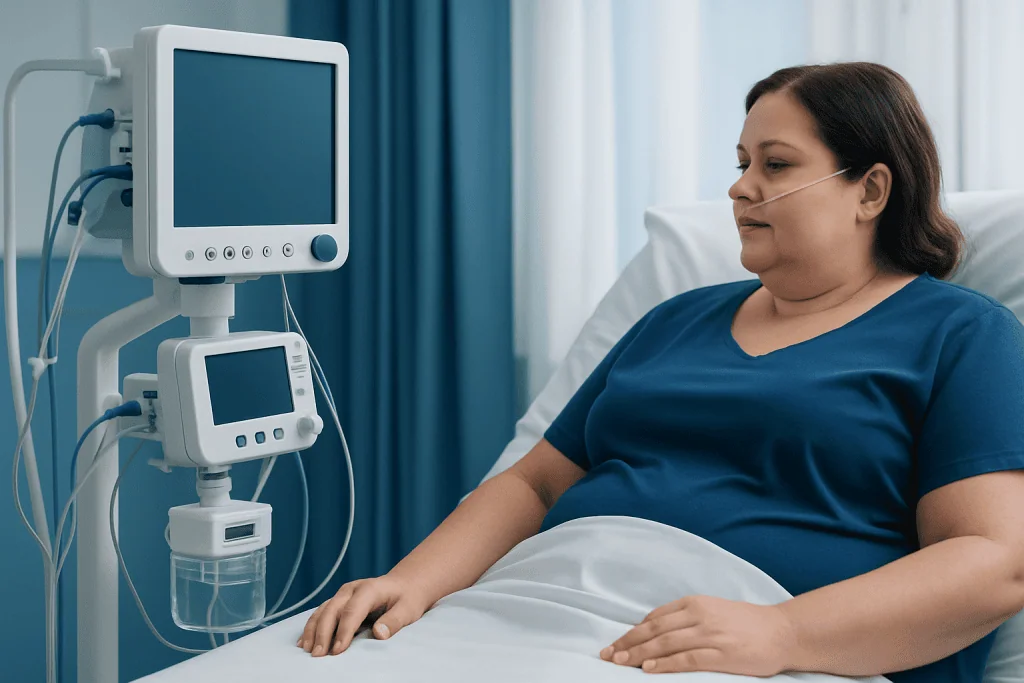
After surgery, most patients spend a short time in the hospital so the care team can monitor breathing, heart rate, pain, nausea, fluid intake, and early mobility. Patients are usually encouraged to get out of bed and walk as soon as it is safe. This gentle movement supports circulation, helps the lungs expand, and lowers the risk of blood clots.
At home, the body is still recovering from anesthesia, surgery, and the sudden change in food intake. It is common to feel tired, sore, or emotionally overwhelmed for several days. Some people also notice shoulder discomfort from gas used during laparoscopic surgery, which usually improves with walking and time.
The first days at home are often highly structured. Patients are typically advised to sip fluids regularly, avoid heavy lifting, take prescribed medicines exactly as directed, and keep incisions clean and dry. Help from family or friends can be useful during this period, especially with meal preparation, transportation, and household tasks.
Symptoms That Are Common During Recovery

Several symptoms are expected during the first 30 days of bariatric surgery recovery. Mild to moderate abdominal soreness, fatigue, bloating, and temporary nausea can occur while the stomach heals. Bowel habits may also change, especially as eating patterns and fluid intake are very different from before surgery.
Patients often feel full very quickly, sometimes after just a few sips or spoonfuls. This is a normal part of how procedures such as sleeve gastrectomy work, but it means meals must be slow, small, and carefully planned. Eating too quickly or taking bites that are too large may cause discomfort, pressure, regurgitation, or vomiting.
Common symptoms in the first month can include:
- Tiredness or low energy
- Incision tenderness or mild bruising
- Occasional nausea
- Constipation or loose stools
- Temporary sensitivity to certain smells or tastes
- Emotional ups and downs as routines change
These symptoms are often manageable and improve steadily. However, symptoms that become severe, do not improve, or are accompanied by fever, increasing pain, or inability to drink enough fluids should be assessed by a doctor promptly.
Diet Stages, Hydration, and Nutrition in the First Month
Diet progression is one of the most important parts of recovery. Immediately after surgery, patients usually start with clear liquids, then move to full liquids, pureed foods, soft foods, and eventually a more varied texture as advised by their surgical team. The timing varies by procedure and by surgeon, so individual instructions should always come first.
Hydration is a daily priority. Because the stomach holds much less, drinking enough can be challenging at first. Small, frequent sips throughout the day are usually easier than trying to drink large amounts at once. Many teams advise avoiding carbonated drinks and limiting beverages with added sugar, while also separating drinking from meals to reduce discomfort.
Protein becomes especially important as food intake increases. Protein supports wound healing, helps preserve muscle mass, and can improve fullness. Patients may be guided to use protein-rich liquids or supplements early on, followed by soft, protein-focused foods as tolerated. Vitamins and mineral supplements are commonly prescribed after surgery to help prevent deficiencies.
During this period, it is also important to learn new eating behaviors. These include chewing thoroughly, pausing between bites, stopping at the first sign of fullness, and avoiding grazing. These habits support healing and are part of long-term treatment for morbid obesity and related health risks.
Activity, Pain Control, and Wound Care
Light activity is encouraged early in bariatric surgery recovery, but the body still needs adequate rest. Walking several times a day is one of the best first exercises because it promotes circulation, supports digestion, and may reduce stiffness and gas discomfort. Most people are asked to avoid strenuous exercise, abdominal strain, and heavy lifting during the early weeks.
Pain usually improves gradually over the first one to two weeks. Doctors may recommend a combination of prescribed pain relief and simple supportive measures such as changing position carefully, using a pillow for support when coughing, and walking regularly. Any medication should be taken exactly as instructed, especially because some drugs may irritate the stomach after surgery.
Incision care is generally straightforward, but keeping the area clean and watching for signs of infection is important. Patients should contact their doctor if they notice spreading redness, warmth, swelling, pus, worsening pain, or a fever. In some cases, abdominal strain after surgery can also contribute to issues such as an incisional hernia, although this is not common in the early days and proper lifting precautions help reduce risk.
Follow-Up Appointments and Emotional Adjustment
Follow-up care is a core part of recovery, not an optional extra. Early appointments allow the care team to review fluid intake, nutrition, wound healing, medications, weight changes, and any symptoms such as reflux, nausea, or difficulty tolerating foods. Blood tests may be arranged later to monitor vitamin, mineral, and metabolic health.
The emotional side of recovery also deserves attention. Even when surgery goes well, the first month can feel demanding. Food routines change suddenly, social eating becomes more complicated, and patients may experience frustration if they cannot eat or drink comfortably right away. Support from dietitians, nurses, psychologists, family members, or support groups can make the transition easier.
Recovery is not only physical. It is also a period of learning and adaptation. The procedures help limit intake or change digestion, but lasting success depends on new habits, regular follow-up, and realistic expectations. For some people, comparing recovery with others can increase stress, so it is often more helpful to focus on individual progress and the surgeon’s guidance.
Warning Signs and When to See a Doctor
While most symptoms in the first 30 days are mild and expected, some warning signs need prompt medical review. Severe or worsening abdominal pain, chest pain, shortness of breath, repeated vomiting, inability to keep fluids down, fainting, or a rapid heartbeat can signal a serious problem. Fever, increasing redness around incisions, or drainage from wounds also deserve attention.
Signs of dehydration are particularly important after bariatric surgery. These may include dizziness, very dark urine, dry mouth, weakness, confusion, or urinating much less often. Because drinking is slower and more difficult after surgery, dehydration can develop more easily than some patients expect.
Patients should also contact their doctor if they develop swelling or pain in one leg, black stools, persistent reflux, or trouble swallowing that does not improve. If there is any concern about whether a symptom is normal, it is safer to ask. At experienced centers, including Acibadem International, multidisciplinary specialists in JCI-accredited hospitals diagnose and treat obesity and support international patients throughout recovery, including after procedures such as gastric laparoscopic surgery.
Frequently asked questions
How long does bariatric surgery recovery take?
The first 30 days are the main early recovery period, but full internal healing and adjustment usually take longer. Many people return to lighter daily routines within a couple of weeks, while strength, stamina, and eating patterns continue to improve over several months.
What can a patient eat during the first month after bariatric surgery?
Most patients follow a staged plan that begins with clear liquids and gradually advances to full liquids, pureed foods, and soft foods. The exact timing depends on the procedure and the surgeon's instructions, so the care team's plan should always be followed closely.
Is it normal to feel tired after bariatric surgery?
Yes, fatigue is common in the first days and weeks after surgery. The body is healing, food intake is much lower than usual, and fluid intake may still be increasing, so energy often improves gradually rather than all at once.
When can exercise start after bariatric surgery?
Walking usually starts very early, often within the first day after surgery if the doctor advises it. More intense exercise, abdominal workouts, and heavy lifting are usually delayed until the surgeon confirms it is safe.
What are signs of dehydration after bariatric surgery?
Common signs include dark urine, dizziness, dry mouth, weakness, and urinating less often than usual. Because patients cannot drink large amounts quickly, regular sipping throughout the day is an important part of prevention.
When should a patient call the doctor after bariatric surgery?
A doctor should be contacted for fever, worsening pain, repeated vomiting, inability to drink enough, shortness of breath, chest pain, or signs of wound infection. It is also important to ask about symptoms that seem unusual or are getting worse rather than better.
References
- American Society for Metabolic and Bariatric Surgery
- National Institute of Diabetes and Digestive and Kidney Diseases
- Mayo Clinic
- National Health Service
- World Health Organization
This article is for general information only and is not a substitute for professional medical advice. Please consult a qualified doctor about your individual situation.
Bariatric Surgery in Turkey — costs, top hospitals & a free quote
JCI-accredited · board-certified surgeons · reply within 24h
Add us as a Preferred Source to see more of our trusted health content across Google Search, AI Overviews and Discover.
Check your numbers in seconds
BMI, calories, due date, blood pressure and 30+ more clinical calculators — free, instant, doctor-reviewed ranges.

Bariatric & Metabolic Surgery
Surgical and endoscopic treatments for obesity and metabolic conditions.