

Bariatric Surgery With Fatty Liver Disease: Benefits, Risks, and Preparation

Fatty liver disease is common in people living with obesity, and bariatric surgery may improve liver fat and metabolic health when lifestyle treatment alone is not enough. Before surgery, doctors usually assess liver fibrosis with blood tests, imaging, elastography, and sometimes specialist hepatology review.
Key Takeaways
- Fatty liver disease is common in people living with obesity, and bariatric surgery may improve liver fat and metabolic health when lifestyle treatment alone is not enough.
- Before surgery, doctors usually assess liver fibrosis with blood tests, imaging, elastography, and sometimes specialist hepatology review.
- Surgery is generally safer in early-stage fatty liver disease than in advanced cirrhosis, where risks such as bleeding, fluid retention, or liver decompensation are higher.
- Common bariatric options include sleeve gastrectomy and gastric bypass, but the best choice depends on weight, reflux, diabetes, liver stage, and nutritional risks.
- Long-term follow-up is essential to prevent nutritional deficiencies, monitor liver health, support healthy eating, and maintain weight loss.
Bariatric surgery with fatty liver disease can be an effective option for selected patients because sustained weight loss often improves liver fat, insulin resistance, and inflammation. Careful preparation is important, especially when advanced fibrosis or cirrhosis may be present.
Overview
Fatty liver disease occurs when excess fat builds up in liver cells. In many patients this is related to insulin resistance, type 2 diabetes, high blood pressure, abnormal cholesterol levels, and excess body weight. The condition has recently been renamed metabolic dysfunction-associated steatotic liver disease, or MASLD; when liver inflammation and cell injury are present, it may be called MASH. Many people still know these conditions by the older terms NAFLD and NASH.
Bariatric surgery with fatty liver disease is considered when a person has obesity and has not achieved sufficient, sustained weight loss with non-surgical treatment. The goal is not only to reduce weight, but also to improve obesity-related conditions that place stress on the liver, heart, pancreas, and joints. For many patients, substantial weight loss can reduce liver fat and may improve inflammation and scarring over time.
However, fatty liver disease is not the same in every patient. Some people have simple fat accumulation with little liver damage, while others have advanced fibrosis or cirrhosis. This difference matters because surgery and anesthesia carry higher risks when liver reserve is reduced. A careful preoperative assessment helps the care team choose the safest timing, procedure, and follow-up plan.
How Fatty Liver Disease Affects Bariatric Surgery Decisions
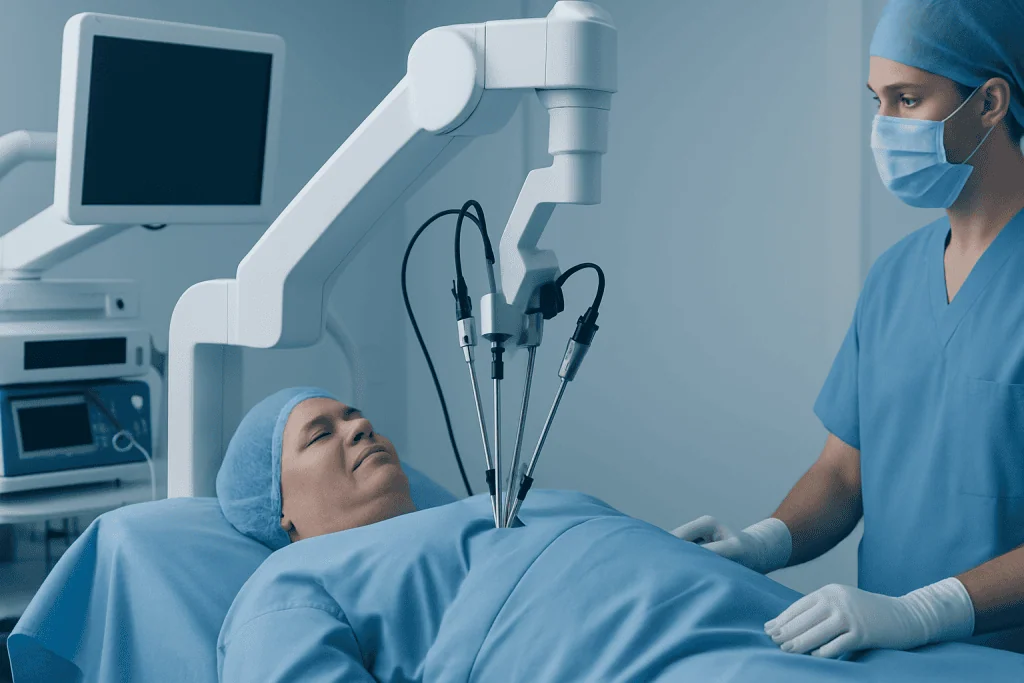
In early fatty liver disease, the liver is usually able to tolerate bariatric surgery well when the patient is otherwise an appropriate candidate. In fact, many bariatric candidates have some degree of liver fat. The surgical team may still plan carefully because an enlarged fatty liver can make laparoscopic surgery technically more difficult, especially around the upper stomach.
The main concern is whether fatty liver disease has progressed to advanced fibrosis or cirrhosis. Fibrosis means scar tissue has formed in the liver. Cirrhosis is more advanced scarring and may be compensated, meaning the liver still performs its key functions, or decompensated, meaning complications such as fluid in the abdomen, jaundice, confusion, or bleeding varices have occurred. Decompensated cirrhosis usually requires specialist liver care and may change the treatment pathway completely.
Doctors also consider other conditions that commonly accompany fatty liver disease, including sleep apnea, type 2 diabetes, cardiovascular disease, kidney disease, and blood clot risk. These conditions do not automatically prevent surgery, but they influence anesthesia planning, procedure choice, medication management, and the level of monitoring needed after the operation.
Potential Benefits for the Liver and Metabolic Health

The strongest reason to consider bariatric surgery in a suitable patient with obesity and fatty liver disease is the potential for durable weight loss. Weight reduction can lower the amount of fat delivered to the liver, improve insulin sensitivity, reduce inflammation, and help control blood sugar and triglycerides. These metabolic improvements are important because fatty liver disease is closely connected to whole-body metabolic health.
Research and clinical guidelines support that significant, sustained weight loss can improve liver steatosis and MASH activity in many patients. Some patients may also experience improvement in fibrosis, although scar tissue usually changes more slowly and may not fully reverse. Benefits are most likely when surgery is followed by long-term nutrition support, regular physical activity, and continued monitoring of diabetes, cholesterol, and blood pressure.
Bariatric surgery may also reduce the need for some weight-related medications in selected patients, especially when diabetes or hypertension improves. Medication changes should always be supervised by a doctor, because rapid weight loss can affect blood sugar levels, blood pressure, and the way the body absorbs certain medicines.
It is helpful to view surgery as a metabolic treatment rather than a quick fix. Procedures such as bariatric surgery work best when combined with structured follow-up, behavior support, and a realistic plan for lifelong eating habits.
Risks and Special Considerations
All surgery has risks, and bariatric procedures are no exception. General risks include bleeding, infection, blood clots, complications from anesthesia, leakage from staple lines or connections, nausea, dehydration, reflux symptoms, and the need for further procedures. These risks vary depending on the operation, the patient’s health, and the experience of the care team.
Fatty liver disease adds specific considerations. A large fatty liver can increase technical difficulty during surgery. If advanced fibrosis or cirrhosis is present, there may be a higher risk of bleeding, poor healing, fluid retention, infection, or worsening liver function. Patients with portal hypertension, low platelets, abnormal clotting tests, or previous liver-related complications need specialist evaluation before any weight loss operation is considered.
Nutritional risk is another key issue. Bariatric surgery reduces food intake and, in some procedures, changes nutrient absorption. Patients with liver disease may already have altered nutrition or low muscle mass, even when body weight is high. After surgery, inadequate protein intake, vitamin deficiency, or rapid weight loss without monitoring can be harmful. This is why follow-up blood tests and prescribed supplements are not optional parts of care.
The risk-benefit balance is individualized. For some patients, treating obesity may be one of the most important steps to protect long-term liver health. For others, especially those with advanced cirrhosis, the safest plan may involve hepatology care first, a modified weight loss strategy, or discussion with a transplant center.
Preoperative Evaluation and Preparation
Preparation usually begins with a full medical review, including weight history, previous weight loss attempts, eating patterns, medications, alcohol use, family history, and obesity-related conditions. Blood tests often include liver enzymes, bilirubin, albumin, platelet count, clotting tests, glucose or HbA1c, cholesterol levels, kidney function, and nutritional markers. These results help doctors estimate liver function and identify correctable issues before surgery.
Non-invasive liver assessment is often used to estimate fibrosis. This may include ultrasound, specialized imaging, fibrosis blood scores, or elastography, which measures liver stiffness. If results suggest advanced disease, a gastroenterologist or hepatologist may be involved. In selected cases, further testing is needed to assess portal hypertension or rule out other causes of liver disease, such as viral hepatitis, autoimmune liver disease, medication-related injury, or significant alcohol-related liver disease.
Patients are commonly advised to follow a preoperative nutrition plan, sometimes including a short-term liver-shrinking diet before surgery. This can reduce liver size and improve surgical access. Smoking cessation, alcohol avoidance, sleep apnea treatment, diabetes optimization, and medication review are also important. Blood thinners, diabetes medicines, and some supplements may need adjustment, but changes should be made only under medical supervision.
Good preparation also includes psychological readiness. Patients benefit from understanding portion sizes, protein needs, hydration goals, vitamin supplementation, and the expected stages of eating after surgery. A dietitian, psychologist, bariatric surgeon, anesthesiologist, and liver specialist may all contribute to a safe plan.
Procedure Options and How Doctors Choose
The best bariatric procedure for a patient with fatty liver disease depends on body mass index, diabetes status, reflux disease, previous abdominal surgery, liver stage, nutritional risk, and patient preference. The most common operations are performed laparoscopically, using small incisions, when appropriate. Minimally invasive approaches may support faster mobilization and recovery, although suitability depends on individual anatomy and risk.
Sleeve gastrectomy removes a large portion of the stomach and creates a narrower stomach tube. It limits food volume and changes hunger-related hormones. For some patients with fatty liver disease, gastric sleeve surgery may be considered because it is less likely than bypass procedures to cause malabsorption. However, it may worsen reflux in some patients, so reflux history matters.
Gastric bypass creates a small stomach pouch and reroutes part of the small intestine. It can be especially effective for weight loss and type 2 diabetes improvement, but it requires careful lifelong vitamin and mineral monitoring. In patients with liver disease, the team weighs the metabolic benefits of gastric bypass against the higher nutritional complexity and any liver-related risks.
Non-surgical or endoscopic options, such as an intragastric balloon, may be discussed for some patients who are not ready for surgery or need temporary weight loss support. These options generally produce less weight loss than surgery and are not suitable for everyone, but they may have a role in a stepwise plan. Choice of treatment should be made with a qualified bariatric team after complete evaluation.
Recovery, Nutrition, and Long-Term Follow-Up
After bariatric surgery, patients usually progress from liquids to pureed foods, soft foods, and then small portions of regular-texture foods according to their surgical team’s plan. Hydration, protein intake, slow eating, and avoidance of grazing are key early goals. Patients are also encouraged to walk soon after surgery to support circulation and reduce clot risk, as advised by their medical team.
Because the liver is metabolically active during rapid weight loss, follow-up is important. Liver enzyme levels may fluctuate early after surgery, but the long-term trend often improves as weight decreases and insulin resistance improves. Doctors may repeat blood tests, imaging, or elastography at intervals depending on the patient’s baseline liver stage and symptoms.
Nutrition monitoring is central to safe recovery. Patients may need lifelong vitamins and minerals, and some require extra attention to protein, iron, vitamin B12, folate, vitamin D, calcium, and fat-soluble vitamins depending on the procedure. Alcohol should be discussed openly with the care team, as tolerance and health risks can change after bariatric surgery, and alcohol can worsen liver disease.
Long-term success is supported by regular appointments, physical activity, mental health care when needed, and early help for weight regain or eating difficulties. Acibadem International’s multidisciplinary specialists and JCI-accredited hospitals provide evaluation and treatment for international patients with obesity and fatty liver disease, including options such as obesity treatment within a coordinated care pathway.
When to See a Doctor
A person with obesity and known or suspected fatty liver disease should speak with a doctor if lifestyle changes have not led to sustained weight loss, if type 2 diabetes or high blood pressure is difficult to control, or if liver tests remain abnormal. Early consultation allows the care team to stage liver disease and discuss all appropriate options, including medical, nutritional, endoscopic, and surgical approaches.
Urgent medical advice is needed if symptoms suggest advanced liver disease, such as yellowing of the skin or eyes, swelling of the abdomen or legs, vomiting blood, black stools, severe confusion, or unexplained easy bruising. These symptoms do not mean bariatric treatment is impossible forever, but they do mean that liver-focused care must come first.
Patients who have already had bariatric surgery should contact their doctor if they develop persistent vomiting, inability to drink fluids, severe abdominal pain, fever, black stools, fainting, jaundice, or signs of dehydration. They should also keep routine appointments even when they feel well, because nutritional deficiencies and liver changes can develop quietly.
Frequently asked questions
Is bariatric surgery safe for people with fatty liver disease?
For many people with early-stage fatty liver disease, bariatric surgery can be performed safely after proper assessment. The risk is higher if advanced fibrosis, cirrhosis, or portal hypertension is present. This is why liver staging before surgery is important.
Can bariatric surgery cure fatty liver disease?
Bariatric surgery can significantly improve liver fat and inflammation in many patients, especially when weight loss is sustained. It may also improve fibrosis in some cases, but scarring can take years to change and may not fully disappear. Ongoing liver monitoring remains important.
Which bariatric procedure is best for fatty liver disease?
There is no single best procedure for everyone. Sleeve gastrectomy, gastric bypass, and other options are chosen based on weight, diabetes, reflux, liver stage, nutritional risk, and patient goals. A bariatric surgeon and liver specialist can help compare the safest options.
Can a person with cirrhosis have bariatric surgery?
Some patients with well-compensated cirrhosis may be considered for bariatric surgery in experienced centers after careful evaluation. Patients with decompensated cirrhosis usually need specialist liver management first, and surgery may be unsafe unless part of a broader liver care or transplant plan.
What tests are needed before weight loss surgery if fatty liver is present?
Doctors often use blood tests, liver ultrasound, fibrosis scoring, and elastography to assess liver health. Some patients need hepatology consultation or additional tests to evaluate portal hypertension or other liver diseases. The exact workup depends on the patient’s results and medical history.
Will liver enzymes get worse after bariatric surgery?
Liver enzymes can fluctuate during rapid weight loss, especially in the early months after surgery. In many patients, they improve over time as liver fat and insulin resistance decrease. Persistent or worsening abnormalities should be reviewed by a doctor.
What can patients do to protect the liver after bariatric surgery?
Patients can protect their liver by attending follow-up visits, taking prescribed supplements, meeting protein and hydration goals, avoiding alcohol unless their doctor says otherwise, and staying physically active. They should also manage diabetes, cholesterol, and blood pressure with medical guidance.
References
- American Association for the Study of Liver Diseases
- European Association for the Study of the Liver
- American Society for Metabolic and Bariatric Surgery
- International Federation for the Surgery of Obesity and Metabolic Disorders
- National Institute for Health and Care Excellence
This article is for general information only and is not a substitute for professional medical advice. Please consult a qualified doctor about your individual situation.
Bariatric Surgery in Turkey — costs, top hospitals & a free quote
JCI-accredited · board-certified surgeons · reply within 24h
Add us as a Preferred Source to see more of our trusted health content across Google Search, AI Overviews and Discover.
Check your numbers in seconds
BMI, calories, due date, blood pressure and 30+ more clinical calculators — free, instant, doctor-reviewed ranges.

Bariatric & Metabolic Surgery
Surgical and endoscopic treatments for obesity and metabolic conditions.
Related Treatments
Related Conditions
More from the Health Library



Related Specialists

Prof. Dr. Tayfun Karahasanoğlu
General Surgery
Prof. Dr. Güralp Onur Ceyhan
General Surgery
Prof. Dr. Volkan Özben
General Surgery
Assoc. Prof. Dr. Halil Kara
General Surgery