Basal Ganglia: A Complete Medical Overview

The basal ganglia are deep brain structures involved in movement control, habit learning, motivation, and behavior. Problems in the basal ganglia can cause tremor, stiffness, involuntary movements, slowed movement, and balance difficulties.
Key Takeaways
- The basal ganglia are deep brain structures involved in movement control, habit learning, motivation, and behavior.
- Problems in the basal ganglia can cause tremor, stiffness, involuntary movements, slowed movement, and balance difficulties.
- Conditions affecting the basal ganglia include Parkinson’s disease, Huntington’s disease, stroke, trauma, infections, and medication-related movement disorders.
- Diagnosis usually combines a neurological exam with brain imaging and, when needed, blood tests or genetic testing.
- Treatment depends on the cause and may include medicines, rehabilitation, surgery, and ongoing follow-up with specialists.
The basal ganglia are a group of deep brain structures that help the body start, stop, and smooth out movement while also contributing to learning, habits, motivation, and some aspects of emotion. When the basal ganglia are affected by disease or injury, symptoms may include tremor, stiffness, slowed movement, balance problems, mood changes, or difficulty with thinking and behavior.
Overview: What the basal ganglia are and why they matter
The basal ganglia are a network of structures located deep inside the brain. They do not work alone; instead, they communicate with the cerebral cortex, thalamus, brainstem, and cerebellum to help organize smooth, purposeful movement. In simple terms, the basal ganglia help the brain choose which movements to start, which to stop, and how strongly or smoothly to perform them.
These structures also do more than movement. Research shows that the basal ganglia take part in habit formation, reward processing, motivation, attention, and some aspects of emotion and decision-making. Because of this broad role, conditions affecting the basal ganglia may cause both physical symptoms and changes in mood, behavior, or thinking.
The main parts of the basal ganglia include the caudate nucleus, putamen, globus pallidus, subthalamic nucleus, and substantia nigra. Doctors often describe them as part of circuits rather than isolated organs. When one part of the circuit is damaged or not working properly, the effects can extend across the whole network.
How the basal ganglia work
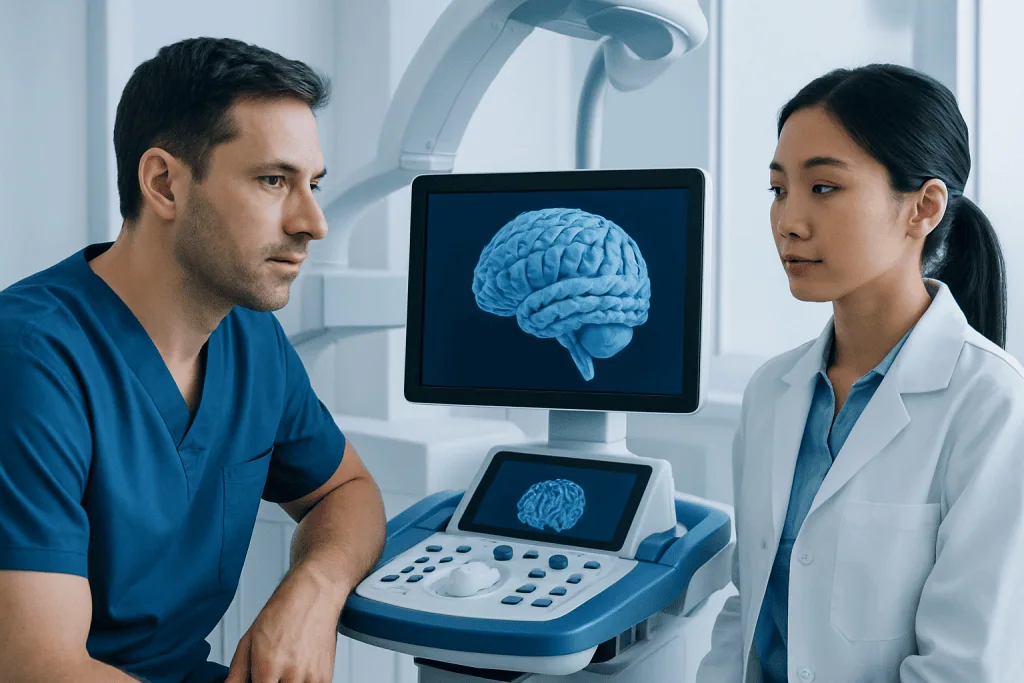
The basal ganglia help regulate movement through a balance of signals that either promote or suppress motor activity. This system allows routine actions such as walking, blinking, writing, speaking, or changing facial expression to happen in a coordinated way. When the balance is disrupted, movement may become too slow and rigid, or too fast and involuntary.
A key chemical messenger in these circuits is dopamine, especially in pathways involving the substantia nigra. Dopamine helps fine-tune how the basal ganglia process motor and behavioral signals. In Parkinson’s disease, for example, loss of dopamine-producing cells can lead to tremor, stiffness, and slowed movement.
The basal ganglia also support procedural learning, which is the type of learning used for repeated skills and habits. Over time, tasks such as typing, cycling, or buttoning a shirt become more automatic because these brain circuits help reduce the amount of conscious effort needed. This helps explain why disorders of the basal ganglia may affect both movement and the ability to perform familiar activities smoothly.
Symptoms of basal ganglia problems
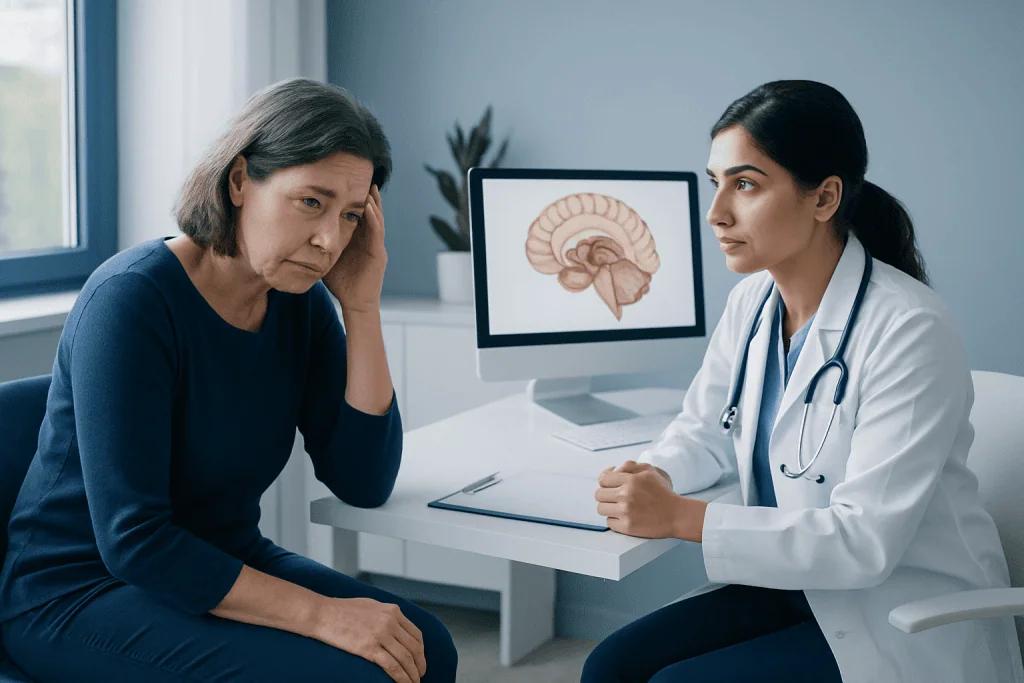
Symptoms vary depending on which part of the basal ganglia is affected and what the underlying cause is. Some people develop movement that is slower than usual, while others experience extra movements they cannot control. Symptoms may appear gradually, as in neurodegenerative disease, or suddenly, as in stroke or head injury.
Common movement-related symptoms include:
- Tremor or shaking
- Muscle stiffness or rigidity
- Slowness of movement
- Difficulty starting movement
- Shuffling gait or balance problems
- Involuntary jerking, twisting, or fidgeting movements
- Changes in speech or facial expression
Some people also notice symptoms beyond movement. These may include mood changes, reduced motivation, irritability, compulsive behaviors, trouble concentrating, memory difficulties, or slowed thinking. Because these symptoms can have many causes, a medical assessment is important to identify whether the basal ganglia are involved.
Causes and conditions linked to the basal ganglia
Many different conditions can affect the basal ganglia. Neurodegenerative disorders are among the best known. Parkinson’s disease is strongly linked to basal ganglia dysfunction and commonly causes tremor, stiffness, and slowed movement. Huntington’s disease can also affect these deep brain circuits, leading to involuntary movements as well as cognitive and behavioral changes.
Stroke, reduced blood flow, lack of oxygen, brain injury, infections, autoimmune inflammation, and tumors may also damage the basal ganglia. In children, some metabolic or inherited conditions can affect these structures as well. In adults, abnormal blood sugar, liver disease, or exposure to certain toxins may sometimes contribute to changes seen in this region of the brain.
Medications can also play a role. Some drugs, especially those that affect dopamine signaling, may trigger movement side effects such as dystonia, parkinsonism, or tardive dyskinesia. Risk factors for basal ganglia-related disorders depend on the specific illness but may include older age, family history, vascular risk factors, prior brain injury, and certain chronic neurological conditions.
How doctors diagnose basal ganglia disorders
Diagnosis begins with a detailed medical history and neurological examination. A doctor will ask when symptoms started, whether they are getting worse, what medications the person takes, and whether there is a family history of neurological disease. The examination looks at gait, balance, muscle tone, tremor, coordination, speech, eye movements, and cognition.
Brain imaging is often important. MRI can help detect stroke, structural abnormalities, inflammation, or damage in deep brain regions. CT may be used in urgent settings, especially if sudden symptoms raise concern for bleeding or acute stroke. In selected cases, functional imaging or specialized scans may help support the diagnosis of movement disorders.
Additional tests depend on the suspected cause. These may include blood tests for metabolic or autoimmune disorders, genetic testing when an inherited condition is possible, and neuropsychological assessment if thinking or behavior has changed. Since basal ganglia symptoms can overlap with other neurological problems, diagnosis may require review by a movement disorder specialist or multidisciplinary neurology team.
Treatment options and long-term management
Treatment is guided by the underlying cause rather than by the location alone. If symptoms are due to Parkinson’s disease, care may include medicines that improve dopamine activity, physical therapy, occupational therapy, and speech therapy. Some people with advanced movement symptoms may benefit from deep brain stimulation, a procedure used in selected patients to help regulate abnormal brain signaling.
When the basal ganglia are affected by stroke, treatment focuses on urgent stroke care, rehabilitation, and prevention of future vascular events. If inflammation, infection, or a metabolic problem is responsible, doctors treat that specific condition. Medication-related movement disorders may improve after adjusting or stopping the triggering drug under medical supervision.
Supportive care is also important. Rehabilitation can improve mobility, posture, balance, communication, and daily function. Depending on symptoms, some patients may need coordinated care that includes physical therapy and rehabilitation, psychiatry, neuropsychology, nutrition support, or social work. For patients with structural brain disease requiring surgery or close evaluation, neurosurgical care may be part of treatment planning.
Acibadem International’s multidisciplinary specialists and JCI-accredited hospitals diagnose and treat neurological conditions affecting the basal ganglia for international patients, with care plans tailored to the person’s symptoms, test results, and overall health.
Self-care, prevention, and living well
Not all basal ganglia disorders can be prevented, especially those linked to inherited or degenerative diseases. Still, general brain health measures may reduce risk for some causes, particularly stroke and vascular injury. Managing blood pressure, diabetes, cholesterol, and smoking status can help protect the brain’s blood supply.
People living with a basal ganglia disorder often benefit from regular movement, structured routines, and early rehabilitation. Simple strategies such as home fall prevention, assistive devices when needed, medication review, and exercise programs supervised by a clinician can improve safety and independence. Sleep, hydration, and adequate nutrition also support daily function.
Emotional health should not be overlooked. Anxiety, depression, apathy, and frustration may occur alongside movement changes, so discussing these symptoms with a doctor is important. Education for family members and caregivers can make it easier to understand symptoms and support daily life.
When to seek medical care
Medical care is important if a person develops new tremor, stiffness, slowed movement, repeated falls, involuntary movements, or unexplained changes in walking, speech, mood, or thinking. Even when symptoms seem mild at first, early assessment can help identify treatable causes and guide supportive care.
Emergency care is needed for sudden symptoms, especially one-sided weakness, sudden trouble speaking, confusion, severe headache, loss of consciousness, or abrupt changes in coordination. These may signal stroke or another urgent neurological problem. If symptoms start after beginning a new medication, a doctor should review the medicine promptly rather than stopping it without advice.
Frequently asked questions
What is the main function of the basal ganglia?
The basal ganglia mainly help control and refine movement. They also play roles in habits, motivation, reward processing, and some aspects of learning and behavior.
Can basal ganglia problems affect thinking or mood?
Yes. Although these structures are best known for movement control, they are connected to brain circuits involved in emotion, motivation, and cognition. Some people may notice depression, apathy, irritability, compulsive behaviors, or slowed thinking along with physical symptoms.
Is Parkinson’s disease a basal ganglia disorder?
Yes, Parkinson’s disease is closely related to dysfunction in basal ganglia circuits. Loss of dopamine-producing cells affects signaling in these pathways and can lead to tremor, stiffness, slowness, and balance problems.
Do all movement disorders come from the basal ganglia?
No. Many movement disorders involve the basal ganglia, but others can arise from the cerebellum, peripheral nerves, muscles, medications, or other brain regions. A neurological evaluation helps determine the cause.
How are basal ganglia disorders diagnosed?
Doctors usually combine a medical history, neurological examination, and brain imaging such as MRI or CT. Depending on the situation, blood tests, genetic testing, and specialist assessment may also be needed.
Can basal ganglia damage be treated?
Treatment depends on the cause. Some conditions improve with medications, rehabilitation, or treatment of the underlying problem, while chronic neurodegenerative disorders are often managed with long-term symptom control and supportive care.
References
- National Institute of Neurological Disorders and Stroke
- National Institute on Aging
- American Academy of Neurology
- Mayo Clinic
- Merck Manual Consumer Version
This article is for general information only and is not a substitute for professional medical advice. Please consult a qualified doctor about your individual situation.
Explore treatments in Turkey — costs, top hospitals & a free quote
JCI-accredited · board-certified surgeons · reply within 24h
Add us as a Preferred Source to see more of our trusted health content across Google Search, AI Overviews and Discover.

More from the Health Library

Fingernails and Toenails Peeling: A Complete Medical Overview

Smoking Cessation: A Complete Medical Overview

Heart Palpitations — Explained by Medical Evidence, Not Myths

Sit Ups: A Complete Medical Overview

Chief Cells: An Evidence-Based Guide for Patients

Hair Restoration for Men: Procedure, Recovery and Results
Related Specialists
Dt. Alperen Kaşkaya
Oral & Dental Health
Prof. Dr. Hakan Murat Göksel
Neurosurgery
Prof. Dr. Kenan Hızel
Infectious Diseases & Clinical Microbiology
Assoc. Prof. Dr. Zeynep Selen Aslan
Pediatric Neurology