

Bcg Treatment for Bladder Cancer: Symptoms, Causes, and Treatment Options
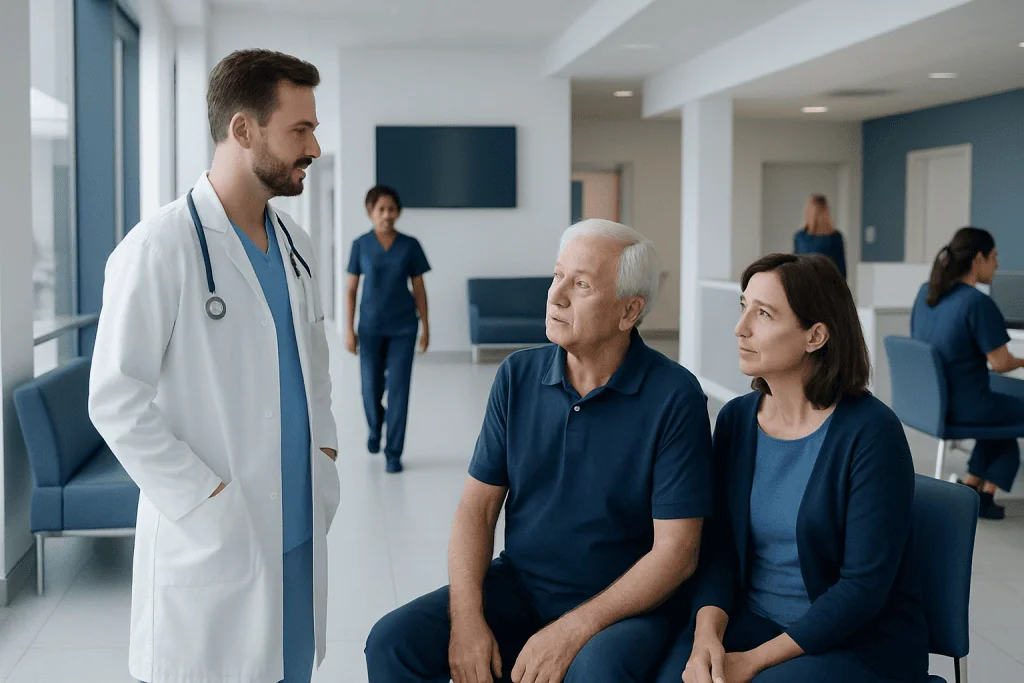
BCG is commonly used for non-muscle invasive bladder cancer after tumor removal through the urethra. The medicine is placed into the bladder rather than given through the bloodstream.
Key Takeaways
- BCG is commonly used for non-muscle invasive bladder cancer after tumor removal through the urethra.
- The medicine is placed into the bladder rather than given through the bloodstream.
- Its goal is to lower recurrence and progression risk, especially in higher-risk early bladder cancers.
- Temporary urinary symptoms such as burning, frequency, and urgency are common after treatment.
- Not everyone is a candidate for BCG; alternatives may include surgery, intravesical chemotherapy, or other bladder cancer treatments.
- Ongoing follow-up with cystoscopy and urine tests is essential after treatment.
BCG treatment for bladder cancer is a type of intravesical immunotherapy placed directly into the bladder, most often after removal of a non-muscle invasive tumor, to reduce the chance that cancer will come back or worsen. It does not treat every bladder cancer type, so the treatment plan depends on the tumor stage, grade, pathology results, and the person’s overall health.
Overview: What BCG treatment for bladder cancer is
BCG treatment for bladder cancer is a bladder-directed immunotherapy used mainly for non-muscle invasive bladder cancer. In this approach, a weakened form of bacteria called Bacillus Calmette-Guérin is placed directly into the bladder through a thin catheter. The aim is to stimulate the body’s immune response inside the bladder lining so it can attack remaining cancer cells and reduce the risk of recurrence after tumor removal.
BCG is most often recommended after a procedure called transurethral resection of bladder tumor, or TURBT. TURBT removes visible tumors from the bladder, while BCG helps treat microscopic disease that may still be present. This makes BCG an important part of care for many people with carcinoma in situ, high-grade Ta tumors, and some T1 tumors.
Unlike chemotherapy given into a vein, BCG works locally inside the bladder. It is not usually the main treatment for muscle-invasive or metastatic bladder cancer, where other options such as surgery, systemic treatment, or radiation may be needed. A urologist and oncology team use pathology results and risk group classification to decide whether BCG is likely to help.
Who may benefit from BCG therapy
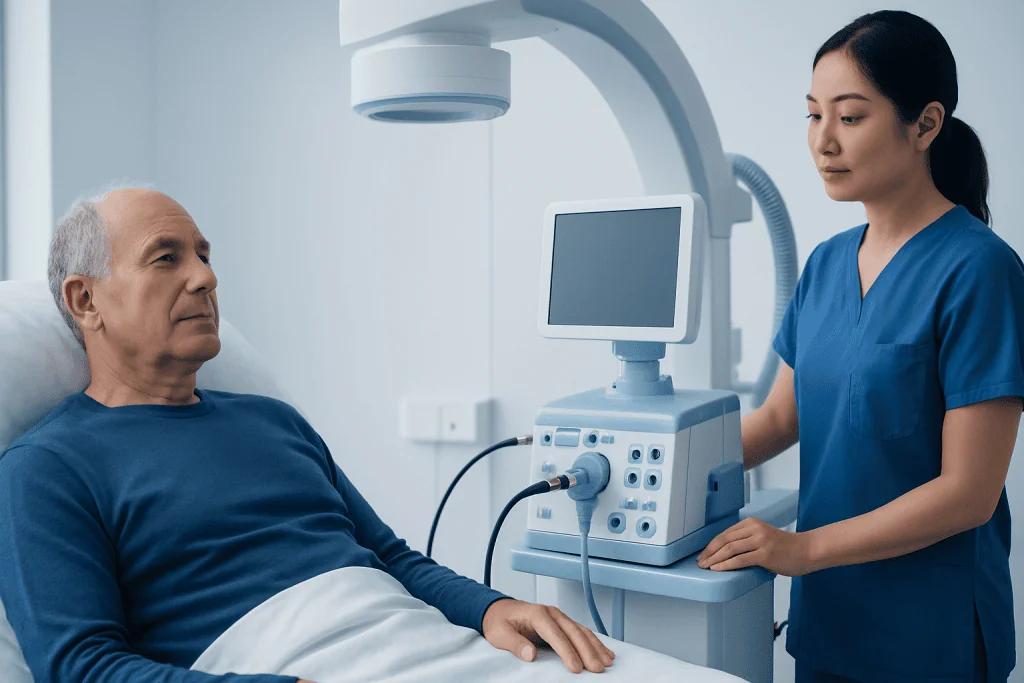
BCG is generally considered for people with early bladder cancers that have not grown into the bladder muscle. It is especially useful when there is a higher chance that the cancer could return or progress. This includes some patients with carcinoma in situ and many with high-grade non-muscle invasive tumors.
Doctors do not recommend BCG in exactly the same way for every patient. The decision depends on factors such as tumor size, number of tumors, grade, stage, whether the cancer has come back before, and whether the bladder lining contains flat high-grade changes such as carcinoma in situ. A person’s immune status, active urinary infection, visible blood in the urine, and healing after recent procedures also matter.
People sometimes ask whether BCG is a cure. For some patients, it can lead to long periods without evidence of disease and may help preserve the bladder. However, it is best understood as part of a broader treatment strategy for bladder cancer, with regular monitoring needed because recurrence can still happen.
Symptoms of bladder cancer and why treatment may be needed
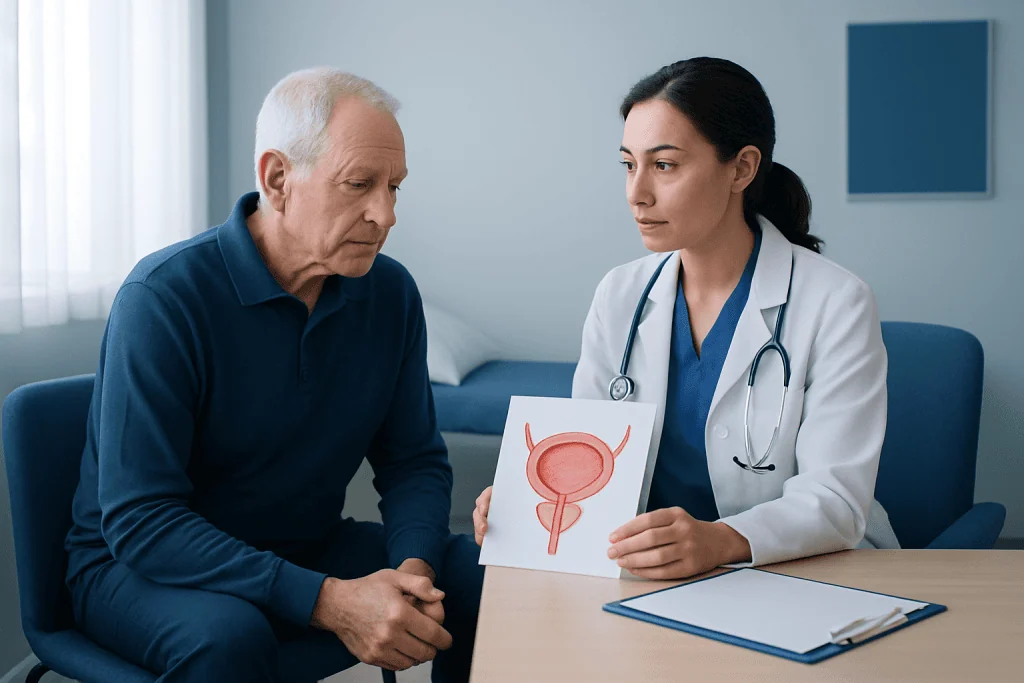
BCG does not treat symptoms directly; it treats certain forms of bladder cancer that may cause symptoms. The most common warning sign of bladder cancer is blood in the urine, which may appear pink, red, or cola-colored. Some people notice blood only once, while others have repeated episodes.
Other symptoms can include burning during urination, needing to urinate more often, sudden urgency, or a feeling that the bladder does not empty fully. These symptoms are not specific to cancer and can also occur with urinary tract infections, kidney stones, or other urinary conditions. That is why proper testing is important rather than assuming the cause.
Some non-muscle invasive cancers are found during evaluation for urinary symptoms, while others are detected after abnormal urine testing or imaging. Even when symptoms improve after tumor removal, further treatment such as BCG may still be advised if pathology suggests a meaningful risk of recurrence or progression.
- Blood in the urine
- Urinary urgency or frequency
- Pain or burning with urination
- Recurrent bladder tumors seen on cystoscopy
How BCG treatment is given
BCG is usually given in a clinic or hospital setting as a series of intravesical treatments. A healthcare professional passes a small catheter through the urethra into the bladder and instills the BCG solution. The person is asked to keep the medicine in the bladder for a limited time before urinating it out, following the care team’s instructions carefully.
Treatment commonly begins with an induction course over several weeks. In some patients, doctors then recommend maintenance therapy over months or longer to improve long-term control, particularly in higher-risk disease. The exact schedule varies based on clinical guidelines, local protocols, side effects, and how well the cancer responds.
Before each session, the team checks whether treatment is safe to proceed. BCG may be delayed if there is fever, active urinary infection, significant blood in the urine, or irritation from a recent bladder procedure. Careful timing helps lower the risk of complications and improves the chance that treatment will be tolerated.
Because BCG is one part of care, follow-up often includes repeat cystoscopy, urine cytology, and sometimes additional bladder biopsies. If BCG is not effective or cannot be completed, the doctor may discuss other approaches such as bladder cancer treatment options tailored to the stage and risk profile.
Possible side effects and safety considerations
Many people tolerate BCG reasonably well, but short-term bladder irritation is common. After treatment, a person may notice burning with urination, urinary frequency, urgency, mild pelvic discomfort, or small amounts of blood in the urine. These symptoms often improve within a day or two, although the pattern can vary over a treatment course.
Some people also develop flu-like symptoms such as fatigue, low-grade fever, or body aches. These effects are usually temporary, but they should still be reported, especially if they are intense or last longer than expected. The care team may adjust the schedule, evaluate for infection, or recommend supportive measures.
Rarely, BCG can cause more serious complications, including high fever, severe infection-like illness, prolonged urinary symptoms, or inflammation affecting other parts of the body. Because of this, patients should receive clear instructions on when to call the clinic urgently. It is also important to follow hygiene guidance after urinating the medication out, since specific aftercare may be recommended by the treating center.
People with a weakened immune system, active tuberculosis concerns, traumatic catheterization, or an untreated urinary infection may not be good candidates for BCG at that time. In such situations, doctors weigh the benefits and risks carefully and may consider other treatment pathways.
How doctors assess response and decide on next steps
Follow-up is a central part of care after BCG. Even when treatment goes well, the bladder needs regular surveillance because non-muscle invasive bladder cancer can recur. Doctors commonly use cystoscopy to look directly inside the bladder and may also order urine cytology or tissue sampling if an area looks suspicious.
If no cancer is found, surveillance continues on a schedule based on the person’s risk level. If there are persistent abnormal cells, a new tumor, or high-grade disease despite adequate BCG, the team reassesses the diagnosis and overall treatment plan. In some cases, repeat resection may be needed to clarify whether the tumor has invaded more deeply than first thought.
For patients whose cancer does not respond to BCG or returns quickly, doctors may discuss alternatives. These can include other intravesical therapies, enrollment in selected clinical pathways, or surgery such as cystectomy when bladder preservation is no longer the safest choice. The best option depends on tumor behavior, patient preference, fitness for surgery, and specialist evaluation.
Prevention, self-care, and living with follow-up
No self-care step can replace medical treatment for bladder cancer, but healthy habits can support recovery and long-term bladder health. Avoiding tobacco is especially important because smoking is a major risk factor for bladder cancer and is linked to recurrence. For people who smoke, stopping can be one of the most meaningful actions they take after diagnosis.
Staying well hydrated, following medication and appointment instructions, and reporting side effects early can make treatment easier to manage. It may help to keep a simple record of symptoms after each instillation, including fever, pain, urinary changes, and how long symptoms last. This gives the care team useful information when planning future doses.
Emotionally, repeated cystoscopies and treatment visits can feel tiring. Many patients benefit from asking for a clear written follow-up plan and bringing a family member or trusted friend to appointments. Questions about work, travel, exercise, intimacy, and daily routine are reasonable to discuss with the clinical team.
Near the end of the care pathway, some people seek evaluation in centers with coordinated urology, oncology, pathology, and imaging services. Acibadem International’s multidisciplinary specialists in JCI-accredited hospitals evaluate and treat international patients with bladder conditions, including bladder tumors, when specialist review is needed.
When to seek medical care
Anyone who notices blood in the urine should arrange medical evaluation, even if it happens only once and then stops. Bladder cancer is only one possible cause, but visible blood in the urine should not be ignored. Urgent assessment is also important for new urinary symptoms that persist, especially in older adults or people with a history of smoking.
During BCG treatment, patients should contact their healthcare team promptly if they develop a high fever, shaking chills, severe pain, inability to pass urine, heavy bleeding, or symptoms that do not improve as expected. These may need prompt evaluation to rule out infection or other complications.
People who have already been treated for non-muscle invasive bladder cancer should keep all scheduled surveillance visits, even when they feel well. Follow-up is one of the most effective ways to find recurrence early and respond before the disease becomes more difficult to treat.
Frequently asked questions
What is BCG treatment for bladder cancer?
BCG treatment for bladder cancer is an intravesical immunotherapy, meaning it is placed directly into the bladder through a catheter. It is used mainly after removal of certain early bladder tumors to help the immune system destroy remaining cancer cells and lower the risk of recurrence.
Is BCG used for all bladder cancers?
No. BCG is mainly used for non-muscle invasive bladder cancer, especially higher-risk cases such as carcinoma in situ or some high-grade tumors. It is not usually the primary treatment for cancers that have invaded the bladder muscle or spread beyond the bladder.
What side effects are common after BCG therapy?
Common side effects include burning during urination, urinary frequency, urgency, mild blood in the urine, fatigue, and low-grade fever. These are often temporary, but persistent or severe symptoms should be reported to the treating team.
How long does BCG treatment last?
Treatment often begins with a weekly induction course over several weeks. Some patients then receive maintenance treatments over a longer period, depending on their risk level, response, and tolerance.
What happens if BCG does not work?
If cancer returns or persists after adequate BCG, the doctor may recommend additional testing and a different treatment plan. Options may include other intravesical medicines, repeat tumor resection, or surgery such as bladder removal in selected cases.
Can a person live a normal life during BCG treatment?
Many people continue much of their usual routine during treatment, although some adjust plans around instillation days because of urinary symptoms or fatigue. It is sensible to rest when needed, stay in close contact with the care team, and follow all aftercare instructions.
References
- National Cancer Institute
- American Cancer Society
- European Association of Urology
- National Comprehensive Cancer Network
- Urology Care Foundation
This article is for general information only and is not a substitute for professional medical advice. Please consult a qualified doctor about your individual situation.
Bladder Cancer in Turkey — costs, top hospitals & a free quote
JCI-accredited · board-certified surgeons · reply within 24h
Add us as a Preferred Source to see more of our trusted health content across Google Search, AI Overviews and Discover.

Medical Oncology Department
Medical treatment of cancer with chemotherapy, immunotherapy and targeted therapies under a multidisciplinary tumor board.
60 specialists in this unitMore from the Health Library



Related Specialists

Prof. Dr. Özlem Aydoğ
Pediatrics
Dr. Parvana Mıkaılova
Clinical Laboratory
Dr. Behram Kaya
Neurosurgery
Embriyolog Seda Özkan
Vitro Fertilization and Reproductive Medicine Center