Belladonna — Explained by Medical Evidence, Not Myths

Belladonna is a poisonous plant, also called deadly nightshade. Its active compounds can affect the eyes, heart, gut, bladder, and nervous system.
Key Takeaways
- Belladonna is a poisonous plant, also called deadly nightshade.
- Its active compounds can affect the eyes, heart, gut, bladder, and nervous system.
- Self-medicating with belladonna plant products is unsafe and may cause serious poisoning.
- Symptoms of toxicity can include dry mouth, blurred vision, confusion, fast heartbeat, and trouble urinating.
- Any suspected belladonna ingestion or unexplained anticholinergic symptoms need prompt medical assessment.
Belladonna is the common name for deadly nightshade, a toxic plant that contains powerful anticholinergic chemicals. While compounds derived from belladonna have had medical uses, the plant itself is not safe for self-treatment, and myths about it often overlook real poisoning risks.
What belladonna is, and what medical evidence says
Belladonna is the common name for Atropa belladonna, a plant also known as deadly nightshade. The most important medical fact is simple: the plant is poisonous. It contains naturally occurring chemicals, especially atropine, scopolamine, and hyoscyamine, that can strongly affect the nervous system and many organs.
Medical evidence does not support using the raw plant or unregulated belladonna products as home remedies. Historically, belladonna-derived compounds have been used in controlled medical settings, but that is very different from consuming leaves, berries, teas, extracts, or over-the-counter preparations with uncertain amounts of active ingredients. The gap between a pharmacologic effect and a toxic effect can be narrow.
This distinction is important because online discussions often mix folklore, historical use, and modern medicine. Belladonna itself is not a wellness herb. Instead, it is best understood as a toxic plant that has helped medicine develop specific drugs used carefully by professionals for selected purposes.
Why belladonna affects the body
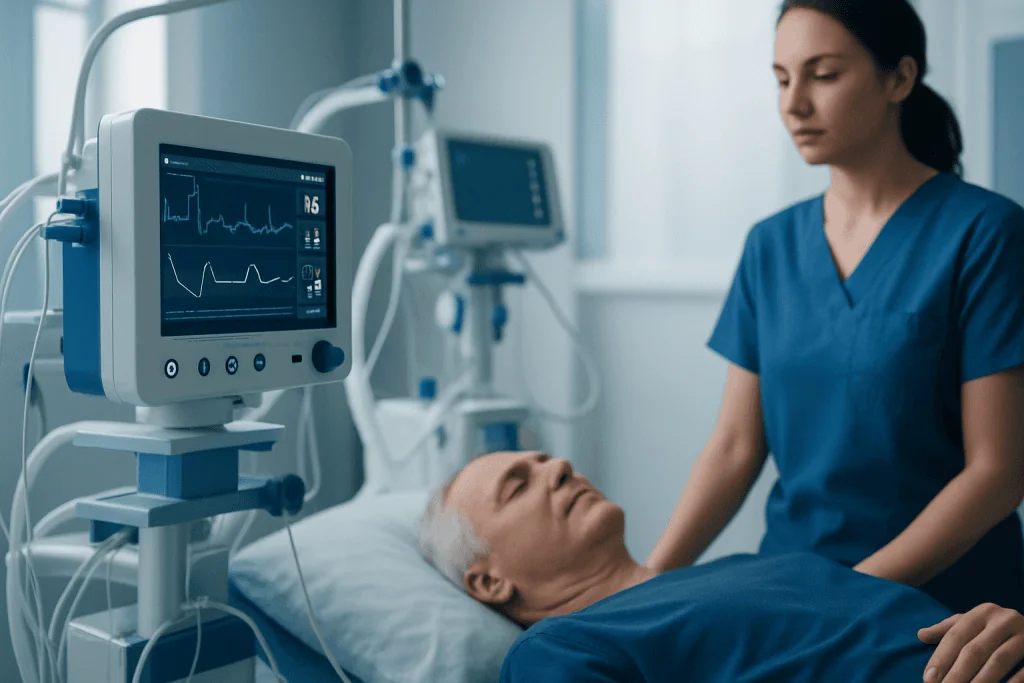
The main chemicals in belladonna block acetylcholine at muscarinic receptors. In practical terms, this means the body loses some of its usual “rest-and-digest” signals. As a result, secretions decrease, the pupils may widen, the heart rate can increase, bowel activity can slow, and thinking or awareness can become affected.
These effects explain why purified belladonna-related medications have been used in medicine, for example in eye care, anesthesia support, or to reduce certain spasms. However, a medically supervised drug is standardized and dosed for a specific purpose. The plant itself is unpredictable, and different parts of the plant may contain different amounts of active compounds.
Because the same mechanism can cause both therapeutic and harmful effects, belladonna is closely linked with anticholinergic toxicity. This type of toxicity can become an emergency, especially in children, older adults, or anyone who already takes medicines with similar anticholinergic effects.
Possible symptoms and signs of belladonna poisoning

Symptoms can appear after swallowing plant material, using an extract, or accidentally ingesting berries or leaves. Early signs often include a very dry mouth, thirst, reduced sweating, flushing, blurred vision, and enlarged pupils. Some people also develop dizziness, sensitivity to light, or difficulty focusing the eyes.
As toxicity becomes more significant, the nervous system and circulation may be affected. A person may feel restless, confused, agitated, or unusually drowsy. Fast heartbeat, fever, urinary retention, and constipation can occur. In more serious cases, hallucinations, severe confusion, seizures, or coma are possible.
Not every symptom means belladonna exposure, because several drugs and conditions can cause a similar anticholinergic pattern. Doctors may also consider medication side effects, poisoning from other plants, substance exposure, dehydration, infection, or underlying neurological illness such as Parkinson’s disease if movement or cognitive symptoms are part of the broader picture.
- Dry mouth and dry skin
- Blurred vision or dilated pupils
- Rapid heartbeat
- Confusion, agitation, or hallucinations
- Difficulty urinating
- Constipation and reduced bowel sounds
Common myths and misunderstandings about belladonna
One common myth is that “natural” means safe. Belladonna shows why that idea can be misleading. Many natural substances are biologically active, and some are highly toxic. A plant source does not make a substance gentle, balanced, or suitable for unsupervised use.
Another misunderstanding is that because atropine and related compounds are used in modern medicine, belladonna itself must be safe to take. In reality, clinicians use purified forms, known doses, and clear indications. The raw plant is not equivalent to a prescription medication, and it should not be used as a substitute for evidence-based care.
People may also encounter claims that belladonna can treat pain, colds, teething, digestive symptoms, sleep problems, or many unrelated conditions. These broad claims are not supported in a way that makes self-treatment safe. In children especially, products containing belladonna have raised significant safety concerns, and any potentially toxic exposure should be taken seriously.
How doctors diagnose belladonna exposure or toxicity
Diagnosis begins with the history and physical examination. Doctors ask what was taken, when it was taken, how much may have been involved, and whether the person uses prescription drugs, herbal products, or recreational substances. If available, bringing the plant, packaging, or a photo can help identify the exposure.
The clinical pattern is often central to diagnosis. Enlarged pupils, dry mucous membranes, warm dry skin, fast pulse, confusion, and reduced bowel or bladder activity can point toward anticholinergic toxicity. Doctors also check for complications such as overheating, dehydration, abnormal heart rhythm, and changes in mental status.
There is no single routine test that confirms all belladonna exposures. Instead, testing is used to assess safety and rule out other problems. Blood tests, urine studies, heart monitoring, and sometimes brain or other imaging may be needed depending on symptoms. If a person presents with severe confusion, seizures, or neurological deficits, a specialist assessment and tests such as MRI imaging may be considered to exclude other urgent causes.
Treatment and supportive medical care
Treatment depends on the severity of symptoms, the timing of exposure, and the person’s age and overall health. The most important steps are supportive care and careful monitoring. This may include intravenous fluids, temperature control, observation of breathing and heart rhythm, and treatment for agitation or complications.
In selected recent ingestions, clinicians may consider decontamination measures such as activated charcoal, but this is not appropriate for everyone and should only be guided by medical professionals. In severe anticholinergic toxicity, specific antidotal treatment may sometimes be used under close supervision. Because these decisions depend on the full clinical picture, self-treatment at home is not safe.
People with significant confusion, ongoing fast heartbeat, inability to urinate, very high temperature, or neurological symptoms may need hospital-based care. If belladonna exposure is part of a wider poisoning concern or if doctors suspect another condition affecting the brain or nerves, a person may benefit from multidisciplinary evaluation, including neurology assessment and emergency supportive treatment.
Prevention, self-care, and safer choices
The safest approach is to avoid using belladonna plant material or unregulated products for self-treatment. People should not eat unknown berries or leaves, prepare homemade extracts, or rely on internet claims about natural detoxes or quick symptom relief. Children should be taught never to touch or taste unfamiliar plants.
Medication review is also useful because many common drugs have anticholinergic effects. Taking several together may increase side effects such as dry mouth, constipation, blurred vision, falls, or confusion. This is especially important for older adults and those with chronic illnesses, bladder problems, glaucoma, or bowel conditions.
For symptom relief, it is better to seek evidence-based advice targeted to the actual problem. For example, digestive symptoms may need assessment rather than herbal self-treatment, and visual symptoms may need an eye exam. If a person has recurrent neurological complaints or tremor, a specialist can look for causes rather than masking symptoms; in some cases, this may involve evaluation for essential tremor or other neurological conditions.
Near the end of a patient’s care pathway, if international evaluation is needed, Acibadem International’s multidisciplinary specialists and JCI-accredited hospitals diagnose and treat toxic exposures and related neurological or internal medicine concerns for international patients.
When to seek medical care
Medical care should be sought promptly after any suspected belladonna ingestion, especially in a child, pregnant person, older adult, or anyone with heart disease, glaucoma, urinary retention, or neurological disease. It is also important to seek help if the amount taken is unknown or if symptoms begin after using a product labeled as herbal or homeopathic.
Urgent evaluation is needed for confusion, hallucinations, severe agitation, fainting, fast or irregular heartbeat, trouble breathing, seizures, inability to urinate, or marked drowsiness. These can signal significant toxicity and should not be watched at home. If local poison control services are available, they can provide immediate guidance while medical help is arranged.
Even milder symptoms such as persistent dry mouth, blurred vision, or constipation deserve medical attention if they are new, intense, or worsening. A clinician can identify whether belladonna exposure, a medication side effect, or another health problem is responsible and recommend the safest next steps.
Frequently asked questions
Is belladonna the same as deadly nightshade?
Yes. Belladonna commonly refers to the plant Atropa belladonna, which is also called deadly nightshade. The plant is toxic, and its berries and leaves can be especially dangerous if ingested.
Can belladonna be used as a natural remedy?
Using the raw plant or unregulated belladonna products is not considered safe. Although belladonna-derived compounds have medical uses, those are purified and carefully dosed in clinical settings. Self-treatment can lead to poisoning.
What are the first signs of belladonna poisoning?
Early symptoms often include dry mouth, blurred vision, enlarged pupils, flushing, and a fast heartbeat. A person may also become restless, dizzy, or confused. Symptoms can worsen quickly, so prompt medical advice is important.
Are children at higher risk from belladonna?
Yes. Children are more vulnerable because even small amounts may cause significant symptoms. Any suspected exposure in a child should be treated as urgent and assessed by a medical professional.
How is belladonna poisoning treated?
Treatment is mainly supportive and depends on the severity of symptoms. Doctors may monitor heart rhythm, breathing, temperature, and hydration, and treat agitation or other complications. In severe cases, antidotal treatment may be considered under close supervision.
Should someone make themselves vomit after swallowing belladonna?
No. Vomiting should not be induced unless a medical professional specifically instructs it. The safest step is to seek emergency medical advice or contact poison control right away.
References
- World Health Organization
- U.S. National Library of Medicine
- MedlinePlus
- National Capital Poison Center
- Merck Manual Professional Edition
This article is for general information only and is not a substitute for professional medical advice. Please consult a qualified doctor about your individual situation.
Explore treatments in Turkey — costs, top hospitals & a free quote
JCI-accredited · board-certified surgeons · reply within 24h
Add us as a Preferred Source to see more of our trusted health content across Google Search, AI Overviews and Discover.
Check your numbers in seconds
BMI, calories, due date, blood pressure and 30+ more clinical calculators — free, instant, doctor-reviewed ranges.

More from the Health Library



Related Specialists

Dr. Zeynep Sağırkaya
Occupational Medicine
Prof. Dr. Özlem Sönmez
Internal Medicine
Dr. Cem Tekin Baran
Orthopedic Surgery & Traumatology
Dr. Alp Er Tunga Bölükbaşı
Orthopedic Surgery & Traumatology