Best Exercises for Seniors at Home — Explained by Medical Evidence, Not Myths
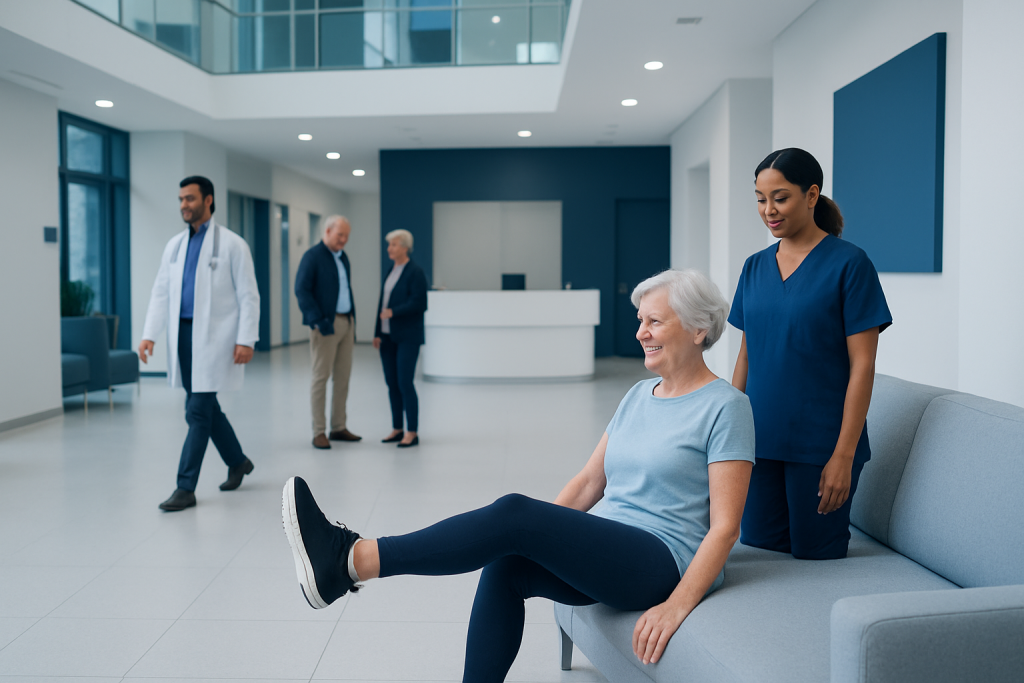
A balanced home exercise routine for older adults includes aerobic, strength, balance, and flexibility training. Chair stands, wall push-ups, heel raises, marching, and single-leg balance are practical evidence-based choices for many seniors.
Key Takeaways
- A balanced home exercise routine for older adults includes aerobic, strength, balance, and flexibility training.
- Chair stands, wall push-ups, heel raises, marching, and single-leg balance are practical evidence-based choices for many seniors.
- Exercise should be adapted for pain, arthritis, heart or lung disease, osteoporosis, and fall risk.
- Starting slowly and progressing gradually is safer and more effective than doing too much at once.
- Medical advice is important if there is chest pain, dizziness, recent falls, severe joint pain, or major health concerns.
The best exercises for seniors at home are simple, evidence-based movements that support strength, balance, mobility, heart health, and independence. A well-rounded routine usually combines walking or marching, sit-to-stand practice, balance drills, gentle stretching, and light resistance exercises adapted to each person’s health status and ability.
Overview: Which home exercises are best for seniors?
The best exercises for seniors at home are the ones that improve daily function safely and consistently. Medical evidence supports a combination of four types of movement: aerobic activity for heart and lung health, strength training for muscles and bones, balance exercises to lower fall risk, and flexibility work to maintain comfort and mobility. This approach is more useful than focusing on only one type of exercise or following exercise myths that promise quick results.
For many older adults, the most practical home routine includes walking indoors or outdoors, marching in place, sit-to-stand practice from a chair, wall push-ups, heel raises, gentle stretching, and simple balance drills. These exercises do not require expensive equipment and can be adjusted for beginners, people with joint stiffness, or those returning to activity after illness or inactivity.
The goal is not athletic performance. The goal is to support independence, confidence, posture, endurance, and safer movement during everyday tasks such as standing up, climbing stairs, carrying groceries, or turning around without losing balance. Even short sessions done regularly can be meaningful when they are matched to a person’s current health and ability.
Why exercise matters in later life
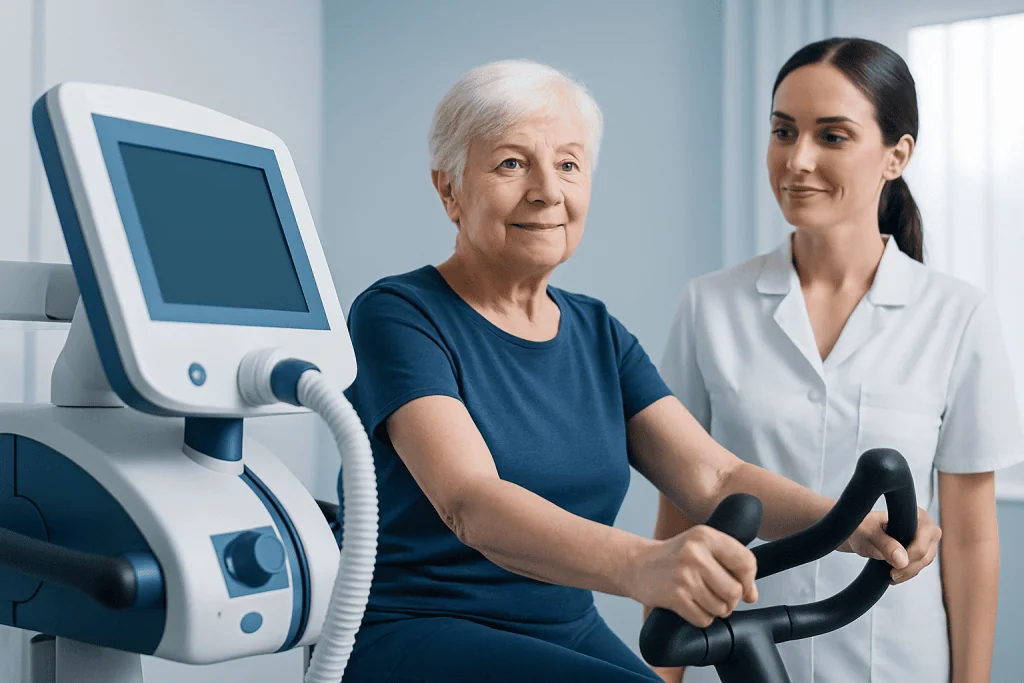
As people age, muscle mass, balance, joint mobility, and cardiovascular endurance often decline unless they are used regularly. This can make routine tasks feel harder and may increase the risk of falls, frailty, and loss of independence. Appropriate exercise helps counter these changes by strengthening muscles, training coordination, and keeping joints moving through comfortable ranges.
Exercise also supports overall health beyond mobility. Regular physical activity can help with blood pressure, blood sugar control, sleep, mood, energy, and bone health. For some older adults living with chronic conditions, activity is also an important part of symptom management and recovery when guided appropriately.
Many seniors avoid exercise because of common myths, such as the belief that exercise is unsafe after a certain age or that walking alone is enough for every need. In reality, age itself is not a reason to avoid movement. What matters is choosing the right type and intensity of activity, progressing gradually, and accounting for health conditions such as arthritis, osteoporosis, neuropathy, or heart disease.
The most useful home exercises, and what each one helps with

A practical routine usually works best when it targets specific physical functions. Chair stands, for example, build leg strength and make it easier to get up from a chair or toilet. Wall push-ups help maintain upper-body strength for pushing, lifting, and posture. Heel raises strengthen the calves and may support balance during walking. Marching in place or brisk walking helps endurance and cardiovascular health.
Balance exercises deserve special attention because they are often overlooked. Standing with feet close together, shifting weight from side to side, walking heel-to-toe along a counter, or briefly standing on one leg while holding a stable surface can help train balance safely. These should be done near a wall, counter, or sturdy chair for support. Older adults with significant balance concerns, prior falls, or conditions such as Parkinson’s disease may need a more individualized plan.
Flexibility exercises are not the main driver of strength or heart fitness, but they can make movement more comfortable. Gentle stretches for the calves, chest, hips, and shoulders may improve posture and joint comfort, especially after sitting for long periods. Slow, controlled movement matters more than forcing a stretch.
- Chair sit-to-stand: helps leg strength and daily independence
- Wall push-ups: supports chest, shoulder, and arm strength
- Heel raises: strengthens calves and supports walking balance
- Marching in place or walking: improves endurance
- Side leg raises: strengthens hip muscles important for stability
- Single-leg stand with support: trains balance
- Gentle stretches: supports mobility and comfort
How to build a safe weekly routine at home
A safe exercise plan for seniors does not need to be complicated. Many older adults do well with a simple weekly pattern: most days include some walking or marching for endurance, two or three days include strength exercises, and balance practice is added at least several times a week. Short sessions are acceptable, especially at the beginning. What matters most is regularity.
One practical format is to start with a few minutes of warm-up, such as easy marching, shoulder rolls, or ankle circles. Then add 4 to 6 exercises that target major muscle groups and balance. Each movement should be done slowly, with controlled breathing and good posture. If form deteriorates, it is better to stop and rest than to push through fatigue.
Progress should be gradual. A person might begin with fewer repetitions, more support, or shorter walking intervals, then slowly increase time or difficulty as confidence improves. Using household items such as a sturdy chair, a wall, or light hand weights can help, but proper technique is more important than equipment. For seniors recovering after injury, surgery, or deconditioning, a personalized physical therapy and rehabilitation plan may be helpful.
How to adapt exercise for common health conditions
Older adults are not a single group, and exercise should be individualized. For arthritis, lower-impact activities and gentle range-of-motion work may be more comfortable than high-impact movement. For osteoporosis, posture, leg strengthening, and balance training are often emphasized, while movements with sudden twisting or heavy strain may need caution. For people with neuropathy, poor vision, or prior falls, balance drills should be done close to support.
Those with heart or lung disease may still benefit greatly from activity, but intensity should be realistic and symptoms should guide pacing. Shorter bouts with rest periods are often appropriate. People who become unusually breathless, weak, or lightheaded during activity should stop and speak with a clinician. In some cases, evaluation by specialists in cardiology or pulmonology may be appropriate before increasing exercise intensity.
Neurological conditions can also change exercise needs. For example, people with tremor, slowness, or gait changes may benefit from targeted balance and movement strategies, while those with memory changes may do better with simple, repeated routines and supervision. If there are concerns about repeated falls, weakness on one side, or a possible neurologic disorder such as Alzheimer’s disease, medical assessment is important before relying on generic exercise advice alone.
Common myths about exercise for seniors
One persistent myth is that seniors should mainly rest to avoid injury. In fact, too little movement often contributes to weakness, stiffness, low endurance, and reduced confidence. The safer approach is usually not complete rest, but choosing appropriate activities and progressing step by step.
Another myth is that walking is enough on its own. Walking is an excellent form of activity, but it does not fully replace strength and balance training. A person who walks daily may still have trouble standing from a chair, climbing stairs, or recovering from a small loss of balance unless those skills are trained directly.
Some people also believe that pain is always a sign to stop all activity. Severe or sharp pain should not be ignored, but mild muscle fatigue or temporary stiffness after starting a new routine can be normal. The key distinction is whether symptoms are improving, staying mild, and related to exertion, or whether they are worsening, causing instability, or affecting normal function. When in doubt, a qualified doctor or physiotherapist can help clarify what is safe.
Prevention and self-care tips for exercising safely at home
Safety begins with the environment. Seniors should use a stable chair, wear supportive footwear, clear loose rugs or clutter, and exercise in a well-lit space. Keeping water nearby and avoiding rushed movements can also reduce problems. If balance is limited, exercises should be done near a kitchen counter or another secure surface.
Listening to the body is important. Activity should feel manageable, and breathing should remain controlled. It is usually better to stop before exhaustion than to continue until technique becomes unsteady. Gentle warm-up and cool-down periods can improve comfort, especially for people with stiffness or limited mobility.
Consistency matters more than intensity. A simple routine repeated over time is more beneficial than occasional ambitious sessions followed by long gaps. Family support, reminders, and written routines can help older adults stay active. Near the end of the care pathway, if more specialized evaluation is needed, Acibadem International’s multidisciplinary specialists in JCI-accredited hospitals diagnose and treat mobility, neurological, orthopedic, and rehabilitation needs for international patients.
When to seek medical care
Medical advice is recommended before starting or intensifying home exercise if a senior has chest pain, unexplained shortness of breath, fainting, severe dizziness, a recent fall, a new neurological symptom, uncontrolled blood pressure, or a major recent illness or surgery. Review is also important when joint pain is significant, swelling is persistent, or exercise seems to worsen symptoms rather than improve them.
During exercise, certain warning signs should prompt stopping and seeking medical help. These include chest pressure, severe breathlessness, sudden weakness, confusion, new one-sided symptoms, or pain that is intense or does not settle with rest. Ongoing difficulty with balance, repeated near-falls, or rapid decline in mobility also deserves evaluation.
For many older adults, the best plan combines safe home exercise with professional guidance when needed. A clinician, physiotherapist, or rehabilitation specialist can identify hidden contributors such as medication side effects, vestibular problems, spinal disease, or muscle weakness and can recommend a more personalized program.
Frequently asked questions
What are the best exercises for seniors at home to do every day?
For many seniors, the most useful daily choices are walking or marching in place, chair stands, heel raises, gentle stretching, and simple balance practice near support. The exact routine should match the person’s fitness, medical conditions, and confidence level.
Are chair exercises enough for older adults?
Chair exercises can be an excellent starting point, especially for people with weakness, poor balance, or limited endurance. However, many seniors benefit from gradually adding standing strength work, balance training, and some form of aerobic activity as tolerated.
How often should seniors exercise at home?
Most older adults benefit from moving on most days of the week. A balanced plan usually includes regular walking or other aerobic activity, strength work two or three times weekly, and balance practice several times per week.
Which exercises help reduce fall risk in seniors?
Exercises that improve balance and leg strength are especially helpful for fall prevention. Examples include chair stands, heel raises, side leg raises, weight shifting, and supported single-leg standing done in a safe environment.
Should seniors exercise if they have arthritis?
Many people with arthritis benefit from regular activity because it can improve strength, joint function, and confidence with movement. The exercises may need modification, with lower-impact options and careful pacing during flare-ups.
When should an older adult talk to a doctor before exercising?
Medical review is wise if there is chest pain, severe shortness of breath, fainting, repeated falls, major balance problems, or significant pain with movement. A doctor should also be consulted after a recent hospitalization, surgery, or major change in health.
References
- World Health Organization
- Centers for Disease Control and Prevention
- National Institute on Aging
- American College of Sports Medicine
- National Institute for Health and Care Excellence
This article is for general information only and is not a substitute for professional medical advice. Please consult a qualified doctor about your individual situation.
Heart care in Turkey — expert evaluation and treatment
JCI-accredited · board-certified surgeons · reply within 24h
Add us as a Preferred Source to see more of our trusted health content across Google Search, AI Overviews and Discover.
Check your numbers in seconds
BMI, calories, due date, blood pressure and 30+ more clinical calculators — free, instant, doctor-reviewed ranges.

More from the Health Library

Willpower — Explained by Medical Evidence, Not Myths

Bitter — Explained by Medical Evidence, Not Myths

Potassium Citrate: An Evidence-Based Guide for Patients

Monolaurin Benefits — Explained by Medical Evidence, Not Myths

Cures for low blood pressure: A Complete Medical Guide for Patients