Big nose: Symptoms, Causes, and Treatment — Complete Patient Guide

A big nose is often a normal variation in facial anatomy and not a disease by itself. Nose size and shape can be influenced by genetics, age, ethnicity, injury, skin thickness, and underlying structural changes.
Key Takeaways
- A big nose is often a normal variation in facial anatomy and not a disease by itself.
- Nose size and shape can be influenced by genetics, age, ethnicity, injury, skin thickness, and underlying structural changes.
- Medical evaluation is important if the nose changes suddenly, causes breathing problems, pain, bleeding, or follows trauma.
- Treatment depends on the cause and may include observation, medical care for nasal problems, or cosmetic or functional surgery.
- Concerns about appearance are valid, and a specialist can help distinguish normal anatomy from treatable conditions.
A big nose usually describes a nose that appears larger, wider, longer, or more prominent than expected for the rest of the face. In many people this is a normal inherited feature, but in some cases a change in nose size or shape can relate to injury, swelling, skin thickening, or other medical conditions that deserve assessment.
Overview: what a big nose means
A big nose is a common way people describe a nose that looks larger, wider, longer, rounder, or more prominent than they would like. In most cases, this reflects natural facial anatomy rather than illness. Nose shape varies greatly between individuals and families, and what seems “big” is often a subjective impression influenced by facial proportions, skin thickness, and cultural beauty standards.
From a medical point of view, the key question is not only size but also whether the nose has changed over time or causes symptoms. Some people have always had a prominent nasal bridge, a bulbous tip, a wide base, or thicker nasal skin. Others notice enlargement after injury, repeated swelling, aging, or a skin condition. These situations may need medical attention if appearance changes are accompanied by breathing difficulty, pain, congestion, or recurrent infections.
It can also help to separate cosmetic concerns from functional ones. A person may dislike the appearance of a large nose but breathe normally and have no disease. Another person may have both appearance concerns and a structural issue such as a deviated septum or post-traumatic deformity. Care is most effective when these concerns are evaluated together.
How a big nose may appear and feel
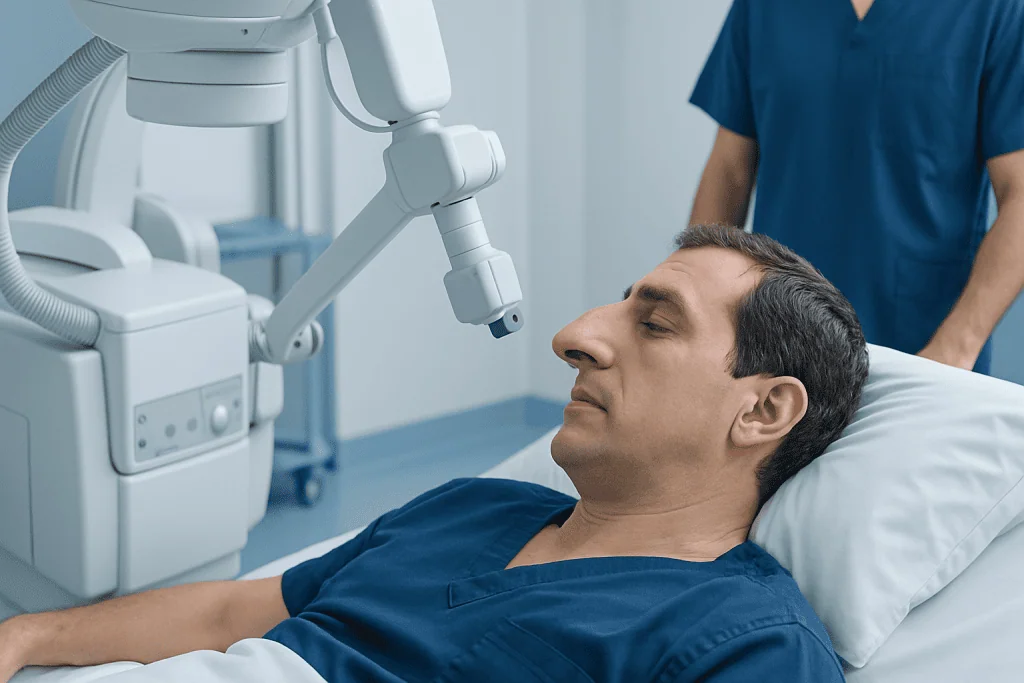
A big nose does not usually cause symptoms on its own. Instead, people tend to notice visible features such as a high bridge, broad nostrils, a long nasal profile, a drooping tip, or a round or enlarged tip. In photographs, some angles can make the nose look larger than it does in person, which can add to self-consciousness.
When a large-looking nose is linked to a medical issue, other signs may be present. These can include blocked nasal airflow, snoring, mouth breathing, tenderness, swelling, redness, frequent sinus pressure, or visible asymmetry after an injury. Skin changes such as thickening, oiliness, or an uneven surface can also make the nose seem larger.
Patients sometimes use different words to describe the same concern. A “big nose” may reflect one or more specific features:
- A wide nasal bridge or broad nasal bones
- A bulbous or rounded tip
- Thick nasal skin
- A prominent hump on the bridge
- A long nose or drooping tip
- Asymmetry after trauma or prior surgery
Describing which feature is most bothersome helps guide evaluation. A specialist will usually assess the skin, cartilage, nasal bones, septum, and breathing passages rather than focusing on size alone.
Causes and risk factors

The most common cause of a big nose is genetics. Nasal shape is strongly inherited, and prominent noses often run in families. Ethnic background also influences nasal width, bridge height, tip shape, and skin thickness, all of which are normal aspects of human variation. During adolescence, the nose continues to grow and mature, so it may look more prominent before the rest of the face fully balances.
Aging can also change nasal appearance. Over time, skin elasticity decreases and soft tissues may shift downward, making the tip appear lower or the nose seem longer. In some people, the supporting cartilage changes enough that the overall profile looks more noticeable. Weight changes, facial volume loss, and dental or jaw structure can further affect facial proportions and make the nose look larger even if the nose itself has not significantly changed.
In other cases, a large or changing nose can be related to injury or medical conditions. Trauma may lead to swelling, deviation, irregular healing, or a change in contour. Chronic inflammation, thickened skin, or conditions such as rhinophyma can enlarge the lower part of the nose. Less commonly, hormonal disorders that affect tissue growth may alter facial features over time. Structural nasal problems may occur together with a prominent appearance, including a deviated septum that affects airflow.
Risk factors for bothersome nasal appearance or symptoms include family history of prominent nasal features, prior nasal fracture, chronic skin conditions, repetitive trauma, and age-related tissue changes. Not every large-looking nose reflects disease, but a recent change in shape should always be considered differently from a lifelong feature.
How doctors evaluate a large or changing nose
Assessment starts with a careful history. A doctor will ask whether the nose has always looked this way or has changed recently, whether there has been an injury, and whether symptoms such as blockage, snoring, sinus complaints, bleeding, pain, or skin changes are present. The timing of change matters. A nose that has been prominent since childhood is usually approached differently from one that has enlarged over months or years.
The physical examination looks at both appearance and function. The doctor may examine the bridge, tip, nostrils, skin, and symmetry from several angles. They also evaluate the inside of the nose for septal deviation, enlarged turbinates, inflammation, polyps, or signs of prior trauma. Breathing through each side of the nose may be checked, and photographs may be used in cosmetic consultation to support planning and discussion.
If there are warning signs, additional tests may be needed. Imaging can help after injury or when complex structural problems are suspected. If thickened skin or a growth is present, referral to dermatology or another specialist may be appropriate. If a hormonal cause of changing facial features is suspected, blood tests and endocrine evaluation may be considered.
The goal of diagnosis is not to label every big nose as a problem. It is to identify whether the concern is primarily cosmetic, functional, traumatic, dermatologic, or part of a broader medical issue. That distinction helps patients understand their options clearly and avoid unnecessary treatment.
Treatment options: from reassurance to surgery
Treatment for a big nose depends entirely on the cause and the patient’s goals. If the nose is simply a normal inherited feature and there are no breathing problems or underlying disorders, no medical treatment is required. For many people, reassurance and an honest discussion of facial balance are enough. In some cases, makeup techniques, hairstyle changes, or eyewear choices may help a person feel more comfortable with their appearance, although these are personal decisions rather than medical needs.
When symptoms are present, treatment may focus first on function. Nasal blockage from inflammation, allergy, or structural narrowing can often be managed medically or surgically depending on the findings. If a deviated septum contributes to airflow problems, treatment may include septoplasty to improve the nasal airway. Patients with sinus-related complaints may also need evaluation for sinusitis or other ENT conditions.
If appearance is the main concern, a specialist may discuss rhinoplasty to reshape the nose. This surgery can reduce a dorsal hump, refine a bulbous tip, narrow the bridge, adjust projection, or improve overall facial harmony. In selected patients who have both breathing and appearance concerns, functional and cosmetic goals can sometimes be addressed in the same operation. Treatment planning is individualized because skin thickness, cartilage strength, facial proportions, and healing patterns differ from person to person.
After trauma or significant deformity, reconstruction may be needed rather than cosmetic reshaping alone. In some situations, surgeons also use revision rhinoplasty if there has been a prior operation and the result is unsatisfactory or breathing remains impaired. Near the end of the care pathway, patients may wish to consult centers such as Acibadem International, where multidisciplinary specialists in JCI-accredited hospitals evaluate and treat nasal functional and aesthetic concerns for international patients.
Prevention and self-care
Because nose size is often inherited, a naturally big nose cannot be prevented. However, some causes of nasal enlargement or distortion can be reduced. Protecting the nose during sports with appropriate face guards, using seat belts, and seeking prompt care after facial trauma may lower the risk of permanent changes in shape.
Skin care is also important, especially in people with chronic redness, acne rosacea, or thickened oily skin. Early treatment of persistent skin inflammation may help limit progression of changes that can make the tip or lower nose look enlarged. People with allergies or chronic irritation should also manage these conditions with medical guidance to reduce rubbing, congestion, and repeated inflammation.
For emotional well-being, it can help to remember that facial features are highly individual. Distress about appearance can be real and deserves respectful discussion, but social media filters and camera distortion often create unrealistic expectations. Professional evaluation can clarify what is normal anatomy, what may be a treatable functional issue, and what surgical change is realistically possible.
When to seek medical care
A person should seek medical evaluation if the nose changes shape or size over a short period, especially if there is no clear explanation. Sudden swelling, redness, severe pain, fever, or a new visible deformity may suggest infection, injury, or another problem that should not be ignored.
Medical care is also important if a large or misshapen nose is associated with breathing trouble, repeated nosebleeds, one-sided blockage, chronic sinus pressure, sleep disruption, or persistent skin thickening. After a facial injury, early assessment can help identify a fracture, septal injury, or swelling that might affect later healing.
If appearance concerns are affecting confidence or quality of life, a consultation with an ENT or plastic surgeon can still be worthwhile even without urgent symptoms. A specialist can explain whether the issue is cosmetic, functional, or both, and discuss safe options based on the individual’s anatomy and goals.
Frequently asked questions
Is having a big nose a medical problem?
Usually not. In most people, a big nose is simply a normal inherited facial feature. It becomes a medical concern mainly if the shape changes unexpectedly or if there are symptoms such as blockage, pain, bleeding, or skin thickening.
Can a nose get bigger with age?
The nose can appear bigger with age because skin and soft tissues lose support and the tip may droop. Changes in facial volume and skin elasticity can also make the nose look more prominent. This is usually a normal age-related change rather than disease.
What causes a nose to suddenly look larger?
A sudden increase in nose size or change in shape can happen بسبب swelling after injury, infection, inflammation, or skin thickening. Less commonly, structural changes or hormonal disorders may be involved. A recent unexplained change should be assessed by a doctor.
Can a big nose cause breathing problems?
Size alone does not always affect breathing. However, people who feel their nose is large may also have internal structural problems such as a deviated septum, narrowed valves, or swelling inside the nose. An examination can determine whether airflow is normal.
Is rhinoplasty the only treatment for a big nose?
No. If the concern is medical, treatment may target the underlying cause, such as inflammation, trauma, or a septal problem. Rhinoplasty is mainly considered when a person wants to change nasal shape, or when appearance and function need to be addressed together.
When should someone see a specialist about a big nose?
A specialist visit is sensible if the nose has changed recently, if there are breathing problems, or if there has been trauma. It is also reasonable to seek advice when appearance concerns are significant and a person wants an accurate assessment of options. Evaluation can help separate normal anatomy from treatable conditions.
References
- American Academy of Otolaryngology–Head and Neck Surgery
- American Society of Plastic Surgeons
- National Institute of Arthritis and Musculoskeletal and Skin Diseases
- MedlinePlus
- Mayo Clinic
This article is for general information only and is not a substitute for professional medical advice. Please consult a qualified doctor about your individual situation.
Explore treatments in Turkey — costs, top hospitals & a free quote
JCI-accredited · board-certified surgeons · reply within 24h
Add us as a Preferred Source to see more of our trusted health content across Google Search, AI Overviews and Discover.