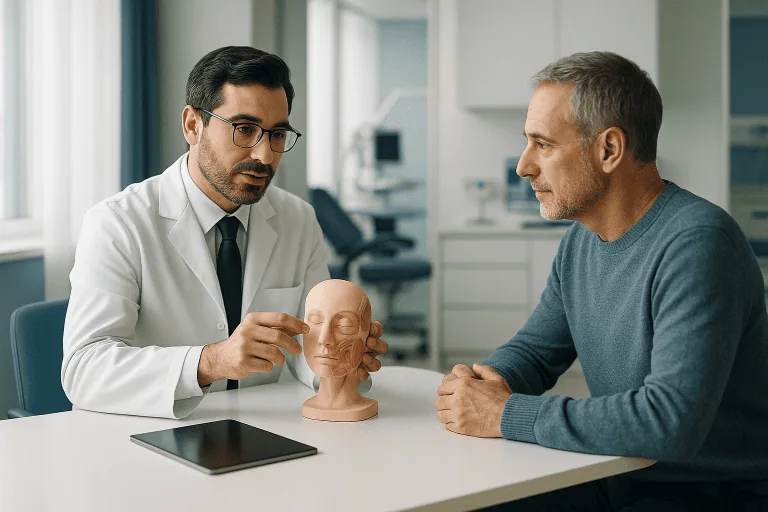
Revision Rhinoplasty
Revision rhinoplasty corrects aesthetic or functional problems after previous nose surgery. It reshapes nasal structures, improves breathing when needed, and requires individualized planning by experienced surgeons.

Quick answer
Revision rhinoplasty is corrective surgery on a nose that has already been operated on. It reshapes or rebuilds the nasal framework after a previous rhinoplasty to improve appearance, breathing or both. The operation often involves releasing scar tissue and grafting cartilage from the septum, ear or rib to restore support. Most surgeons advise waiting around a year after the first operation before revising.
Revision Rhinoplasty: When a Previous Nose Surgery Needs Correction
Revision rhinoplasty is corrective surgery performed on a nose that has already undergone at least one previous rhinoplasty. It reshapes or rebuilds the nasal framework to address appearance, breathing or both. It is intended for patients whose first result has settled but still looks unbalanced, has changed as it healed, or has left the airway narrower than it was before surgery.
Choosing revision rhinoplasty is often more emotional than choosing a first nose operation. You have already invested time, trust and a full recovery period in an earlier procedure, only to be left with a shape that does not feel balanced, breathing that has worsened, persistent asymmetry, visible irregularities or a result that simply does not suit your face. If you are reading this from abroad, the decision can feel more complex still: you may be weighing opinions from surgeons in different countries, wondering whether another operation is safe, and trying to work out what can realistically be improved. A growing number of patients research revision rhinoplasty in Turkey for exactly this reason: they want a second surgical opinion from a team that sees revision cases regularly.
Because the nose has already been operated on, revision rhinoplasty demands a different level of planning than a first procedure. Scar tissue, altered anatomy, reduced cartilage support and the changes made in the earlier operation can all make the surgery more complex. A careful evaluation is essential, not only to understand what bothers you aesthetically, but also to establish how the internal nasal airway is functioning. A sound surgical plan respects both goals: a nose that looks more harmonious and a nose that supports healthy breathing.
At Acibadem, revision rhinoplasty is approached through detailed assessment, individualised planning and experienced surgical judgement. For patients travelling from the United States, Europe, the Middle East and elsewhere, the process is structured to clarify what is possible before treatment begins, with coordinated support for medical records, imaging, consultation scheduling, language assistance and follow-up planning. This page explains what the operation involves, who it suits, how recovery unfolds and what to think about before travelling for it.
What Is Revision Rhinoplasty?
Revision rhinoplasty, also called secondary rhinoplasty, is surgery to correct or improve the outcome of a previous rhinoplasty. It may be performed for cosmetic reasons, functional reasons or a combination of both. Patients typically seek it because the first operation did not fully achieve the intended appearance, because healing changed the result over time, or because structural changes affected breathing.
The procedure may involve reshaping the nasal bones and cartilage, correcting asymmetry, rebuilding lost support, refining the nasal tip, smoothing irregularities along the bridge, adjusting nostril shape or treating internal airway obstruction. When breathing is affected, the operation may include functional techniques such as septal correction, nasal valve repair or turbinate management, depending on the diagnosis. In practice, most revision cases combine several of these steps in a single operation.
Revision surgery can be relatively limited or highly reconstructive. A small irregularity along the bridge may need only a targeted adjustment. A collapsed nasal tip or pinched middle vault may require cartilage grafting to restore structure. When there is not enough usable cartilage left in the septum, a common finding after a previous operation, cartilage may be taken from the ear or rib instead. The choice of graft material depends on what needs to be supported, your anatomy and the surgeon’s assessment during planning and during surgery itself.
Is a nose job revision the same as revision rhinoplasty?
Yes: a nose job revision, secondary rhinoplasty and revision rhinoplasty all describe the same operation: surgery to correct the result of an earlier nose surgery. The terms are used interchangeably by patients and clinics. What matters more than the label is whether the surgeon assessing you distinguishes clearly between problems that will still improve on their own, problems that can be treated without surgery, and problems that genuinely need structural correction.
How is revision rhinoplasty different from a first rhinoplasty?
Revision rhinoplasty differs from primary rhinoplasty because the surgeon is no longer working with untouched anatomy. Unlike a first operation, revision is not only about reshaping normal structures. It is about interpreting what was changed previously, identifying what has healed unpredictably, releasing scar tissue safely and rebuilding a stable framework where support has been lost. Dissection planes are scarred, cartilage may be depleted, the skin envelope may have contracted, and the blood supply has already been disturbed once. This is why a surgeon’s specific experience with revision cases matters so much. The objective is not to create a generic nose, but to improve nasal form and function in a way that is realistic, stable over time and appropriate for your facial features.
Who May Need Revision Rhinoplasty?
Patients consider revision rhinoplasty for many reasons. Some are troubled by visible concerns that remain after the first surgery. Others are more concerned about breathing. Many experience both. It is worth saying plainly: the need for revision is not always the result of poor surgical technique. Even a carefully performed rhinoplasty can heal differently than expected because of skin thickness, scar formation, cartilage memory, trauma, infection, the way swelling resolves or simple individual biology.
Common cosmetic concerns that bring patients to a revision consultation include a residual hump, an over-reduced bridge, a crooked nose, a drooping or over-rotated tip, a pinched nasal tip, nostril asymmetry, visible cartilage edges under the skin, a saddle-like depression, an overly narrow middle vault, or an appearance that looks operated rather than natural. Some patients also feel their nose no longer matches their face or their ethnic identity in the way they had hoped.
Functional symptoms deserve equal weight. Some patients notice that nasal breathing is worse after surgery, particularly during sleep, exercise or when lying down. Symptoms may include chronic congestion, one-sided obstruction, whistling, dryness, crusting, snoring or a new habit of mouth breathing. In some cases the obstruction relates to a deviated septum that was not fully corrected; in others, the nasal valves have weakened or narrowed after structural support was reduced in the first operation.
Diagnosis begins with a detailed discussion of your previous surgery, current symptoms, aesthetic concerns and medical history. Operative reports and preoperative photographs from the first surgery, where available, are genuinely useful. The surgeon examines the external nose, skin quality, scar tissue, tip support, nasal bones, nostrils and facial proportions, then evaluates the septum, turbinates, nasal valves and airway internally. In selected cases, nasal endoscopy or imaging clarifies the internal anatomy, especially when breathing problems are significant or the prior surgery was complex.
How long should you wait before having revision rhinoplasty?
Most patients are advised to wait until swelling has substantially resolved and the tissues have matured before undergoing revision surgery, often around one year after the previous rhinoplasty. Operating earlier risks correcting a problem that would have improved on its own, or missing the true problem because it is still hidden by swelling. Early consultation is still valuable, though. It allows a surgeon to assess how healing is progressing, identify functional problems that will not resolve with time, and help you understand whether continued observation or surgical correction is the more sensible path.
Problems Revision Rhinoplasty Can Address
Revision rhinoplasty can treat a wide range of aesthetic and functional problems after previous nasal surgery. The exact indications depend on your anatomy and goals, but they commonly fall into these categories:
- Persistent cosmetic concerns: a remaining dorsal hump, an irregular bridge contour, a bulbous or undefined tip, asymmetry, nostril imbalance or a result that looks incomplete.
- Overcorrection: a bridge lowered too far, a tip rotated too far upward, excessive narrowing, or a nose that now appears too small for the face.
- Structural weakness: removal of too much cartilage or inadequate support in the first operation, leading to tip collapse, middle vault narrowing, saddle nose deformity or progressive change over the years.
- Breathing obstruction: difficulty breathing caused by septal deviation, internal or external nasal valve collapse, turbinate enlargement, scarring or narrowing of the airway.
- Post-traumatic or post-surgical asymmetry: a nose that has drifted, bent or healed unevenly, particularly where there was trauma or marked deviation before the first procedure.
- Visible graft or cartilage irregularities: thin skin, scar contraction or displaced cartilage creating sharp edges, bumps or contour shadows.
- Ethnic or facial harmony concerns: restoring features that were over-altered, or refining the nose in a way that better respects natural facial identity: a consideration closely related to ethnic rhinoplasty principles.
Not every concern requires surgery. Minor swelling, subtle asymmetries and small contour changes may improve with time, and in carefully selected cases small depressions can be camouflaged non-surgically with filler-based techniques rather than another operation. When the issue is structural, obstructive or clearly stable after healing has finished, however, revision rhinoplasty is usually the more definitive treatment.
How Revision Rhinoplasty Is Performed
Preparation and Surgical Planning
Preparation begins with a detailed consultation. For international patients this often starts remotely, with a review of photographs, medical history and previous surgical details where available. Clear photographs from multiple angles, a description of breathing-related symptoms and any prior operative notes help the surgeon form an initial opinion. The final treatment plan is made only after in-person examination, because skin thickness, scar tissue, cartilage strength and internal airway findings must be assessed directly, no photograph replaces palpating the nasal framework.
During planning, the surgeon separates the priorities: what must be corrected for breathing, what can be improved aesthetically, and what limitations exist because of the prior surgery. This conversation should be candid. Revision rhinoplasty can often achieve meaningful improvement, but it works with tissue that has already been altered, and some changes cannot be fully undone. The plan may include cartilage grafting, septal reconstruction, bridge augmentation, tip support work, nostril correction or airway repair, and it should be explained to you in those concrete terms.
You may be asked to stop smoking and avoid all nicotine products before and after surgery, because nicotine impairs blood flow to healing tissue: a particular concern in a nose that has been operated on before. Certain medications and supplements that increase bleeding risk may need to be paused, always under the guidance of your treating doctor rather than on your own initiative. Preoperative testing depends on age, health status and anaesthesia requirements. If rib cartilage is likely to be used, the surgeon explains the additional donor-site incision on the chest and what it adds to recovery.
The Procedure Step by Step
Revision rhinoplasty is usually performed under general anaesthesia. Although every operation is individual, a typical sequence looks like this:
- Anaesthesia and access: once you are asleep, the surgeon makes the planned incisions, open or closed, as discussed before surgery.
- Release of scar tissue: the surgeon carefully separates scarred planes to expose the existing framework without damaging the blood supply or the skin envelope.
- Assessment of the framework: areas of weakness, asymmetry, over-resection or obstruction are identified and mapped against the preoperative plan.
- Functional correction: if the septum is deviated or unstable it is straightened or reconstructed; if the nasal valves are narrow or collapsing, grafts are placed to widen and support the airway.
- Structural rebuilding: an over-reduced bridge may be augmented with cartilage or other appropriate graft material; a weak or poorly defined tip is supported and refined with structural grafts and suture techniques.
- Closure and splinting: incisions are closed, an external splint is applied, and internal splints or soft packing may be used depending on the extent of septal and airway work.
The duration varies widely. A focused correction may take comparatively little time, while reconstruction involving grafting and airway repair often requires several hours. Afterwards you are monitored while the anaesthesia wears off, and depending on the extent of surgery and your medical circumstances you may be discharged the same day or after an overnight stay in hospital.
Modern planning and operating techniques support this work: high-resolution medical photography, structured airway evaluation, endoscopic assessment when indicated, imaging for selected complex cases, and fine instrumentation with careful tissue handling in theatre. The purpose of these tools is not precision for its own sake: it is to protect blood supply, preserve function and make healing more predictable in tissue that has already been through one operation.
Can revision rhinoplasty be closed?
Yes, revision rhinoplasty can be performed through a closed approach in suitable cases, with all incisions hidden inside the nostrils. Closed revision tends to suit more limited corrections: a small residual hump, a discrete irregularity, or minor refinements that do not require wide exposure of the framework. In complex revisions, however, most surgeons prefer the open approach, in which a small incision is placed across the columella, the strip of tissue between the nostrils, so the entire framework can be seen directly. That visibility matters when scar tissue has distorted the anatomy or when grafts must be positioned and fixed precisely. The right approach is a surgical judgement, not a preference to negotiate; the honest answer at consultation is sometimes that your particular problem cannot be corrected reliably through a closed approach. The two approaches also heal somewhat differently, which is explained in our guide to open vs closed rhinoplasty recovery.
Where does graft cartilage come from?
Cartilage grafting is common in revision rhinoplasty, and the donor site is chosen according to the reconstructive goal. Septal cartilage is usually preferred when enough remains, because it is straight, firm and harvested through the same operative field. Previous surgery often depletes it, though. Ear cartilage is naturally curved and softer, which makes it useful for certain tip and nostril corrections and for camouflage. Rib cartilage provides the strongest and most abundant material and is considered when substantial rebuilding is needed, for example after significant over-resection or collapse. Each source has genuine advantages and genuine limitations: ear cartilage holds curves, rib cartilage requires a separate small incision and carries its own healing considerations. Your surgeon should explain which material the plan calls for and why.
Recovery After Revision Rhinoplasty
Recovery is gradual, and it usually runs slower than after a first rhinoplasty because the tissues have been operated on before and scar tissue alters how swelling resolves. Swelling and bruising are expected in the first days, especially around the eyes and cheeks. Discomfort is usually manageable with the medication your surgeon prescribes, and many patients describe pressure and congestion more than sharp pain. Keeping the head elevated, using cold compresses as instructed and avoiding strenuous activity all help in the early phase.
The external splint is typically removed after about one week, although timing varies with the extent of surgery. Many patients feel able to return to desk-based work or to travel after the first postoperative review, provided the surgeon confirms healing is on track. Exercise, heavy lifting, contact sports and any situation that risks a knock to the nose are restricted for longer. Glasses may need special handling for a period so they do not press on the healing bridge: your surgeon will tell you what applies to your reconstruction.
The bridge usually refines earlier, while the nasal tip can stay swollen and firm for many months, particularly in thicker skin or after complex grafting. Final results are judged over time, often continuing to improve for a year or more as tissue softens and settles. Patience is genuinely part of the treatment, and scheduled follow-up helps distinguish normal healing from anything that needs attention.
| Time Period | What Patients Can Expect |
|---|---|
| Day 1 | Swelling, congestion and mild bleeding or drainage may occur. The nose is protected with a splint; rest with the head elevated is important. |
| First week | Bruising and swelling usually begin to improve. The surgeon typically removes the external splint and checks early healing before clearing travel or routine activities. |
| First month | Most visible bruising has resolved, but swelling remains. Light activity resumes gradually; strenuous exercise and pressure on the nose stay off-limits. |
| Three to six months | The bridge and upper nose usually look more refined. Tip swelling and firmness may persist, especially with thicker skin or complex grafting. |
| Longer term | The contour continues to evolve. Many patients see ongoing refinement for a year or more as tissues soften and settle. |
When can you fly home after revision rhinoplasty?
Most international patients are cleared to fly after the first postoperative review, once the surgeon has confirmed that early healing is stable, commonly around the time the external splint is removed, though the exact timing is an individual medical decision, not a fixed rule. Cabin pressure changes, dry air and long periods of sitting all deserve some planning. Our guide to flying after rhinoplasty or septoplasty explains what surgeons look for before clearing a flight and how to make the journey home more comfortable.
How Risky Is a Revision Rhinoplasty?
Revision rhinoplasty carries the general risks of any nasal surgery, bleeding, infection, anaesthesia-related risks, prolonged swelling, numbness and scarring, plus considerations specific to operating on tissue that has healed once already. Scar tissue makes dissection more delicate. The skin envelope may be less forgiving. Grafts can shift, warp or become visible over time. Breathing can improve, stay the same or, uncommonly, change in unexpected ways. And because healing biology cannot be fully controlled, a further procedure is sometimes needed even after a well-executed revision.
It is honest to say that revision rhinoplasty is generally considered more technically demanding than a first rhinoplasty. That does not make it unsafe in experienced hands; it makes case selection, planning and surgical experience more important. The risk profile of your particular operation depends on how many previous surgeries you have had, how much cartilage remains, the condition of your skin, whether rib grafting is needed and the extent of airway reconstruction. A responsible surgeon will walk through your specific risks at consultation rather than quoting generic reassurance, and will tell you plainly if the potential gain does not justify another operation.
One risk deserves separate mention: the risk of operating too soon or for the wrong reason. A nose that is still settling may not need surgery at all, and a visible irregularity may be a symptom of a deeper structural imbalance that a small touch-up would not fix. Thorough diagnosis before any decision is the single most effective protection against a disappointing second result.
Potential Benefits of Revision Rhinoplasty
The benefits depend on your starting anatomy and goals, but a well-planned revision often delivers both visible and functional improvement.
| Benefit | What It Means for You |
|---|---|
| Improved nasal balance | The nose may appear more proportionate with the forehead, lips, chin and overall facial features. |
| Correction of visible irregularities | Bridge bumps, asymmetry, contour shadows or tip concerns may be refined when they are structurally correctable. |
| Better breathing function | When obstruction is caused by septal deviation, valve collapse or structural narrowing, surgery may improve airflow. |
| Restored structural support | Cartilage grafting can rebuild areas weakened by previous surgery and may improve long-term stability. |
| More natural appearance | In selected cases, revision surgery can soften an over-operated look and help the nose fit the face more naturally. |
| Personalised correction | The plan is tailored to your prior surgery, anatomy, skin type, airway needs and aesthetic preferences. |
What Influences a Good Result?
Outcomes in revision rhinoplasty are shaped by several factors. Some relate to the surgeon’s technique and planning; others relate to your anatomy and healing biology. Understanding them builds realistic expectations and supports better decisions.
Skin thickness plays a major role. Thin skin reveals small irregularities more easily; thick skin can limit definition, especially in the tip. Neither is inherently a problem, but each demands a different surgical strategy.
Scar tissue makes dissection more delicate and can affect how the nose settles afterwards. Patients with multiple previous procedures usually have more scarring and less available cartilage, which increases the need for reconstructive planning.
Cartilage availability matters. If enough septal cartilage remains, it can be used for grafting. If not, ear or rib cartilage is considered. Strong, well-positioned grafts support both shape and breathing function for the long term.
Airway diagnosis is essential when breathing is a concern. A successful revision is not only one that photographs well. If the nasal valves, septum or turbinates contribute to obstruction, they should be evaluated and addressed within the same plan.
Facial proportions guide the aesthetic decisions. A nose that suits one face may not suit another. The surgeon weighs the chin, lips, forehead, cheek structure, nasal base and ethnic features when planning refinement.
Your expectations strongly affect satisfaction. Revision rhinoplasty can improve many problems, but it cannot always create perfection or erase every trace of prior surgery. The most responsible plans aim for meaningful improvement, structural stability and a result that suits you as an individual.
Postoperative care completes the picture. Avoiding trauma, respecting activity restrictions, attending follow-up visits, staying away from nicotine and allowing swelling the time it needs all contribute to the final outcome.
How do you choose the best revision rhinoplasty surgeon?
The best revision rhinoplasty surgeon for you is the one whose regular practice includes complex secondary cases, who examines you before proposing a plan, and who is willing to tell you what cannot be achieved. Useful questions to weigh: how often does the surgeon operate on previously operated noses, rather than primary cases? Do they assess breathing formally, not just appearance? Can they explain, in plain terms, where graft material would come from in your case and why? Do their before-and-after examples include cases that resemble your problem? And crucially, do they ever advise against surgery? A surgeon who sometimes recommends waiting, or recommends no operation at all, is demonstrating exactly the judgement a revision case needs. Credentials, hospital setting and the wider clinical team matter too, because revision rhinoplasty benefits from anaesthesia, otolaryngology and radiology support when cases are complex.
How Much Is a Revision Rhinoplasty?
There is no single price for revision rhinoplasty, because the operation itself has no single scope. A quote reflects what your individual reconstruction requires: the expected operating time, whether ear or rib cartilage must be harvested, the type of anaesthesia, whether an overnight hospital stay is planned, the seniority and caseload of the surgeon, preoperative tests and imaging, and whether functional airway work is included alongside the aesthetic correction. Two patients asking for “a revision” can need operations of entirely different magnitude, and their quotes will differ accordingly.
Does revision rhinoplasty cost more than a first rhinoplasty?
Often, yes, revision rhinoplasty is frequently quoted higher than primary rhinoplasty, and the reasons are structural rather than commercial. Revision cases usually take longer in theatre, demand more experienced surgical hands, involve grafting that primary cases may not need, and may require additional diagnostics such as endoscopy or imaging beforehand. A rib graft adds a second surgical site with its own operative time. Our guide to the cost of revision surgery in Turkey explains in detail why second operations are priced differently from first-time treatment.
How much is a revision rhinoplasty in Turkey?
An honest answer is that no figure quoted before individual assessment is reliable, in Turkey or anywhere else. What you can reasonably expect from a serious provider is an itemised, personalised quote issued after your case has been reviewed, one that states exactly what is included: surgeon and anaesthesia fees, hospital stay, preoperative tests, splints and dressings, postoperative reviews, and any support services for international patients. Be cautious of any fixed price offered from photographs alone for a revision case; the true scope of a secondary operation frequently only becomes clear on examination. If two quotes differ substantially, the difference usually lies in what each one includes, which is worth checking line by line before comparing headline numbers.
Revision Rhinoplasty in Turkey for International Patients
Patients travel to Turkey for revision rhinoplasty for a practical reason: it concentrates high-volume nasal surgery within full hospital settings, which suits a procedure where reconstruction and airway work may be needed alongside aesthetic refinement. Revision rhinoplasty is elective, but it is still surgery: a well-organised hospital environment, careful preoperative screening and coordinated postoperative care are part of responsible treatment, not extras.
At Acibadem, a typical care pathway for an international revision rhinoplasty patient runs like this:
- Remote pre-evaluation: photographs, medical history, symptoms and any operative notes from your first surgery are reviewed so the surgeon can form an initial opinion and flag what needs checking in person.
- Arrival and in-person consultation: physical examination, airway assessment, endoscopy where indicated, medical photography and any required tests, followed by a definitive plan and a candid discussion of what is and is not achievable.
- Surgery and monitoring: the operation under general anaesthesia, then recovery with same-day discharge or an overnight stay depending on the extent of the reconstruction.
- Early postoperative period in Turkey: you remain nearby for the first healing phase, usually until the external splint is removed and the surgeon reviews progress.
- Clearance and journey home: a final review before travel, with instructions for the flight and the weeks that follow.
- Long-distance follow-up: healing is monitored through photographs and communication with the care team, alongside access to local medical care at home for anything urgent.
International patient services coordinate appointments, translation, medical documentation and hospital logistics so that clinical time is spent on the case rather than the paperwork. Where a revision involves complex functional or reconstructive questions, care may draw on plastic surgery, otolaryngology, anaesthesia and radiology together, with collaborative clinical review so that decisions are not made in isolation. When planning your dates, allow enough margin for the pre-surgery assessment and the post-splint review, compressing the trip is the most common planning mistake. If you have received conflicting opinions about whether to reoperate at all, it is worth reading our guide on when to consider a second opinion before revision surgery in Turkey.
Why Timely Evaluation Matters
If you are unhappy after a previous rhinoplasty, wanting a quick solution is natural. But revision surgery should not be rushed. Swelling and scar tissue evolve over many months, and operating too soon can increase complexity or obscure the true problem. At the same time, delaying evaluation when breathing is impaired or structural collapse is progressing may allow symptoms to worsen and make the eventual reconstruction more involved.
Timely consultation establishes which situation you are in: still healing, suitable for non-surgical management, or facing a structural problem that will not improve without surgery. For patients with airway obstruction, early assessment carries particular weight. Chronic mouth breathing, disrupted sleep, limited exercise tolerance and recurrent congestion erode daily comfort and quality of life, and a weakened nasal framework can place progressive stress on the surrounding tissue over time.
Careful evaluation also protects you from a cycle of repeated minor procedures that never address the underlying cause. A visible irregularity may stem from deeper structural imbalance; a breathing complaint may involve the nasal valves rather than the septum alone. Understanding the root problem must come before any decision about treatment.
A Realistic Way to Think About the Decision
The most useful first step is a thorough expert evaluation, not a commitment to surgery. You may not need an operation at all, or you may benefit from waiting until healing is complete before anything is decided. In other situations, especially where breathing is affected or structural weakness is progressing, a carefully planned revision can deliver meaningful, lasting improvement.
A good consultation answers the questions that actually matter: What caused the current problem? Is it cosmetic, functional or both? Is enough cartilage available for correction, and if not, where would grafts come from? Which changes are realistic and which are not? How long will recovery genuinely take? What needs to be arranged before travelling for surgery? If the answers you receive from different surgeons conflict, that conflict is itself information, complex revision cases legitimately attract different plans, and understanding why opinions differ often clarifies which approach fits your priorities.
Revision rhinoplasty asks for patience, precision and trust in equal measure. With individualised planning, honest communication about limits and experienced surgical care, many patients are able to move past the disappointment of a previous result, towards a nose that functions better, holds its structure and finally feels consistent with their face.
Preparation
- Preparation includes a detailed facial and nasal examination, review of previous surgery records, and evaluation of breathing concerns. Patients may need photographs, nasal endoscopy, or imaging when functional problems are suspected. Blood thinners, smoking, and certain supplements are usually stopped before surgery as advised by the doctor.
Aftercare
- After surgery, a nasal splint or tapes may be used, and swelling and bruising are expected in the first days. Patients should keep the head elevated, avoid strenuous activity, and protect the nose from trauma. Follow-up visits are important to monitor healing and guide return to daily activities.
Frequently Asked Questions
What affects the cost of revision rhinoplasty?
The main factors are the complexity of the correction, the condition of the nasal cartilage and bone, scar tissue, breathing issues, graft requirements, surgeon experience, hospital setting, anaesthesia and aftercare. Travel and accommodation can also affect the total budget for international patients.
Why can revision rhinoplasty cost more than primary rhinoplasty?
Revision surgery often requires more detailed planning because the anatomy has already been changed. Scar tissue, missing cartilage, weakened support and functional breathing problems may make the operation more complex and may require grafting or combined procedures.
How can I get a personalised quote?
A personalised quote is prepared after a specialist reviews your medical history, previous surgery details, photographs, breathing symptoms and goals. A free consultation can help determine the likely surgical plan and what the treatment package includes.
What is usually included in an international patient package in Turkey?
Packages may include specialist consultation, preoperative assessment, surgery, anaesthesia, hospital care, routine postoperative checks, interpreter support and care coordination. Inclusions vary, so patients should request a written breakdown before making a decision.
Can breathing correction and cosmetic revision be done together?
In many cases, functional and aesthetic goals are planned together, especially when valve collapse, septal deviation or support loss is present. A rhinoplasty specialist decides suitability after examining the nose and assessing breathing function.
Medically reviewed by the Acıbadem International Medical Board September 14, 2026
See our medical review board →
Update history
- PublishedJune 8, 2026
- Medical review approvedSeptember 14, 2026
- Last content updateSeptember 14, 2026
References1
- Rhinoplasty (Nose Job) my.clevelandclinic.org
Planning tools for this treatment
Indicative figures for orientation only: your written plan and quote follow a free medical review.
Trusted care for international patients
Rhinoplasty cost in Turkeyledger-based guide ranges, or browse the full Turkey Medical Price Index.
From the Acibadem Blog

Which Noses Are Candidates for Revision Rhinoplasty? Breathing, Shape and What Is Assessed
A revision rhinoplasty candidate is usually someone whose nose has fully healed from a previous operation, typically around a year later, and who has…

Why Surgeons Wait a Year Before Revision Rhinoplasty: Swelling, Healing and the Right Timing
Most surgeons ask patients to wait roughly 12 months before revision rhinoplasty because that is how long the nose typically takes to finish healing.…

Cartilage Grafts in Revision Rhinoplasty: Why Rib or Ear Cartilage Is Sometimes Needed
Revision rhinoplasty often needs extra cartilage because the nasal septum, the usual source, was used or weakened during the first operation. Surgeons then borrow…
Doctors Performing This Treatment


Aesthetic Plastic & Reconstructive Surgery
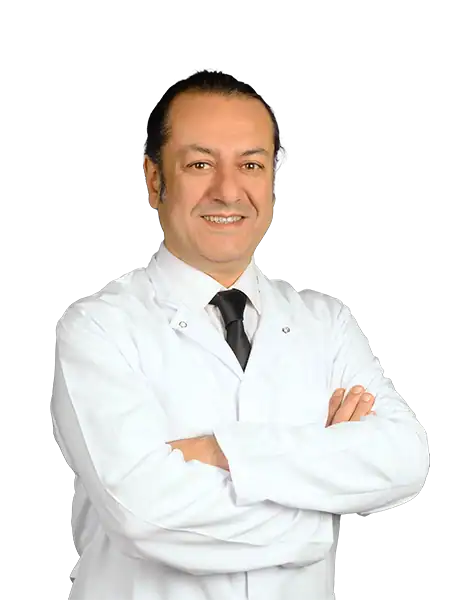
Prof. Mehmet Veli Karaaltın, MD

Aesthetic Plastic & Reconstructive Surgery
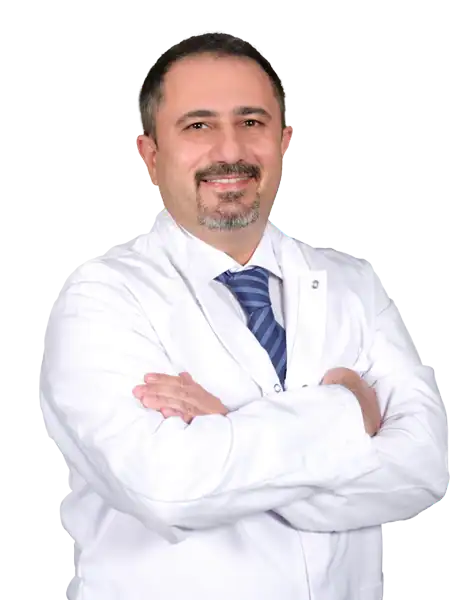
Assoc. Prof. Erdem Güven, MD

Aesthetic Plastic & Reconstructive Surgery
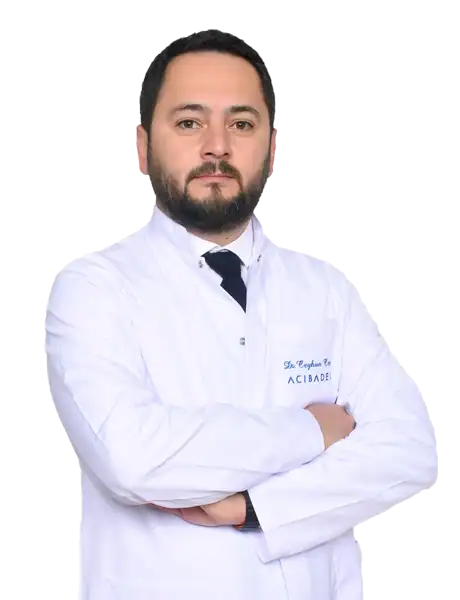
Assoc. Prof. Ahmet Küçükçelebi, MD
Aesthetic Plastic & Reconstructive Surgery
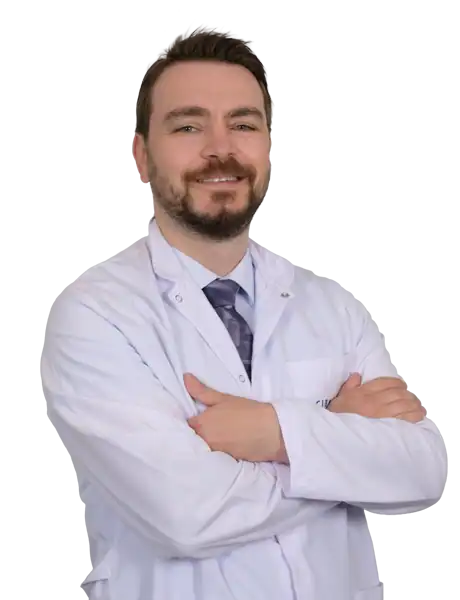
Assoc. Prof. Mehmet Altıparmak, MD

Aesthetic Plastic & Reconstructive Surgery