Blocked Arteries Without Chest Pain: When Bypass May Still Be Needed

Coronary artery disease can be present even when there is no chest pain. Shortness of breath, fatigue, reduced exercise tolerance, or no symptoms at all may be the main warning signs.
Key Takeaways
- Coronary artery disease can be present even when there is no chest pain.
- Shortness of breath, fatigue, reduced exercise tolerance, or no symptoms at all may be the main warning signs.
- Doctors may recommend bypass surgery based on artery anatomy, the amount of heart muscle at risk, and overall heart function.
- Tests such as stress testing, coronary CT angiography, and cardiac catheterization help guide treatment decisions.
- Treatment often includes lifestyle changes, medicines, and sometimes angioplasty or bypass surgery.
Blocked heart arteries do not always cause classic chest pain. In some people, reduced blood flow can be silent or cause subtle symptoms, and bypass surgery may still be recommended when the blockage pattern is severe or the heart muscle is at risk.
Overview
Blocked arteries in the heart are usually caused by coronary artery disease, a condition in which fatty deposits called plaque build up inside the coronary arteries. Many people associate this problem with pressure or pain in the chest, but not everyone has that symptom. Some people have only mild warning signs, and others have what doctors call silent ischemia, meaning the heart muscle is not getting enough blood flow without causing obvious chest discomfort.
This can happen for several reasons. The body does not always interpret reduced blood flow in the same way, and symptoms may be different in older adults, people with diabetes, and women. A person may notice breathlessness, unusual tiredness, slower recovery after activity, or less stamina rather than pain. In some cases, a blocked artery is discovered during testing for another reason.
Bypass surgery, also called coronary artery bypass grafting or CABG, may still be needed even when chest pain is absent. The decision is not based only on symptoms. It depends on how many arteries are narrowed, where the blockages are located, how much heart muscle is affected, and whether the heart’s pumping function is weakened. Severe disease can increase the risk of heart attack, heart failure, or dangerous rhythm problems, even in someone who feels relatively well.
Symptoms and Silent Warning Signs
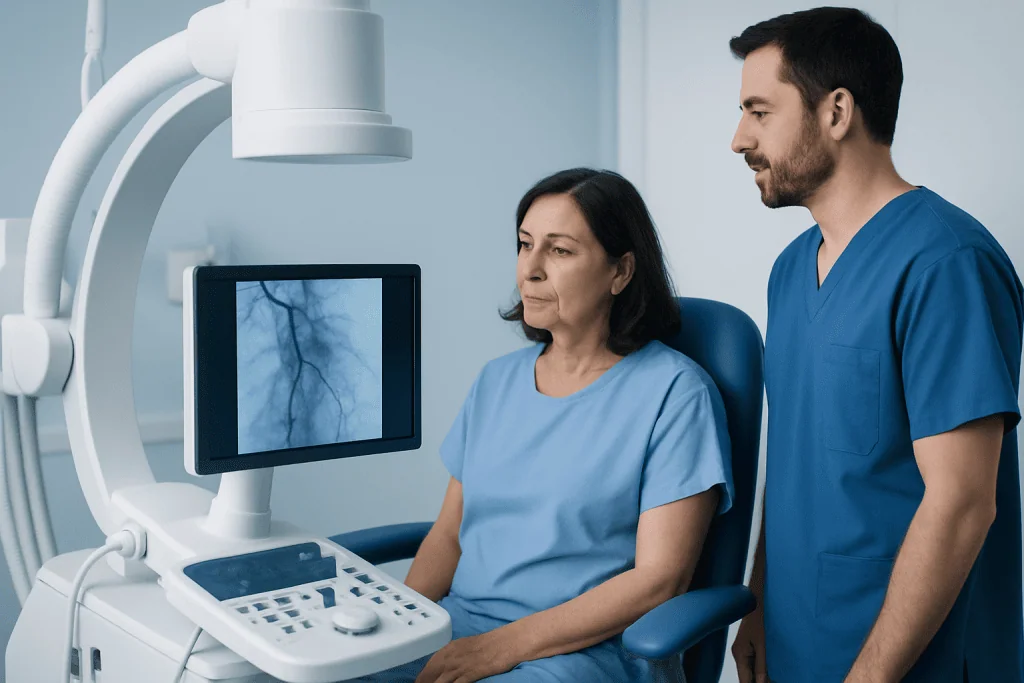
When blocked arteries do not cause chest pain, symptoms can be easy to overlook. A person may simply feel that normal activities have become harder than before. Climbing stairs, walking uphill, carrying groceries, or doing routine work may bring on unusual shortness of breath or fatigue. Some people notice a feeling of heaviness in the arms, upper back, jaw, or stomach rather than the center of the chest.
Other possible symptoms include reduced exercise tolerance, sweating with mild effort, nausea, lightheadedness, or an unexplained drop in energy. In people with diabetes, nerve changes can make classic chest pain less likely. Older adults may describe weakness, breathlessness, confusion, or poor endurance instead of pain. These less typical symptoms still deserve medical attention, especially when they are new or worsening.
Some people truly have no symptoms at all until a stress test, heart imaging study, or even a heart attack reveals the problem. This is why regular cardiovascular evaluation matters in people with important risk factors. Silent disease can still place part of the heart muscle under strain, and over time that may affect heart function or increase future risk.
- Shortness of breath during activity
- Unusual fatigue or poor stamina
- Discomfort in the jaw, back, shoulder, arm, or upper abdomen
- Dizziness, sweating, or nausea with exertion
- No symptoms despite significant coronary blockage
Causes and Risk Factors

The main cause of blocked heart arteries is atherosclerosis, the gradual buildup of plaque inside the artery wall. Plaque is made of cholesterol, inflammatory cells, calcium, and other substances. Over time, the artery narrows and delivers less blood to the heart muscle. If a plaque ruptures and forms a clot, the artery can suddenly become blocked, leading to a heart attack.
Several factors increase the chance of developing coronary artery disease. These include high blood pressure, high LDL cholesterol, smoking, diabetes, obesity, physical inactivity, chronic kidney disease, and a family history of early heart disease. Stress, poor sleep, and an eating pattern high in saturated fat, trans fat, and refined foods may also contribute. Age is another important factor, and risk tends to rise over time.
Some people are more likely to have few or unusual symptoms even with advanced disease. Diabetes can affect pain signaling, and older adults may have more subtle symptom patterns. Women may also experience less typical symptoms compared with men. In practical terms, this means the absence of chest pain does not rule out coronary artery disease when risk factors or exertional symptoms are present.
How Doctors Diagnose It
Diagnosis begins with a medical history, symptom review, physical examination, and assessment of risk factors. The doctor may ask whether symptoms appear with exertion, improve with rest, or have changed over time. Blood pressure, heart rhythm, cholesterol levels, blood sugar, and kidney function are often checked. An electrocardiogram may show signs of a previous heart injury or reduced blood flow, but it can also be normal.
If coronary disease is suspected, noninvasive testing may be used first. A stress test can help show whether the heart receives enough blood during activity or medication-induced stress. Imaging options may include stress echocardiography, nuclear perfusion imaging, or coronary CT angiography. These tests help estimate how much heart muscle may be at risk and whether there are high-risk patterns of blockage.
When detailed information about the coronary arteries is needed, cardiac catheterization with coronary angiography is often the key test. This procedure shows the location and severity of narrowing and helps doctors decide among medicines, coronary angiography-guided intervention, angioplasty and stent placement, or surgery. In some cases, additional measurements are used during catheterization to understand whether a narrowing is truly limiting blood flow.
Diagnosis also looks beyond the arteries themselves. Doctors assess the heart’s pumping strength, valve function, and whether there is evidence of previous damage. This broader picture matters because treatment decisions are based not only on the presence of blockages, but also on how those blockages affect the heart as a whole.
When Bypass May Still Be Needed
Bypass surgery may be recommended even without chest pain when the coronary anatomy suggests a high-risk situation. This can include severe narrowing of the left main coronary artery, significant disease in several major vessels, or blockages affecting areas that supply a large portion of the heart muscle. If blood flow is reduced in these important regions, surgery may offer better long-term protection and symptom control than medicines alone in selected patients.
Doctors also consider whether the heart’s pumping function is reduced, whether the person has diabetes, and whether the pattern of disease is too complex for stents to treat effectively. Bypass surgery creates new routes for blood to reach the heart muscle by using healthy blood vessels from the chest, arm, or leg. It does not remove plaque, but it improves blood delivery around the narrowed segments.
The choice between medication, stenting, and surgery is individualized. Some people do well with medicines and risk-factor control, especially when blockages are less extensive or do not cause major ischemia. Others benefit more from coronary bypass surgery because of the number, location, or complexity of their blockages. A heart team approach, often involving a cardiologist and heart surgeon, helps match treatment to the patient’s anatomy, symptoms, overall health, and goals.
Even when symptoms are minimal, the aim of treatment is not only to improve how a person feels. It may also be to lower the risk of future heart attack, preserve heart function, and improve blood flow to areas of the heart that are under stress. This is why a person who feels “fine” may still hear that bypass is the safest or most effective option.
Treatment Options Beyond Surgery
Not everyone with blocked arteries needs bypass surgery. Treatment often starts with guideline-based medical therapy and lifestyle measures. Medicines may be used to lower cholesterol, control blood pressure, reduce the heart’s workload, prevent clotting, and manage diabetes when present. These treatments can slow disease progression and lower the risk of heart attack or stroke.
For some patients, minimally invasive treatment through the artery may be appropriate. Angioplasty and stent placement can open selected narrowed arteries and improve blood flow without open-heart surgery. This option is often considered when there are one or two suitable blockages, when anatomy is favorable, or when urgent treatment is needed during an acute event. In more complex disease, however, bypass may provide more complete revascularization.
Cardiac rehabilitation, structured exercise, smoking cessation support, nutrition counseling, weight management, and stress reduction are also important parts of care. These steps help after any treatment path, including medicines, stents, or surgery. They can improve energy, confidence, and long-term heart health.
In specialized centers, a multidisciplinary team can review imaging, symptoms, and other health conditions before recommending a plan. Near the end of the care pathway, patients may also seek second opinions for reassurance. Acibadem International’s multidisciplinary specialists and JCI-accredited hospitals diagnose and treat complex coronary conditions for international patients when advanced evaluation or treatment is needed.
Prevention, Self-care, and When to Seek Medical Help
Heart-healthy habits remain essential whether or not symptoms are present. Not smoking is one of the most important steps. A balanced eating pattern rich in vegetables, fruits, whole grains, legumes, nuts, and lean protein can support cholesterol and blood pressure control. Regular physical activity, if approved by a doctor, supports circulation, blood sugar balance, and weight management.
People with high blood pressure, diabetes, or high cholesterol should follow treatment plans closely and attend regular checkups. Medicines work best when taken consistently. It also helps to know personal numbers such as blood pressure, blood sugar, and cholesterol levels. Good sleep, stress management, and limiting alcohol can support overall cardiovascular health.
Medical review is important if there is shortness of breath with activity, unusual fatigue, reduced stamina, or discomfort in the chest, jaw, back, arms, or upper abdomen. Urgent help is needed for severe or sudden symptoms such as chest pressure, fainting, marked breathlessness, symptoms lasting more than a few minutes, or signs of a possible heart attack. Even subtle symptoms should not be ignored when risk factors are present.
People who have already been told they have blocked arteries should ask their doctor how often follow-up is needed, what warning signs to watch for, and whether further testing is appropriate. Silent or low-symptom disease can still progress, so regular monitoring helps treatment stay timely and effective.
Frequently asked questions
Can someone have serious blocked arteries without chest pain?
Yes. Some people have silent ischemia or atypical symptoms, meaning reduced blood flow to the heart occurs without classic chest pain. Shortness of breath, fatigue, poor exercise tolerance, or no symptoms at all can still be linked to significant coronary artery disease.
Why would bypass be recommended if there is no pain?
The decision is based on more than symptoms alone. Doctors consider the number and location of blockages, how much heart muscle is at risk, whether the left main artery is involved, and how well the heart pumps. In some patterns of disease, bypass may offer better blood flow and long-term protection.
What is the difference between a stent and bypass surgery?
A stent is placed through a catheter to open a narrowed artery from the inside. Bypass surgery uses a healthy blood vessel to create a new path around the blockage. The best option depends on how complex the blockages are, overall health, and the amount of heart muscle affected.
Who is more likely to have silent or atypical heart symptoms?
Older adults, people with diabetes, and women may be more likely to have less typical symptoms. Instead of chest pain, they may notice breathlessness, fatigue, weakness, nausea, or reduced stamina. This is why risk assessment and testing are important when symptoms are subtle.
How are blocked arteries found if there are no obvious symptoms?
Doctors may detect them through stress testing, coronary CT angiography, echocardiography, or cardiac catheterization. Sometimes an abnormal ECG, reduced heart function, or a routine evaluation for risk factors leads to further testing. The goal is to identify whether blood flow is limited and how severe the blockages are.
Can lifestyle changes help even if bypass or a stent is needed?
Yes. Lifestyle measures remain important before and after any procedure. Not smoking, improving diet, staying physically active as advised, controlling blood pressure and diabetes, and taking prescribed medicines can all support long-term heart health and reduce future risk.
References
- American Heart Association
- European Society of Cardiology
- National Heart, Lung, and Blood Institute
- Centers for Disease Control and Prevention
- Mayo Clinic
This article is for general information only and is not a substitute for professional medical advice. Please consult a qualified doctor about your individual situation.
Heart care in Turkey — expert evaluation and treatment
JCI-accredited · board-certified surgeons · reply within 24h
Add us as a Preferred Source to see more of our trusted health content across Google Search, AI Overviews and Discover.
Check your numbers in seconds
BMI, calories, due date, blood pressure and 30+ more clinical calculators — free, instant, doctor-reviewed ranges.