

Blood Pressure 110/66: Is It Normal? What This Reading Means for Your Health

110/66 blood pressure is generally classified as normal for most adults. A normal reading is reassuring when there are no symptoms such as dizziness, weakness, or fainting.
Key Takeaways
- 110/66 blood pressure is generally classified as normal for most adults.
- A normal reading is reassuring when there are no symptoms such as dizziness, weakness, or fainting.
- Blood pressure should be interpreted in context, including age, activity level, pregnancy, medications, and overall health.
- Repeated readings taken correctly are more useful than a single measurement.
- Medical advice is important if blood pressure is consistently low and causes symptoms or if readings change suddenly.
A 110/66 blood pressure reading is usually within the normal range for adults and is often a healthy result, especially when the person feels well. Its meaning can vary slightly by age, health conditions, medications, and whether symptoms such as dizziness or fainting are present.
Overview: Is 110/66 blood pressure normal?
Yes. A blood pressure reading of 110/66 mmHg is generally considered normal for most adults. The top number, called systolic pressure, reflects the pressure in the arteries when the heart beats. The bottom number, called diastolic pressure, reflects the pressure between beats when the heart relaxes.
For many people, 110/66 blood pressure is a healthy reading that suggests the heart and blood vessels are working within a normal range. On its own, this reading does not usually signal a problem. It becomes more meaningful when considered alongside symptoms, medical history, medications, hydration status, and repeated measurements over time.
Some people naturally run lower blood pressure and feel completely well. Others may notice symptoms if their blood pressure drops lower than their usual baseline. That is why blood pressure is not judged by numbers alone. A reading that is normal for one person may need more attention in another if it is accompanied by dizziness, fainting, or unusual fatigue.
How 110/66 fits into blood pressure classifications
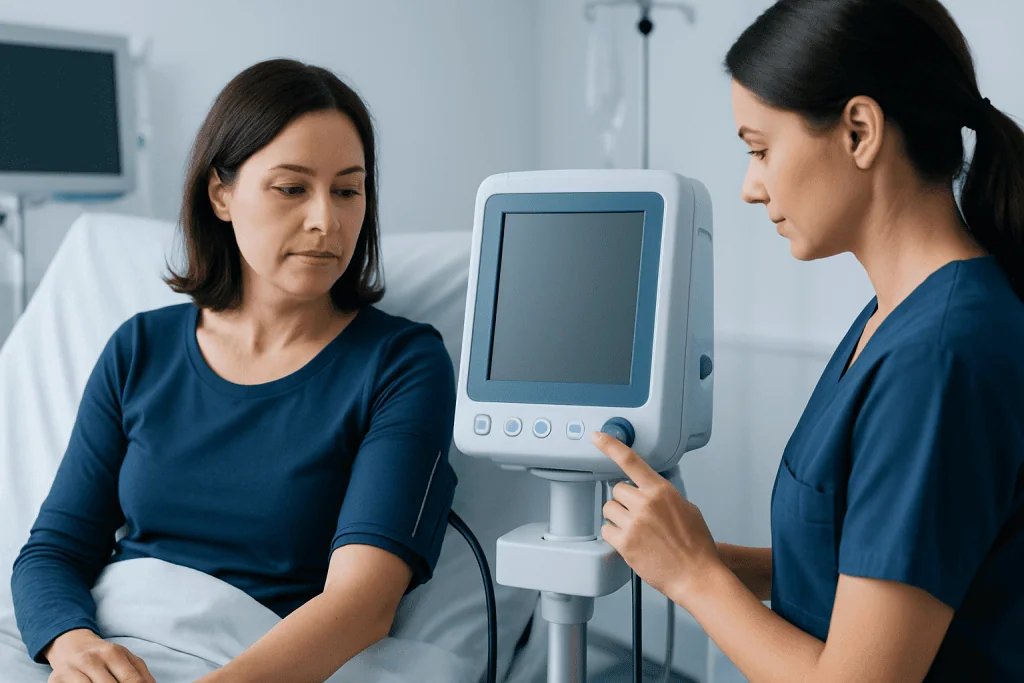
In commonly used adult blood pressure categories, 110/66 falls in the normal range. This means the systolic number is below 120 and the diastolic number is below 80. It is not considered high blood pressure, and it is not automatically considered too low if the person feels well.
The table below shows standard adult blood pressure categories often used in clinical practice.
- Normal: less than 120 systolic and less than 80 diastolic
- Elevated: 120 to 129 systolic and less than 80 diastolic
- High blood pressure, stage 1: 130 to 139 systolic or 80 to 89 diastolic
- High blood pressure, stage 2: 140 or higher systolic or 90 or higher diastolic
- Hypertensive crisis: higher than 180 systolic and/or higher than 120 diastolic, requiring urgent medical evaluation
Low blood pressure does not have one single cutoff that applies to everyone. In many settings, readings below 90/60 are often described as low, but symptoms and the person’s usual pattern matter. A reading of 110/66 is well above that level and is usually reassuring.
People who are being evaluated for high blood pressure may see 110/66 as a favorable reading, especially if lifestyle changes or treatment have brought previously high numbers into a healthier range. Even so, medication plans should only be changed under medical guidance.
What 110/66 may mean by age group and life stage
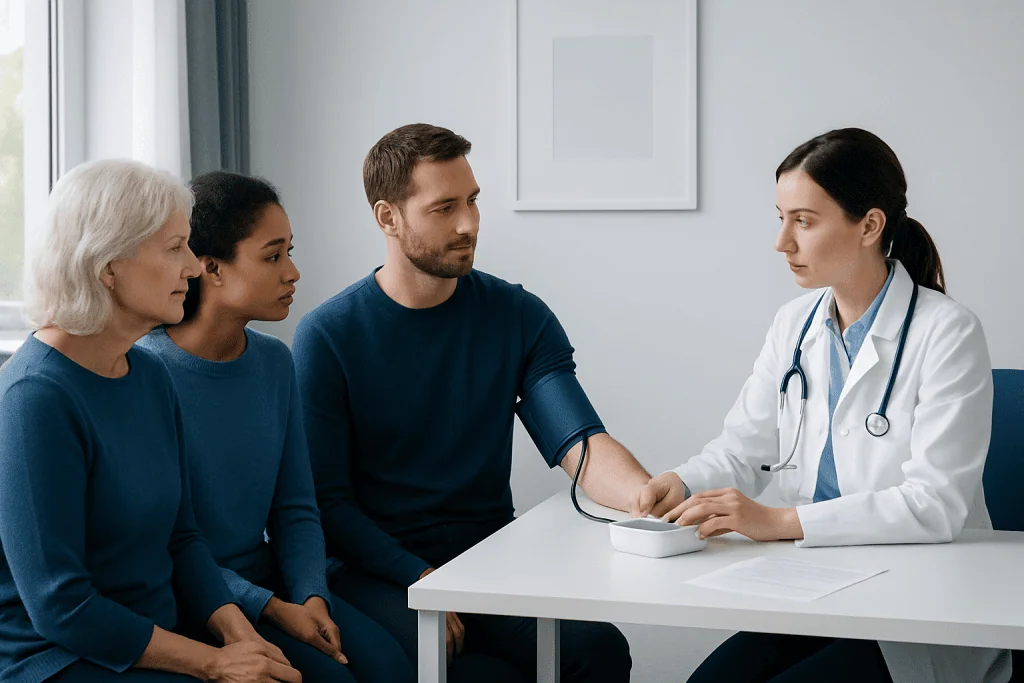
In healthy younger adults, including many physically active people, 110/66 blood pressure is often a sign of efficient cardiovascular function. Athletes and people with good cardiorespiratory fitness may regularly have blood pressure readings in this range without any problems.
In middle-aged adults, 110/66 is also commonly a healthy result. It may be especially encouraging for people monitoring cardiovascular risk factors such as excess weight, diabetes, smoking, or a family history of heart disease. The reading should still be interpreted together with cholesterol levels, blood sugar, kidney health, and other risk markers.
In older adults, 110/66 may still be normal, but context becomes more important. Some older people are more sensitive to drops in blood pressure, especially when standing up quickly, after meals, during illness, or while taking several medications. If this reading is associated with unsteadiness or falls, a clinician may check for orthostatic hypotension and review the treatment plan.
During pregnancy, blood pressure can change throughout the trimesters. A reading of 110/66 may be normal for many pregnant people, but any concerns should be discussed with an obstetric clinician because pregnancy has its own blood pressure considerations. In children and teenagers, blood pressure is interpreted differently using age, height, and sex-based percentiles, so adult categories do not apply in the same way.
When a 110/66 reading can be a concern
Although 110/66 blood pressure is usually normal, there are situations where a reading in this range may deserve attention. The main issue is not the number itself, but whether it represents a change from the person’s usual level or is accompanied by symptoms. Warning signs can include dizziness, fainting, blurred vision, unusual weakness, nausea, confusion, chest discomfort, or shortness of breath.
A temporary lower reading can happen after dehydration, prolonged standing, heat exposure, a large meal, alcohol intake, or intense exercise. It can also occur with some medications, including drugs used to treat blood pressure, heart conditions, depression, or Parkinsonian symptoms. If symptoms are recurring, a clinician may assess volume status, review medications, and check for anemia, endocrine problems, or heart rhythm issues.
Sudden changes matter more than stable patterns. For example, a person whose usual blood pressure is much higher may feel lightheaded at 110/66 if the drop is rapid. In contrast, someone whose blood pressure is consistently around this level and feels well usually does not need treatment for the reading itself. If there are concerns about blood flow to the heart or irregular rhythms, testing may involve an electrocardiogram, ambulatory monitoring, or a review by specialists in cardiology care.
People with known cardiovascular conditions, diabetes, kidney disease, or repeated fainting episodes should not rely on a single home reading to judge their health. Ongoing monitoring and professional interpretation are the safest approach.
How to measure blood pressure accurately
Blood pressure readings are only useful if they are measured correctly. A single number can be influenced by stress, talking, movement, recent caffeine, nicotine, exercise, a full bladder, or even using the wrong cuff size. For that reason, clinicians often advise taking two or more readings and looking at trends over several days.
Helpful measurement steps include sitting quietly for at least five minutes, placing both feet flat on the floor, supporting the arm at heart level, and avoiding talking during the reading. It is best to avoid smoking, caffeine, and exercise for about 30 minutes beforehand. The cuff should fit properly around the upper arm, and the same validated monitor should be used consistently whenever possible.
Home monitoring can give a clearer picture than an isolated clinic reading, especially for people who feel anxious in medical settings. Keeping a simple log of the date, time, reading, symptoms, and any relevant factors such as missed meals or dehydration can help a doctor interpret the results more accurately. If blood pressure concerns are ongoing, a clinician may also recommend a medical check-up to review overall cardiovascular health.
Lifestyle guidance for healthy blood pressure
For someone with 110/66 blood pressure and no symptoms, the goal is usually not to raise the number but to maintain overall cardiovascular health. General habits that support healthy blood pressure include regular physical activity, balanced meals, adequate hydration, good sleep, stress management, and not smoking. These measures also help reduce the long-term risk of heart and vascular disease.
It is helpful to eat a pattern rich in vegetables, fruits, legumes, whole grains, and lean protein while limiting excess salt, heavily processed foods, and trans fats. People who tend to feel lightheaded may also benefit from regular meals, enough fluids, and standing up gradually, especially in hot weather or after long periods of sitting. Any changes in salt intake should be discussed with a clinician if there is heart failure, kidney disease, or another condition that affects fluid balance.
If a person is already being treated for blood pressure or another heart condition, medicines should not be adjusted based on one favorable reading alone. Doctors may evaluate the bigger picture, including home readings, symptoms, and possible treatment effects. In some cases, broader support from cardiovascular rehabilitation or lifestyle counseling may be useful after a cardiac event or when rebuilding healthy habits.
People concerned about overall heart risk may also wish to learn about related conditions such as arrhythmia, especially if a normal blood pressure reading exists alongside palpitations, dizziness, or episodes of fainting.
When to seek medical care
Medical advice is appropriate if 110/66 blood pressure comes with symptoms such as repeated dizziness, fainting, confusion, chest pain, shortness of breath, severe weakness, or a new irregular heartbeat. These symptoms deserve evaluation even when the blood pressure number looks normal on paper. They may point to dehydration, infection, medication effects, rhythm disturbances, or another underlying issue.
It is also sensible to speak with a doctor if blood pressure readings are changing noticeably from a person’s usual pattern, if falls are occurring, or if there is pregnancy, heart disease, kidney disease, or diabetes. For urgent symptoms such as collapse, severe chest pain, stroke-like symptoms, or trouble breathing, emergency care is needed rather than home monitoring.
Near the end of the care pathway, some people benefit from specialist assessment to understand why symptoms are happening despite readings that appear acceptable. Acibadem International’s multidisciplinary specialists in JCI-accredited hospitals diagnose and treat heart and vascular conditions for international patients when further evaluation is needed.
Frequently asked questions
Is 110/66 blood pressure too low?
Usually no. For most adults, 110/66 is within the normal blood pressure range, especially if there are no symptoms. It may need attention only if it is linked to dizziness, fainting, or a sudden drop from a person’s usual level.
Is 110/66 blood pressure good for adults?
In many cases, yes. This reading is generally considered healthy because it falls below 120/80 without being in a range that is typically considered low. Overall cardiovascular health still depends on other factors such as smoking, cholesterol, blood sugar, exercise, and family history.
Can 110/66 blood pressure cause dizziness?
The number itself does not usually cause dizziness. However, some people may feel dizzy if their pressure has dropped quickly, if they are dehydrated, ill, overheated, or affected by medications. If dizziness keeps happening, a medical review is important.
What should a person do after seeing a 110/66 reading?
If the person feels well, there is usually no need for immediate action. It is reasonable to continue healthy habits and monitor blood pressure over time rather than focusing on one reading. If symptoms are present, the reading should be discussed with a doctor.
Does age change whether 110/66 blood pressure is normal?
Age can change how the reading is interpreted, but 110/66 is often normal across adulthood. In older adults, doctors pay closer attention to symptoms, standing blood pressure changes, falls, and medication effects. In children, blood pressure is assessed differently using age-based and size-based percentiles.
How often should blood pressure be checked if the reading is 110/66?
That depends on the person’s health history and risk factors. Someone who is healthy and symptom-free may only need routine checks during regular medical visits, while a person with hypertension, heart disease, pregnancy, or medication changes may need more frequent home or clinic monitoring. A doctor can recommend the most appropriate schedule.
References
- American Heart Association
- National Heart, Lung, and Blood Institute
- Centers for Disease Control and Prevention
- European Society of Cardiology
- World Health Organization
This article is for general information only and is not a substitute for professional medical advice. Please consult a qualified doctor about your individual situation.
Explore treatments in Turkey — costs, top hospitals & a free quote
JCI-accredited · board-certified surgeons · reply within 24h
Add us as a Preferred Source to see more of our trusted health content across Google Search, AI Overviews and Discover.
Check your numbers in seconds
BMI, calories, due date, blood pressure and 30+ more clinical calculators — free, instant, doctor-reviewed ranges.

More from the Health Library



Related Specialists

Prof. Dr. Koray Güven
Interventional Radiology
Assoc. Prof. Dr. Dilek Hacer Çeşme
Radiology
Prof. Dr. Enis Özyar
Radiation Oncology
Prof. Dr. Nail Suat Ünver
Internal Medicine