Blood Pressure Specialist: An Evidence-Based Patient Guide

Primary care clinicians manage many cases of high blood pressure, often with lifestyle guidance and medication. A cardiologist, nephrologist, or endocrinologist may be needed for resistant, severe, early-onset, or secondary hypertension.
Key Takeaways
- Primary care clinicians manage many cases of high blood pressure, often with lifestyle guidance and medication.
- A cardiologist, nephrologist, or endocrinologist may be needed for resistant, severe, early-onset, or secondary hypertension.
- Accurate home blood pressure monitoring is an important part of diagnosis and follow-up.
- There is no reliable seven-second method or single traditional remedy that safely treats high blood pressure.
- Persistent readings of 180/120 mmHg or higher need urgent assessment, especially with concerning symptoms.
A blood pressure specialist helps confirm whether hypertension is present, identify possible causes, and create a safe, individualized plan to lower cardiovascular and kidney risks. Most people begin with a primary care clinician; cardiologists, kidney specialists, endocrinologists, and hypertension clinics may be involved when blood pressure is difficult to control or an underlying condition is suspected.
Overview: what does a blood pressure specialist do?
A blood pressure specialist is a clinician with experience in diagnosing and managing hypertension, also called high blood pressure. The right starting point is usually a primary care doctor, who can check whether readings are consistently elevated, review health risks and medications, and begin treatment when appropriate. If blood pressure is complex or remains above the agreed target, the doctor may refer the person to a cardiologist, nephrologist, endocrinologist, or a dedicated hypertension service.
Hypertension often causes no noticeable symptoms, yet over time it can damage blood vessels and increase the risk of heart disease, stroke, kidney disease, and eye problems. Care focuses not only on one reading in a clinic but on a person’s overall pattern of blood pressure, medical history, kidney and heart health, and modifiable risk factors.
A specialist consultation is not a procedure in the surgical sense. It is a structured assessment that can include repeat measurements, home or ambulatory monitoring, laboratory tests, and targeted imaging when indicated. The goal is to find a sustainable, evidence-based plan that fits the person’s needs and is monitored over time.
What is the best specialist to see for high blood pressure?
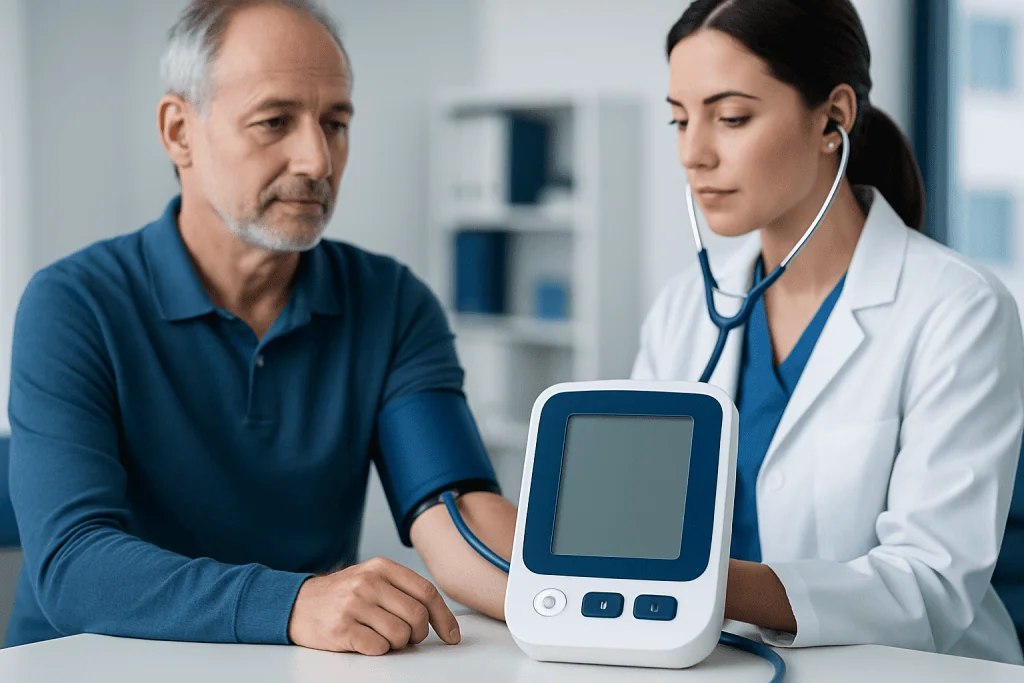
For most adults, a primary care clinician or family physician is the best first specialist to see for high blood pressure. These clinicians regularly diagnose hypertension, check for common contributing factors, prescribe and adjust medicines, and coordinate preventive care. Many people achieve good control with this level of care and regular follow-up.
A cardiologist may be especially helpful when high blood pressure occurs alongside coronary artery disease, heart failure, heart rhythm concerns, prior stroke-related cardiovascular risk, or difficult-to-control readings. A nephrologist specializes in kidney-related causes and consequences of hypertension, particularly when kidney function is reduced, urine tests are abnormal, or several medicines have not achieved control. An endocrinologist may assess suspected hormone-related causes, such as adrenal or thyroid disorders.
Referral is commonly considered when hypertension begins at a young age, is suddenly much worse, remains uncontrolled despite an appropriate multi-medicine plan, causes complications, or is accompanied by signs suggesting a secondary cause. A multidisciplinary approach can also be useful because sleep disorders, kidney disease, diabetes, vascular conditions, and medication effects may all influence blood pressure.
How blood pressure assessment works

Assessment begins by confirming that high readings are real and persistent. Blood pressure can temporarily rise because of stress, pain, caffeine, nicotine, exercise, a full bladder, or an incorrectly sized cuff. In clinic, the person should generally sit quietly for several minutes, with the arm supported at heart level, before measurements are taken. More than one reading is often needed.
Home monitoring can provide valuable information because it shows blood pressure during ordinary daily life. Some people are advised to use 24-hour ambulatory monitoring, which records readings automatically during the day and night. This may help identify white-coat hypertension, where clinic readings are higher than usual, or masked hypertension, where clinic measurements appear normal but readings outside the clinic are elevated.
The clinician will also review personal and family history, sleep, diet, alcohol intake, physical activity, smoking, stress, and current medicines or supplements. Certain products can raise blood pressure, including some anti-inflammatory pain medicines, decongestants, stimulants, hormonal treatments, corticosteroids, and some herbal preparations. Tests may include blood and urine studies to assess kidney function, blood sugar, cholesterol, electrolytes, and other factors relevant to treatment.
- Home readings and the type of monitor used
- Medical conditions, pregnancy status when relevant, and family history
- Prescription, non-prescription, and herbal products
- Symptoms that could suggest heart, kidney, hormonal, or sleep-related conditions
Candidacy, step-by-step care, and follow-up timeline
Anyone with repeated elevated readings, a high reading found during a routine visit, or known hypertension that is not at goal may benefit from a blood pressure review. People with diabetes, kidney disease, cardiovascular disease, sleep apnea, pregnancy-related high blood pressure, or a strong family history may need earlier or closer assessment. The clinician will determine whether management can begin in primary care or whether specialist input is appropriate.
A typical visit starts with a discussion of readings, symptoms, medical history, and medications, followed by correct blood pressure measurement and a physical examination. The clinician may arrange blood and urine tests, an electrocardiogram, home monitoring, or ambulatory monitoring. When a secondary cause is suspected, further testing is selected based on the individual situation rather than performed routinely for everyone.
Management is then built step by step. It may include dietary changes, physical activity, weight management where appropriate, sleep assessment, reduction of alcohol, smoking cessation support, and medication. Follow-up is often scheduled within weeks after starting or changing treatment, then at intervals based on stability and overall risk. There is no universal recovery timeline because hypertension is usually a long-term condition, but many people see meaningful improvement in readings after consistent lifestyle changes and appropriately adjusted treatment.
Benefits, limitations, and possible treatment risks
The main benefit of effective blood pressure care is reducing the long-term risk of stroke, heart attack, heart failure, kidney damage, and other vascular complications. A specialist-led evaluation can be particularly helpful for separating temporary elevation from sustained hypertension, selecting medicines safely, and identifying less common but treatable causes.
Lifestyle measures are foundational, but they may not be sufficient on their own for everyone. When medication is recommended, the choice depends on blood pressure level, age, kidney function, other medical conditions, pregnancy considerations, and potential interactions. Common medicine-related effects can include dizziness, fatigue, ankle swelling, changes in electrolyte levels, cough with some drug types, or changes in kidney blood tests. The treating clinician can adjust the plan if side effects occur.
Very rapid or unsupervised lowering of blood pressure can cause light-headedness, falls, or reduced blood flow to vital organs in some people. Medicines should not be stopped, doubled, or shared without medical advice. Regular monitoring helps balance the benefits of lowering blood pressure against possible unwanted effects.
What are the new blood pressure guidelines for 2026?
There is no single worldwide set of “new blood pressure guidelines for 2026.” Recommendations differ somewhat by country and professional organization, and they are updated at different times. A clinician should use the guideline most appropriate to the person’s location, age, pregnancy status, health conditions, and measurement setting.
Major guidelines broadly agree on several principles: confirm elevated readings with repeated properly performed measurements, encourage validated home or ambulatory monitoring where available, address lifestyle factors for everyone, and use medication when overall cardiovascular risk and blood pressure level indicate it. Many guidelines classify clinic readings at or above 140/90 mmHg as hypertension, while some United States guidance uses 130/80 mmHg as the threshold for hypertension classification.
Target blood pressure is individualized. For many treated adults, clinicians aim for a level below 130/80 mmHg when it can be reached safely, but the appropriate target may differ for older adults, people prone to falls, those with certain kidney or vascular conditions, and pregnant individuals. Rather than following online claims about a new threshold, patients should review their home readings and treatment goals with a qualified clinician.
What is the 7 second trick to lower blood pressure?
There is no proven seven-second trick that safely treats high blood pressure. Slow breathing, pausing during stress, or relaxing the body may briefly reduce a stress-related rise in blood pressure, but these techniques do not replace medical assessment, prescribed treatment, or long-term lifestyle measures.
A useful immediate step before repeating a reading is to sit quietly, keep both feet on the floor, support the arm, avoid talking, and breathe normally for several minutes. This improves measurement accuracy and may lower a temporary stress-related reading. It should not be used to dismiss repeated high readings.
Longer-term approaches with evidence include reducing excess dietary sodium, eating a balanced diet rich in vegetables, fruits, legumes, and whole grains, staying physically active as medically appropriate, limiting alcohol, avoiding tobacco, improving sleep, and taking prescribed medicine consistently. These changes work over time and are most effective when personalized with a healthcare professional.
What do the Chinese use to lower blood pressure?
In China, hypertension is commonly managed with the same evidence-based approaches used internationally: regular blood pressure monitoring, dietary changes, physical activity, weight management when appropriate, and prescribed antihypertensive medicines. Traditional Chinese medicine practices, including herbal products, acupuncture, tai chi, or qigong, may also be used by some individuals as complementary approaches.
Gentle movement practices such as tai chi can support physical activity, balance, and stress management, and may be a helpful addition to a wider care plan. However, they should not replace proven treatment for sustained hypertension. Evidence for many herbal preparations is limited or variable, and product contents and safety can differ.
Some traditional remedies may interact with blood pressure medicines, affect kidney or liver function, or contain ingredients that raise blood pressure. Patients should tell their clinician about all teas, supplements, powders, and traditional medicines they use. This allows the care team to consider interactions and create a safer plan.
When to seek medical care
Medical advice should be arranged for repeated home or clinic readings that are above the person’s recommended range, even if there are no symptoms. A prompt appointment is particularly important if readings remain high despite treatment, if medicines cause troublesome side effects, or if high blood pressure develops during pregnancy.
A reading of 180/120 mmHg or higher should be repeated after resting quietly for a few minutes. If it remains this high, urgent medical advice is needed. Emergency care is needed if a very high reading occurs with chest pain, shortness of breath, severe headache, confusion, weakness or numbness, difficulty speaking, vision changes, fainting, or other sudden concerning symptoms.
For international patients, Acibadem International’s multidisciplinary specialists and JCI-accredited hospitals can assess and treat hypertension and related cardiovascular, kidney, and endocrine concerns. Ongoing care should always be coordinated with a qualified doctor who can interpret measurements in the context of the individual’s health.
Frequently asked questions
Can a primary care doctor treat high blood pressure?
Yes. Primary care clinicians manage many cases of high blood pressure, including diagnosis, lifestyle counseling, medication prescribing, and routine monitoring. Referral may be appropriate when blood pressure is difficult to control, complications are present, or a secondary cause is suspected.
When should someone see a cardiologist for high blood pressure?
A cardiologist may be helpful when high blood pressure is linked with heart disease, heart failure, abnormal heart rhythms, or a high cardiovascular risk profile. They may also be involved when blood pressure remains uncontrolled despite treatment or when there are concerns about heart-related complications.
What is resistant hypertension?
Resistant hypertension generally means blood pressure remains above target despite appropriate use of several blood pressure medicines, often including a diuretic, or requires multiple medicines to stay controlled. A clinician should check measurement technique, medication adherence, lifestyle factors, interfering medicines, and possible underlying causes.
Should blood pressure be checked at home?
Home monitoring is often useful because it provides readings outside the clinical setting and helps assess response to treatment. A validated upper-arm monitor and correct technique are important, and the readings should be shared with a healthcare professional rather than interpreted in isolation.
Can stress cause high blood pressure?
Stress can cause temporary increases in blood pressure and may contribute to habits that affect long-term cardiovascular health, such as poor sleep, smoking, reduced activity, or excess alcohol use. Persistent hypertension still needs proper assessment because it can have multiple causes.
Can high blood pressure be cured?
Some cases improve substantially with weight management, dietary changes, activity, treatment of sleep apnea, or correction of an underlying medical cause. However, many people need ongoing lifestyle measures and sometimes long-term medication to keep blood pressure in a safer range.
References
- World Health Organization
- American Heart Association
- European Society of Cardiology
- National Institute for Health and Care Excellence
- Centers for Disease Control and Prevention
This article is for general information only and is not a substitute for professional medical advice. Please consult a qualified doctor about your individual situation.
Heart care in Turkey — expert evaluation and treatment
JCI-accredited · board-certified surgeons · reply within 24h
Add us as a Preferred Source to see more of our trusted health content across Google Search, AI Overviews and Discover.
Check your numbers in seconds
BMI, calories, due date, blood pressure and 30+ more clinical calculators — free, instant, doctor-reviewed ranges.