

Bone and Joint Pain in Children: When Growing Pains Are Not the Cause
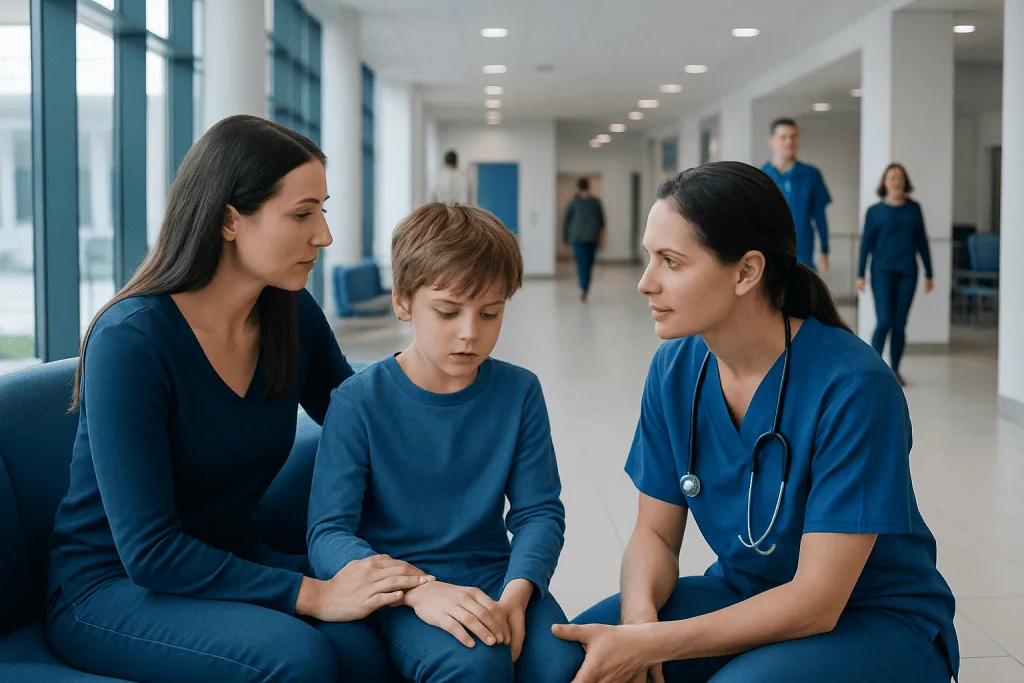
Growing pains usually affect both legs, happen later in the day or at night, and do not cause swelling or limping. Bone and joint pain in children can also result from injury, overuse, infection, inflammation, vitamin deficiency, or less commonly, more serious disease.
Key Takeaways
- Growing pains usually affect both legs, happen later in the day or at night, and do not cause swelling or limping.
- Bone and joint pain in children can also result from injury, overuse, infection, inflammation, vitamin deficiency, or less commonly, more serious disease.
- Warning signs include persistent pain, one-sided pain, joint swelling, morning stiffness, limp, fever, weight loss, or nighttime pain that regularly wakes a child.
- Diagnosis may include a physical exam, blood tests, and imaging depending on the child’s symptoms and age.
- Treatment depends on the cause and may range from rest and supportive care to medicines, physical therapy, or specialist treatment.
Bone and joint pain in children is common, and many cases are linked to temporary, non-serious causes. Still, pain that is persistent, localized, severe, or accompanied by swelling, limping, fever, or fatigue may need medical evaluation to rule out an underlying condition.
Overview: understanding bone and joint pain in children
Bone and joint pain in children is a common reason families seek medical advice. In many cases, the cause is minor, such as muscle fatigue after active play, a mild strain, or the pattern often called growing pains. These discomforts are usually temporary and improve with rest, time, and simple supportive care.
However, not all pain in a child’s bones or joints should be assumed to be growing pains. The term “growing pains” can be misleading because the pain is not clearly caused by growth itself. True growing pains typically affect both legs, especially the thighs, calves, or behind the knees, often appear in the evening or at night, and do not lead to swelling, redness, fever, weakness, or difficulty walking.
When pain is ongoing, focused in one area, severe, or associated with other symptoms, it may point to another explanation. A child may have an injury, inflammation, infection, a structural problem, or another medical condition that deserves proper assessment.
Parents and caregivers do not need to panic, but they should pay attention to the pattern of symptoms. A careful medical evaluation can help distinguish harmless aches from conditions that need treatment and can support a child’s comfort, mobility, and healthy development.
Symptoms that suggest it may not be growing pains
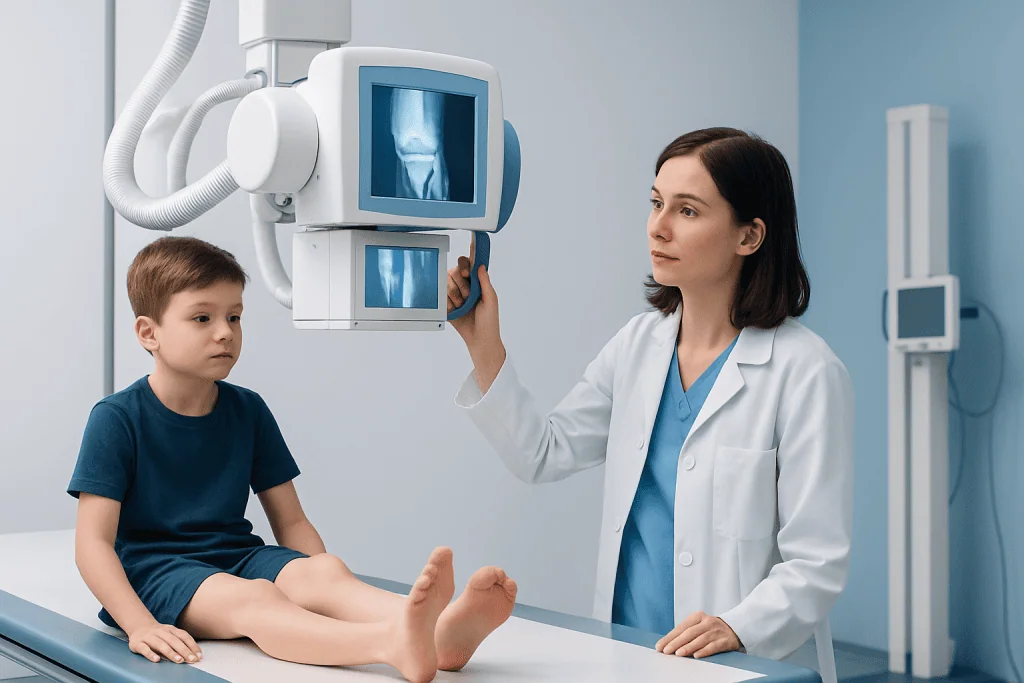
Growing pains usually come and go and often affect both legs rather than one specific bone or joint. Children are typically well during the day, remain active, and have a normal physical exam. If the pain behaves differently, it may be worth looking more closely.
Features that can suggest another cause include pain in a single joint or a single bone, pain that happens most mornings, or pain that steadily worsens over time. Swelling, warmth, redness, restricted movement, or a visible limp are especially important because these are not typical of growing pains.
Other warning signs include fever, tiredness, loss of appetite, weight loss, easy bruising, or pain that wakes a child frequently from sleep. A child who stops using an arm or leg, avoids sports they usually enjoy, or seems less playful because of pain should also be evaluated.
Parents may find it helpful to note:
- Where the pain occurs
- Whether it affects one side or both
- What time of day it happens
- How long it lasts
- Whether there is swelling, stiffness, or limping
- Any recent illness, fall, or increase in activity
This information can help the doctor decide whether the pattern is consistent with growing pains or another condition.
Possible causes and risk factors
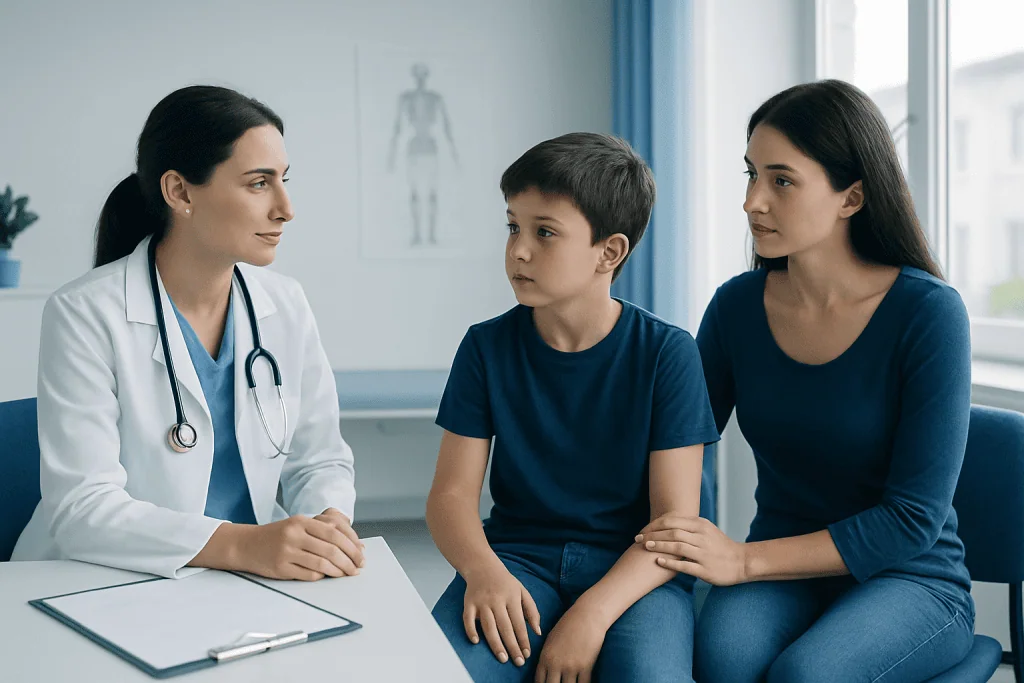
Bone and joint pain in children has many possible causes. The most common include minor injury, overuse from sports or repetitive activity, poor footwear, temporary muscle strain, and benign nighttime leg pains often labeled growing pains. Children who are very active may develop soreness around the knees, heels, or shins from repetitive stress.
Inflammatory conditions can also cause pain. These may include juvenile idiopathic arthritis and inflammation where tendons attach to bone. In these situations, pain may come with morning stiffness, joint swelling, reduced movement, or symptoms that last for weeks. Some children may also have pain related to hypermobility, where joints move beyond the usual range and become sore after activity.
Infections are another important cause. A viral illness can sometimes lead to short-term joint pain, while bacterial infection in a joint or bone is more urgent and may cause fever, severe pain, swelling, and refusal to bear weight. Nutritional issues, including low vitamin D, may contribute to bone discomfort in some children, especially when accompanied by poor dietary intake or limited sunlight exposure.
Less commonly, bone or joint pain may be linked to structural or orthopedic problems, including posture or gait issues, flat feet, scoliosis, or conditions affecting the hip. Rarely, persistent bone pain can signal a blood disorder or cancer-related condition. Although these serious causes are uncommon, they are one reason persistent or unexplained pain should not be dismissed.
How doctors diagnose the cause
Diagnosis begins with a detailed history and physical examination. The doctor will ask where the pain is located, when it occurs, how long it has been present, and whether there are symptoms such as fever, stiffness, limp, swelling, rash, or recent infection. Family history may also matter, especially for inflammatory or autoimmune conditions.
During the examination, the doctor will assess the child’s gait, posture, joint range of motion, muscle strength, and areas of tenderness. Sometimes what seems like knee pain actually comes from the hip, so the exam usually looks beyond the exact spot where the child points. This is one reason a full musculoskeletal assessment is important.
If the pattern appears typical for growing pains and the exam is normal, no tests may be needed. If there are red flags, the doctor may order blood tests to look for inflammation, infection, anemia, or other abnormalities. Imaging such as X-rays, ultrasound, or MRI may be used when injury, bone disease, joint inflammation, or another structural problem is suspected.
Some children may need assessment by a pediatric orthopedist, rheumatologist, infectious disease specialist, or hematology-oncology team depending on the findings. The goal is not to over-test every child, but to identify those who need further evaluation and treat the underlying cause appropriately.
Treatment options for bone and joint pain in children
Treatment depends entirely on the cause. For simple muscle strain, overuse, or typical growing pains, supportive care is often enough. This may include rest, gentle stretching, massage, warm compresses, hydration, and age-appropriate pain relief recommended by a doctor. Reassurance is also important, as many children feel better when families understand that the symptoms are being monitored carefully.
If pain is related to sports overuse or alignment issues, activity modification may help for a period of time. Children may benefit from physical therapy to improve strength, flexibility, balance, and movement patterns. In some situations, especially when pain affects walking or joint function, an orthopedic evaluation can guide whether orthopedic care or physical therapy and rehabilitation would be useful.
When inflammation is present, treatment may involve anti-inflammatory medicines and follow-up with a pediatric specialist. If infection is suspected, urgent treatment is needed and may include antibiotics and hospital care. Structural problems such as hip disorders, limb alignment issues, or persistent spine-related concerns may require imaging and sometimes pediatric orthopedic treatment.
If tests suggest a broader medical cause, treatment focuses on that condition rather than the pain alone. In children with persistent, unexplained pain or signs of systemic illness, doctors may investigate concerns such as juvenile inflammatory arthritis or other less common disorders. Near the end of the care pathway, families seeking international care may also consider centers such as Acibadem International, where multidisciplinary specialists in JCI-accredited hospitals evaluate and treat children with bone and joint complaints.
Prevention and self-care at home
Not every cause of bone and joint pain can be prevented, but healthy routines can reduce strain and support musculoskeletal health. Children benefit from regular physical activity that is balanced with rest, good sleep, proper warm-up before sports, and gradual increases in training rather than sudden intense activity.
Supportive footwear can help children who spend long hours walking, running, or playing sports. A balanced diet that includes adequate calcium, protein, and vitamin D supports bone health. Families who are concerned about diet, restricted eating, or possible vitamin deficiency should discuss this with a doctor before giving supplements.
At home, parents can encourage children to speak openly about pain instead of pushing through it. Short periods of rest, gentle stretching, warm baths, and observation of symptoms can be helpful for mild aches. Keeping a simple symptom diary may reveal whether the pain is linked to activity, illness, or time of day.
It is best to avoid repeated use of pain medicines without medical guidance, especially if symptoms continue. Ongoing pain should not simply be labeled as growing pains when the pattern changes, becomes more frequent, or interferes with school, sleep, or play.
When to see a doctor
Medical advice is recommended if bone or joint pain lasts more than a few days, keeps coming back, or affects a child’s usual activities. A child should also be seen if the pain is clearly in one spot, if there is swelling or stiffness, or if walking, running, or using a limb becomes difficult.
Urgent evaluation is important if pain is accompanied by fever, redness, significant swelling, severe tenderness, refusal to bear weight, or sudden limitation of movement. These features can suggest infection or a significant injury and should not be observed at home for long.
Parents should also arrange assessment if there are broader symptoms such as unusual tiredness, weight loss, bruising, pale skin, or persistent nighttime pain. These signs do not always indicate a serious illness, but they do justify a prompt medical review.
In general, growing pains should be a diagnosis that fits a typical pattern rather than a label used for all childhood aches. If there is any uncertainty, a qualified doctor can examine the child, decide whether tests are needed, and provide guidance that is both safe and reassuring.
Frequently asked questions
How can parents tell the difference between growing pains and something more serious?
Growing pains usually affect both legs, often in the evening or at night, and do not cause swelling, limping, fever, or stiffness. Pain that is persistent, one-sided, associated with swelling, or affects a child’s ability to walk should be assessed by a doctor.
Is nighttime leg pain always caused by growing pains?
No. Although growing pains often happen at night, nighttime pain can also occur with overuse, inflammation, or other medical conditions. If the pain is frequent, severe, localized, or paired with other symptoms, medical advice is a good idea.
What conditions can cause joint pain in a child?
Joint pain in children may be caused by injury, overuse, viral illness, inflammation such as juvenile idiopathic arthritis, infection, or less commonly other systemic disease. The pattern of symptoms, exam findings, and sometimes tests help doctors identify the cause.
Should a child with bone pain stop sports completely?
Not always. Mild pain from overuse may improve with a temporary reduction in activity, rest, and better stretching or training habits. However, a child with persistent pain, limping, or pain that worsens during activity should be evaluated before returning to sports fully.
When are tests needed for bone and joint pain in children?
Tests are not always necessary when the symptoms and examination are clearly typical of growing pains. Blood tests or imaging may be needed if there is swelling, fever, limp, persistent pain, morning stiffness, or concern for injury, infection, or inflammation.
Can vitamin deficiency cause bone pain in children?
Yes. Low vitamin D and other nutritional problems can contribute to bone discomfort in some children. A doctor can decide whether diet, sun exposure, or testing for deficiency should be considered.
References
- American Academy of Pediatrics
- American Academy of Orthopaedic Surgeons
- National Institute of Arthritis and Musculoskeletal and Skin Diseases
- NHS
- Centers for Disease Control and Prevention
This article is for general information only and is not a substitute for professional medical advice. Please consult a qualified doctor about your individual situation.
Joint and spine care in Turkey — expert assessment & treatment
JCI-accredited · board-certified surgeons · reply within 24h
Add us as a Preferred Source to see more of our trusted health content across Google Search, AI Overviews and Discover.

More from the Health Library



Related Specialists

Prof. Dr. M. Nadir Şener
Orthopedic Surgery & Traumatology
Prof. Dr. Yasemin Şenyürek
General Surgery
Prof. Dr. Ali Tekin
Urology
Dr. Hande Aygün
Infectious Diseases & Clinical Microbiology