

Bone Health After Bariatric Surgery: Calcium, Vitamin D, and Fracture Risk

Bariatric surgery can increase bone turnover and may reduce bone mineral density, especially after procedures that affect nutrient absorption. Calcium, vitamin D, adequate protein, and a bariatric-specific multivitamin are central to long-term bone protection.
Key Takeaways
- Bariatric surgery can increase bone turnover and may reduce bone mineral density, especially after procedures that affect nutrient absorption.
- Calcium, vitamin D, adequate protein, and a bariatric-specific multivitamin are central to long-term bone protection.
- Regular blood tests and, for some patients, bone density scans help detect problems before fractures occur.
- Weight-bearing and resistance exercise support bone and muscle strength after medical clearance.
- Patients should not stop supplements when they feel well; bone health requires lifelong follow-up after surgery.
Bone health after bariatric surgery needs planned, lifelong attention because rapid weight loss and changes in nutrient absorption can affect calcium, vitamin D, bone density, and fracture risk. With regular follow-up, appropriate supplements, protein intake, exercise, and timely testing, most patients can protect their bones while benefiting from weight loss.
Overview
Bone health after bariatric surgery is an important part of long-term recovery and wellness. Procedures used to treat severe obesity can improve many health conditions, but they also change how the body handles nutrition, hormones, body weight, and mechanical loading on the skeleton. These changes can affect calcium balance, vitamin D status, bone remodeling, and, in some people, fracture risk.
The risk is not the same for every person. It depends on age, sex, menopausal status, baseline vitamin D level, previous fractures, kidney health, medications, smoking, physical activity, and the type of bariatric procedure. Operations that reduce absorption, such as gastric bypass, generally require especially careful lifelong monitoring, but patients after restrictive procedures also need structured supplementation and follow-up.
Bone loss after surgery is usually silent. A person may feel well while vitamin D remains low or while parathyroid hormone rises to maintain blood calcium by drawing calcium from bone. This is why bariatric aftercare includes more than weight checks; it also includes nutrition review, laboratory testing, and sometimes bone mineral density assessment.
Why Bariatric Surgery Can Affect Bones

Bones are living tissue. They constantly renew through a balance of bone breakdown and bone formation. After bariatric surgery, several factors can temporarily or persistently shift this balance toward higher bone turnover. Rapid weight loss reduces the load carried by the skeleton, which can lower some of the mechanical signals that help maintain bone strength.
Nutrition also changes. Smaller meal portions, food intolerance, nausea, or reduced appetite may make it harder to get enough protein, calcium, vitamin D, and other micronutrients. Some operations bypass parts of the stomach and small intestine where calcium and fat-soluble vitamins are absorbed. Lower stomach acid can also make certain forms of calcium less readily absorbed.
Hormonal changes after weight loss surgery may influence bones as well. Levels of gut hormones, insulin, sex hormones, and adipose-derived hormones can change. In some patients, low vitamin D or insufficient calcium intake leads to secondary hyperparathyroidism, a state in which parathyroid hormone rises to keep blood calcium normal. Over time, this can contribute to bone mineral loss if not corrected.
Calcium and Vitamin D After Bariatric Surgery
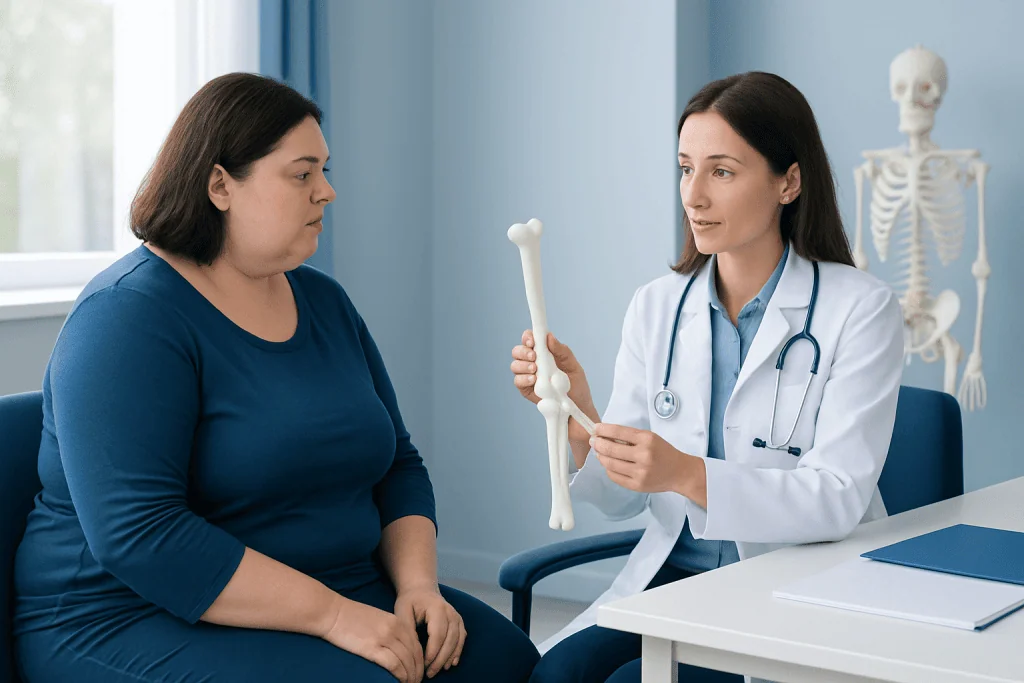
Calcium and vitamin D work together. Calcium provides a mineral building block for bone, while vitamin D helps the intestine absorb calcium and supports normal mineral balance. After bariatric surgery, diet alone is often not enough to meet needs, so patients are usually advised to take bariatric-specific supplements for life. The exact type and amount should be personalized by the bariatric team based on the procedure, blood tests, diet, age, and other medical conditions.
Calcium citrate is commonly recommended after bariatric surgery because it can be absorbed with less stomach acid than calcium carbonate. Calcium is often divided across the day because the body absorbs smaller amounts more efficiently at one time. It should also be timed carefully around iron supplements or certain medications, as they can interfere with each other. Patients should ask their clinician or dietitian how to schedule supplements safely.
Vitamin D requirements vary widely. Some patients enter surgery with low vitamin D because vitamin D can be stored in body fat and may be less available in the bloodstream. Others develop low levels later because of reduced intake or absorption. Follow-up blood tests guide whether routine supplementation is enough or whether a medically supervised correction plan is needed.
- Patients should not rely only on a standard over-the-counter multivitamin unless their bariatric team confirms it is appropriate.
- Supplements should be taken consistently, even when weight loss is successful and symptoms are absent.
- High-dose vitamin D or calcium should be used only under medical guidance, especially in people with kidney disease, kidney stones, or abnormal calcium levels.
Fracture Risk and Bone Density Changes
Research shows that bariatric surgery can be associated with decreases in bone mineral density and changes in bone microarchitecture, particularly at the hip and other weight-bearing sites. Fracture risk may rise over time in some groups, especially after procedures with a malabsorptive component. However, this does not mean fractures are inevitable. The goal is to identify individual risk and manage it early.
Several mechanisms may contribute to fracture risk. Lower bone density is one factor, but falls, loss of muscle mass, balance changes, low protein intake, and reduced strength can also matter. This is why bone protection after surgery includes both nutrition and physical conditioning. Muscle supports the skeleton and helps prevent falls.
People at higher risk include postmenopausal women, older adults, men with low testosterone, patients with a history of fragility fracture, people who smoke or drink heavily, and those using medications that weaken bone, such as long-term corticosteroids. Patients who have had bariatric surgery should tell all their healthcare providers about the operation, because it can affect decisions about supplements, laboratory testing, and osteoporosis treatment.
Diagnosis and Monitoring
Monitoring begins before surgery when possible. A baseline nutritional assessment can identify low vitamin D, inadequate calcium intake, anemia, low protein intake, or other deficiencies that should be addressed. After surgery, follow-up is scheduled at regular intervals during the rapid weight-loss phase and then lifelong. The exact schedule depends on local guidelines, the type of procedure, and the patient’s clinical situation.
Blood tests often include calcium, albumin, vitamin D, parathyroid hormone, phosphorus, magnesium, kidney function, and sometimes markers of bone turnover. Because blood calcium may remain normal even when the body is drawing calcium from bone, doctors interpret calcium together with vitamin D and parathyroid hormone rather than relying on one result alone.
A bone density scan, often called a DXA scan, may be recommended for patients with risk factors, older age, prior fracture, postmenopausal status, or concerning laboratory findings. In some cases, doctors may also evaluate fall risk, muscle strength, thyroid function, sex hormone status, or other conditions that affect bone. The aim is prevention: to detect bone loss early and adjust nutrition, exercise, and treatment plans before a fracture occurs.
Treatment Options and Long-Term Bone Protection
The foundation of treatment is a structured bariatric follow-up plan. This usually includes a bariatric multivitamin, calcium, vitamin D, adequate protein, hydration, and regular laboratory review. If deficiency is found, the healthcare team may recommend a correction plan and repeat testing. Persistent abnormalities should not be ignored, even if the patient has no bone pain.
Nutrition is central. Protein helps maintain muscle mass, supports healing, and contributes to overall skeletal health. Patients may need guidance on tolerable protein foods after procedures such as sleeve gastrectomy or bypass. Dietitians can help plan meals that fit the smaller stomach capacity while still meeting protein and micronutrient goals.
Exercise is also treatment. After medical clearance, patients are usually encouraged to build gradually toward weight-bearing activity, balance work, and resistance training. Walking is helpful, but strength exercises are particularly important for muscle and bone. The safest plan is progressive and individualized, especially for patients with joint pain, neuropathy, dizziness, or previous fractures.
Some patients meet criteria for osteoporosis medication. These decisions require careful specialist assessment because bariatric surgery can influence medication choice, absorption, gastrointestinal tolerance, and calcium balance. Doctors generally correct vitamin D and calcium problems before starting osteoporosis medicines. Coordination between bariatric surgeons, endocrinologists, dietitians, primary care doctors, and orthopedists can provide a safer long-term plan.
Prevention and Self-Care
Prevention starts with consistency. Bone health is not protected by a short course of supplements immediately after surgery; it requires lifelong habits. Patients should keep follow-up appointments, bring all supplement bottles to visits, and report missed doses honestly. This helps clinicians adjust the plan without judgment and avoid preventable deficiencies.
Daily routines can make adherence easier. Patients may use a pill organizer, phone reminders, or a written schedule that separates calcium from iron and other interacting medications. Meals should include protein first, followed by vegetables, fruits, and other nutrient-rich foods as advised by the bariatric dietitian. Excess alcohol and smoking should be avoided because both can harm bone and increase fall or fracture risk.
- Choose supplements approved by the bariatric team rather than switching brands frequently without advice.
- Ask whether calcium citrate is preferred and how to time it with iron, thyroid medicine, or acid-reducing medication.
- Include safe sunlight exposure when appropriate, but do not rely on sunlight alone to correct deficiency.
- Build strength gradually; sudden intense exercise after inactivity may increase injury risk.
- Maintain fall prevention habits, including good footwear, vision care, and home safety measures.
When to See a Doctor
Patients should contact a doctor if they develop bone pain, repeated muscle cramps, unusual weakness, frequent falls, height loss, new back pain, or any fracture after a minor fall. These symptoms do not always mean a serious bone problem, but they deserve assessment. Early evaluation can identify vitamin deficiencies, osteoporosis, balance problems, or other treatable causes.
Medical review is also important if a patient cannot tolerate supplements, has persistent vomiting, avoids dairy and other calcium-rich foods, becomes pregnant after bariatric surgery, starts long-term steroid therapy, or develops kidney stones. People who had surgery years ago and stopped follow-up should not feel discouraged; restarting care can still improve nutritional and bone health.
Acibadem International’s multidisciplinary specialists and JCI-accredited hospitals diagnose and treat patients after weight-loss procedures, including international patients who need coordinated bariatric, nutrition, endocrinology, and orthopedic care. Patients considering gastric laparoscopic surgery or any weight-loss procedure should discuss bone health before surgery and plan long-term follow-up from the beginning.
Frequently asked questions
Does everyone lose bone density after bariatric surgery?
Not everyone develops clinically significant bone loss, but many patients experience increased bone turnover during rapid weight loss. The amount of change varies by procedure type, baseline nutrition, age, hormones, activity level, and supplement adherence. Regular follow-up helps identify who needs closer monitoring or treatment.
Why are calcium and vitamin D so important after weight loss surgery?
Calcium is a key mineral in bone, and vitamin D helps the body absorb and use calcium properly. After bariatric surgery, smaller food intake and altered absorption can make deficiency more likely. When calcium or vitamin D is low, the body may maintain blood calcium by taking mineral from bone.
Can a normal blood calcium result mean bones are healthy?
Not always. Blood calcium can stay normal even when the body is compensating by increasing parathyroid hormone and pulling calcium from bone. Doctors usually interpret calcium together with vitamin D, parathyroid hormone, kidney function, and sometimes bone density results.
Is a regular multivitamin enough after bariatric surgery?
A standard multivitamin is often not enough for bariatric patients because nutrient needs and absorption patterns change after surgery. Many people need bariatric-specific supplements plus separate calcium and vitamin D. The exact plan should come from the bariatric team or a qualified dietitian.
When should a bone density scan be done after bariatric surgery?
The timing depends on individual risk factors such as age, menopause, previous fracture, low vitamin D, high parathyroid hormone, or long-term medication use that affects bone. Some patients need a baseline scan before or soon after surgery, while others are monitored with labs first. A doctor can decide the most appropriate schedule.
What exercise is best for bone health after bariatric surgery?
After medical clearance, a combination of weight-bearing activity, resistance training, and balance exercises is usually most helpful. Walking supports general fitness, while strength training helps maintain muscle and bone. Exercise should start gradually and be adapted for joint pain, dizziness, or previous injuries.
References
- American Society for Metabolic and Bariatric Surgery
- Endocrine Society
- International Osteoporosis Foundation
- National Institute of Diabetes and Digestive and Kidney Diseases
- European Association for the Study of Obesity
This article is for general information only and is not a substitute for professional medical advice. Please consult a qualified doctor about your individual situation.
Bariatric Surgery in Turkey — costs, top hospitals & a free quote
JCI-accredited · board-certified surgeons · reply within 24h
Add us as a Preferred Source to see more of our trusted health content across Google Search, AI Overviews and Discover.
Check your numbers in seconds
BMI, calories, due date, blood pressure and 30+ more clinical calculators — free, instant, doctor-reviewed ranges.

Bariatric & Metabolic Surgery
Surgical and endoscopic treatments for obesity and metabolic conditions.
Related Treatments
Related Conditions
More from the Health Library



Related Specialists

Prof. Dr. Tayfun Karahasanoğlu
General Surgery
Prof. Dr. Güralp Onur Ceyhan
General Surgery
Prof. Dr. Volkan Özben
General Surgery
Assoc. Prof. Dr. Halil Kara
General Surgery