Brain: An Evidence-Based Guide for Patients

The brain controls both conscious activities, such as thinking and movement, and automatic functions, such as breathing and heart rate regulation. Brain symptoms can range from mild, such as short-term forgetfulness or headache, to urgent warning signs, such as sudden weakness, confusion, seizures, or loss of consciousness.
Key Takeaways
- The brain controls both conscious activities, such as thinking and movement, and automatic functions, such as breathing and heart rate regulation.
- Brain symptoms can range from mild, such as short-term forgetfulness or headache, to urgent warning signs, such as sudden weakness, confusion, seizures, or loss of consciousness.
- Brain health is influenced by age, genetics, blood vessel health, infections, injuries, sleep, stress, and lifestyle factors.
- Doctors use neurological exams and tests such as CT, MRI, and blood tests to investigate brain-related symptoms.
- Preventive habits including blood pressure control, exercise, sleep, and avoiding smoking support long-term brain health.
- Sudden or severe neurological symptoms should be assessed urgently by a qualified doctor.
The brain is the body’s control center, directing thought, memory, movement, speech, sensation, and many automatic functions such as breathing. Understanding how the brain works, what can affect it, and which symptoms need medical attention can help patients protect brain health and seek timely care.
Overview: what the brain does
The brain is a highly complex organ that acts as the body’s central control system. It receives information from the senses, processes thoughts and emotions, stores memories, coordinates movement, and helps regulate vital automatic functions such as breathing, temperature control, and sleep. Although it weighs only a small portion of total body mass, it uses a large share of the body’s energy and depends on a steady supply of oxygen and nutrients through the blood.
Different regions of the brain have different roles. The cerebrum supports thinking, language, voluntary movement, and sensory processing. The cerebellum helps with balance and coordination. The brainstem connects the brain to the spinal cord and regulates essential life functions such as breathing, swallowing, and alertness. These areas work together through networks of nerve cells, called neurons, and supporting cells.
Because the brain is involved in so many functions, symptoms related to it can vary widely. A person may notice headaches, dizziness, numbness, memory changes, mood changes, weakness, speech difficulty, or problems with coordination. Some symptoms are temporary and harmless, while others can be signs of conditions that need prompt evaluation.
How the brain works with the nervous system
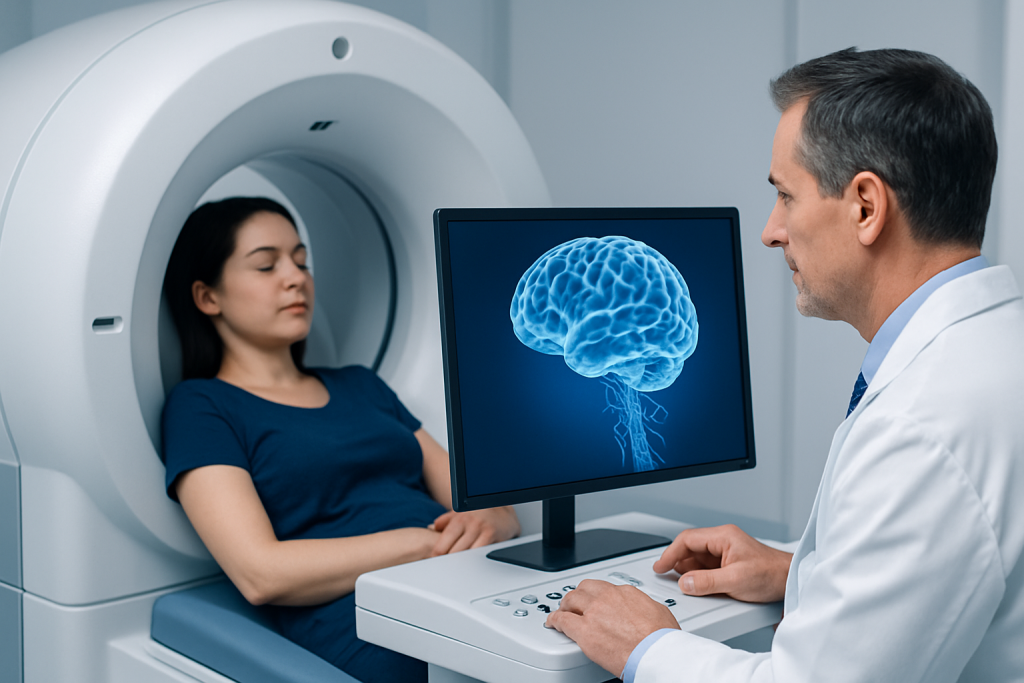
The brain is the main organ of the central nervous system, which also includes the spinal cord. It sends and receives signals through a wide network of nerves that reach every part of the body. These electrical and chemical signals allow a person to move a hand, feel pain, recognize a familiar face, or respond to danger.
Brain cells communicate at connection points called synapses. Chemicals known as neurotransmitters help transmit messages between cells. This signaling supports memory, attention, mood, movement, and sleep. When these pathways are disrupted by injury, infection, poor blood flow, inflammation, or degeneration, symptoms may develop.
The brain is also protected by the skull, layers of tissue called meninges, and cerebrospinal fluid, which cushions delicate structures. Even with these protections, the brain can still be affected by trauma, stroke, tumors, seizures, and infections. Some neurological conditions are short-term and treatable, while others require long-term follow-up and support.
For patients, it is helpful to think of the brain not as a single unit but as a coordinated network. A symptom such as dizziness may involve the brain, inner ear, circulation, medication effects, or another cause. That is one reason careful medical assessment is important when symptoms are persistent, progressive, or sudden.
Symptoms that may involve the brain

Brain-related symptoms can affect thinking, behavior, physical abilities, or the senses. Some people experience headaches, brain fog, trouble concentrating, or short-term memory difficulties. Others notice weakness, tingling, tremor, balance problems, vision changes, or speech difficulty. Symptoms may come on gradually over time or begin suddenly.
Not every symptom means there is a serious brain problem. Headaches can be caused by stress, lack of sleep, dehydration, or migraine. Forgetfulness may be linked to fatigue, anxiety, depression, or medication side effects. However, new symptoms, rapidly worsening symptoms, or symptoms that interfere with daily life should be discussed with a doctor.
Common symptoms that can be associated with brain conditions include:
- Persistent or severe headache
- Dizziness or loss of balance
- Memory or concentration problems
- Numbness or weakness, especially on one side of the body
- Speech or language difficulty
- Vision changes
- Seizures or unusual movements
- Confusion, personality changes, or reduced alertness
Some symptoms require urgent attention because they may reflect a medical emergency. Sudden facial drooping, arm weakness, speech trouble, a severe “worst-ever” headache, seizure, fainting, or sudden confusion can be signs of a condition such as stroke or another serious neurological problem.
Common causes and risk factors affecting the brain
Many different conditions can affect the brain. Problems with blood flow, such as stroke or bleeding, can injure brain tissue quickly. Infections such as meningitis or encephalitis can inflame the tissues around or within the brain. Head injuries may cause concussion or more serious trauma. Brain tumors can place pressure on surrounding structures or disrupt normal function. Seizure disorders, including epilepsy, involve abnormal electrical activity in the brain.
Some conditions develop more gradually. Neurodegenerative diseases can affect memory, thinking, or movement over time. Autoimmune and inflammatory diseases may also involve the brain and nervous system. In addition, systemic conditions such as high blood pressure, diabetes, sleep apnea, thyroid disease, vitamin deficiencies, and severe infections elsewhere in the body can influence brain function.
Risk factors for brain-related illness depend on the condition, but several broad factors are important:
- Older age
- Family history of neurological disease
- High blood pressure, diabetes, or high cholesterol
- Smoking and heavy alcohol use
- Head trauma
- Untreated sleep disorders
- Certain infections
- Exposure to toxins or some medications
Having a risk factor does not mean a person will develop a brain disorder. It does mean that prevention, follow-up, and early evaluation of symptoms become especially important. In many cases, controlling vascular risk factors and maintaining healthy daily habits can lower the risk of some major brain conditions.
How doctors diagnose brain problems
Diagnosis begins with a medical history and neurological examination. A doctor may ask when symptoms started, whether they are constant or intermittent, and whether there are triggers such as infection, injury, exertion, or medication changes. The examination often includes checks of strength, sensation, reflexes, coordination, speech, vision, and balance.
Depending on the symptoms, further testing may be recommended. Brain imaging is often central to evaluation. A CT scan can help detect bleeding, some injuries, or major structural changes quickly. MRI provides more detailed images and is often used to assess tumors, inflammation, stroke, and many other conditions. In some situations, doctors may also request an MRI scan or a CT scan to clarify the cause of symptoms.
Other tests may include blood work, electroencephalography for seizures, lumbar puncture to assess infection or inflammation, or cognitive testing for memory and thinking changes. If blood vessel problems are suspected, vascular imaging may be used. When a mass is found, the patient may be referred for further evaluation that can include brain tumor surgery if appropriate.
The purpose of testing is not simply to label symptoms, but to identify whether the problem is urgent, reversible, chronic, or progressive. An accurate diagnosis guides treatment choices and helps patients understand what to expect. Because symptoms can overlap across many conditions, self-diagnosis is often unreliable.
Treatment options and support for brain health
Treatment depends entirely on the underlying cause. Some conditions need urgent hospital treatment, such as stroke, severe infection, or brain bleeding. Others are managed over time with medication, rehabilitation, surgery, or lifestyle changes. For example, seizures may be treated with anti-seizure medication, while infections require targeted antimicrobial therapy. Head injuries may need observation, rest, or emergency intervention depending on severity.
Rehabilitation is often an important part of care after a brain-related illness or injury. Physical therapy can help improve movement and balance. Occupational therapy may support daily activities, and speech-language therapy can help with communication or swallowing. For memory or cognitive problems, structured neuropsychological evaluation and rehabilitation strategies may be useful.
Supportive care also matters. Adequate sleep, good nutrition, hydration, social support, and management of mood symptoms can all influence recovery and quality of life. Treatment plans are usually most effective when they address both the medical diagnosis and the patient’s daily functioning.
In complex cases, multidisciplinary care can be valuable. Near the end of the care pathway, some patients may benefit from coordinated evaluation by neurologists, neurosurgeons, radiologists, and rehabilitation specialists. Acibadem International’s multidisciplinary specialists and JCI-accredited hospitals diagnose and treat brain-related conditions for international patients when advanced assessment or treatment is needed.
Prevention and self-care for a healthier brain
Although not every brain disorder can be prevented, many habits support brain health across the lifespan. Good blood vessel health is especially important because the brain depends on reliable circulation. Managing blood pressure, blood sugar, and cholesterol helps reduce the risk of stroke and cognitive decline. Regular exercise supports circulation, mood, sleep, and overall neurological health.
Sleep is another major factor. During sleep, the brain consolidates memories, regulates hormones, and restores normal function. Poor sleep can worsen concentration, mood, and headache frequency. Stress management also matters, because chronic stress may affect memory, sleep quality, and emotional well-being.
Helpful self-care steps include:
- Do not smoke, and avoid secondhand smoke when possible
- Limit alcohol and avoid recreational drug use
- Wear seat belts and use helmets for activities with head injury risk
- Stay physically active and eat a balanced diet
- Control chronic conditions such as high blood pressure and diabetes
- Prioritize regular sleep and mental stimulation
- Seek evaluation for persistent headaches, memory changes, or dizziness
Patients should also review medications with a doctor or pharmacist if they notice confusion, sleepiness, balance problems, or memory changes. Sometimes symptoms that seem brain-related are caused or worsened by medication interactions, dehydration, or untreated medical conditions elsewhere in the body.
When to seek medical care
Medical care is advisable whenever brain-related symptoms are new, unexplained, recurring, or affecting everyday function. A doctor should assess persistent headaches, ongoing dizziness, worsening memory concerns, frequent falls, unexplained weakness, or episodes of confusion. Even when symptoms are mild, early evaluation may help identify treatable causes.
Urgent medical attention is needed for sudden or severe neurological symptoms. These include sudden numbness or weakness, trouble speaking, loss of vision, severe sudden headache, seizure, loss of consciousness, major head injury, or sudden confusion. These symptoms can indicate a medical emergency and should not be ignored.
Children, older adults, pregnant patients, and people with cancer, immune suppression, or blood-clotting problems may need earlier evaluation because their risks can differ. Anyone with symptoms after a head injury, especially if there is vomiting, drowsiness, confusion, or worsening headache, should be assessed promptly.
Seeking help early does not mean assuming the worst. Many symptoms turn out to have manageable or non-dangerous causes, but professional assessment is the safest way to determine the next step. Timely care can also reduce the chance of complications in serious conditions.
Frequently asked questions
What is the main function of the brain?
The brain acts as the body’s control center. It manages thinking, memory, movement, sensation, emotions, and many automatic functions such as breathing and sleep. Different parts of the brain handle different tasks, but they work together continuously.
Can everyday symptoms like headache or forgetfulness be related to the brain?
Yes, but not always in a serious way. Headache, forgetfulness, and trouble concentrating can be linked to stress, poor sleep, dehydration, medication effects, or migraine, as well as brain disorders. A doctor can help decide when symptoms need further evaluation.
Which brain symptoms are considered emergencies?
Sudden weakness, facial drooping, speech trouble, seizure, loss of consciousness, severe sudden headache, or sudden confusion should be treated as urgent warning signs. These can be associated with stroke, bleeding, infection, or other serious conditions. Emergency medical care is important in these situations.
How are brain problems usually diagnosed?
Doctors usually begin with a medical history and neurological examination. Depending on the symptoms, they may recommend imaging such as CT or MRI, blood tests, EEG, or other specialized tests. The goal is to find the underlying cause and determine the right treatment.
Can brain health be improved through lifestyle habits?
Healthy habits can support brain function and lower the risk of some brain conditions. Regular exercise, good sleep, blood pressure control, a balanced diet, avoiding smoking, and limiting alcohol are all helpful. Mental activity and social engagement may also support long-term cognitive health.
Does every brain symptom mean there is a tumor or stroke?
No. Many brain-related symptoms have causes that are less serious, such as migraine, inner ear conditions, anxiety, medication side effects, or metabolic problems. Even so, persistent, unusual, or sudden symptoms deserve medical attention because only proper assessment can rule out serious causes.
References
- World Health Organization
- National Institute of Neurological Disorders and Stroke
- Centers for Disease Control and Prevention
- National Institutes of Health
- American Academy of Neurology
This article is for general information only and is not a substitute for professional medical advice. Please consult a qualified doctor about your individual situation.
Explore treatments in Turkey — costs, top hospitals & a free quote
JCI-accredited · board-certified surgeons · reply within 24h
Add us as a Preferred Source to see more of our trusted health content across Google Search, AI Overviews and Discover.