Brain Aneurysm Treatment Risks: Complications and How They Are Managed

Brain aneurysm treatment can be life-saving, but every procedure carries some risk. The main risks include bleeding, stroke, blood vessel injury, infection, and reactions to anesthesia or contrast dye.
Key Takeaways
- Brain aneurysm treatment can be life-saving, but every procedure carries some risk.
- The main risks include bleeding, stroke, blood vessel injury, infection, and reactions to anesthesia or contrast dye.
- Risk depends on aneurysm size, location, rupture status, age, and other medical conditions.
- Experienced multidisciplinary teams use imaging, monitoring, and follow-up care to prevent and manage complications.
- Patients should seek urgent medical help for sudden severe headache, weakness, confusion, or new neurological symptoms after treatment.
Brain aneurysm treatment risks vary depending on whether the aneurysm is treated with surgery or an endovascular procedure, as well as a person’s overall health and whether the aneurysm has ruptured. Most complications are well known to specialists, and treatment planning is designed to reduce these risks and respond quickly if problems occur.
Overview of Brain Aneurysm Treatment Risks
A brain aneurysm is a weak or bulging area in a blood vessel in the brain. Some aneurysms are discovered before they cause symptoms, while others are found after bleeding has occurred. Treatment aims to prevent rupture or stop further bleeding, but treatment itself can involve important risks that patients and families should understand.
The two main treatment approaches are open surgery, usually called surgical clipping, and minimally invasive endovascular procedures such as coiling, stent-assisted coiling, or flow diversion. These procedures work differently, so the pattern of risks is not exactly the same. Doctors weigh the danger of leaving the aneurysm untreated against the possible complications of intervention.
Risk is not the same for every person. It depends on whether the aneurysm has already ruptured, where it is located, how large and wide-necked it is, and whether the patient has other health conditions such as high blood pressure, heart disease, kidney disease, or smoking-related vascular damage. A personalized discussion with a neurosurgeon, neurologist, or interventional neuroradiology team is an important part of decision-making.
What Complications Can Happen After Treatment?

The most important possible complications after brain aneurysm treatment are bleeding and stroke. Bleeding may happen during or after the procedure if the aneurysm tears or if nearby vessels are injured. Stroke can occur if a clot forms, if a vessel narrows or closes, or if blood flow to part of the brain is interrupted during treatment.
Some complications are more general and can happen with many operations or procedures. These include infection, reactions to anesthesia, breathing problems, and blood clots in the legs or lungs. Endovascular procedures also involve contrast dye and X-ray guidance, so there can be risks related to allergy, kidney strain, or blood vessel access through the groin or wrist.
Neurological symptoms may appear temporarily or permanently, depending on which area of the brain is affected. A person may experience weakness, speech difficulty, confusion, vision changes, memory problems, headache, or seizures. Swelling in the brain, fluid buildup called hydrocephalus, or vessel spasm after a ruptured aneurysm can also affect recovery.
- Bleeding during or after treatment
- Ischemic stroke from clotting or vessel blockage
- Blood vessel injury or narrowing
- Brain swelling or pressure changes
- Infection or wound complications
- Seizures or temporary neurological changes
Risks by Treatment Type
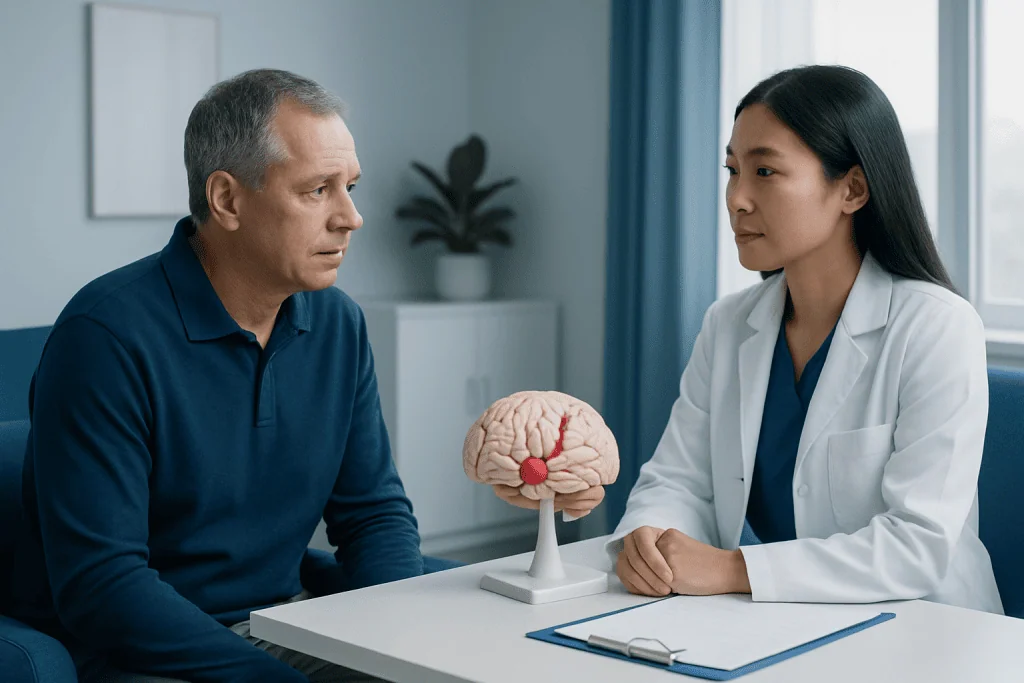
In surgical clipping, a neurosurgeon reaches the aneurysm through an opening in the skull and places a small clip across its neck to stop blood flow into the bulge. This method can be very durable, but because it is open brain surgery, it may involve longer recovery, more postoperative discomfort, and risks related to the surgical approach itself. There may be bleeding, infection, swelling, or injury to nearby brain tissue, nerves, or blood vessels.
Endovascular treatment is performed from inside the blood vessels using a catheter. In aneurysm coiling, tiny coils are placed into the aneurysm to help it seal off. Other patients may need stents or flow diverter treatment to redirect blood flow. These techniques avoid open surgery, but they can still carry risks such as aneurysm perforation, clot formation, device movement, vessel blockage, or the need for repeat treatment if the aneurysm is not completely sealed.
Some patients receive medicines that reduce clotting when a stent or flow diverter is used. These medicines are often necessary, but they can raise the chance of bleeding elsewhere in the body or make emergency surgery more complex. The best option is chosen after balancing the aneurysm’s anatomy, the patient’s medical history, and the expertise of the treating team.
Factors That Affect the Chance of Complications
Several features of the aneurysm influence treatment risk. Large aneurysms, giant aneurysms, wide-necked aneurysms, and aneurysms in deep or complex areas of the brain can be more difficult to treat. Aneurysms that have already ruptured are especially challenging because the brain may already be affected by bleeding, irritation of blood vessels, and swelling.
Patient-related factors matter as well. Older age, uncontrolled high blood pressure, diabetes, smoking, heart disease, chronic lung disease, and kidney problems can all increase procedural and recovery risks. Previous strokes, problems with blood clotting, and certain medications may also affect the safest treatment plan.
Timing is another important issue. In emergencies, doctors may need to treat quickly to prevent further bleeding, and this can limit how much time is available for preparation. In contrast, when an unruptured aneurysm is found incidentally, the team may have more time to compare treatment options, review imaging in detail, and discuss whether monitoring is safer than intervention. This careful planning helps reduce brain aneurysm treatment risks wherever possible.
How Doctors Diagnose and Monitor Complications
Before treatment, doctors use detailed imaging to understand the aneurysm’s shape, size, and relationship to nearby vessels. Common tests include CT, MRI, and cerebral angiography. These studies help guide whether a patient is better suited for clipping, coiling, or another technique. They also help teams anticipate technical challenges that may affect safety.
During treatment, patients are closely monitored for blood pressure, oxygen levels, heart rhythm, and neurological stability. In many centers, advanced imaging is used during the procedure to confirm the aneurysm is sealed and the surrounding vessels remain open. This immediate feedback helps the team identify problems early, when they may be easier to correct.
After treatment, follow-up care is essential. Patients may have repeat brain scans, vascular imaging, blood tests, and neurological examinations. Some aneurysms need long-term surveillance because small areas can reopen or residual filling can remain. This is particularly relevant after some endovascular procedures and is one reason structured follow-up matters in brain aneurysm care.
How Complications Are Managed
If bleeding happens during treatment, the team acts immediately to control it. Management may include reversing certain medicines, sealing the aneurysm with additional devices, adjusting blood pressure, draining excess fluid, or moving to emergency surgery if needed. Although this can sound serious, aneurysm specialists are trained specifically to recognize and respond to these situations.
If a stroke or vessel blockage occurs, doctors focus on restoring blood flow and protecting the brain. Depending on the situation, treatment may include blood-thinning medication, mechanical clot removal, vessel-opening techniques, or intensive monitoring in a neurocritical care unit. Seizures may be treated with antiseizure medicines, and swelling may be managed with careful fluid control, medications, or pressure-relieving measures.
Supportive care is also an important part of treatment. Rehabilitation may help with movement, speech, swallowing, or thinking changes after a complication. Physical therapy, occupational therapy, and speech therapy often improve recovery over time. In complex cases, coordinated care from neurosurgery, neurology, interventional neuroradiology, intensive care, and rehabilitation teams gives patients the best support. Acibadem International’s multidisciplinary specialists in JCI-accredited hospitals diagnose and treat aneurysm conditions for international patients, including advanced neurosurgical care and follow-up when appropriate.
Recovery, Prevention, and Self-care After Treatment
Recovery after brain aneurysm treatment depends on whether the aneurysm was ruptured, which procedure was performed, and whether any complications occurred. Some people return to daily activities relatively quickly after minimally invasive treatment, while others need a longer recovery after open surgery or after treatment for a ruptured aneurysm. Fatigue, headache, and reduced concentration can happen during healing and should be discussed at follow-up visits.
Patients can support recovery by taking medications exactly as prescribed, especially blood pressure medicines and any antiplatelet medicines after stent-based treatment. It is also important to attend all follow-up imaging appointments. Even when a person feels well, scans may be needed to confirm that the aneurysm remains sealed and nearby vessels are healthy.
Healthy lifestyle habits may lower the risk of future vascular problems. These include stopping smoking, limiting alcohol if advised by a doctor, managing blood pressure, controlling diabetes, staying physically active within medical guidance, and following recommendations for sleep and stress management. Anyone with a strong family history of aneurysm or related conditions should ask whether screening is appropriate, particularly if there are concerns about stroke risk or inherited vascular conditions.
When to See a Doctor Urgently
After aneurysm treatment, patients should seek urgent medical care if they develop a sudden severe headache, new weakness or numbness, facial drooping, trouble speaking, confusion, seizures, severe vomiting, or loss of consciousness. These symptoms can suggest bleeding, stroke, increased pressure in the brain, or another serious complication that needs immediate attention.
It is also important to contact the medical team promptly for fever, worsening wound redness, increasing neck stiffness, chest pain, shortness of breath, new vision changes, or severe pain or swelling at the catheter insertion site. These symptoms do not always mean something dangerous is happening, but they should not be ignored.
For unruptured aneurysms that are being monitored rather than treated, regular review is still important. A doctor may recommend repeat imaging and control of risk factors over time. Patients should not stop medications or skip appointments without discussing it with their specialist, because careful surveillance is part of safe aneurysm management.
Frequently asked questions
Is brain aneurysm treatment always dangerous?
No treatment is completely risk-free, but brain aneurysm treatment is carefully planned to reduce complications as much as possible. The goal is to compare the risk of the procedure with the risk of leaving the aneurysm untreated, especially if rupture is a concern.
Which is safer, clipping or coiling?
Neither option is automatically safer for every patient. Surgical clipping and endovascular coiling have different benefits and different risks, and the best choice depends on the aneurysm’s size, shape, location, rupture status, and the patient’s overall health.
Can a treated brain aneurysm come back?
Sometimes, yes. Some aneurysms can reopen slightly or continue to fill over time, especially after certain endovascular treatments, which is why follow-up imaging is important. Many treated aneurysms remain stable, but long-term monitoring helps confirm this.
How long does recovery take after brain aneurysm treatment?
Recovery can range from days to weeks for some patients and longer for others, especially after rupture or open surgery. Energy levels, concentration, and neurological symptoms may improve gradually, and some people benefit from rehabilitation support.
What are warning signs of a complication after treatment?
Sudden severe headache, weakness, speech trouble, confusion, seizure, fainting, and new vision changes are urgent warning signs. Fever, wound changes, or increasing pain at a catheter or surgical site should also be reported promptly.
Can lifestyle changes help after treatment?
Yes. Controlling blood pressure, not smoking, taking medications correctly, and attending follow-up appointments can support recovery and long-term vascular health. These steps do not replace medical care, but they are an important part of overall risk reduction.
References
- American Heart Association
- National Institute of Neurological Disorders and Stroke
- Brain Aneurysm Foundation
- National Health Service
- European Stroke Organisation
This article is for general information only and is not a substitute for professional medical advice. Please consult a qualified doctor about your individual situation.
Explore treatments in Turkey — costs, top hospitals & a free quote
JCI-accredited · board-certified surgeons · reply within 24h
Add us as a Preferred Source to see more of our trusted health content across Google Search, AI Overviews and Discover.
Check your numbers in seconds
BMI, calories, due date, blood pressure and 30+ more clinical calculators — free, instant, doctor-reviewed ranges.