Brain Cancer Symptoms: Common Causes, Related Conditions, and When to See a Doctor

Brain cancer symptoms depend more on where a tumor is located than on the tumor type alone. Common symptoms include headaches, seizures, nausea, weakness, speech or vision changes, and personality or memory changes.
Key Takeaways
- Brain cancer symptoms depend more on where a tumor is located than on the tumor type alone.
- Common symptoms include headaches, seizures, nausea, weakness, speech or vision changes, and personality or memory changes.
- Many non-cancer conditions can cause similar symptoms, so diagnosis usually requires a neurological exam and brain imaging.
- Emergency care is important for a first seizure, sudden severe neurological symptoms, or rapid confusion.
- Early medical evaluation can help identify whether symptoms are caused by a brain tumor, another brain condition, or a non-neurological problem.
Brain cancer symptoms may include headaches, seizures, weakness, balance problems, and changes in vision, speech, memory, or behavior. These symptoms are not specific to cancer and often have other explanations, but new, persistent, or worsening symptoms should be assessed by a doctor.
Overview: What Brain Cancer Symptoms Can Look Like
Brain cancer symptoms often reflect pressure on the brain or disruption of a specific brain area. In practical terms, this means a person may notice headaches, seizures, nausea, weakness, numbness, balance problems, or changes in speech, vision, memory, mood, or behavior. The exact pattern varies widely from person to person.
These symptoms do not automatically mean cancer. They can also happen with migraine, stroke, infections, medication side effects, inner ear disorders, or noncancerous brain tumors. What matters most is whether symptoms are new, persistent, progressive, or unusual for that person.
The term “brain cancer” is often used broadly, but doctors distinguish between primary brain tumors that start in the brain and cancers that spread to the brain from another organ. Both can cause similar warning signs because symptoms are mainly related to tumor size, swelling, and location rather than the name alone. A fuller evaluation may also involve assessment for related conditions such as brain tumors.
Common Symptoms and Why They Happen
Headache is one of the best-known brain cancer symptoms, but it is not the most specific. Headaches linked to a brain tumor may become more frequent over time, feel different from prior headaches, or be associated with vomiting or neurological changes. Some people notice headaches that are worse in the morning or when coughing, bending, or straining, although this pattern is not present in everyone.
Seizures are another important symptom. A first seizure in adulthood always needs urgent medical attention because it may signal irritation in the brain from a tumor, scar tissue, infection, or another structural problem. Seizures may involve whole-body shaking, but they can also be subtle, such as brief staring, unusual smells, lip-smacking, arm jerking, or episodes of confusion.
Other symptoms depend on the affected brain region. A tumor in the frontal lobe may cause personality change, poor judgment, or weakness. A temporal lobe problem may affect memory, language, or hearing. Occipital lobe involvement can cause visual changes, while cerebellar tumors may lead to imbalance, dizziness, or clumsiness. Pressure in the brain can also trigger nausea, vomiting, drowsiness, and reduced concentration.
- Persistent or changing headaches
- New seizure or unusual spells
- Weakness or numbness on one side
- Trouble speaking or understanding speech
- Blurred vision, double vision, or partial vision loss
- Balance problems or unsteady walking
- Memory, mood, or personality changes
Common Causes, Related Conditions, and Look-Alikes

Many people who search for brain cancer symptoms are actually experiencing signs caused by a different condition. Migraines can cause severe headache, nausea, light sensitivity, and even temporary neurological symptoms called aura. Stroke can cause sudden weakness, facial droop, or speech difficulty. Infections such as meningitis or encephalitis may lead to headache, fever, confusion, and seizures.
Noncancerous growths can also mimic cancer. Benign brain tumors may still cause significant symptoms if they press on nearby tissue. Conditions such as pituitary adenoma can lead to headaches, hormone changes, and vision problems rather than the more generalized symptoms some people expect. Metastatic cancer to the brain can look similar to primary brain tumors as well.
Other related conditions include inner ear disorders causing dizziness, multiple sclerosis causing numbness or weakness, medication side effects causing confusion, and metabolic problems such as low sodium or blood sugar changes triggering neurological symptoms. Because the symptom overlap is so broad, medical assessment is needed to identify the true cause rather than relying on symptoms alone.
Risk Factors and What Doctors Consider
In most cases, there is no clear single cause of a brain tumor. Patients often worry that stress, a minor head injury, or everyday device use directly caused their symptoms, but these are not established explanations for most brain cancers. Doctors instead consider a combination of medical history, age, prior cancer, family history, and rare inherited syndromes.
One of the most important clues is whether symptoms are changing over time. Progressive headaches, gradually worsening weakness, increasing forgetfulness, or repeated vomiting are often more concerning than a one-time symptom that resolves. A past history of cancer elsewhere in the body also matters because some cancers can spread to the brain.
Clinicians also look for red flags around timing and pattern. Sudden symptoms point more toward stroke or bleeding, while progressive symptoms may suggest a mass or swelling. Even so, these distinctions are not perfect. That is why doctors combine symptom history with a neurological examination and imaging rather than making assumptions from one sign alone.
How Brain Cancer Symptoms Are Diagnosed
Diagnosis begins with a detailed history and neurological exam. A doctor may ask when symptoms started, whether headaches are worsening, if there has been a first seizure, and whether there are changes in walking, speech, vision, memory, or behavior. The neurological exam checks strength, sensation, coordination, reflexes, eye movements, and mental status.
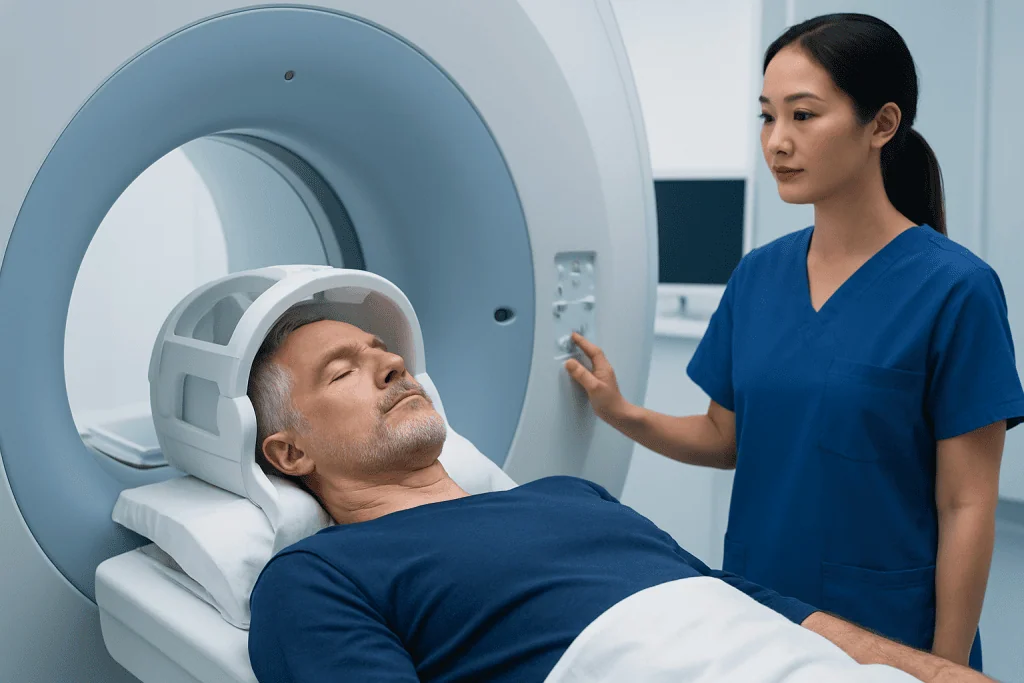
Imaging is usually the next step. Magnetic resonance imaging is commonly used because it shows brain structures in detail and can help identify tumors, swelling, bleeding, or other causes of symptoms. In urgent situations, computed tomography may be used first because it is fast and widely available. If a tumor is suspected, further testing may be needed to better define it.
Some patients may need additional evaluation such as blood tests, eye examination, or tests for seizures. If imaging suggests a tumor, referral to specialists may follow for advanced planning, including brain MRI review and discussion of neurosurgery when appropriate. A tissue diagnosis through biopsy or surgery is often needed to confirm the exact tumor type and guide treatment.
Treatment Options and What They Aim to Do
Treatment depends on whether the cause is actually brain cancer, another brain tumor, or a different condition entirely. If a tumor is confirmed, the goals are usually to remove or reduce the tumor when possible, relieve pressure, protect neurological function, and treat the specific cancer type. Management is individualized and may involve several specialties.
Surgery is commonly considered when a tumor can be reached safely or when tissue is needed for diagnosis. Other treatments may include radiation therapy, chemotherapy, targeted therapy, or supportive medicines to control swelling and seizures. In some situations, observation with repeat imaging is appropriate, especially if findings are uncertain or symptoms are mild and stable.
Supportive care is also important. This may include seizure management, rehabilitation, pain control, and therapies for speech, mobility, or cognitive changes. For some tumors, doctors may recommend Gamma Knife radiosurgery or broader radiation oncology care as part of a personalized treatment plan. Near the end of the diagnostic process, patients seeking cross-border care may also choose centers such as Acibadem International, where multidisciplinary specialists in JCI-accredited hospitals evaluate and treat neurological and oncological conditions for international patients.
Prevention, Monitoring, and Self-Care
There is no guaranteed way to prevent brain cancer, and most people with symptoms have no obvious preventable cause. The most helpful self-care step is not to ignore persistent neurological changes. Keeping a symptom diary can help: note when headaches occur, whether vomiting is present, how long episodes last, and whether there are triggers or associated changes in speech, vision, or balance.
For those already diagnosed with migraines, epilepsy, or another neurological condition, a change from the usual pattern deserves attention. A “different” headache, more frequent seizures, or a new weakness should not simply be attributed to the old diagnosis without review. Family members are often the first to notice behavior or memory changes, so their observations can be valuable.
General healthy habits support overall brain health and recovery from many conditions, even though they do not specifically prevent tumors. These include regular sleep, hydration, avoiding excess alcohol, taking medications as prescribed, and attending follow-up visits. People should avoid driving or dangerous activities after a seizure or sudden neurological episode until they have been medically assessed.
When to Seek Medical Care
Prompt medical attention is important for new, unexplained neurological symptoms, especially if they are persistent or getting worse. A person should arrange a medical evaluation for headaches that are progressively worsening, repeated vomiting, new balance problems, ongoing confusion, personality change, or weakness and numbness that do not quickly resolve.
Emergency care is needed for a first seizure, sudden severe headache unlike usual headaches, fainting, severe drowsiness, new speech difficulty, facial droop, loss of vision, or weakness on one side. These symptoms can be caused by brain cancer, but they can also signal stroke, bleeding, or infection, which require urgent treatment.
Parents should also seek prompt care if a child has persistent morning vomiting, unexplained coordination changes, new squinting or visual complaints, seizures, or a marked decline in school performance or behavior. Whether symptoms turn out to be caused by cancer or something else, early assessment helps doctors find the cause and begin the right treatment sooner.
Frequently asked questions
What are the first brain cancer symptoms most people notice?
The earliest symptoms vary, but people often notice headaches, seizures, changes in vision, balance problems, or changes in thinking and behavior. Symptoms depend more on where the tumor is located than on the tumor type. Some people have subtle symptoms at first, while others develop more obvious neurological changes.
Are headaches always a sign of brain cancer?
No. Most headaches are not caused by brain cancer and are more commonly related to migraine, tension headache, infection, dehydration, or other non-cancer causes. A doctor should assess headaches that are new, progressively worsening, or linked with vomiting, seizures, weakness, or changes in speech or vision.
Can brain cancer symptoms come and go?
Yes, some symptoms can be intermittent, especially early on or if they are related to seizures, swelling, or changes in pressure. However, many tumor-related symptoms gradually become more frequent or more severe over time. Recurrent or changing neurological symptoms should be medically evaluated.
How are brain cancer symptoms different from stroke symptoms?
Stroke symptoms usually begin suddenly, while brain tumor symptoms often develop gradually, but this is not a strict rule. Both can cause weakness, speech difficulty, confusion, and vision changes. Because the overlap is significant, sudden neurological symptoms should be treated as an emergency.
Can a noncancerous brain tumor cause the same symptoms?
Yes. Benign or noncancerous brain tumors can cause symptoms very similar to brain cancer if they press on brain tissue or raise pressure inside the skull. This is why imaging and specialist review are important, since symptoms alone cannot reliably tell the difference.
When should someone go to the emergency room for possible brain cancer symptoms?
Emergency care is appropriate for a first seizure, sudden severe headache, loss of consciousness, new one-sided weakness, trouble speaking, sudden confusion, or sudden vision loss. These symptoms may be caused by a brain tumor, but they can also indicate stroke, bleeding, or infection. Immediate evaluation is important either way.
References
- National Cancer Institute
- American Cancer Society
- National Institute of Neurological Disorders and Stroke
- World Health Organization
- National Comprehensive Cancer Network
This article is for general information only and is not a substitute for professional medical advice. Please consult a qualified doctor about your individual situation.
Persistent digestive symptoms? Get evaluated in Turkey
JCI-accredited · board-certified surgeons · reply within 24h
Add us as a Preferred Source to see more of our trusted health content across Google Search, AI Overviews and Discover.

More from the Health Library



Related Specialists

Embriyolog Özge Biçeroğlu
Vitro Fertilization and Reproductive Medicine Center
Dr. Mazlum Batu
Emergency Service
Prof. Dr. Moşe Benhabib
Gynecology & Obstetrics
Prof. Dr. Tunç Ovali
Ophthalmology