

Breast Reconstruction Options After Mastectomy: Implant or Flap?
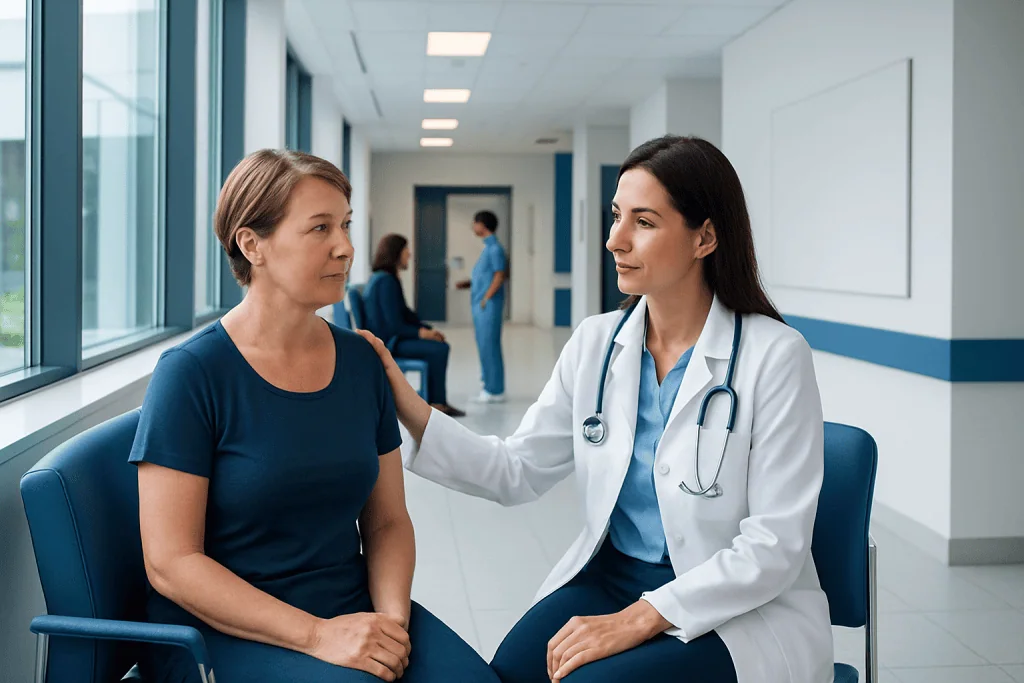
Breast reconstruction can be done with implants, a flap of the person’s own tissue, or a combination of both. Implant reconstruction is usually less complex at first, while flap reconstruction uses tissue from another part of the body.
Key Takeaways
- Breast reconstruction can be done with implants, a flap of the person’s own tissue, or a combination of both.
- Implant reconstruction is usually less complex at first, while flap reconstruction uses tissue from another part of the body.
- The right option depends on radiation therapy, overall health, body shape, previous surgeries, and personal goals.
- Reconstruction may be immediate or delayed, and timing is often shaped by cancer treatment.
- A plastic surgeon and breast cancer team can help match the procedure to the person’s needs and recovery plan.
Breast reconstruction after mastectomy can help restore breast shape, symmetry, and body confidence. The main options are implant-based reconstruction and flap reconstruction, and the best choice depends on a person’s health, anatomy, cancer treatment plan, and preferences.
Overview
Breast reconstruction after mastectomy is surgery that rebuilds the shape of one or both breasts after breast tissue has been removed. It may be chosen for physical symmetry, clothing comfort, or personal well-being, and it can be performed at the same time as mastectomy or later.
The two main approaches are implant-based reconstruction and flap reconstruction. Implant reconstruction uses a breast implant to create shape, while flap reconstruction uses a person’s own skin, fat, and sometimes muscle from another part of the body. Some people may be candidates for a combination approach.
The best option is not the same for everyone. The decision usually depends on cancer treatment plans, whether radiation is needed, body type, previous surgeries, overall health, and how the person feels about recovery, future maintenance, and the appearance and feel of the reconstructed breast.
Symptoms and What Reconstruction Aims to Address
Breast reconstruction is not done to treat cancer itself. Instead, it addresses the changes that can follow mastectomy, such as loss of breast shape, asymmetry, and the absence of a nipple and areola. For many people, these changes can affect how clothes fit and how they feel in daily life.
Reconstruction may also help improve balance between the chest and the opposite breast, especially if only one breast was removed. In some cases, reconstruction can be part of a broader plan that also includes nipple reconstruction or tattooing at a later stage.
Not every person wants or needs reconstruction. Some choose to wear an external prosthesis, while others prefer to delay the decision. A good consultation focuses on the person’s goals, not on a single “right” path.
Causes and Risk Factors That Influence the Choice
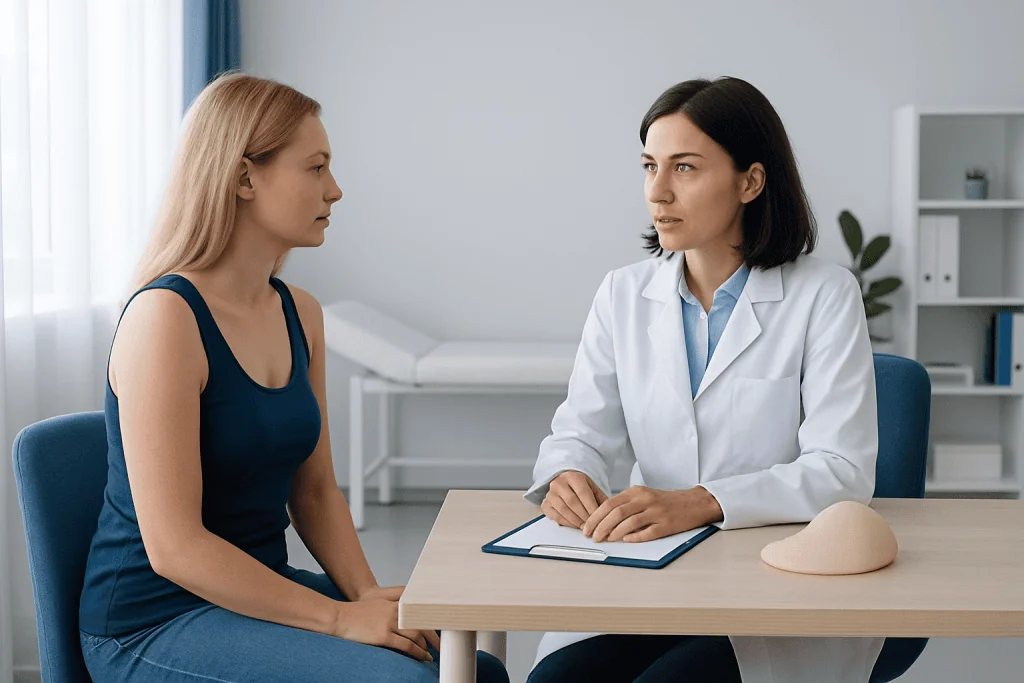
Several medical and personal factors influence whether implant or flap reconstruction is more suitable. Radiation therapy is one of the most important considerations because it can increase the chance of complications with implants and may affect healing of reconstructed tissue.
Overall health also matters. People with diabetes, smoking history, poor wound healing, blood clot risk, or significant heart or lung disease may need a more individualized plan. Previous abdominal surgery, enough donor tissue, body size, and the condition of the skin after mastectomy can also shape the choice.
Personal priorities are equally important. Some people want a shorter initial operation and do not mind the possibility of future implant maintenance; others prefer a reconstruction that uses their own tissue and may feel more natural, even if it involves a longer surgery and donor-site recovery.
Diagnosis and Preoperative Planning
Before reconstruction, the surgical team reviews the cancer history, mastectomy details, pathology reports, and any planned or completed radiation or chemotherapy. The exam usually includes assessment of the chest wall, skin quality, body shape, and possible donor sites such as the abdomen, back, thigh, or buttock.
Imaging and other tests may be ordered when needed, especially if there are concerns about cancer treatment timing or general surgical safety. The discussion also covers implant type, flap options, number of stages, expected scars, and whether the nipple and areola will be reconstructed later.
For many people, planning is a shared decision between the breast surgeon, plastic surgeon, and oncology team. Some patients may benefit from a staged plan, such as a tissue expander first or delayed reconstruction after radiation is completed. At Acibadem International, multidisciplinary specialists and JCI-accredited hospitals diagnose and treat breast reconstruction cases for international patients in a coordinated setting.
Treatment Options: Implant or Flap?
Implant reconstruction uses a saline or silicone implant to restore breast volume. It may be done in one operation or in stages, often with a temporary tissue expander placed first to slowly stretch the skin before the final implant is inserted. Implant-based reconstruction is generally a more direct operation and does not create a second surgical site on the body.
Flap reconstruction transfers tissue from another area to create a breast mound. Common donor sites include the abdomen and back, and in some techniques the tissue is moved with its blood supply or reconnected using microsurgery. Because this uses the person’s own tissue, the breast may feel softer and can change more naturally with body weight over time.
Each approach has trade-offs. Implants may involve a shorter recovery initially but can require future surgery for problems such as capsular contracture, implant displacement, rupture, or cosmetic adjustment. Flap surgery is usually longer and involves recovery at both the chest and donor site, but it may be preferred after radiation or when a more natural tissue result is desired.
Other procedures may be part of the plan, including nipple reconstruction, areola tattooing, or symmetry surgery on the opposite breast. For people considering a broader breast reshaping plan, a surgeon may also discuss breast aesthetics when appropriate, though reconstruction after cancer has its own goals and priorities.
How Surgeons Compare the Main Techniques
Implant and flap reconstruction are best understood by looking at the person as a whole rather than by comparing one technique as universally better. Implant reconstruction may suit people who want a less extensive operation, have enough skin coverage, and do not expect radiation-related tissue changes to interfere with healing.
Flap reconstruction may suit people who want to avoid an implant, have had radiation, or prefer a result that uses living tissue. Some flap procedures can be especially helpful when the chest skin is tight or scarred, or when prior implant surgery has not been successful. In some situations, surgeons may combine a flap with an implant to fine-tune volume and shape.
The surgeon will also consider scar pattern, body contour, donor-site strength, and the person’s willingness to accept donor-site healing. For example, an abdomen-based flap may create a flatter midsection, while a back-based flap may affect shoulder or upper-back tissue. These details help match the operation to realistic goals.
Recovery, Prevention & Self-care
Recovery differs by procedure. After implant reconstruction, people often have chest soreness, tightness, and temporary activity limits. After flap reconstruction, recovery may take longer because both the reconstructed breast and donor site need time to heal, and movement restrictions may be more detailed at first.
Good self-care supports healing after either approach. This usually includes following wound-care instructions, wearing supportive garments if advised, walking as soon as safely possible, avoiding smoking, and attending all follow-up visits. If drains are placed, the team will teach how to care for them until they are removed.
Long-term prevention focuses on protecting the reconstruction and overall health. Maintaining a stable weight, managing diabetes carefully, staying active within medical guidance, and reporting unusual pain, redness, swelling, or skin changes can all help. People who had or will have radiation may need even closer follow-up because tissue changes can develop over time.
When to See a Doctor
People should contact their surgeon or cancer care team promptly if they notice fever, increasing redness, drainage, sudden swelling, new chest tightness, wound opening, or severe pain after reconstruction. These signs do not always mean a serious problem, but they deserve medical review.
Follow-up is also important if the breast shape changes, the implant feels firm or sits differently, donor-site pain persists, or the person has concerns about scarring, symmetry, or numbness. Reconstruction is often a staged process, and small adjustments may be discussed during recovery.
Anyone planning reconstruction should ask about the timing of surgery relative to chemotherapy, radiation, and surveillance for cancer recurrence. A qualified plastic surgeon can explain the expected course, risks, and alternatives in a calm, step-by-step way.
Bottom Line
Breast reconstruction after mastectomy is a personal choice with two main paths: implant-based reconstruction and flap reconstruction. Neither option is automatically better; the most suitable plan depends on medical needs, body characteristics, treatment history, and individual preferences.
With careful planning, many people can achieve a reconstruction that fits their goals and supports recovery. The best next step is a detailed discussion with the breast and plastic surgery teams, who can explain the options in the context of the person’s cancer treatment and overall health.
Frequently asked questions
What is the main difference between implant and flap reconstruction?
Implant reconstruction uses a medical implant to recreate breast shape, while flap reconstruction uses the person’s own tissue from another body area. The choice depends on anatomy, cancer treatment, and personal goals. Each method has different benefits, recovery patterns, and possible future procedures.
Can breast reconstruction be done at the same time as mastectomy?
Yes, it can be immediate, meaning it is done during the same operation as mastectomy, or delayed until later. Timing often depends on whether radiation or other cancer treatments are planned. The surgical team can help decide what fits the treatment schedule best.
Is one option more natural-looking?
Flap reconstruction often feels and moves more like natural tissue because it uses the person’s own fat and skin. However, implant reconstruction can also create a very good cosmetic result in the right candidate. “Natural-looking” depends on body type, skin quality, and surgical planning.
Does radiation affect reconstruction choices?
Yes. Radiation can make implant reconstruction more prone to tightening, firmness, or other healing problems, and it can also affect flap tissue in some cases. Many people who have had or will have radiation still undergo reconstruction, but the plan may be adjusted accordingly.
Will reconstruction restore normal breast sensation?
Usually not completely. Some feeling may return over time, but numbness is common after mastectomy and reconstruction. The amount of sensation varies by technique, healing, and whether nerves can be preserved or reconstructed.
Can the nipple and areola be reconstructed later?
Yes, they often can be added in a later stage after the breast mound has healed and settled. Options may include surgical nipple reconstruction, medical tattooing, or both. The timing is individualized and discussed during follow-up visits.
References
- American Society of Plastic Surgeons
- National Cancer Institute
- Breastcancer.org
- American Cancer Society
- National Comprehensive Cancer Network
This article is for general information only and is not a substitute for professional medical advice. Please consult a qualified doctor about your individual situation.
Breast Reconstruction in Turkey — costs, top hospitals & a free quote
JCI-accredited · board-certified surgeons · reply within 24h
Add us as a Preferred Source to see more of our trusted health content across Google Search, AI Overviews and Discover.

Plastic, Reconstructive & Aesthetic Surgery
Reconstructive and aesthetic procedures for the face and body, performed by experienced surgeons.
35 specialists in this unitRelated Treatments
Related Conditions
More from the Health Library


Related Specialists

Prof. Dr. Şükrü Yazar
Aesthetic Plastic & Reconstructive Surgery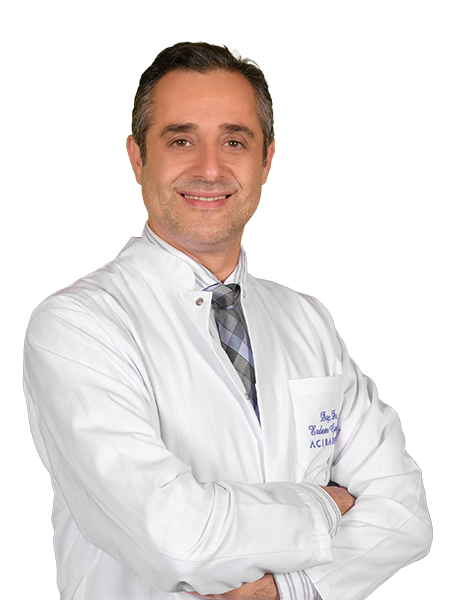
Assoc. Prof. Dr. Erdem Güven (m)
Aesthetic Plastic & Reconstructive Surgery
Prof. Dr. Hakan Ağır
Aesthetic Plastic & Reconstructive Surgery
Prof. Dr. Bülent Saçak
Aesthetic Plastic & Reconstructive Surgery