

Breast Reconstruction Options After Mastectomy

Breast reconstruction can be done with implants, the patient’s own tissue, or a combination of both. Reconstruction may be immediate after mastectomy or delayed until after cancer treatment and healing.
Key Takeaways
- Breast reconstruction can be done with implants, the patient’s own tissue, or a combination of both.
- Reconstruction may be immediate after mastectomy or delayed until after cancer treatment and healing.
- Not every patient is a candidate for every technique; overall health, smoking, radiation, and prior surgery matter.
- Recovery time varies by method, and multiple stages are sometimes needed to achieve the final result.
- A consultation with a reconstructive surgeon helps align safety, timing, and personal goals.
Breast reconstruction after mastectomy is a personal, medically guided choice that can help restore breast shape and support physical and emotional recovery. The best option depends on cancer treatment plans, body type, health, and the patient’s preferences.
Overview
Breast reconstruction after mastectomy is surgery that rebuilds the shape of one or both breasts after breast tissue has been removed. It is commonly part of the overall breast cancer treatment journey, but it may also be considered after preventive mastectomy or other breast surgery when reconstruction is desired.
The procedure can help many patients feel more comfortable in clothing and may support body image and confidence. At the same time, it is a personal choice rather than a requirement. Some patients choose reconstruction right away, while others prefer to wait or decide not to have it at all.
Modern reconstructive surgery offers several approaches. The most suitable plan depends on cancer treatment, anatomy, general health, and the patient’s goals for appearance, recovery time, and future procedures. A plastic and reconstructive surgeon usually works closely with the breast cancer team to plan the safest option.
Types of Breast Reconstruction
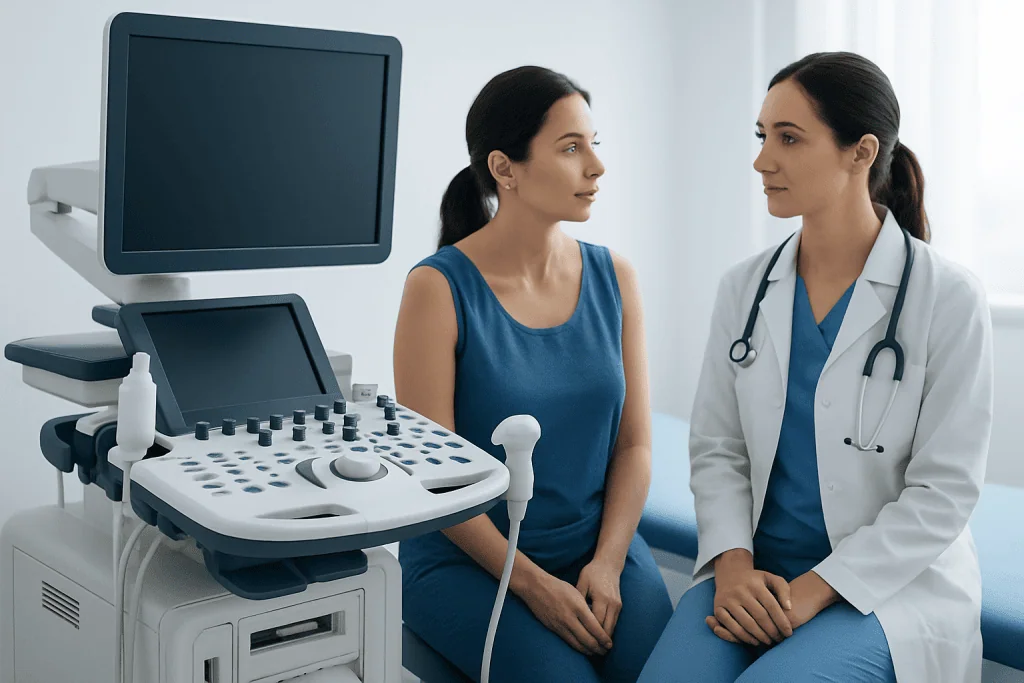
There are two main categories of breast reconstruction: implant-based reconstruction and autologous reconstruction, which uses the patient’s own tissue. Some patients receive a combined approach. The right method depends on tissue quality, whether radiation is planned, and whether the patient prefers a shorter or longer recovery path.
Implant-based reconstruction uses a breast implant to create shape. In some cases, a temporary tissue expander is placed first to gently stretch the skin and muscle before a permanent implant is inserted. This option may involve fewer donor-site scars and a shorter initial operation, though it can still require more than one surgery.
Autologous reconstruction uses tissue taken from another part of the body, such as the abdomen, back, thigh, or buttock. Techniques such as a DIEP flap or other flap procedures can produce a natural look and feel, but they usually involve longer surgery and recovery. The donor area will also need healing, which is part of the overall planning process.
Some patients benefit from a hybrid approach that combines an implant with a flap or fat grafting to improve contour and symmetry. In selected cases, patients may also discuss related procedures such as aesthetic breast surgery when planning symmetry procedures on the opposite breast.
Immediate vs Delayed Reconstruction

Immediate reconstruction is performed during the same operation as the mastectomy. This can reduce the number of surgeries and may help preserve more of the breast skin envelope, which can support a more natural contour. However, it is not always the safest choice, especially when further cancer treatment is likely to affect healing.
Delayed reconstruction is done weeks, months, or longer after mastectomy. This approach may be preferred when a patient needs radiation therapy, has other medical conditions that increase surgical risk, or simply wants more time to decide. It allows the cancer treatment plan to come first and gives the body time to recover before reconstruction begins.
There is also a delayed-immediate approach in some situations, where a temporary expander helps preserve the breast shape while final decisions are made. The timing choice is individualized and usually depends on the oncology team’s treatment plan as well as the surgeon’s assessment of healing and tissue quality.
Who May Be a Candidate
Many patients are potential candidates for breast reconstruction, but candidacy is not the same for every method. Factors such as smoking, diabetes, obesity, heart or lung conditions, prior radiation, prior abdominal surgery, and the need for ongoing cancer treatment can influence recommendations.
Patients who are generally healthy and have realistic expectations often do well with reconstruction. Those who may need radiation after mastectomy are often evaluated carefully because radiation can affect wound healing, implant durability, and the long-term appearance of reconstructed tissue. Some patients still choose reconstruction after radiation, but the plan may need to be adjusted.
Age alone does not determine eligibility. What matters most is overall health, tissue condition, cancer treatment timing, and the patient’s comfort with the risks, benefits, and likely need for future procedures. A careful consultation helps clarify which options fit best.
How the Surgery Is Planned and Performed
Planning starts with a detailed consultation. The surgeon reviews the mastectomy report, imaging, cancer treatment plan, and the patient’s goals. Measurements, skin condition, scars, body shape, and the available donor tissue are assessed to design a reconstruction strategy.
For implant reconstruction, the surgeon may place an expander or implant at the time of mastectomy or during a later operation. For flap reconstruction, tissue is moved from another part of the body and connected in its new location, often requiring microsurgical skill. In some cases, a nipple and areola reconstruction or tattooing is performed later as a separate step.
Symmetry procedures may also be discussed, such as a lift, reduction, or adjustment of the opposite breast. When appropriate, options like breast lift surgery or breast reduction may help create a more balanced result, but these are only considered if they fit the patient’s anatomy and goals.
Recovery and Follow-up
Recovery varies widely by technique. Implant-based reconstruction often has a shorter initial recovery than flap reconstruction, while flap procedures may require more healing time because there are two surgical sites. In either case, patients can expect swelling, tightness, temporary discomfort, and a gradual return to activity.
Follow-up visits are important for wound checks, drain management if used, and monitoring the healing of both the breast and donor site. Some patients need later adjustments, fat grafting, implant exchange, or symmetry surgery. These additional steps are common and do not necessarily mean something has gone wrong; they are often part of achieving the final result.
Patients are usually advised to follow their surgeon’s activity guidance, wear supportive garments if recommended, and watch for changes in incision sites. Good communication with the surgical team helps ensure concerns are addressed early and recovery stays on track.
Risks, Limitations, and Possible Complications
Like all surgery, breast reconstruction carries risks. These may include bleeding, infection, wound-healing problems, fluid collection, scarring, changes in sensation, asymmetry, and the possibility of additional operations. Implant reconstruction can also involve implant-related concerns over time, while flap reconstruction may create weakness or contour changes at the donor site.
Radiation therapy, smoking, and certain medical conditions can increase the chance of complications. It is also important to understand that reconstruction does not restore normal breast sensation and may not perfectly match the natural breast or the other side. The goal is improvement, not exact replacement.
Patients should discuss how each option fits their long-term needs, including surveillance, future imaging, and any possible revisions. A clear understanding of benefits and limitations supports more confident decision-making and realistic expectations.
Prevention & Self-care
Some of the most helpful steps are taken before surgery. Stopping smoking, optimizing blood sugar, managing chronic conditions, maintaining a stable weight, and following oncology instructions can improve healing and reduce risk. Patients should also tell the team about all medications and supplements, especially those that can affect bleeding.
After surgery, self-care includes rest, gentle movement as advised, wound care, and attending follow-up appointments. Patients should not rush heavy lifting or exercise until the surgeon confirms it is safe. Good nutrition, hydration, and support from family or caregivers can make recovery easier.
Emotional recovery matters as well. Some patients benefit from counseling, support groups, or speaking with others who have had reconstruction. If a patient is unsure about reconstruction, it is reasonable to take time, ask questions, and consider second opinions before deciding.
Where appropriate, Acibadem International’s multidisciplinary specialists and JCI-accredited hospitals diagnose and treat breast reconstruction for international patients in a coordinated, patient-centered way.
When to See a Doctor
Patients should contact their surgeon promptly if they develop fever, increasing redness, worsening swelling, drainage, severe pain, opening of an incision, or sudden breast shape changes. These signs can indicate a problem that needs assessment, even if they are not always emergencies.
It is also important to speak with a doctor before reconstruction if cancer treatment plans are changing, if there are concerns about radiation, or if the patient wants to reconsider the type or timing of surgery. A consultation can help match the reconstructive plan to current health status and treatment goals.
Anyone considering breast reconstruction after mastectomy may benefit from meeting with a qualified reconstructive surgeon early in the cancer journey. That discussion can cover timing, technique, expected recovery, and whether additional procedures may be needed later.
Frequently asked questions
Is breast reconstruction done at the same time as a mastectomy?
It can be, but it does not have to be. Some patients choose immediate reconstruction during the same operation, while others have delayed reconstruction after cancer treatment or healing is complete. The safest timing depends on the individual treatment plan and overall health.
Which breast reconstruction option looks most natural?
That depends on the patient’s body, tissue quality, and goals. Autologous reconstruction often feels and moves more like natural tissue, while implants can provide a good shape with a shorter operation. A surgeon can explain which approach is most likely to meet the patient’s expectations.
Will breast reconstruction restore normal sensation?
Usually, no. Some sensation may return over time in certain areas, but reconstructed breasts typically do not feel the same as natural breast tissue. Patients should discuss what degree of sensation recovery is realistic for the chosen technique.
Can breast reconstruction be done after radiation therapy?
Yes, in many cases it can, but radiation can affect healing and final appearance. The reconstructive plan may need to be adjusted, and some techniques are better suited than others after radiation. A surgeon will review the options based on the patient’s treatment history.
Do patients always need more than one surgery?
Not always, but it is common. Some reconstruction plans involve staged operations, revision surgery, nipple reconstruction, fat grafting, or symmetry procedures. Multiple steps are often part of achieving a stable and balanced result.
How long does recovery take after breast reconstruction?
Recovery time varies by method and by the patient’s overall health. Implant-based procedures often recover faster than flap procedures, but both require follow-up and activity restrictions for a period of time. The surgical team provides individualized guidance based on the operation performed.
References
- American Society of Plastic Surgeons
- National Cancer Institute
- American Cancer Society
- Breastcancer.org
- NHS
This article is for general information only and is not a substitute for professional medical advice. Please consult a qualified doctor about your individual situation.
Breast Reconstruction in Turkey — costs, top hospitals & a free quote
JCI-accredited · board-certified surgeons · reply within 24h
Add us as a Preferred Source to see more of our trusted health content across Google Search, AI Overviews and Discover.

Plastic, Reconstructive & Aesthetic Surgery
Reconstructive and aesthetic procedures for the face and body, performed by experienced surgeons.
35 specialists in this unitRelated Treatments
Related Conditions
More from the Health Library


Related Specialists

Prof. Dr. Şükrü Yazar
Aesthetic Plastic & Reconstructive Surgery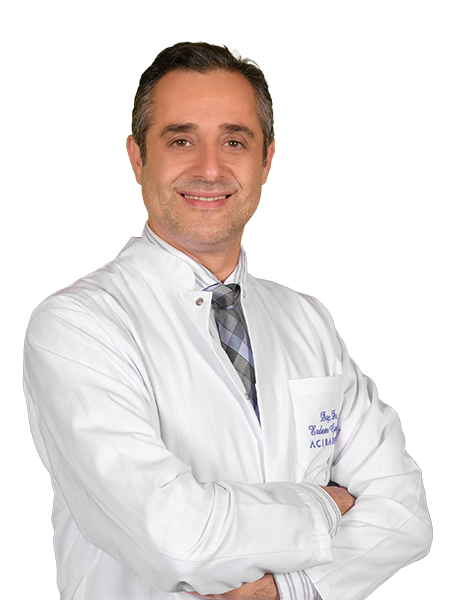
Assoc. Prof. Dr. Erdem Güven (m)
Aesthetic Plastic & Reconstructive Surgery
Prof. Dr. Hakan Ağır
Aesthetic Plastic & Reconstructive Surgery
Prof. Dr. Bülent Saçak
Aesthetic Plastic & Reconstructive Surgery