Breathing Problems at Rest or with Activity: What Could Be Causing Them?

Breathing problems may come from the lungs, heart, upper airway, blood, or anxiety-related causes. Shortness of breath that is sudden, severe, or associated with chest pain needs urgent medical attention.
Key Takeaways
- Breathing problems may come from the lungs, heart, upper airway, blood, or anxiety-related causes.
- Shortness of breath that is sudden, severe, or associated with chest pain needs urgent medical attention.
- Symptoms during activity can sometimes reflect deconditioning, asthma, chronic lung disease, or heart problems.
- Doctors diagnose the cause using medical history, physical examination, and tests such as pulse oximetry, chest imaging, and lung function tests.
- Treatment depends on the underlying cause and may include inhalers, medicines, oxygen support, rehabilitation, or lifestyle changes.
Breathing problems can happen at rest, during activity, or only in certain situations, and they may have causes ranging from mild airway irritation to heart or lung disease. Understanding the pattern, triggers, and warning signs can help a person know when self-care may help and when medical evaluation is important.
Overview
Breathing problems describe a feeling that breathing is harder than usual, less comfortable, or not providing enough air. Some people call it shortness of breath, breathlessness, or difficulty breathing. It may appear suddenly or develop gradually over time, and it can happen at rest, with exercise, when lying flat, or during exposure to triggers such as cold air, allergens, or respiratory infections.
This symptom is common and has many possible causes. In some cases, it is related to the lungs or airways, such as asthma, infection, or chronic obstructive pulmonary disease. In others, the cause may involve the heart, blood, body weight, physical conditioning, vocal cords, or emotional stress. Because the same symptom can have very different explanations, careful evaluation is often needed.
Breathing discomfort does not always mean a serious illness, but it should never be ignored when it is severe, new, worsening, or unexplained. A person may be able to describe whether the problem feels like tightness in the chest, rapid breathing, not being able to take a deep breath, noisy breathing, or fatigue with normal activity. These details often help guide diagnosis.
Symptoms and How Breathing Problems May Feel
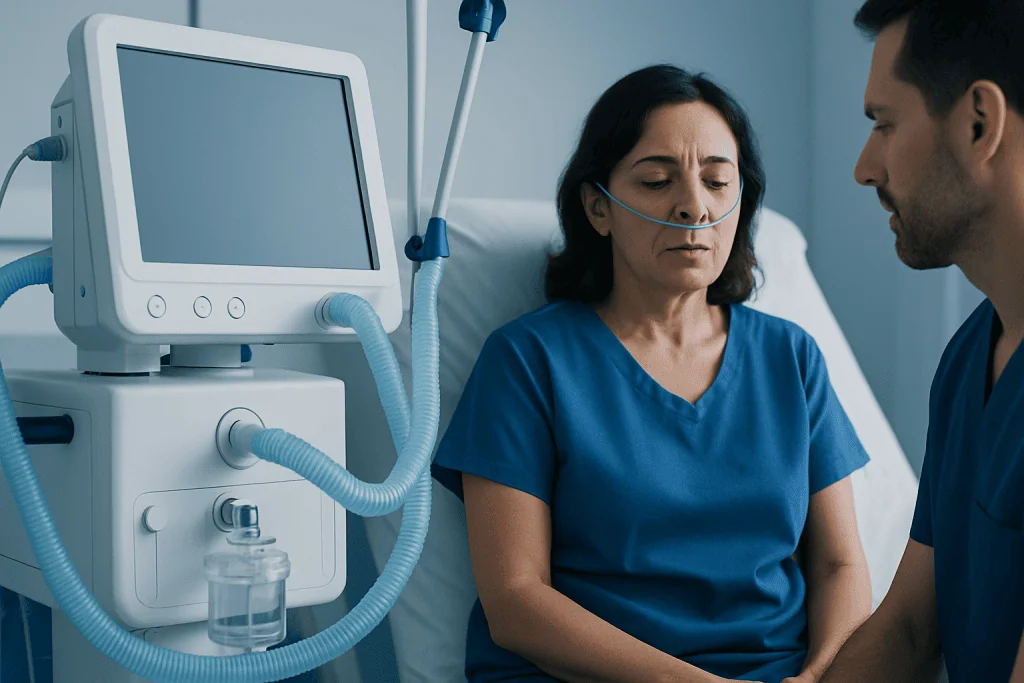
Breathing problems can be felt in different ways. One person may notice breathlessness only while climbing stairs, while another may feel uncomfortable even while sitting still. Some describe chest tightness, air hunger, wheezing, or a sense that they cannot fully expand the lungs. Others notice they become tired quickly, need frequent pauses during walking, or avoid activity because it is uncomfortable.
Associated symptoms can offer important clues. Cough, wheezing, fever, sore throat, mucus production, or recent cold symptoms may suggest a respiratory cause. Swelling in the legs, chest pressure, rapid heartbeat, or breathlessness that worsens when lying down may point toward a heart-related problem. Anxiety may be accompanied by shakiness, tingling, or a sense of panic, although anxiety should not be assumed until physical causes are considered.
Breathing problems may also vary by timing and trigger. Symptoms that come and go may occur with asthma, allergies, or panic episodes. Breathlessness during exertion can be linked to reduced fitness, anemia, heart disease, or chronic lung conditions. Symptoms at rest, during sleep, or that wake a person at night deserve prompt medical attention, especially if they are new or worsening.
- Common sensations include shortness of breath, chest tightness, wheezing, and rapid breathing.
- Symptoms may appear at rest, with exercise, when lying down, or after exposure to irritants.
- Warning features include bluish lips, confusion, fainting, severe chest pain, or inability to speak in full sentences.
Common Causes and Risk Factors

The lungs and airways are a frequent source of breathing problems. Asthma can cause episodes of wheezing, cough, and chest tightness, especially after exercise, exposure to smoke, allergens, or infections. Respiratory infections such as bronchitis or pneumonia can make breathing feel labored and may also cause fever and cough. Chronic lung diseases, including chronic obstructive pulmonary disease (COPD), often cause long-term breathlessness that gradually limits daily activity.
Heart conditions can also reduce breathing comfort, especially during exertion or when lying flat. If the heart is not pumping efficiently, fluid may build up in the lungs and lead to breathlessness. Anemia, obesity, poor physical conditioning, pregnancy, acid reflux with aspiration, and upper airway disorders may also contribute. In some people, the cause is more than one factor at the same time, such as asthma plus deconditioning or heart disease plus anemia.
Risk factors depend on the underlying condition. Smoking and long-term exposure to dust, chemicals, or air pollution increase the risk of chronic respiratory disease. A personal or family history of allergies may support asthma. Older age, high blood pressure, diabetes, and prior heart disease may raise concern for cardiac causes. Recent surgery, prolonged immobility, or long travel can increase the risk of a blood clot in the lung, which is a medical emergency.
It can be helpful to think about what changed around the time symptoms started. A new medication, recent infection, exposure to mold or smoke, stress, sudden weight gain, or reduced exercise tolerance can all provide useful clues. Keeping track of these changes before a medical visit may make diagnosis easier.
How Doctors Diagnose the Cause
Diagnosis begins with a detailed medical history. A doctor usually asks when the breathing problem started, whether it is sudden or gradual, and whether it occurs at rest, during exercise, or at night. They may also ask about cough, wheezing, chest pain, fever, leg swelling, heartburn, recent travel, smoking history, and exposure to dust or chemicals. These questions help narrow the list of possible causes.
A physical examination often includes listening to the lungs and heart, checking oxygen levels with pulse oximetry, and looking for signs such as fever, wheezing, fluid retention, or anemia. Depending on the situation, further tests may include chest X-ray, blood tests, an electrocardiogram, echocardiography, or imaging of the chest. Lung function testing can be especially useful when asthma or chronic lung disease is suspected.
When the cause is unclear, doctors may use targeted tests to assess airflow, oxygen exchange, or the response to exercise. Pulmonary function testing may support the diagnosis of asthma or other airway disorders. In selected cases, a person may also need a CT scan, sleep study, allergy testing, or specialist evaluation by pulmonology, cardiology, or ENT.
The main goal of diagnosis is not only to identify a label, but also to determine how urgent the problem is. A person with mild symptoms after a viral illness may need monitoring and supportive care, while someone with low oxygen levels or signs of heart strain may need immediate treatment.
Treatment Options
Treatment depends entirely on the cause. If breathing problems are related to asthma or airway narrowing, inhaled medicines may help open the airways and reduce inflammation. If an infection is responsible, treatment may include rest, fluids, and in some cases prescription medication. When symptoms stem from heart disease, treatment focuses on supporting heart function and managing fluid balance or rhythm problems.
People with chronic respiratory conditions may benefit from a combination of medicines, breathing techniques, exercise guidance, and avoidance of triggers. Some need structured follow-up to reduce flare-ups and maintain daily function. In hospital settings, oxygen or other forms of respiratory support may be used when oxygen levels are low or breathing effort is high.
If a doctor identifies a specific underlying condition, treatment may involve specialist care such as bronchoscopy for airway evaluation, pulmonary function tests to guide therapy, or oxygen therapy when clinically appropriate. For some patients, rehabilitation and supervised exercise training improve endurance and reduce the fear associated with breathlessness.
When symptoms are related to anxiety, treatment may include reassurance, breathing retraining, stress management, and mental health support after medical causes are assessed. It is important not to self-diagnose persistent or recurrent breathlessness, because effective treatment depends on knowing the true cause.
Prevention and Self-care
Not all breathing problems can be prevented, but everyday habits can lower risk and improve lung health. Avoiding smoking and secondhand smoke is one of the most important steps. Following vaccination advice, including seasonal and routine vaccines recommended by a doctor, may help reduce serious respiratory infections. Managing allergies, reflux, and chronic conditions can also lessen symptoms.
Physical activity, within a person’s comfort and medical guidance, often helps improve stamina and breathing efficiency over time. Gradual conditioning may reduce exertional breathlessness related to inactivity. Maintaining a healthy weight, staying hydrated, and paying attention to indoor air quality can also be beneficial. People who know they have asthma or another chronic condition should follow their care plan and use prescribed medicines correctly.
Self-care also means noticing patterns. A symptom diary can record what happens before the breathing problem starts, how long it lasts, and what makes it better or worse. This information is often very useful during medical visits. If symptoms suddenly change in intensity or frequency, self-care should not replace professional assessment.
When to See a Doctor
A person should seek urgent medical attention for sudden, severe, or rapidly worsening breathing problems. Emergency care is especially important if breathlessness occurs with chest pain, fainting, bluish lips, confusion, severe wheezing, coughing up blood, or difficulty speaking in full sentences. These signs may indicate a serious heart, lung, or airway problem that needs immediate evaluation.
Medical review is also important when shortness of breath persists for days, keeps returning, interferes with normal activity, or occurs at rest or during sleep. Even if symptoms seem mild, they deserve attention if they are new, unexplained, or associated with swelling, fever, weight loss, or reduced exercise tolerance. Early assessment can help identify treatable conditions before they become more disruptive.
For international patients needing further evaluation, Acibadem International’s multidisciplinary specialists in JCI-accredited hospitals assess breathing-related symptoms and coordinate diagnosis and treatment across pulmonology, cardiology, imaging, and rehabilitation when needed.
Frequently asked questions
Are breathing problems always related to the lungs?
No. Breathing problems can come from the lungs, but they may also be caused by heart conditions, anemia, anxiety, poor fitness, obesity, or upper airway disorders. Because the causes are varied, persistent or unexplained symptoms should be evaluated by a doctor.
Why do breathing problems happen during exercise but not at rest?
Breathlessness with activity may occur when the body needs more oxygen and the lungs, heart, or muscles cannot meet that demand efficiently. Common reasons include deconditioning, asthma, chronic lung disease, anemia, or heart problems. A medical assessment can help determine whether the symptom is expected or a sign of illness.
Can anxiety cause shortness of breath?
Yes, anxiety can lead to a feeling of tightness in the chest, rapid breathing, or difficulty taking a satisfying breath. However, anxiety should not be assumed to be the cause until physical conditions have been considered, especially if symptoms are new, severe, or associated with other warning signs.
When is shortness of breath an emergency?
Shortness of breath is an emergency when it starts suddenly, becomes severe, or happens with chest pain, fainting, confusion, bluish lips, or inability to speak normally. These symptoms may point to a serious heart, lung, or airway problem. Immediate medical care is important in these situations.
How do doctors test breathing problems?
Doctors usually begin with a medical history and physical examination. Depending on the suspected cause, they may use pulse oximetry, chest X-ray, blood tests, an ECG, echocardiography, or pulmonary function tests. More specialized testing may be needed if the diagnosis remains uncertain.
Can breathing problems improve with lifestyle changes?
Sometimes they can, especially when symptoms are related to smoking, poor fitness, trigger exposure, or excess weight. Stopping smoking, increasing activity gradually, improving air quality, and following treatment plans for asthma or other chronic conditions may reduce symptoms. Lifestyle changes are helpful, but they do not replace medical evaluation for persistent or serious breathlessness.
References
- World Health Organization
- American Lung Association
- National Heart, Lung, and Blood Institute
- Global Initiative for Asthma
- Centers for Disease Control and Prevention
This article is for general information only and is not a substitute for professional medical advice. Please consult a qualified doctor about your individual situation.
Explore treatments in Turkey — costs, top hospitals & a free quote
JCI-accredited · board-certified surgeons · reply within 24h
Add us as a Preferred Source to see more of our trusted health content across Google Search, AI Overviews and Discover.
Check your numbers in seconds
BMI, calories, due date, blood pressure and 30+ more clinical calculators — free, instant, doctor-reviewed ranges.