Breathing Treatment: Diagnosis, Outlook, and Modern Treatment Approaches

Breathing treatment depends on the cause, severity, and speed of symptom onset. Common options include inhaled medicines, oxygen therapy, breathing exercises, pulmonary rehabilitation, and treatment of the underlying disease.
Key Takeaways
- Breathing treatment depends on the cause, severity, and speed of symptom onset.
- Common options include inhaled medicines, oxygen therapy, breathing exercises, pulmonary rehabilitation, and treatment of the underlying disease.
- Diagnosis may involve a physical exam, pulse oximetry, chest imaging, blood tests, and lung function testing.
- Sudden severe shortness of breath, chest pain, bluish lips, or confusion needs urgent medical attention.
- Long-term outcomes are often better when treatment starts early and triggers such as smoking or air pollution are reduced.
Breathing treatment is not one single therapy. It refers to a range of treatments used to improve breathing, relieve symptoms, and manage the underlying cause, such as asthma, COPD, infection, allergy, heart-related conditions, or airway problems.
Overview: what breathing treatment means
Breathing treatment is an umbrella term for medical care that helps a person breathe more comfortably and effectively. It may be used for sudden symptoms, such as wheezing during an asthma flare, or for ongoing conditions that affect the lungs, airways, chest wall, nerves, or heart. The most effective plan is based on the reason for the breathing problem rather than symptoms alone.
Doctors may use breathing treatment to open narrowed airways, reduce inflammation, clear mucus, improve oxygen levels, strengthen breathing muscles, or treat infection and other underlying conditions. In practical terms, this can include inhalers, nebulized medications, oxygen therapy, pulmonary rehabilitation, chest physiotherapy, allergy management, or treatment for conditions such as asthma and COPD.
Some breathing problems are temporary and improve quickly. Others are chronic and need long-term monitoring and self-management. Because shortness of breath can have many causes, an accurate diagnosis is a key part of breathing treatment and helps avoid delays in the right care.
Symptoms and situations that may need breathing treatment
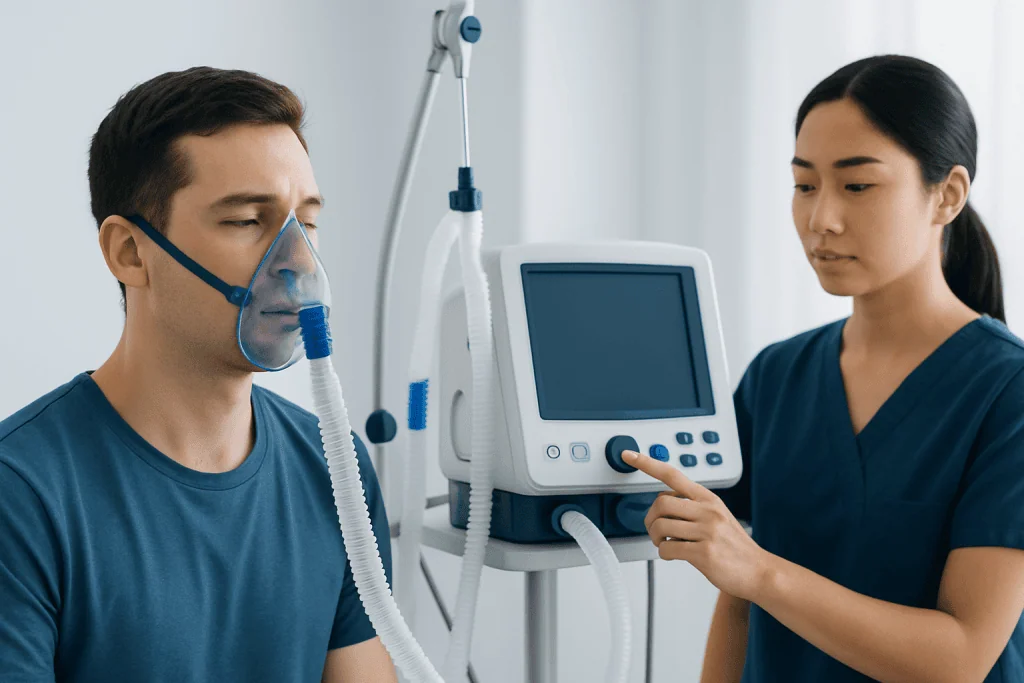
People seek breathing treatment for many different symptoms. The most common are shortness of breath, wheezing, chest tightness, cough, noisy breathing, and trouble catching a full breath. Some people notice symptoms only with exercise, while others have breathing difficulty at rest or during sleep.
Associated symptoms can help point to the cause. Fever and cough may suggest infection. Wheezing may occur with asthma or airway narrowing. Swollen legs or needing extra pillows to sleep can point to a heart-related problem. Snoring, pauses in breathing during sleep, or morning headaches can be linked to sleep-disordered breathing. In children, signs may include rapid breathing, rib retractions, poor feeding, or unusual fatigue.
Breathing symptoms can vary in severity. Mild symptoms may come and go with allergies, exercise, or a viral illness. More concerning symptoms include a sudden change in breathing, blue lips or fingertips, confusion, fainting, or severe chest pain. Those signs need urgent assessment rather than home treatment.
- Shortness of breath during activity or at rest
- Wheezing or whistling sounds when breathing
- Persistent cough or excess mucus
- Chest tightness or a feeling of air hunger
- Fatigue related to poor oxygenation or increased breathing effort
Common causes and risk factors

Breathing problems can start in the airways, lungs, heart, blood, nerves, or upper airway. Common respiratory causes include asthma, chronic obstructive pulmonary disease, pneumonia, bronchitis, allergic reactions, sinus disease, and exposure to irritants such as smoke or chemicals. People with recurring wheeze or cough may benefit from evaluation for allergy if triggers seem related to dust, pollen, pets, or seasonal changes.
Not all breathing difficulty comes from the lungs. Heart failure, arrhythmias, anemia, obesity, anxiety, and deconditioning can also contribute. Sleep apnea may cause poor-quality sleep, morning headaches, daytime tiredness, and breathlessness that worsens overall health over time. Structural problems in the nose or throat can also make breathing feel blocked, especially at night.
Risk factors include smoking, secondhand smoke exposure, air pollution, occupational dust or fumes, recurrent respiratory infections, advanced age, obesity, and a family history of lung disease or allergies. A person’s outlook often improves when modifiable risks are addressed early, especially smoking cessation and better control of chronic conditions.
How breathing problems are diagnosed
Diagnosis begins with a medical history and physical examination. A doctor will ask when symptoms started, whether they are sudden or gradual, what triggers them, and whether there are associated symptoms such as fever, chest pain, swelling, cough, or nighttime awakening. Listening to the lungs and measuring oxygen levels can quickly show whether urgent treatment is needed.
Testing is tailored to the suspected cause. Pulse oximetry can estimate oxygen saturation. Chest X-ray or other imaging may help identify infection, fluid, or structural changes. Blood tests may look for infection, anemia, inflammation, or problems with gas exchange. Lung function tests, including spirometry, can assess airway obstruction and help diagnose conditions such as asthma or COPD. In some cases, exercise testing or sleep studies are recommended.
If airway anatomy or upper airway blockage is part of the concern, doctors may consider endoscopic evaluation or imaging of the head and neck. When treatment planning requires a detailed review of the lungs, bronchoscopy may help examine the airways and collect samples. The goal of diagnosis is not simply to confirm a symptom, but to identify the mechanism behind it so treatment is precise and appropriate.
Modern breathing treatment approaches
Modern breathing treatment is individualized. Short-acting inhaled medicines may quickly relax the airway muscles during wheezing or sudden airway tightening. Other inhaled medications are used regularly to reduce inflammation and prevent future symptoms. If mucus is a major issue, hydration, airway clearance methods, or chest physiotherapy may be added. Bacterial infections may require antibiotics when clinically appropriate, while viral illnesses are usually treated with supportive care.
When oxygen levels are low, oxygen therapy may be used to support the body while the underlying problem is treated. In people with chronic lung disease, pulmonary rehabilitation can improve endurance, symptom control, and confidence with daily activities. This usually combines supervised exercise, education, breathing retraining, energy-conservation strategies, and support for long-term self-management.
Some people need treatment aimed at specific conditions. Examples include allergy treatment, management of sleep apnea, treatment of heart failure, or advanced respiratory support during severe illness. If a lung infection, collapsed lung, fluid around the lung, or another structural issue is suspected, hospital-based care may be needed. In selected cases, pulmonary rehabilitation becomes an important part of recovery after hospitalization or recurrent flare-ups.
For people with severe or unclear symptoms, multidisciplinary assessment can be valuable. Pulmonologists, allergists, cardiologists, radiologists, rehabilitation teams, and intensive care specialists may all contribute depending on the cause. Near the end of the care pathway, centers such as Acibadem International offer diagnosis and treatment through multidisciplinary specialists in JCI-accredited hospitals for international patients.
Outlook and living with a breathing condition
The outlook depends on the diagnosis, how early treatment begins, and whether the underlying cause can be controlled or reversed. Many people with asthma, mild infections, or temporary airway irritation improve significantly with proper treatment and trigger avoidance. Others, such as those with COPD or chronic heart and lung disease, may need ongoing care but can still achieve better symptom control and daily function with a structured plan.
Breathing problems often fluctuate over time. Cold air, viral infections, allergens, smoke, and stress can all worsen symptoms. Learning how to recognize early warning signs, use medications correctly, and follow a care plan can reduce flare-ups and improve confidence. Regular follow-up is especially helpful after emergency visits, hospital stays, or repeated episodes of shortness of breath.
Long-term management may include vaccinations, monitoring oxygen levels, exercise training, nutrition support, and treatment of related issues such as reflux, sinus disease, or sleep problems. Outlook is usually best when symptoms are not ignored and treatment is adjusted as needs change.
Prevention and self-care
Prevention starts with reducing exposure to what irritates or damages the lungs. Avoiding smoking is one of the most important steps, and support is available for those trying to quit. Good hand hygiene, up-to-date vaccinations, and minimizing exposure to respiratory infections can also help reduce flare-ups in vulnerable people.
At home, symptom control may improve with attention to indoor air quality. This can include avoiding strong chemical fumes, improving ventilation, reducing dust, and managing mold or pet dander if these are triggers. People with known asthma or COPD should keep their treatment plan accessible and review inhaler technique regularly with a clinician, since incorrect use is a common reason for poor control.
Gentle physical activity, paced breathing, adequate hydration, and maintaining a healthy weight can support better breathing over time. Relaxation methods may help when anxiety worsens breathlessness, but persistent or unexplained symptoms should not be attributed to stress without proper medical evaluation.
- Do not smoke and avoid secondhand smoke
- Use prescribed inhalers or devices exactly as instructed
- Stay active within safe limits and ask about rehab if needed
- Know personal triggers and early warning signs
- Seek medical review if symptoms change or become more frequent
When to seek medical care
Medical review is important if breathing problems are new, persistent, or getting worse. A person should arrange a prompt appointment for unexplained shortness of breath, recurring wheeze, exercise limitation, chronic cough, or sleep-related breathing concerns. These symptoms may be caused by treatable conditions, but they need proper assessment to guide safe care.
Urgent medical attention is needed for severe shortness of breath, chest pain, blue lips or face, confusion, fainting, high fever with breathing distress, or symptoms that appear suddenly and intensify quickly. Children and older adults may show more subtle signs, such as unusual sleepiness, poor feeding, or rapid breathing, and should be assessed without delay.
If symptoms are recurring despite treatment, specialist review may help clarify the diagnosis and optimize the plan. Depending on the situation, a doctor may recommend advanced airway evaluation, hospital observation, or referral for targeted care such as intensive care in severe cases.
Frequently asked questions
What is the most common type of breathing treatment?
The most common breathing treatments are inhaled medications, especially for conditions that narrow or inflame the airways. Other common treatments include oxygen therapy, breathing exercises, and treatment of the underlying cause such as infection, allergy, or heart disease.
Is breathing treatment the same as using a nebulizer?
No. A nebulizer is only one way of delivering medication into the lungs. Breathing treatment can also include inhalers, oxygen, rehabilitation, airway clearance techniques, and condition-specific medical care.
Can breathing problems be caused by something other than lung disease?
Yes. Heart conditions, anemia, anxiety, obesity, sleep apnea, and upper airway problems can all cause or worsen shortness of breath. That is why diagnosis is important before assuming the cause is purely respiratory.
How do doctors decide which breathing treatment is best?
Doctors look at the symptom pattern, how severe the breathing problem is, and what is causing it. They may use examination findings, oxygen levels, imaging, blood tests, and lung function tests to choose the safest and most effective treatment plan.
Can breathing treatment cure the problem completely?
Sometimes, especially when the cause is temporary, such as a mild infection or short-lived irritation. In chronic conditions like asthma or COPD, treatment often focuses on control, preventing flare-ups, and improving quality of life rather than a complete cure.
When should someone go to the emergency department for breathing symptoms?
Emergency care is needed for severe shortness of breath, chest pain, blue lips, confusion, fainting, or rapidly worsening breathing. If a person cannot speak comfortably, seems unusually drowsy, or is struggling to breathe, urgent assessment is important.
References
- World Health Organization
- American Lung Association
- National Heart, Lung, and Blood Institute
- Global Initiative for Asthma
- Global Initiative for Chronic Obstructive Lung Disease
This article is for general information only and is not a substitute for professional medical advice. Please consult a qualified doctor about your individual situation.
Explore treatments in Turkey — costs, top hospitals & a free quote
JCI-accredited · board-certified surgeons · reply within 24h
Add us as a Preferred Source to see more of our trusted health content across Google Search, AI Overviews and Discover.