Bronchi: What Patients Need to Know

The bronchi are the right and left main airways that connect the trachea to the lungs. They warm, filter, and direct air into smaller branches called bronchioles.
Key Takeaways
- The bronchi are the right and left main airways that connect the trachea to the lungs.
- They warm, filter, and direct air into smaller branches called bronchioles.
- Inflammation, infection, mucus, or narrowing in the bronchi can cause cough, wheezing, and shortness of breath.
- Tests such as physical examination, imaging, and lung function testing help evaluate bronchial problems.
- Treatment depends on the cause and may include inhaled medicines, antibiotics when appropriate, pulmonary care, and lifestyle changes.
Bronchi are the two main air passages that carry air from the windpipe into the lungs, where they branch into smaller tubes. Understanding how the bronchi work can help patients recognize symptoms, know when breathing changes matter, and better understand common lung conditions.
Overview: what the bronchi are and why they matter
The bronchi are the two large airway branches that split off from the trachea, or windpipe, and enter the lungs. The right main bronchus leads to the right lung, and the left main bronchus leads to the left lung. From there, each bronchus divides again and again into smaller airways, eventually becoming bronchioles that carry air deep into the lungs.
These air passages do much more than simply move air. Their lining helps warm, humidify, and filter inhaled air, while tiny hair-like structures called cilia move mucus and trapped particles upward so they can be cleared. This cleaning system helps protect the lungs from dust, irritants, and germs.
Patients often hear about the bronchi when discussing cough, wheezing, bronchitis, asthma, or lung infections. Knowing the role of the bronchi can make it easier to understand why symptoms develop and why doctors may recommend inhalers, imaging tests, or breathing assessments. In simple terms, healthy bronchi help air move smoothly and efficiently to the parts of the lung where oxygen enters the bloodstream.
How the bronchi work in the breathing system
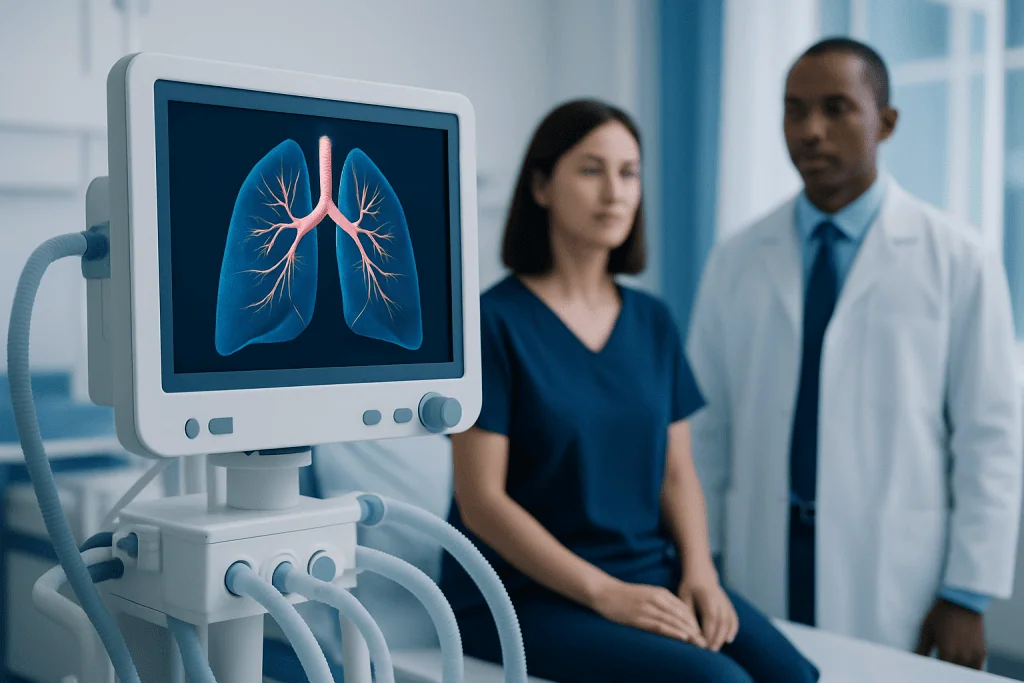
When a person breathes in, air travels through the nose or mouth, down the throat, through the larynx, and into the trachea. The trachea then divides into the main bronchi. These larger bronchi continue branching into lobar and segmental bronchi, creating a tree-like network often called the bronchial tree.
The walls of the bronchi contain cartilage, smooth muscle, and a moist inner lining. The cartilage helps keep the larger airways open. The smooth muscle can tighten or relax, changing the width of the airway. This is one reason conditions such as asthma can cause wheezing and breathing difficulty: the bronchial muscles may tighten while the lining becomes inflamed.
As the airways become smaller, they lose cartilage and become bronchioles. At the ends of these tiny passages are air sacs called alveoli, where oxygen moves into the blood and carbon dioxide moves out. If the bronchi are swollen, narrowed, or blocked by mucus, airflow to the alveoli becomes less efficient, which can lead to coughing, chest tightness, and shortness of breath.
Symptoms linked to bronchial problems

The bronchi themselves are not usually something a person can feel. Instead, problems affecting them cause symptoms related to airflow or irritation. Common symptoms include cough, mucus production, wheezing, shortness of breath, chest tightness, and noisy breathing. Some people also notice that exercise becomes harder or that colds seem to settle in the chest.
Symptoms may come on suddenly, as with an infection or exposure to smoke or allergens, or they may develop gradually over time. A cough that brings up mucus may point to inflammation in the larger airways, while wheezing often suggests narrowing of the bronchi. In some cases, patients may also feel fatigue because the body has to work harder to breathe.
Not every cough or breathing change means a serious illness. Even so, symptoms that keep returning or interfere with sleep, daily activity, or exercise deserve medical attention. Bronchial symptoms can overlap with several conditions, including bronchitis, asthma, pneumonia, allergies, and chronic lung disease, so an accurate diagnosis matters.
Common causes and risk factors
Many different conditions can affect the bronchi. Infections are among the most common. Viruses often cause short-term inflammation of the airways, while bacteria can sometimes lead to more significant infection. Inflammation may increase mucus production and make the airway lining swell, which narrows the space available for airflow.
Chronic conditions can also involve the bronchi. Asthma causes airway inflammation and increased sensitivity, which can lead to episodes of tightening and wheezing. Long-term exposure to cigarette smoke, air pollution, workplace dust, or chemical fumes can damage the airway lining and increase the risk of chronic bronchial irritation. Some people may also develop structural airway changes over time, such as bronchiectasis, in which the airways become widened and less effective at clearing mucus.
Other factors that may increase the risk of bronchial problems include allergies, a family history of asthma, repeated respiratory infections, impaired immune function, and acid reflux that irritates the airway. In children, inhaled foreign objects can sometimes block a bronchus. In adults, airway symptoms may also be related to chronic obstructive lung disease, heart disease, or less commonly, a growth affecting the airway.
- Smoking or secondhand smoke exposure
- Air pollution or occupational irritants
- Seasonal allergies or environmental triggers
- Frequent respiratory infections
- Underlying lung conditions
How doctors evaluate the bronchi
Evaluation begins with a careful history and physical examination. A doctor will ask about the pattern of symptoms, smoking history, recent infections, allergies, exercise tolerance, and any triggers such as cold air or dust. Listening to the chest may reveal wheezing, crackles, or reduced airflow in part of the lung.
Depending on the symptoms, doctors may recommend imaging or breathing tests. A chest X-ray can help identify infection, collapse of part of the lung, or other structural concerns. In some situations, a CT scan gives a more detailed look at the airways and surrounding lung tissue. Pulmonary function tests can show how well air moves through the bronchi and whether narrowing improves after medication.
Some patients may need additional evaluation with bronchoscopy, a procedure that allows a specialist to look inside the airways with a thin flexible camera. This can be helpful if there is concern about persistent blockage, bleeding, unusual infection, or a foreign body. Depending on the findings, care may involve specialists in pulmonology, imaging, allergy, or infection management.
Treatment options for bronchial conditions
Treatment depends on what is affecting the bronchi. If the cause is a viral infection, supportive care such as rest, fluids, and symptom relief may be enough. If a bacterial infection is suspected, a doctor may prescribe antibiotics. For inflammation and airway narrowing, inhaled bronchodilators or inhaled corticosteroids may help open the bronchi and reduce swelling.
Patients with chronic conditions often need a longer-term plan. In asthma, avoiding triggers and using prescribed controller and reliever medicines are important. In chronic mucus-producing conditions, airway clearance techniques can help remove secretions. For severe or complicated cases, respiratory specialists may recommend structured care through chest diseases treatment or monitored breathing rehabilitation approaches.
Procedures are sometimes needed when there is a blockage, foreign body, abnormal tissue, or severe structural disease. Bronchoscopy can be both diagnostic and therapeutic. In selected cases, surgery may be considered for localized damage or other underlying problems, and this may involve thoracic surgery. Treatment plans are individualized, with the goal of improving breathing, controlling symptoms, and protecting long-term lung function.
Prevention and self-care for healthier airways
Many bronchial problems can be reduced or better managed with daily habits. Avoiding smoking is one of the most important steps for airway health. People who smoke should speak with a healthcare professional about stopping, and those who do not smoke should try to avoid secondhand smoke and heavily polluted environments whenever possible.
Vaccination may help lower the risk of certain respiratory infections that can inflame the bronchi. Hand hygiene, regular exercise as tolerated, staying well hydrated, and managing allergies can also support airway health. For people with asthma or chronic lung disease, following the prescribed treatment plan and using inhalers correctly can reduce flare-ups.
At home, practical measures may include limiting exposure to dust, fragrances, chemical fumes, and cold dry air if these trigger symptoms. Patients with recurrent or chronic airway disease may benefit from supervised breathing support and rehabilitation strategies, including pulmonary rehabilitation when advised by a doctor. Near the end of the care pathway, some international patients may choose centers such as Acibadem International, where multidisciplinary specialists in JCI-accredited hospitals evaluate and treat respiratory conditions.
When to seek medical care
Medical care is appropriate when cough, wheezing, or shortness of breath lasts more than a few days, keeps returning, or disrupts normal activity. A doctor should also assess symptoms that are getting worse instead of improving, especially after a recent respiratory infection. Persistent mucus production, repeated chest infections, or unexplained exercise intolerance also deserve attention.
Urgent medical evaluation is important if a person has severe shortness of breath, blue lips, confusion, chest pain, coughing up blood, or signs that breathing is becoming labored. Children or adults who may have inhaled a foreign object should be assessed promptly, particularly if symptoms started suddenly. Any sudden or severe breathing problem should be treated as a medical priority.
Because many airway symptoms overlap, patients should not assume the cause on their own. Timely evaluation can help identify whether the problem is simple airway irritation, infection, asthma, or a more complex condition affecting the bronchi and lungs.
Frequently asked questions
What are the bronchi in simple terms?
The bronchi are the two main tubes that carry air from the windpipe into the lungs. They then branch into smaller airways, helping deliver air to the tiny air sacs where oxygen exchange happens.
What is the difference between bronchi and bronchioles?
Bronchi are the larger airways that come directly from the trachea and continue branching inside the lungs. Bronchioles are the much smaller branches farther down the airway tree, closer to the air sacs.
Can inflamed bronchi heal?
Yes, inflamed bronchi often improve when the underlying cause is treated or resolves on its own. Recovery depends on whether the inflammation is due to a temporary infection, asthma, smoking exposure, or a chronic lung condition.
Why do bronchial problems cause wheezing?
Wheezing happens when air moves through narrowed or irritated airways. If the bronchi are swollen, tightened, or filled with mucus, airflow becomes turbulent and creates a whistling sound.
Do the bronchi produce mucus?
Yes, the lining of the bronchi helps produce mucus that traps dust, germs, and particles. In normal amounts this is protective, but too much mucus can contribute to cough and congestion.
How are problems in the bronchi diagnosed?
Doctors usually start with symptoms, medical history, and a chest examination. Depending on the situation, they may also use chest imaging, lung function tests, sputum tests, or bronchoscopy to look more closely at the airways.
When should someone worry about symptoms related to the bronchi?
Symptoms deserve prompt medical attention if there is severe shortness of breath, chest pain, bluish lips, confusion, or coughing up blood. It is also wise to see a doctor for symptoms that last, keep returning, or limit normal activity.
This article is for general information only and is not a substitute for professional medical advice. Please consult a qualified doctor about your individual situation.
Explore treatments in Turkey — costs, top hospitals & a free quote
JCI-accredited · board-certified surgeons · reply within 24h
Add us as a Preferred Source to see more of our trusted health content across Google Search, AI Overviews and Discover.

More from the Health Library

Intention Tremor: What Patients Need to Know

Mite Bites — Explained by Medical Evidence, Not Myths

Allergic Reaction on Lips: A Complete Medical Overview

Agave Nectar: An Evidence-Based Guide for Patients

Peptides for Weight Loss: A Complete Medical Overview