Brown spotting after menstruation: A Complete Medical Guide for Patients

Brown spotting after menstruation often reflects old blood that exits the body more slowly at the end of a period. Hormonal fluctuations, birth control, stress, and ovulation can also cause light post-period spotting.
Key Takeaways
- Brown spotting after menstruation often reflects old blood that exits the body more slowly at the end of a period.
- Hormonal fluctuations, birth control, stress, and ovulation can also cause light post-period spotting.
- Infection, polyps, fibroids, endometriosis, and pregnancy-related issues are less common but important causes.
- Medical review is advisable if spotting is recurrent, has a strong odor, causes pain, or occurs with heavy bleeding.
- Evaluation may include a pelvic exam, pregnancy test, ultrasound, and tests for infection depending on symptoms.
Brown spotting after menstruation is commonly caused by a small amount of older blood leaving the uterus in the days after a period ends. In many cases it is not serious, but persistent, heavy, painful, or unusual spotting should be assessed by a doctor to rule out infection, hormonal changes, pregnancy-related causes, or other gynecologic conditions.
Overview: what brown spotting after menstruation usually means
Brown spotting after menstruation usually means that a small amount of blood is leaving the body slowly after a period has ended. Blood turns brown when it has had more time to oxidize, so this color often suggests older blood rather than active fresh bleeding.
For many women, this can happen for one to two days at the end of a menstrual cycle and may be completely normal. It is especially common when menstrual flow becomes lighter, because the blood moves more slowly from the uterus through the cervix and vagina.
However, brown spotting is not always simply the tail end of a period. It can also happen with hormonal changes, contraceptive use, stress, ovulation, infection, or conditions that affect the uterus or cervix. The key is to look at the full pattern: when it happens, how long it lasts, whether there is pain or odor, and whether it is becoming more frequent.
What is normal and what may be unusual
Light brown discharge or spotting for a short time after a period can be within the normal range. It may appear as a few spots on underwear, light staining on toilet paper, or a small amount of discharge that looks tan, rust-colored, or dark brown. If it resolves quickly and there are no other symptoms, it is often simply old menstrual blood.
Cycle-related spotting may also appear at other times. Some women notice slight spotting around ovulation, after starting or changing hormonal birth control, or during times of stress, illness, travel, or weight change. These factors can affect hormone levels and alter the timing or intensity of uterine shedding.
Spotting may deserve closer attention when it lasts more than a few days, happens repeatedly between cycles, occurs after sex, or appears after menopause. It is also more concerning if it is accompanied by pelvic pain, fever, itching, a foul smell, dizziness, or unusually heavy bleeding.
- Often normal: brief brown spotting at the end of a period
- May need evaluation: recurrent spotting, pain, odor, or spotting after menopause
- Urgent assessment: heavy bleeding, severe pain, fainting, or suspected pregnancy complications
Common causes of brown spotting after menstruation

The most common cause is residual menstrual blood. As the uterine lining finishes shedding, the last small amount of blood may remain in the uterus or vagina slightly longer and darken before it exits. This can create brown rather than bright red spotting.
Hormonal changes are another frequent reason. Natural fluctuations in estrogen and progesterone can cause irregular shedding of the uterine lining. This may happen around ovulation, during the first few years after periods begin, in the years leading up to menopause, or with conditions that affect hormone balance. Birth control pills, hormonal intrauterine devices, implants, and emergency contraception can also lead to light spotting, especially in the first few months of use.
Changes in daily life can play a role too. Significant stress, intense exercise, rapid weight loss, eating disorders, thyroid problems, and some medications may alter the menstrual cycle and lead to spotting. If cycle changes continue, doctors may evaluate for hormonal or endocrine causes.
Occasionally, spotting is linked to structural or inflammatory gynecologic problems. These can include cervical irritation, benign uterine growths such as fibroids or polyps, or conditions such as endometriosis that may also cause pain, heavy periods, or bleeding between periods.
Less common but important causes
Infections can sometimes cause brown spotting, especially when there is irritation of the cervix or vaginal tissues. This may occur with sexually transmitted infections, pelvic inflammatory disease, or other vaginal or cervical infections. Symptoms such as unusual odor, yellow or green discharge, burning, pelvic pain, or fever make infection more likely and should prompt medical review.
Pregnancy-related causes should also be considered if there is any chance of pregnancy. Light spotting can occur with implantation, but bleeding in early pregnancy may also signal miscarriage or an ectopic pregnancy. Brown blood can appear instead of bright red blood, so the color alone cannot confirm whether a cause is harmless.
Benign growths in the uterus or cervix may lead to irregular spotting. Uterine polyps and uterine fibroids can change the usual bleeding pattern. Cervical polyps may bleed after sexual activity or pelvic examination. In a smaller number of cases, persistent abnormal bleeding can be linked to precancerous changes or cancers of the cervix, uterus, or other reproductive organs.
Because the causes range from normal cycle variation to conditions that need treatment, recurrent post-period spotting is best interpreted in the context of age, pregnancy risk, contraceptive use, medical history, and associated symptoms.
How doctors diagnose the cause
Diagnosis begins with a detailed history. A doctor usually asks when the spotting occurs, how long it lasts, whether it follows a regular pattern, and whether there are associated symptoms such as pain, fever, odor, or bleeding after sex. Information about contraception, sexual activity, pregnancy possibility, and recent stress or medication changes is also important.
A pelvic examination may help identify cervical irritation, infection, vaginal inflammation, or visible polyps. If pregnancy is possible, a pregnancy test is commonly recommended. Depending on the symptoms, the clinician may also take vaginal or cervical swabs to test for infection and may check blood tests for anemia or hormone-related concerns.
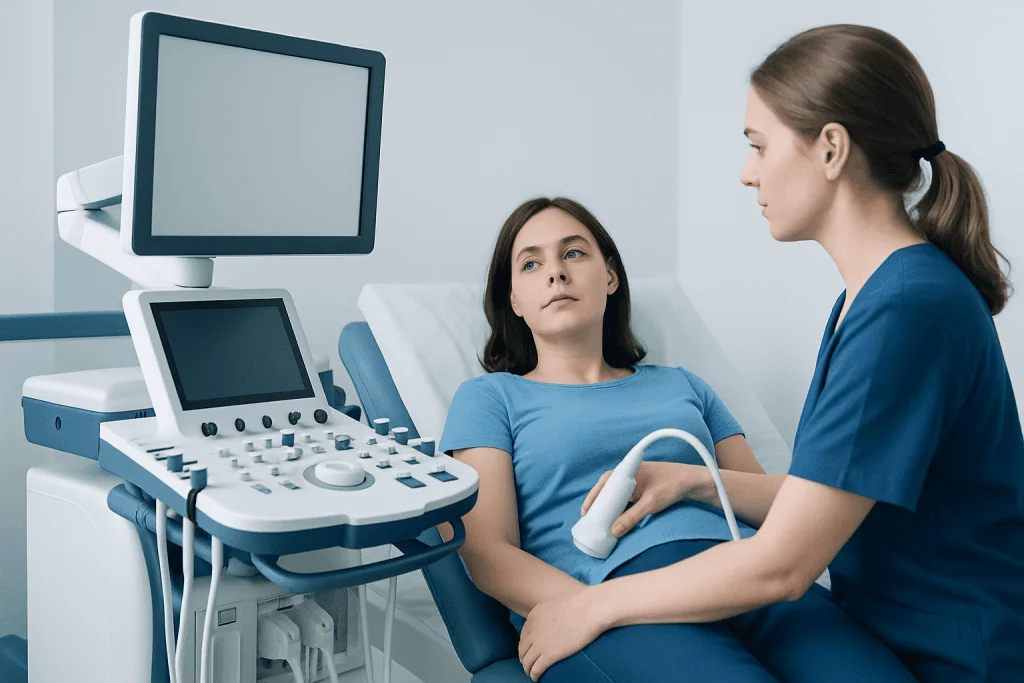
Imaging is sometimes useful when the history suggests a uterine cause. A pelvic ultrasound is a common next step to look for fibroids, polyps, ovarian cysts, or changes in the uterine lining. In selected cases, doctors may recommend pelvic ultrasound imaging or additional procedures such as hysteroscopy to examine the inside of the uterus more closely.
Persistent or unexplained abnormal bleeding may require further assessment of the uterine lining or cervix. If a structural problem is found, evaluation may be coordinated with gynecology and, when appropriate, with gynecologic care tailored to the patient’s age and symptoms.
Treatment options and when treatment may not be needed
Treatment depends on the cause. If brown spotting represents a small amount of old blood after an otherwise normal period, no treatment may be necessary. In these cases, reassurance, cycle tracking, and monitoring for changes are often enough.
When hormonal fluctuation is the likely cause, doctors may recommend watchful follow-up or adjustments to birth control. If spotting began after starting a contraceptive method, it may improve as the body adapts. If bleeding remains troublesome, a clinician may discuss alternatives based on the person’s health needs and preferences.
If an infection is identified, treatment is directed at the specific organism. Structural causes such as fibroids or polyps may need procedures or surgery depending on symptoms, size, location, and future fertility plans. Some patients may be evaluated for minimally invasive gynecologic surgery if a uterine or pelvic condition is causing repeated abnormal bleeding.
Pregnancy-related bleeding always deserves medical guidance. Likewise, bleeding after menopause should not be ignored, as it often requires prompt evaluation. Near the end of the care journey, some international patients may choose centers such as Acibadem International, where multidisciplinary specialists in JCI-accredited hospitals evaluate and treat gynecologic bleeding concerns.
Self-care, monitoring, and prevention
Not all spotting can be prevented, especially when it reflects a normal menstrual variation. Still, keeping a menstrual diary or using a cycle-tracking app can be very helpful. Recording dates, flow color, pain, discharge, contraceptive changes, and sexual activity can help both the patient and doctor identify patterns.
General health measures support regular menstrual function. These include managing stress, maintaining a balanced diet, getting enough sleep, and avoiding sudden extreme changes in weight or exercise habits. Taking medications exactly as prescribed, especially hormonal contraception, may reduce breakthrough spotting in some people.
Good sexual health practices are also important. Using barrier protection with new or untested partners can lower the risk of sexually transmitted infections. Regular cervical screening according to national guidelines can help detect cervical changes early, often before they cause symptoms.
It is also sensible to pay attention to what is changing. A single brief episode may not be concerning, but a new pattern of spotting that repeats over several cycles is worth discussing with a healthcare professional.
When to seek medical care
Medical care should be sought if brown spotting after menstruation is frequent, lasts more than a few days, or starts to occur between most cycles. It should also be assessed if there is pelvic pain, pain during sex, fever, unusual vaginal discharge, itching, or a strong odor, because these symptoms can suggest infection or another treatable condition.
Prompt medical attention is especially important if there is any chance of pregnancy and spotting occurs with cramping, shoulder pain, dizziness, or fainting. These symptoms can signal a pregnancy complication that needs urgent evaluation. Heavy bleeding that soaks pads quickly, causes weakness, or includes large clots should also be treated as urgent.
Any bleeding after menopause should be evaluated by a doctor, even if it is only brown spotting. Postmenopausal bleeding is not considered a normal menstrual variation and usually requires further assessment to identify the cause.
Frequently asked questions
Is brown spotting after menstruation normal?
Yes, it can be normal, especially if it happens for a day or two right after a period ends. This often represents older blood leaving the uterus more slowly. If it becomes recurrent, painful, or unusual for that person, a doctor should evaluate it.
Why is the spotting brown instead of red?
Brown blood usually means the blood is older and has had time to oxidize before leaving the body. This often happens when menstrual flow is light or slow. Fresh active bleeding is more likely to appear bright red.
Can birth control cause brown spotting after a period?
Yes. Hormonal contraceptives, including pills, implants, and hormonal IUDs, can cause breakthrough spotting, especially during the first few months of use or after a change in method. If the spotting is persistent or bothersome, a healthcare professional can review options.
Could brown spotting after menstruation mean pregnancy?
It can sometimes be related to early pregnancy, but it is not a reliable sign on its own. If pregnancy is possible, a test is the best first step. Spotting during pregnancy should be discussed with a clinician, especially if there is pain or heavier bleeding.
When should brown spotting after menstruation be checked by a doctor?
It should be checked if it happens often, lasts more than a few days, occurs after sex, or comes with pain, odor, fever, or heavy bleeding. Evaluation is also important if there is any chance of pregnancy or if the person is postmenopausal. These situations may need testing to find the cause.
Can stress cause spotting after a period?
Yes, stress can affect hormones that regulate the menstrual cycle and may contribute to spotting or changes in timing. Travel, illness, weight changes, and intense exercise can have similar effects. If symptoms continue, a medical assessment can help rule out other causes.
References
- American College of Obstetricians and Gynecologists
- National Health Service
- Mayo Clinic
- Office on Women's Health
- World Health Organization
This article is for general information only and is not a substitute for professional medical advice. Please consult a qualified doctor about your individual situation.
Explore treatments in Turkey — costs, top hospitals & a free quote
JCI-accredited · board-certified surgeons · reply within 24h
Add us as a Preferred Source to see more of our trusted health content across Google Search, AI Overviews and Discover.
Check your numbers in seconds
BMI, calories, due date, blood pressure and 30+ more clinical calculators — free, instant, doctor-reviewed ranges.